Does Betta Fish Need Air Pump
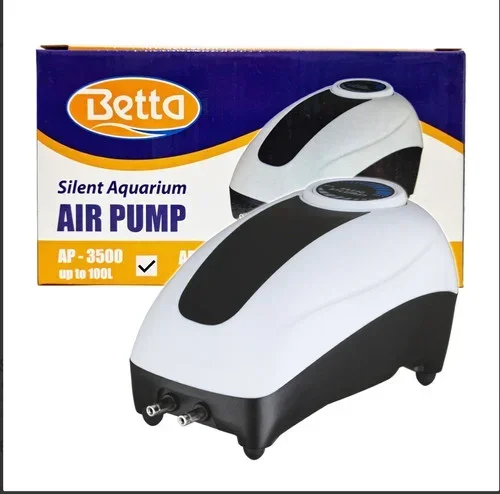
So, does betta fish need air pump equipment? The short answer is no — bettas can survive without one. These fish have a special organ called the labyrinth that lets them breathe air directly from the water surface. However, proper water circulation and oxygen exchange still matter for your betta fish health. Understanding when an air pump helps — and when it doesn’t — is the key to keeping your fish happy and active.
Every betta fish owner wants to give their pet the best life possible. One question that comes up constantly in fish forums and pet stores is whether a betta fish air pump is really necessary. You might have seen air pumps sitting on store shelves and wondered if your colorful fish actually needs one.
The truth is, bettas are unique among freshwater fish. They can breathe air directly from the surface, thanks to a special organ most fish don’t have. This fact changes everything when it comes to deciding what equipment your tank really needs. Let’s break down the full picture so you can make the best choice for your finned friend.
Whether you’re setting up a new betta fish tank or just trying to improve your current setup, understanding oxygen levels and water movement will help you keep your fish healthy and stress-free. This guide covers everything you need to know — from how bettas breathe to the best alternatives to a traditional air pump.
Key Takeaways
- Bettas don’t require an air pump: Their labyrinth organ allows them to breathe atmospheric air, making a separate air pump unnecessary in most cases.
- Water surface agitation matters: Gentle movement at the water surface supports oxygen exchange, which benefits your betta fish breathing and overall health.
- Signs of low oxygen are easy to spot: Gasping at the surface, lethargy, and reduced appetite are clear indicators that your tank needs better aeration.
- Alternatives exist: Sponge filters, hang-on-back filters, and air stones can provide water circulation without the noise and stress of a traditional air pump.
- Tank setup plays a big role: Proper tank size, water temperature, and filter choice all impact how well your betta fish tank stays oxygenated naturally.
- Over-aeration can stress bettas: Strong water currents and excessive bubbles may cause discomfort, especially for slower-moving bettas.
- Can a betta fish live with no air pump? Yes: Many betta owners run successful tanks with zero aeration equipment, as long as the water surface remains undisturbed but gently moving.
📑 Table of Contents
Why Bettas Don’t Always Need an Air Pump
Here’s the most important thing to understand: betta fish do not need an air pump to survive. Unlike most tropical fish that rely entirely on dissolved oxygen in the water, bettas have a built-in survival tool. They belong to a group called anabantoids, which means they possess a specialized breathing organ.
How Betta Fish Breathe Air
Bettas breathe in a way no other common pet fish can. They gulp air from the water surface and pass it through their labyrinth organ. This organ extracts oxygen directly from the swallowed air, much like lungs do in mammals. The remaining oxygen in the water still helps, but it’s not the primary source of breath for your betta.
This is why you’ll often see your betta floating near the top of the tank, taking quick trips to the surface. It’s completely normal behavior and nothing to worry about. In fact, it’s a sign that your fish is using its natural abilities perfectly.
The Labyrinth Organ Explained
The labyrinth organ sits near the gills and works like a secondary breathing system. When water conditions get tough — say, low oxygen in a warm, still pond — the betta can simply swim up and take a gulp of fresh air. This adaptation comes from their natural habitat in Southeast Asia, where slow-moving rice paddies and shallow waters often have low dissolved oxygen.
Because of this evolutionary advantage, bettas can thrive in smaller tanks and bowls where other fish would struggle. You don’t need to worry about running a betta fish air pump 24/7 just to keep oxygen levels up. Your fish already has a built-in solution.
When an Air Pump Can Help Your Betta
Just because bettas don’t strictly need an air pump doesn’t mean it can’t be useful. There are situations where gentle aeration makes a real difference in betta fish care. Let’s look at when adding one might actually benefit your tank.
Water Surface Agitation and Oxygen Exchange
Even though bettas breathe air, the water in their tank still needs a minimum level of dissolved oxygen. Gas exchange happens at the water surface — oxygen enters the water and carbon dioxide escapes. When the surface stays completely still, this process slows down.
A small air pump connected to an air stone can create gentle ripples on the surface. This boosts oxygen exchange without creating strong currents. If your tank is heavily planted or warm, this extra oxygen can keep your betta comfortable, especially during hot summer days when water holds less oxygen.
Filter Compatibility and Water Movement
Many filters on the market create very little surface movement on their own. If you use an internal sponge filter or a hang-on-back filter that doesn’t agitate the surface much, a small air pump can supplement the flow. This helps distribute heat, filter media, and oxygen more evenly throughout the tank.
But here’s the key word — gentle. Bettas are not strong swimmers. They prefer calm water with slow movement. A powerful air pump that creates big waves and lots of bubbles can stress your fish out. Think of it as a light breeze, not a hurricane.
Signs Your Betta Needs Better Oxygenation
How do you know if your betta is getting enough oxygen? The signs are usually clear once you know what to look for. Paying attention to your fish’s behavior gives you real-time feedback about oxygen levels in the tank.
Gasping at the Surface
The most obvious sign is frequent, rapid trips to the surface. If your betta is repeatedly darting up and taking gulps of air more than usual, the dissolved oxygen in the water may be too low. This doesn’t always mean you need an air pump right away, but it does mean something needs to change.
First, check the water temperature. Warm water holds less oxygen than cool water. If your tank is above 80°F (27°C), that could be the culprit. Next, look at how much surface agitation you have. A still tank with no movement at all will have slower gas exchange.
Lethargy and Behavioral Changes
A healthy betta is curious and active. If your fish suddenly becomes lazy, stays at the bottom, or loses interest in food, low oxygen could be part of the problem. Other causes like illness or poor water quality can also lead to these symptoms, so always check multiple factors before jumping to conclusions.
Adding gentle surface agitation — whether through a small air pump, a filter that ripples the surface, or even a simple air stone — can help. But make sure the current stays soft. If your betta seems stressed by the added movement, dial it back.
Alternatives to Traditional Air Pumps
If you decide a full-sized air pump isn’t right for your setup, there are several alternatives that still promote healthy water circulation and tank aeration. These options tend to be quieter and less stressful for bettas.
Air Stones and Sponge Filters
An air stone is a small porous rock that diffuses tiny bubbles into the water. It’s much gentler than a standard air pump outlet. You can place it near the filter intake to create a slow, steady flow that agitates the surface just enough for good gas exchange.
Sponge filters are another excellent choice. They sit inside the tank and connect to a small air line. The sponge pulls water through its porous material, providing both mechanical and biological filtration while adding gentle aeration. Many betta owners swear by sponge filters because they’re cheap, quiet, and effective.
Hang-On-Back Filters
A hang-on-back (HOB) filter hangs on the rim of the tank and pulls water through a cartridge. As water flows back into the tank, it creates natural surface agitation. This type of filter often eliminates the need for a separate air pump entirely. The outgoing water breaks the surface tension and promotes oxygen exchange all on its own.
When choosing a HOB filter for a betta tank, look for one with adjustable flow. You want to turn the output down so it doesn’t create a current that’s too strong. Bettas hate being pushed around by fast-moving water, and it can lead to stress and hiding behavior.
Setting Up the Right Tank Environment
Creating the perfect environment for your betta goes beyond just whether you use an air pump. The entire tank setup plays a role in oxygen levels, water quality, and your fish’s comfort. Let’s walk through the key elements that make a betta fish tank truly healthy.
Tank Size and Water Flow
A larger tank is always easier to maintain than a small one. In a bigger tank, water parameters stay more stable, and oxygen levels are less likely to drop suddenly. A 5-gallon tank is the minimum recommended size, but 10 gallons or more gives your betta plenty of room to swim and explore.
When it comes to water flow, less is more for bettas. A gentle current that barely moves the surface is ideal. If you notice your betta struggling to swim against the flow or being pushed to one side, the water movement is too strong. Adjust your filter output or add a baffle to soften the current.
Temperature and Water Quality
Bettas are tropical fish and need warm water to thrive. The ideal temperature range is between 78°F and 80°F (25°C to 27°C). A heater is essential for maintaining stable temperatures, especially in rooms that fluctuate between day and night temperatures.
Warmer water holds less dissolved oxygen, which is another reason why gentle surface agitation matters. As the temperature rises, you want to make sure the water surface stays slightly disturbed to allow for proper gas exchange. A heater alone doesn’t do this, so pairing it with a gentle filter or sponge filter works best.
Regular water changes also keep oxygen levels healthy. Fresh tap water contains more dissolved oxygen than stale tank water. Aim for a 25-30% water change every week, and always treat new water with a dechlorinator before adding it to the tank.
Common Mistakes Bettas Owners Make
Even well-meaning betta owners sometimes make choices that hurt their fish without realizing it. Avoiding these common pitfalls will save you headaches and keep your betta thriving.
Over-Aerating the Tank
Just as too little oxygen is a problem, too much aeration can also cause issues. A large air pump with a big air stone creates powerful currents and tons of bubbles. This might look pretty, but it can exhaust your betta. These fish aren’t built to fight strong water flow all day long.
If you notice your betta struggling to stay in one place or constantly being pushed around, the aeration is probably too intense. Scale back by using a smaller air pump, adding a valve to reduce airflow, or switching to a finer air stone that produces smaller, gentler bubbles.
Ignoring Surface Agitation
On the flip side, some owners go too far in avoiding any water movement. A completely still tank might look calm, but it limits gas exchange over time. Without any surface disturbance, carbon dioxide builds up and oxygen levels slowly drop.
The goal is balance — enough movement to keep the surface slightly rippled, but not enough to create a current your betta has to swim against. A gentle filter output or a small sponge filter usually hits this sweet spot perfectly.
Final Thoughts on Betta Fish and Air Pumps
So, does betta fish need air pump equipment? The answer depends entirely on your specific setup. Most bettas can live perfectly fine without one, thanks to their remarkable labyrinth organ and their ability to breathe air at the surface. But in certain situations — warm tanks, heavily planted setups, or tanks with minimal surface movement — a small air pump or air stone can provide a helpful boost.
The best approach is to observe your fish. Watch how your betta behaves during the day. Is it swimming actively and coming to the surface for air normally? Is it eating well and showing interest in its surroundings? These are all signs that your current setup is working. If you notice gasping, lethargy, or loss of appetite, it’s time to reassess the tank’s oxygen levels and water flow.
Remember that every tank is different. What works for one betta owner might not work for another. The key is finding the right balance of filtration, gentle water movement, and stable water parameters. With a little attention and care, your betta will thrive — with or without a traditional air pump.
Ultimately, the best betta fish care comes down to understanding your fish’s natural needs. Bettas evolved to survive in shallow, slow-moving waters where oxygen can be scarce. That history lives on in their amazing labyrinth organ and their resilient nature. Give them a clean, warm, gently flowing tank, and they’ll reward you with vibrant colors and lively behavior for years to come.
If you’re ever unsure about your setup, remember that can a betta fish live with no air pump — yes, absolutely. But knowing when a little extra aeration helps is what separates a good fish keeper from a great one. Trust your instincts, watch your fish, and adjust as needed. Your betta will thank you for it.
Frequently Asked Questions
Can betta fish breathe without an air pump?
Yes, bettas can breathe without an air pump. Their labyrinth organ allows them to take in oxygen directly from the air at the water surface. This is a natural adaptation that lets them survive in low-oxygen environments like shallow ponds and rice paddies in the wild.
What happens if a betta fish doesn’t get enough oxygen?
If oxygen levels drop too low, your betta may gasp at the surface, become lethargic, or lose its appetite. In severe cases, prolonged low oxygen can lead to serious health problems or death. Adding gentle surface agitation through a filter or air stone usually fixes the issue quickly.
Is an air stone better than an air pump for bettas?
An air stone connected to a small air pump creates gentler bubbles than a standard air pump outlet. This makes it a better option for bettas, who prefer calm water. The tiny bubbles provide mild surface agitation without creating strong currents that could stress your fish.
Do betta fish like air pump bubbles in their tank?
Most bettas prefer gentle or minimal bubbles. Strong, constant bubbling from a powerful air pump can create too much water movement and stress your fish. If you want to add bubbles, use a small air stone with adjustable airflow so you can keep the environment calm and comfortable.
Can you use a sponge filter instead of an air pump for a betta?
Yes, a sponge filter is an excellent alternative. It provides both filtration and gentle aeration by drawing water through its porous material. Sponge filters are quiet, affordable, and create a soft flow that bettas are comfortable with. They’re one of the most popular choices among betta keepers.
How can I tell if my betta’s tank has enough oxygen?
Watch your betta’s behavior. A healthy betta will swim freely and visit the surface for air occasionally, but not frantically. If your fish is gasping repeatedly, staying at the bottom, or showing signs of stress, the oxygen level may be too low. Checking water temperature and surface movement can also help you gauge whether aeration needs to be adjusted.
=== CONCLUSION ===
Understanding does betta fish need air pump equipment comes down to knowing your fish and your tank. Bettas are resilient, adaptable creatures that don’t require an air pump to survive, but they do benefit from proper water circulation and surface agitation in certain conditions. Whether you choose a sponge filter, a hang-on-back filter, or a small air pump with an air stone, the goal is the same: a calm, well-oxygenated environment where your betta can thrive.
Pay attention to your fish’s behavior, keep the water clean and warm, and maintain gentle flow. These simple steps will go a long way toward keeping your betta healthy, colorful, and happy for years to come.
=== INTERNAL LINKS ===