How to Change Water in Fish Tank Betta
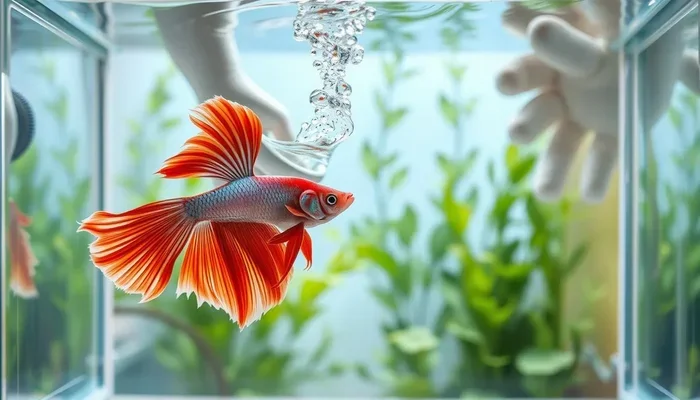
Changing the water in your betta fish tank is one of the most important tasks you can do for your fish’s health. This guide walks you through everything you need to know about how to change water in fish tank betta, from how often to do it to the exact steps you should follow. You will learn simple methods, common mistakes to avoid, and expert tips that make the process easy and safe for your betta.
Keeping a betta fish is a rewarding experience. These colorful little creatures bring life and calm to any room. But they do need regular care, and one of the most important parts of betta fish tank maintenance is changing the water. If you have ever wondered about how to change water in fish tank betta, you are in the right place.
A dirty tank can make your betta sick. Ammonia and nitrates build up fast, even in small tanks. Regular water changes keep these toxins in check. But doing it wrong can be just as harmful. That is why this guide breaks everything down into simple, easy-to-follow steps. Whether you are a beginner or have had bettas for years, you will find useful tips here.
How to change water in fish tank betta does not have to be complicated. With the right tools and a little routine, it becomes second nature. You will learn how often to do it, what supplies you need, and how to avoid common mistakes. Let us get started.
Key Takeaways
- Regular water changes are essential: Changing 25-50% of the water weekly keeps your betta healthy and reduces harmful toxins.
- Use the right water temperature: Match the new water to your tank temperature, ideally between 78-80°F, to avoid stressing your betta.
- Always treat tap water: Use a water conditioner or dechlorinator to remove chlorine and chloramine before adding water to the tank.
- Avoid large water changes at once: Sudden changes in water volume can shock your betta and disrupt beneficial bacteria.
- Watch for signs your betta needs a water change: Cloudy water, bad odors, and lethargic behavior are clear indicators.
- Gravel vacuums make the job easier: Using a siphon or gravel vacuum helps remove debris and waste from the substrate.
- Never change all the water at once: Full water changes strip beneficial bacteria and can crash your tank cycle.
📑 Table of Contents
- Why Water Changes Matter for Betta Fish
- How Often Should You Change Betta Tank Water?
- Supplies You Need for a Water Change
- Step-by-Step Guide to Changing Betta Tank Water
- Common Mistakes to Avoid During Water Changes
- Expert Tips for a Healthier Betta Tank
- How to Know When Your Betta Needs a Water Change Sooner
- Quick Tips for Success
- Conclusion
Why Water Changes Matter for Betta Fish
Betta fish live in small spaces. Unlike larger aquariums, a betta tank has limited water volume. This means waste builds up quickly. Fish produce ammonia through their waste and gills. In a cycled tank, beneficial bacteria break this ammonia down. But even in a healthy tank, these toxins can reach dangerous levels if the water is not refreshed.
The Role of Nitrates and Ammonia
When fish waste breaks down, it first turns into ammonia. This is very toxic to bettas. Beneficial bacteria then convert ammonia into nitrite. Nitrite is also harmful. Another group of bacteria changes nitrite into nitrate. Nitrate is less dangerous, but it still builds up over time. Regular water changes remove excess nitrates and keep your betta safe.
Without regular water changes, your betta may show signs of stress. Faded colors, loss of appetite, and hiding behavior are common warning signs. In severe cases, ammonia poisoning can be fatal. This is why how to change water in fish tank betta is such a critical skill for every betta owner.
How Water Changes Support the Nitrogen Cycle
Some people worry that water changes remove beneficial bacteria. This is true to a small extent. But the bacteria live on surfaces like filter media and substrate. The water itself holds only a small amount of bacteria. Removing 25 to 50 percent of the water weekly will not crash your cycle. In fact, it helps by keeping nitrate levels low, which supports a healthier environment overall.
How Often Should You Change Betta Tank Water?
The frequency of water changes depends on several factors. Tank size, filtration, and the number of fish all play a role. For most single-betta setups, a weekly water change works well. If you have a smaller tank under five gallons, you may need to change water more often.
General Guidelines by Tank Size
- 1-3 gallon tanks: Change 30-50% of the water every 3-4 days. Small tanks accumulate waste fast.
- 5 gallon tanks: Change 25-30% of the water weekly. This is the ideal minimum size for a single betta.
- 10 gallon tanks: Change 20-25% of the water weekly. Larger volumes dilute waste more effectively.
If you want to learn more about the exact schedule, check out our guide on how often to change water for betta fish. It covers different setups in detail.
Factors That Increase Water Change Frequency
Some situations require more frequent water changes. Overfeeding is a common one. Uneaten food decays quickly and raises ammonia levels. If you keep your betta in a bowl without a filter, you will need to change water even more often. Also, if you notice the water turning cloudy or developing an odor, it is time for a change.
Supplies You Need for a Water Change
Gathering your supplies before you start makes the process smooth. You do not need much, but having everything ready saves time and stress. Here is what you will need:
- A bucket or clean container: Use one dedicated only to fish tank use. Never use a bucket that has had soap or chemicals in it.
- A siphon or gravel vacuum: This tool removes debris from the substrate while pulling out old water. It makes how to change water in fish tank betta much easier.
- Water conditioner or dechlorinator: Tap water contains chlorine and chloramine, which are harmful to fish. A good conditioner neutralizes these chemicals.
- A thermometer: You need to match the temperature of the new water to the tank water. Bettas are sensitive to temperature swings.
- A clean sponge or algae scraper: Use this to clean the inside glass before or after the water change.
Choosing the Right Water Conditioner
Not all water conditioners are the same. Some only remove chlorine. Others also neutralize chloramine, heavy metals, and ammonia. Look for a conditioner that handles all of these. Brands like Seachem Prime and API Stress Coat are popular choices among betta keepers. A few drops per gallon is usually all you need.
Step-by-Step Guide to Changing Betta Tank Water
Now that you have your supplies, let us walk through the actual process. Following these steps ensures a safe and effective water change every time.
Step 1: Prepare the New Water
Start by filling your bucket with clean tap water. Add the water conditioner according to the product instructions. Let the water sit for a few minutes so the conditioner can work fully. Then use your thermometer to check the temperature. It should match the tank water, ideally between 78 and 80 degrees Fahrenheit.
Step 2: Remove the Old Water
Use your siphon or gravel vacuum to remove about 25 to 30 percent of the tank water. Direct the hose into your bucket. As you vacuum, move slowly across the substrate. This lifts up debris, fish waste, and leftover food particles. Focus on areas near decorations and corners where waste tends to collect.
Step 3: Clean the Tank Walls
While the water is draining, take a clean sponge and gently scrub the inside glass. Remove any algae buildup. Do not use soap or any chemical cleaners. Just plain water and a soft sponge work perfectly.
Step 4: Add the New Water
Slowly pour the treated water back into the tank. Pour it over a plate or bowl to avoid disturbing the substrate. Adding water too quickly can stir up debris and stress your betta. Take your time and let the water flow gently.
Step 5: Check the Parameters
After the water change, test the water parameters if you have a test kit. Check ammonia, nitrite, and nitrate levels. You want ammonia and nitrite at zero, and nitrate below 20 ppm. This confirms your water change was effective and your tank is in good shape.
For more detailed instructions on the process, visit our guide on how to do a water change for betta fish. It includes extra tips for beginners.
Common Mistakes to Avoid During Water Changes
Even experienced fish keepers make mistakes. Knowing what to avoid can save your betta from unnecessary stress. Here are the most common errors people make when changing betta tank water.
Changing Too Much Water at Once
This is the number one mistake. Removing more than 50 percent of the water at once can shock your betta. It also strips away beneficial bacteria that help maintain water quality. Stick to 25 to 30 percent for weekly changes. If the water is very dirty, you can do a slightly larger change, but never go above 50 percent.
Using Untreated Tap Water
Tap water contains chlorine and chloramine. These chemicals are added to make water safe for humans, but they are deadly for fish. Always use a water conditioner before adding tap water to your tank. Skipping this step can cause gill damage and respiratory distress in your betta.
Ignoring Water Temperature
Bettas are tropical fish and need warm water. Adding cold water suddenly can cause temperature shock. This weakens the immune system and makes your betta vulnerable to disease. Always match the temperature of the new water to the existing tank water.
Forgetting to Clean the Filter
Your filter plays a big role in maintaining water quality. But it does not need to be cleaned during every water change. In fact, cleaning the filter too often can remove beneficial bacteria. Rinse filter media in old tank water once a month. This keeps the good bacteria alive while still maintaining filter efficiency.
If your betta shows signs of distress after a water change, read our article on how to save dying betta fish after water change. It provides immediate steps you can take.
Expert Tips for a Healthier Betta Tank
Beyond the basics, there are some extra steps you can take to keep your betta tank in top shape. These tips come from experienced aquarists and betta specialists.
Use a Water Change Timer
Set a recurring reminder on your phone or calendar for weekly water changes. Consistency is key. When you do water changes on the same day each week, it becomes part of your routine and your betta stays healthier.
Monitor Water Parameters Regularly
A simple liquid test kit is worth every penny. Test strips are okay, but liquid tests are more accurate. Test your water weekly for ammonia, nitrite, nitrate, and pH. This gives you a clear picture of what is happening in your tank and helps you catch problems early.
Do Not Overfeed Your Betta
Overfeeding is one of the biggest contributors to poor water quality. Bettas have small stomachs and only need a few pellets or a small amount of food twice a day. Remove any uneaten food within a few minutes. Less waste means less frequent water changes and a happier betta.
Consider a Sponge Filter for Small Tanks
If you keep your betta in a tank under five gallons, a sponge filter can help. It provides mechanical and biological filtration without creating too strong of a current. Bettas prefer gentle water flow. A sponge filter also makes weekly water changes easier by housing beneficial bacteria.
How to Know When Your Betta Needs a Water Change Sooner
Sometimes the regular schedule is not enough. Your betta may need an emergency water change if you notice certain warning signs. Cloudy water is one of the most obvious signals. A foul smell coming from the tank is another. If your betta is gasping at the surface, staying at the bottom, or showing faded colors, test the water immediately.
High ammonia or nitrite levels are the most dangerous situations. These can cause burns to the gills and skin. If you detect ammonia above zero, do a 50 percent water change right away. Then test again in a few hours. Repeat if necessary.
For more information on recognizing these signs and responding quickly, our article on when to change water in betta fish tank covers this topic in depth.
Quick Tips for Success
- Always use a water conditioner before adding new water.
- Match the temperature of new water to the tank water.
- Change 25-30% of the water weekly for best results.
- Use a gravel vacuum to remove debris from the substrate.
- Never change all the water at once.
- Wash your hands before handling tank water or equipment.
- Keep a dedicated bucket and siphon for your fish tank only.
Conclusion
How to change water in fish tank betta is a straightforward process once you understand the basics. Regular water changes remove harmful toxins, keep your betta healthy, and create a beautiful environment for your fish to thrive. By following the steps in this guide, you are giving your betta the best care possible.
Remember to be consistent. Weekly water changes, proper water treatment, and temperature matching are the foundation of good betta care. Avoid common mistakes like changing too much water or using untreated tap water. And if you ever run into trouble, do not hesitate to seek out additional resources or test your water parameters.
Your betta depends on you for a clean and safe home. A little effort each week goes a long way. Keep up with your routine, enjoy watching your betta swim, and take pride in knowing you are providing excellent care.
Frequently Asked Questions
How much water should I change in my betta tank?
For most betta tanks, changing 25 to 30 percent of the water weekly is ideal. Smaller tanks under five gallons may need 30 to 50 percent changes every three to four days. Never change more than 50 percent at once, as this can disrupt the beneficial bacteria and stress your betta.
Can I use tap water directly for my betta tank?
No, you should always treat tap water with a water conditioner or dechlorinator first. Tap water contains chlorine and chloramine that are harmful to fish. These chemicals can damage your betta’s gills and cause serious health problems. A good water conditioner neutralizes these toxins quickly and safely.
What temperature should the new water be when changing my betta tank water?
The new water should match the existing tank temperature, ideally between 78 and 80 degrees Fahrenheit. Bettas are tropical fish and are sensitive to temperature changes. Sudden drops or spikes in temperature can stress your betta and weaken its immune system. Always use a thermometer to check before adding new water.
How do I know if my betta tank needs a water change?
Cloudy water, a foul smell, algae buildup, and behavioral changes like lethargy or loss of appetite are all signs your betta tank needs a water change. You can also test the water with a liquid test kit to check ammonia, nitrite, and nitrate levels. High readings mean it is time for a water change immediately.
Is it okay to change all the water in my betta tank at once?
No, changing all the water at once is strongly discouraged. It removes beneficial bacteria that are essential for the nitrogen cycle and can cause a dangerous ammonia spike. It also shocks your betta with sudden changes in water parameters. Always stick to partial water changes of 25 to 30 percent weekly.
Do I need a gravel vacuum to change my betta tank water?
A gravel vacuum is not strictly required, but it is highly recommended. It makes the process faster and more effective by removing debris and waste from the substrate while draining old water. If you do not have one, you can carefully scoop out water with a cup and use a turkey baster to remove waste from the bottom of the tank.