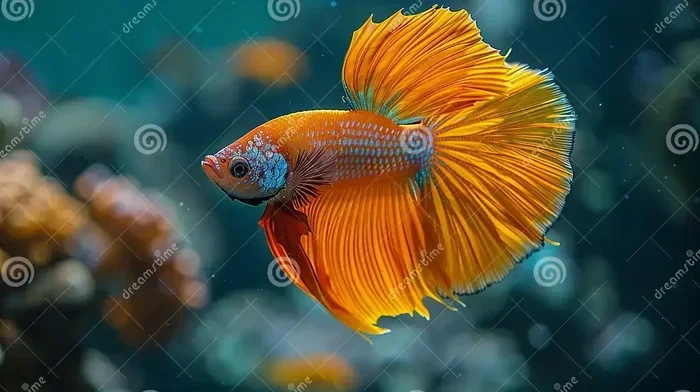
Do I Need a Filter for My Betta Fish

Yes, a filter helps keep your betta fish healthy by maintaining clean water and removing toxins. However, bettas are hardy fish that can survive in unfiltered setups if you do frequent water changes. The right filter choice depends on your tank size, your betta’s comfort, and how much maintenance you’re willing to do. This guide covers everything you need to decide if a filter is right for your betta setup.
Keeping a betta fish filter in your aquarium setup is one of the most discussed topics among betta owners. If you are wondering whether your colorful companion needs mechanical filtration, you are not alone. Many new fish keepers face this exact question when setting up their first betta fish tank setup. The answer is not a simple yes or no. It depends on your tank size, your maintenance routine, and the type of filter you choose.
Do betta fish need a filter? Technically, bettas can live without one. But a filter makes a huge difference in water quality and your fish’s overall health. In this guide, we will walk through everything you need to know about aquarium filter for betta setups. You will learn about the different types of filters, when a filter is essential, and how to choose the right one for your betta’s habitat.
Key Takeaways
- Filters improve water quality: They remove harmful toxins and keep your betta’s environment clean and safe.
- Bettas can survive without a filter: But they need frequent water changes and careful monitoring to stay healthy.
- Sponge filters are ideal for bettas: They provide gentle filtration without strong water flow that stresses your fish.
- Tank size matters: Larger tanks benefit more from filters, while small bowls may not need one if maintained properly.
- Not all filters are safe: Avoid filters with intense water flow that can tire out your betta.
- Regular maintenance is key: Whether you use a filter or not, consistent tank upkeep keeps your betta happy.
📑 Table of Contents
- Why Water Quality Matters for Betta Fish
- Do Betta Fish Really Need a Filter?
- Types of Filters for Betta Fish Tanks
- How to Choose the Right Filter for Your Betta
- Common Mistakes Betta Owners Make With Filters
- Benefits of Using a Filter in a Betta Tank
- Can You Use a Filter in a Betta Bowl?
- Final Thoughts on Betta Fish Filters
Why Water Quality Matters for Betta Fish
Betta fish may look tough, but they are sensitive to poor water conditions. In the wild, bettas live in slow-moving rice paddies and shallow streams. These natural environments have constant gentle water movement and beneficial bacteria that break down waste. When you keep a betta in a tank, you take on the responsibility of replicating those conditions as closely as possible.
Without proper water circulation, toxins like ammonia and nitrite build up quickly. These chemicals are invisible but deadly. Even small amounts can damage your betta’s gills, fins, and immune system. A betta fish health issue often starts with poor water quality long before you notice any visible symptoms.
How Toxins Build Up in a Betta Tank
Your betta produces waste every day. Uneaten food decomposes at the bottom of the tank. Both of these sources release ammonia into the water. In a natural environment, beneficial bacteria convert ammonia into nitrite and then into less harmful nitrate. This process is called the nitrogen cycle.
In a small bowl or tank without a filter, these bacteria have no surface area to colonize. Waste accumulates fast. You may need to do water changes every single day to keep things safe. A tank maintenance routine becomes much harder without mechanical and biological filtration.
Do Betta Fish Really Need a Filter?
The honest answer is that bettas do not absolutely need a filter. Many people keep bettas in unfiltered bowls and the fish survive for years. However, survival is not the same as thriving. A betta in a filtered tank will generally be more active, have brighter colors, and live a longer life.
If you choose to skip a filter, you must commit to a strict maintenance schedule. That means daily water changes or at least every other day. You also need to test your water parameters regularly. For most people, adding a simple sponge filter is far easier than doing constant water changes. It takes the guesswork out of keeping the water clean.
If you are debating this, check out our article on Should I Use a Filter for My Betta Fish for a deeper dive into the pros and cons of filtered vs. unfiltered setups.
When a Filter Becomes Essential
There are certain situations where a filter is not just helpful but necessary. If your tank holds more than five gallons, a filter becomes much more important. Larger volumes of water collect more waste, and manual water changes alone may not keep up. Similarly, if you keep your betta with any tank mates, a filter helps manage the extra biological load.
Also, if you have a busy schedule and cannot do daily water changes, a filter is your best friend. It keeps the water circulating and housing beneficial bacteria even when you are away. This stability reduces stress on your betta and makes the tank more forgiving of occasional missed maintenance.
Types of Filters for Betta Fish Tanks
Not all filters work well for bettas. Bettas are slow swimmers and do not like strong currents. Choosing the right aquarium filter types can make or break your setup. Let us look at the most common options and how they compare for betta tanks.
Sponge Filters
Sponge filters are hands-down the best choice for betta fish. They provide both mechanical and biological filtration through a soft sponge material. Air pumps push water through the sponge, which traps debris and hosts beneficial bacteria. The water flow is gentle and calm, which bettas love.
Sponge filters are affordable, easy to clean, and very reliable. They come in different sizes to fit small bowls and larger tanks. Many experienced betta keepers consider sponge filters the gold standard for betta filter recommendations. They are also safe for baby bettas and shrimp if you ever add them to the tank.
Hang-On-Back Filters
Hang-on-back or HOB filters hang on the rim of your tank and pull water through a cartridge. They offer good mechanical and chemical filtration. However, most HOB filters create a strong outflow that can create too much current for a betta. If you use one, you can baffle the output by pointing it toward the glass or adding a sponge pre-filter.
These filters work best in tanks of five gallons or more. For smaller setups, the flow can be overwhelming. Check out our guide on Can a Filter Be Too Strong for a Betta Fish to learn more about managing water flow.
Internal Filters
Internal filters sit inside the tank and attach to the glass with suction cups. They are compact and easy to install. Many models allow you to adjust the flow rate, which is great for bettas. You can dial it down to create a gentle current that your fish will be comfortable with.
These filters work well for small to medium tanks. They are a good middle ground between sponge filters and HOB filters. Just make sure the intake tube is covered with a sponge pre-filter to prevent your betta from getting stuck.
Filterless Options and When They Work
If you decide to keep your betta without a mechanical filter, you can still maintain good water quality. Frequent water changes, live plants, and a proper tank size all help. A betta fish bowl with live plants like java moss or anubias can create a natural filtration system of sorts. Plants absorb nitrates and produce oxygen, which benefits your fish.
However, filterless setups require more hands-on work. You need to stay on top of water testing and changes. For most beginners, we recommend starting with at least a basic sponge filter. It takes very little effort and gives you peace of mind.
How to Choose the Right Filter for Your Betta
Picking the right filter comes down to a few key factors. You do not just want any filter. You want one that suits your betta’s needs and your tank setup. Here is what to consider before making a purchase.
Match the Filter to Your Tank Size
Filters are rated by the gallons they can cycle per hour. For a betta tank, you want a filter that turns over the water about four times per hour. So a five-gallon tank needs a filter rated for at least 20 gallons per hour. Going too high can create excessive flow, which stresses your betta.
If you are unsure about your tank size, check out our guide on What Size Tank Do I Need for a Betta Fish for helpful recommendations on choosing the right home for your betta.
Look for Adjustable Flow
Adjustable flow is a must for betta tanks. A filter with a built-in valve or adjustable output lets you reduce the current to a gentle trickle. Your betta should be able to swim comfortably without being pushed around. Watch your fish after installing a new filter. If it seems stressed or has trouble swimming, the flow is too strong.
Prioritize Biological Filtration
Biological filtration is the most important type for bettas. It is where beneficial bacteria live and convert toxic ammonia into safe nitrate. Sponge filters excel at this because they offer a large surface area for bacteria to colonize. When choosing any filter, make sure it provides enough biological media for a healthy bacterial colony.
Consider Ease of Maintenance
A filter you will not maintain is worse than no filter at all. Dirty filters stop working and can even release trapped waste back into the water. Choose a filter that is easy to rinse and replace. Sponge filters are the simplest to clean. Just squeeze the sponge in old tank water during your weekly water change. Avoid using tap water, as chlorine can kill the beneficial bacteria living inside the filter.
Common Mistakes Betta Owners Make With Filters
Even experienced betta keepers sometimes make filter mistakes. These errors can harm your fish or reduce the effectiveness of your filtration system. Here are the most common pitfalls to avoid.
- Using a filter with too much flow: A powerful filter creates a current that exhausts your betta. Bettas need calm water. Always adjust or baffle the output.
- Skipping the pre-filter sponge: Your betta may explore the intake tube and get trapped. A sponge pre-filter prevents this safely.
- Never cleaning the filter: A clogged filter loses its effectiveness. Rinse the media in old tank water every few weeks to keep it running smoothly.
- Replacing all filter media at once: This wipes out your beneficial bacteria colony and can cause a water quality crash. Replace only a portion at a time.
- Using the wrong filter type for a small bowl: Some filters are too big for tiny setups. Choose a filter sized appropriately for your tank or bowl.
If you keep your betta in a bowl, you might wonder whether bowls even need filters. Our article on Do Betta Fish Bowls Need a Filter covers this topic in detail and gives practical advice for bowl setups.
Benefits of Using a Filter in a Betta Tank
Adding a filter to your betta tank offers many advantages beyond just cleaning the water. Let us look at the key benefits that make filtration worth the small investment.
- Consistent water quality: A filter keeps ammonia and nitrite levels stable between water changes. This means a safer, healthier environment for your betta every day.
- Less maintenance work: With a filter, you can stretch your water change schedule to once or twice a week instead of daily. This saves you time and effort.
- Healthier betta behavior: Bettas in filtered tanks tend to be more active and curious. They explore their environment and show off their fins more confidently.
- Longer lifespan: Clean water reduces stress and prevents common diseases. A well-filtered tank can help your betta live a full, healthy life.
- Supports beneficial bacteria: A filter provides a home for the good bacteria that keep your tank’s ecosystem balanced and stable.
Even if you keep your betta in a small tank, a sponge filter can make a noticeable difference. Your fish will thank you with vibrant colors and energetic swimming. For more tips on keeping your betta happy, check out our article on How Do You Care For A Betta Fish for a complete care overview.
Can You Use a Filter in a Betta Bowl?
Many betta owners keep their fish in bowls. Bowls are small, usually under three gallons, and they do not have room for most traditional filters. But that does not mean your betta cannot benefit from some form of filtration.
Small sponge filters work well in bowls. They are compact and produce very gentle flow. You can place a tiny sponge filter in the corner of the bowl and let it run quietly. It will provide biological filtration without taking up too much space or creating a distracting current.
For more information specifically about bowls, read our dedicated guide on Do Betta Fish Bowls Need a Filter. It addresses the unique challenges of keeping bettas in bowls and offers practical filtration solutions.
Final Thoughts on Betta Fish Filters
The question of whether you need a filter for your betta fish comes down to your setup and your commitment to maintenance. A filter is not strictly required, but it is one of the best investments you can make for your betta’s health and longevity. A simple sponge filter provides gentle, effective filtration that keeps your betta comfortable and your water clean.
If you are still deciding, start with a small sponge filter. It costs very little and makes a big difference. Your betta will enjoy a more stable, cleaner environment. And you will enjoy a more relaxed, rewarding fish-keeping experience. The right betta fish tank setup starts with good filtration and proper care. Your betta deserves a healthy, happy home.
Remember, every betta is different. Observe your fish, test your water, and adjust your setup as needed. With the right approach, your betta will thrive for years to come.
Frequently Asked Questions
Can betta fish live without a filter?
Yes, bettas can survive without a filter, but they need frequent water changes to maintain safe water conditions. Without a filter, waste and toxins build up faster, so you must stay on top of tank maintenance to keep your betta healthy.
What type of filter is best for betta fish?
A sponge filter is the best option for bettas because it provides gentle flow and effective biological filtration. It is affordable, easy to clean, and creates a calm current that bettas are comfortable swimming in.
How often should I clean my betta filter?
Rinse your filter media every two to four weeks during a water change. Never use tap water, as the chlorine will kill beneficial bacteria. Squeeze the sponge gently in old tank water to remove debris while preserving the bacterial colony.
Can a filter be too strong for a betta fish?
Yes, a filter with too strong a flow can stress and exhaust your betta. Bettas are slow swimmers and need calm water. Always choose a filter with adjustable flow or add a baffle to reduce the current to a gentle level.
Do betta fish bowls need a filter?
Bowls are very small, so a full filter is not always necessary if you do daily water changes. However, a small sponge filter can greatly improve water quality and reduce the maintenance required for a bowl setup.
Will a filter help my betta fish live longer?
Yes, a filter contributes to a longer, healthier life for your betta by keeping the water clean and stable. Consistent water quality reduces stress and prevents many common health issues that shorten a betta’s lifespan.
=== META TITLE ===
Do I Need a Filter for My Betta Fish? Complete Guide
=== URL SLUG ===
do-i-need-a-filter-for-my-betta-fish