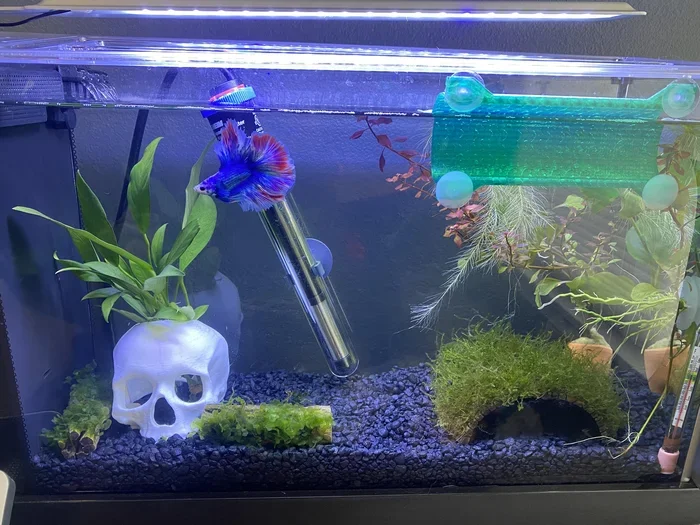
How Many Tetra with Betta Fish
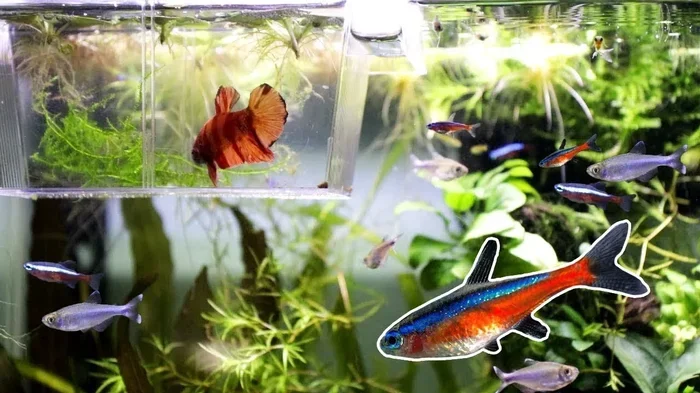
So, how many tetra with betta fish is the right number? Generally, you can keep 4 to 6 tetras with a single betta in a 10-gallon tank or larger. The exact number depends on your tank size, tetra species, and your betta’s temperament. This guide covers everything you need to know about creating a peaceful betta and tetra community tank.
So you want to add some color and movement to your betta tank? Tetras are a popular choice, and for good reason. They are small, vibrant, and full of energy. But the big question is: how many tetra with betta fish can you keep together without trouble?
The answer is not as simple as one number. It depends on your tank size, the type of tetra, and your betta’s personality. Some bettas are chill and ignore their tank mates. Others are feisty and chase anything that moves. This guide walks you through everything you need to know about keeping tetras with your betta fish safely and happily.
Whether you are a beginner or a seasoned aquarist, this article gives you practical tips and real advice. You will learn the best tetra species, the right tank size, and how to spot trouble early. Let us dive in and make your community tank a success.
Key Takeaways
- 4 to 6 tetras is the sweet spot for most betta tanks, keeping schooling fish happy without overcrowding.
- Tank size matters a lot — a 10-gallon tank is the minimum recommended for a betta and tetra combo.
- Peaceful tetra species like neon tetras, ember tetras, and harlequin tetras work best with bettas.
- Watch for signs of stress in both your betta and tetras, such as clamped fins or hiding behavior.
- Always acclimate new fish slowly and provide plenty of plants and hiding spots to reduce aggression.
- Feed both species properly — tetras are omnivores and bettas are carnivores, so their diets differ slightly.
📑 Table of Contents
- How Many Tetra with Betta Fish Is the Right Number?
- Best Tetra Species for a Betta Tank
- Tank Size and Setup for Tetras With Bettas
- Signs Your Betta and Tetras Are Getting Along
- Common Mistakes to Avoid When Keeping Tetras With Bettas
- Feeding Tetras and Bettas Together
- Final Thoughts on How Many Tetra with Betta Fish
How Many Tetra with Betta Fish Is the Right Number?
The general rule of thumb is 4 to 6 tetras per betta fish. Tetras are schooling fish, which means they feel safest in groups. A lone tetra will get stressed and may even die early. A group of 4 to 6 gives them the social structure they need to thrive.
But here is the catch. Your betta also needs space. A single betta needs at least 5 gallons on its own. Adding tetras means you need a bigger tank. A 10-gallon tank is the minimum for a betta and a small group of tetras. If you want more fish, go bigger.
Keep in mind that overcrowding is one of the biggest mistakes new fish keepers make. Too many fish in a small tank leads to poor water quality, stress, and disease. Always err on the side of fewer fish, especially when mixing species.
Why Schooling Size Matters
Tetras feel secure when they are in numbers. A school of 4 or more tetras will swim together, explore the tank, and show their natural colors. If you keep fewer than 4, your tetras may become shy and hide a lot. They may also nip at each other out of stress.
For a betta and tetra community tank, aim for a group of 5 if your tank allows it. This gives the tetras a strong school and keeps the balance right. Your betta will have enough space to claim its territory without feeling threatened.
Best Tetra Species for a Betta Tank
Not all tetras are created equal when it comes to living with bettas. Some species are peaceful and stay small. Others are larger, more active, or more nippy. Choosing the right tetra species makes a huge difference in how well your tank works.
Neon Tetras
Neon tetras are a classic choice. They are small, about 1.5 inches long, and have stunning blue and red stripes. They are peaceful and do well in groups. Neon tetras with betta fish can work well as long as the tank is big enough and there are plenty of plants to break up sightlines.
One thing to watch: some bettas see bright, flashing colors as a threat. Neon tetras have vivid colors that might trigger chasing behavior in certain bettas. Keep an eye on how your betta reacts during the first few days.
Ember Tetras
Ember tetras are a fantastic option for betta tanks. They are small, about 1 inch, and have a beautiful warm orange color. They are very peaceful and less likely to trigger aggression in bettas. Ember tetras with betta fish is one of the most recommended combinations by experienced fish keepers.
They also stay in the middle and lower parts of the tank, which gives your betta space at the top. This reduces territorial tension and makes the tank feel more balanced.
Harlequin Tetras
Harlequin tetras are a bit larger, around 2 inches, and have a distinctive black diamond pattern. They are active swimmers and do well in groups. They are generally peaceful, but they can be a bit boisterous. Make sure your tank has enough open swimming space and hiding spots.
Rummy Nose Tetras
If you want a slightly more advanced setup, consider rummy nose tetras with betta fish. They are sensitive to water quality, which means they are great indicators of tank health. They stay in tight schools and look amazing. However, they need very stable water parameters, so they are better for intermediate fish keepers.
Tank Size and Setup for Tetras With Bettas
The setup of your tank plays a huge role in whether your betta and tetras will get along. A poorly designed tank can cause stress and aggression even with the most peaceful species.
Minimum Tank Size
For a betta and a small group of tetras, a 10-gallon tank is your starting point. Here is a quick guide to help you decide:
- 10 gallons: 1 betta + 4 to 5 small tetras (neon or ember)
- 20 gallons: 1 betta + 6 to 8 tetras of any species
- 30 gallons or more: 1 betta + 8 to 12 tetras, plus room for other peaceful tank mates
Bigger is always better when mixing species. More water volume dilutes waste and keeps parameters stable. It also gives each fish more personal space, which reduces conflict.
Plants and Hiding Spots
Both bettas and tetras love plants. Live plants are the best choice because they help keep the water clean and provide natural cover. Adding plants to your betta setup is one of the best things you can do for tank harmony.
Use a mix of tall background plants and short foreground plants. This creates layers in the tank and gives both species their own zones. Tetras like to swim in the middle and upper levels, while bettas often claim the top or middle areas too. Good plants to consider include java moss, Amazon sword, and anubias.
Water Parameters
Betta fish and tetras share similar water preferences, which is one reason they can work so well together. Both species prefer:
- Water temperature between 76°F and 80°F
- pH levels between 6.5 and 7.5
- Soft to moderately hard water
- Clean, well-filtered water with low ammonia and nitrite
Keeping these parameters stable is essential. Use a good filter and test your water regularly. Regular water changes will keep both your betta and tetras healthy and stress-free.
Signs Your Betta and Tetras Are Getting Along
After you introduce tetras to your betta tank, watch closely for the first one to two weeks. This is the adjustment period, and it tells you a lot about how well the pairing will work.
Here are signs that things are going well:
- Your betta swims calmly and does not chase the tetras.
- Tetras school together and explore the tank freely.
- Both species eat normally during feeding time.
- No fins are torn or damaged.
- Tetras show bright, natural colors and are active.
Here are signs that something is wrong:
- Your betta flares at the tetras constantly or chases them.
- Tetras hide all the time and refuse to come out.
- You notice nipped fins on either the betta or the tetras.
- Fish are not eating or seem lethargic.
- Any fish shows signs of stress, like rapid breathing or clamped fins.
If you see negative signs, do not panic. Try rearranging the plants and decorations to break up territories. You can also try feeding your betta first so it is full and less interested in chasing. If problems persist, you may need to separate the fish.
Common Mistakes to Avoid When Keeping Tetras With Bettas
Even experienced fish keepers make mistakes. Here are the most common ones and how to avoid them.
Adding Too Many Fish Too Soon
It is tempting to fill up your tank right away. But adding too many fish at once spikes ammonia and nitrite levels, which can be deadly. Add tetras slowly, a few at a time, and monitor your water parameters between additions.
Ignoring Your Betta’s Personality
Every betta is different. Some bettas are laid-back and will ignore tetras completely. Others are aggressive and will see any moving fish as a threat. Male bettas with tetras can work, but only if your specific betta has a calm temperament. Know your fish before adding tank mates.
Choosing the Wrong Tetra Species
Some tetras are too large or too active for a betta tank. Avoid species like diamond tetras or larger characins that may outcompete your betta for food or stress it with their size. Stick to small, peaceful tetra species that share similar water and temperature needs.
Skipping the Quarantine Period
New fish can carry diseases or parasites. Always quarantine new tetras for at least two weeks before adding them to your betta tank. This protects both your new tetras and your betta from potential illness.
Feeding Tetras and Bettas Together
Feeding can be one of the trickiest parts of a mixed-species tank. Betta fish are carnivores and need protein-rich food. Tetras are omnivores and do well with a mix of plant and animal-based foods.
Here is a simple feeding routine that works for both:
- Feed your betta first with pellets or frozen bloodworms. Bettas are slow eaters and need time to eat.
- Once your betta has eaten, sprinkle flake food or small pellets for the tetras.
- Feed small amounts twice a day, only what your fish can eat in 2 to 3 minutes.
- Remove any uneaten food after feeding to keep the water clean.
Feeding your betta the right number of times per day is just as important as what you feed them. Overfeeding leads to poor water quality, which affects all the fish in the tank.
Final Thoughts on How Many Tetra with Betta Fish
Keeping tetras with your betta can be one of the most rewarding experiences in fish keeping. The key is to start with the right number — 4 to 6 tetras — and choose peaceful species that match your betta’s temperament. A 10-gallon tank or larger, plenty of plants, and stable water parameters set the stage for a thriving community tank.
Watch your fish closely during the first weeks. Look for signs of stress or aggression, and be ready to adjust if needed. Every tank is different, and what works for one betta may not work for another. Patience and observation are your best tools.
If you are still unsure about compatibility, check out our guide on whether tetra fish can live with betta fish for more detailed insights. And remember, a happy betta and happy tetras make for a beautiful, peaceful aquarium that you will love coming home to every day.
Frequently Asked Questions
Can I keep just 2 tetras with my betta fish?
It is not recommended. Tetras are schooling fish and need at least 4 to feel secure. Two tetras may become stressed, bully each other, or show dull colors. Always aim for a group of 4 or more when keeping tetras with a betta.
What is the best tetra for a beginner betta keeper?
Ember tetras are the best choice for beginners. They are small, peaceful, hardy, and their orange color looks great against a betta. They are also less likely to trigger aggression compared to brighter-colored species like neon tetras.
Can I keep glofish tetras with my betta fish?
Yes, glofish tetras can work with bettas in a properly sized tank. However, glofish tetras are genetically modified and may be more active than regular tetras. Make sure your tank has enough space and plants to keep everyone comfortable.
How do I introduce tetras to my betta tank safely?
Start by floating the bag with your new tetras in the tank for 15 to 20 minutes to equalize the temperature. Then slowly add small amounts of tank water to the bag over 30 minutes. Release the tetras gently and watch your betta’s reaction closely for the first few hours.
Will my betta eat the tetras’ food or vice versa?
Betta food is usually too large for small tetras to eat, and tetra flakes may not give your betta enough protein. Feed both species separately with foods suited to their needs. Feed your betta first, then the tetras, to make sure everyone gets the right nutrition.
Can I add more betta fish to a tank with tetras?
Keeping multiple bettas together is risky and not recommended for most setups. If you want to add more fish, focus on adding more tetras or other peaceful species instead. For more details, check out how many betta fish can live together to understand the risks involved.