How Many Time Do You Feed a Betta Fish
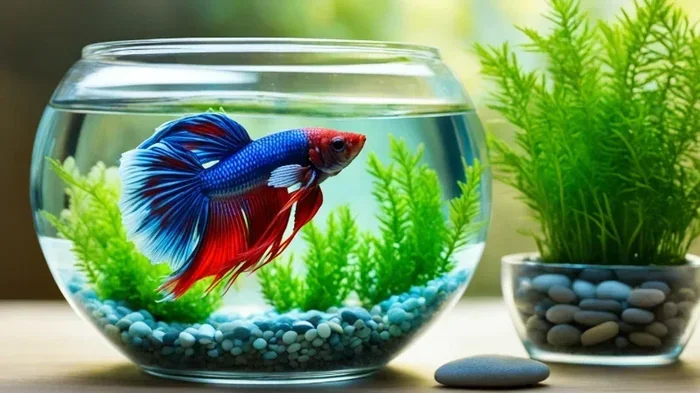
How many times do you feed a betta fish? The answer is twice a day, with small portions each time. A proper betta fish feeding schedule prevents overfeeding, keeps your fish active, and supports long-term betta fish health. This guide covers everything from portion sizes to the best foods and common mistakes to avoid.
Keeping a betta fish healthy starts with one simple thing: feeding them the right way. If you have ever wondered how many times do you feed a betta fish, you are not alone. This is one of the most common questions new fish owners ask. The good news is that the answer is straightforward, and once you get the hang of it, your betta will thrive.
A betta fish feeding schedule is more than just putting food in a tank. It is about understanding how much, how often, and what to feed your fish. Getting this right makes a huge difference in your betta’s energy levels, color, and lifespan. In this guide, we will walk you through everything you need to know about how often to feed betta fish, what foods work best, and the mistakes most beginners make.
Whether you just brought home your first betta or you have had one for a while, this article will help you fine-tune your routine. We will cover proper betta nutrition, portion sizes, the best feeding times, and how to tell if you are feeding too much or too little. By the end, you will feel confident about your betta fish care routine.
Key Takeaways
- Feed your betta fish twice a day: Morning and evening meals work best for a healthy digestive system.
- Small portions are key: Only give what your betta can eat in two to three minutes to avoid overfeeding.
- High-quality pellets are the staple: They provide balanced nutrition and are easy to portion control.
- Variety matters: Adding frozen or live foods occasionally boosts nutrition and stimulates natural hunting behavior.
- Watch for overfeeding signs: Bloating, lethargy, and cloudy water are red flags that mean you need to adjust portions.
- Consistency beats quantity: A regular feeding routine reduces stress and keeps your betta thriving.
📑 Table of Contents
Understanding Your Betta Fish Feeding Schedule
The foundation of good betta fish care is a consistent feeding schedule. Bettas are tropical fish that evolved in warm, slow-moving waters in Southeast Asia. Their digestive systems are designed for frequent small meals, not one big feast. This is why understanding how many times do you feed a betta fish matters so much.
Most experts agree that feeding your betta twice a day is the sweet spot. This mimics their natural eating patterns where they would snack on small insects and larvae throughout the day. A morning feeding and an evening feeding create a routine that your betta will quickly learn and look forward to.
How Many Times a Day Should You Feed a Betta Fish
The standard recommendation is two feedings per day. Each feeding should be small — roughly the size of your betta’s eye. This might seem tiny, but it is the perfect portion for a healthy digestive system. Feeding more than twice a day can lead to serious health problems, while feeding less than twice may leave your fish undernourished.
If you are wondering whether how often you feed a betta fish changes with age, the answer is yes. Baby bettas need smaller, more frequent meals — about three to four times a day. Adult bettas do well with two meals. Senior bettas may need just one slightly larger meal or two smaller ones, depending on their activity level and appetite.
What Happens If You Overfeed Your Betta
Overfeeding is the number one killer of pet bettas. Many new owners think that giving more food means a happier fish, but that is far from the truth. When you overfeed a betta fish, the extra food sinks to the bottom of the tank, rots, and pollutes the water. This spikes ammonia levels and can make your betta seriously ill.
Signs of overfeeding include:
- A bloated or swollen belly
- Food left uneaten after five minutes
- Cloudy or foul-smelling water
- Lethargy and lack of interest in food
- Constipation or difficulty swimming
If you notice any of these signs, cut back on portions immediately. A good rule of thumb is to only feed what your betta can consume in two to three minutes. If there is leftover food, you are giving too much.
The Best Foods for Your Betta Fish
Not all fish food is created equal. Bettas are carnivores, which means they need a protein-rich diet. Choosing the right betta fish food is just as important as knowing how many times do you feed a betta fish. The wrong food can lead to malnutrition, dull colors, and a weakened immune system.
Pellets vs Flakes: What Is Better?
Betta pellets are widely considered the best staple food for bettas. They are specifically formulated for betta nutrition, sink slowly, and are easy to portion. Look for high-quality pellets where fish meal or whole krill is listed as the first ingredient. These provide the protein your betta needs to stay vibrant and active.
Betta flakes are an option, but they have drawbacks. They dissolve quickly, make a mess, and are harder to portion accurately. If you use flakes, give only a tiny pinch and remove any uneaten flakes within a few minutes. Many experienced fish keepers prefer pellets over flakes for this reason.
When deciding between pellets and flakes, think about convenience and nutrition. Pellets win on both counts for most betta owners. They also make it easier to control how much to feed a betta fish, which is critical for preventing overfeeding.
Treat Foods and Supplements
While pellets should make up the bulk of your betta’s diet, variety keeps things interesting and boosts nutrition. Consider adding these treat foods once or twice a week:
- Bloodworms: A favorite treat that is high in protein. Use sparingly — they are a supplement, not a staple.
- Brine shrimp: Great for stimulating natural hunting behavior and adding variety.
- Daphnia: Helps with digestion and can be a gentle laxative if your betta is constipated.
- Frozen or live foods: These closely mimic what bettas eat in the wild and are highly nutritious.
Treats should make up no more than 10 to 15 percent of your betta’s overall diet. The rest should come from quality pellets that provide complete and balanced proper betta nutrition.
Creating the Perfect Feeding Routine
A good routine is about more than just timing. It is about creating a predictable pattern that reduces stress and keeps your betta healthy. Let us break down the best practices for setting up a betta feeding routine that works.
Morning vs Evening Feeding
Feeding your betta once in the morning and once in the evening is the most effective approach. Morning feeding kickstarts your betta’s metabolism after a night of rest. Evening feeding gives your fish a final meal before it rests overnight. This two-meal pattern aligns well with how bettas eat in their natural habitat.
Try to feed at roughly the same times each day. Bettas are creatures of habit, and a consistent feeding time betta fish schedule helps them feel secure. Some owners find that feeding around 8 AM and 8 PM works well with their daily routine, but you can adjust to whatever fits your schedule.
Portion Sizes That Matter
Getting the portion size right is crucial. As a general rule, each meal should be about two to three pellets for an adult betta. If you are using flakes, a small pinch the size of a dime is sufficient. The key is to watch your betta eat and adjust accordingly.
Here is a quick comparison of portion guidelines:
- Adult bettas: 2 to 3 pellets or a small pinch of flakes, twice daily
- Baby bettas (under 3 months): 1 to 2 pellets, three to four times daily
- Senior bettas: 2 pellets or a small pinch, once or twice daily depending on appetite
If you are unsure about how much do you feed a betta fish, start with a small portion and observe. If your betta eats eagerly and finishes everything within two to three minutes, you are on the right track. If food is left behind, reduce the amount at the next feeding.
Signs Your Betta Fish Is Getting the Right Amount of Food
Knowing whether your feeding routine is working comes down to observing your betta. A well-fed betta displays specific physical and behavioral signs that tell you everything is on track. On the other hand, an underfed or overfed betta will show warning signals that are easy to spot once you know what to look for.
Physical Signs to Watch For
A healthy betta should have a streamlined body with a slight fullness but no bloating. Its colors should be vivid and bright, and its fins should be held upright with no signs of clamping or deterioration. A good appetite is another positive sign — your betta should get excited and swim toward the food when it is feeding time.
Watch for these indicators of a well-fed betta:
- Bright, vibrant colors
- Active swimming behavior
- Healthy appetite at each meal
- Regular bowel movements (yes, this matters!)
- Clean, clear water between feedings
Behavioral Clues
Betta fish are expressive creatures. Their behavior tells you a lot about their health and whether their betta fish diet is working. If your betta is lethargic, hides often, or shows no interest in food, something may be off with the feeding routine.
On the flip side, if your betta is constantly begging for food and begging becomes excessive, you might be feeding too often or too much. Bettas are smart fish and will learn to associate you with food. They may start “begging” even when they are full. This is a behavioral habit, not a sign of hunger, so stick to the schedule and resist the urge to give extra food.
Common Feeding Mistakes to Avoid
Even the best-intentioned betta owners can fall into bad habits when it comes to feeding. Here are the most common mistakes and how to avoid them.
Mistake 1: Feeding too much at once. This is the most common error. Bettas have tiny stomachs, and overfeeding causes bloating, constipation, and water quality issues. Always stick to small portions.
Mistake 2: Skipping days or feeding irregularly. Bettas need consistent nutrition. Skipping meals or feeding at random times creates stress and disrupts their routine. If you are going to be away, consider using an automatic feeder or ask a friend to feed your betta once while you are gone.
Mistake 3: Relying only on flakes. While flakes are not bad, they do not provide the same nutritional density as quality pellets. If you use flakes, consider supplementing with pellets or frozen foods for a more balanced diet.
Mistake 4: Ignoring water quality after feeding. Uneaten food decays quickly and fouls the water. Always remove any leftover food after feeding time is over. This keeps your tank clean and your betta healthy.
Mistake 5: Giving human food. Bread, crackers, and other human foods are harmful to bettas. They cannot digest these foods properly. Stick to foods specifically made for betta fish. If you are ever curious about alternatives, research thoroughly before offering anything new, and remember that can you feed a betta fish bread is a firm no.
Final Thoughts on Betta Fish Feeding Frequency
So, how many times do you feed a betta fish? Twice a day, with small portions each time. This simple routine, combined with quality food and consistent timing, will keep your betta healthy, colorful, and active for years to come.
Remember that how often you feed a betta fish is just one piece of the puzzle. A complete approach to betta fish care includes clean water, proper tank temperature, hiding spots, and a stress-free environment. When you combine good nutrition with great husbandry, your betta will truly thrive.
Start by reviewing your current feeding routine. Are you feeding at consistent times? Are portions appropriate? Is your betta showing signs of good health? If you can answer yes to these questions, you are already doing a great job. If not, now is the perfect time to make adjustments.
For more detailed guidance on how do you feed a betta fish step by step, check out our complete feeding guide. And if you ever worry about giving your betta too much, our article on can you feed a betta fish too much covers the dangers and warning signs in depth. Taking the time to get feeding right is one of the best investments you can make in your betta’s well-being.
A well-fed betta is a happy betta. Stick to your routine, watch your fish closely, and enjoy the rewarding experience of caring for these beautiful, lively creatures. Your betta will thank you with vibrant colors, energetic swimming, and years of companionship.
Frequently Asked Questions
How many times a day should I feed my betta fish?
You should feed your betta fish twice a day — once in the morning and once in the evening. Each feeding should be a small portion that your betta can finish in about two to three minutes. This routine provides consistent nutrition without the risk of overfeeding.
Can I feed my betta fish once a day instead of twice?
Feeding once a day is not ideal, but it can work in a pinch. Bettas thrive on two smaller meals per day because their digestive systems are designed for frequent, small feedings. If you can only feed once, make sure the portion is appropriate and consider adding a small treat like a bloodworm to boost nutrition.
What is the best time of day to feed a betta fish?
The best times are early morning and early evening. Feeding around the same times each day creates a predictable routine that reduces stress for your betta. Consistency in feeding time betta fish schedules helps your fish feel secure and maintain a healthy appetite.
How do I know if I am feeding my betta too much?
Signs of overfeeding include a bloated belly, uneaten food floating in the tank, lethargy, and cloudy water. If your betta leaves food behind after five minutes, you are giving too much. Reduce the portion size and remove any leftover food promptly to keep the tank clean.
Can I skip feeding my betta fish for a day?
Yes, skipping one day of feeding occasionally is perfectly fine and can even benefit your betta by giving its digestive system a rest. Some owners fast their bettas one day per week. Just make sure this is not a regular habit, as bettas need consistent nutrition to stay healthy.
How many pellets should I feed my betta fish per meal?
For an adult betta, two to three pellets per meal is the standard recommendation. If you are using high-quality pellets, this amount provides complete nutrition without overfeeding. Adjust slightly based on your betta’s size, age, and appetite, and always watch to make sure the food is finished within a few minutes.