How Many Hours of Sleep Does a Betta Fish Need
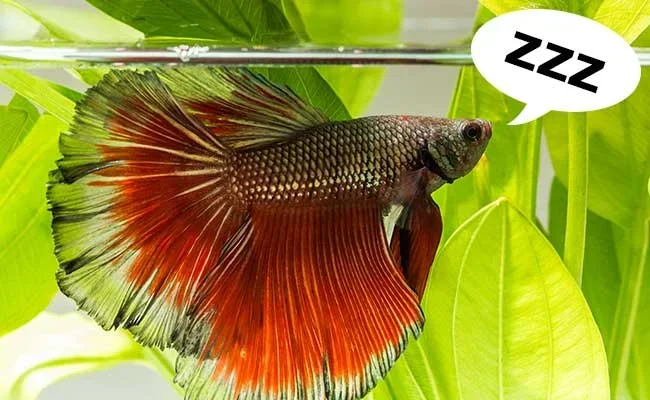
A betta fish typically needs 8 to 12 hours of sleep every day, similar to humans. Your betta needs a dark, quiet environment at night to rest properly. Understanding betta fish sleep patterns helps you keep your fish healthy and happy.
Every betta fish owner wants their pet to thrive. One of the most overlooked parts of betta fish care is sleep. Just like us, bettas need rest to stay healthy and active. But how many hours of sleep does a betta fish need exactly? The answer might surprise you.
Most bettas need between 8 and 12 hours of sleep each day. Without enough rest, your fish can become stressed, lose color, and even get sick. In this guide, we will cover everything you need to know about your betta’s sleep. You will learn the signs of a sleeping betta, how to set up the perfect environment, and common mistakes that disrupt rest. Let us dive in.
Key Takeaways
- 8 to 12 hours: This is the average amount of sleep a betta fish needs daily to stay healthy.
- Darkness matters: Bettas need a dark environment at night to enter their resting state.
- Sleep signs are subtle: A sleeping betta fish may lie still at the bottom or float near the surface.
- Light cycle is key: Keeping a consistent day-night schedule supports your betta’s natural sleep cycle.
- Too little sleep causes stress: Lack of rest weakens the immune system and leads to health problems.
- Tank setup affects rest: Proper aquarium lighting and hiding spots promote better sleep for your betta.
📑 Table of Contents
Understanding Betta Fish Sleep Patterns
Many new fish owners do not realize that fish sleep differently than mammals. Bettas do not close their eyes because they have no eyelids. Instead, they enter a state of reduced activity and metabolism. This is when your betta is truly resting.
Betta fish sleep patterns follow a natural day-night cycle. In the wild, bettas are most active during daylight hours. At night, they find a quiet spot and rest. Your aquarium should mimic this natural rhythm as closely as possible.
What Does a Sleeping Betta Fish Look Like?
It can be hard to tell if your betta is sleeping. Here are some common signs to watch for:
- Lying still at the bottom: Your betta may rest on the substrate or hide behind plants.
- Floating near the surface: Some bettas sleep just below the waterline, slightly tilted.
- Reduced fin movement: Fins may stay still or move very slowly.
- No response to stimuli: Your betta may not react to food or movement near the tank.
Do not worry if you see these behaviors. They are completely normal. In fact, if your betta is always moving, that can be a sign of stress or lack of rest. For more details on how bettas rest, check out our guide on how does a betta fish sleep.
How Many Hours of Sleep Does a Betta Fish Need?
The short answer is 8 to 12 hours per day. However, the exact amount can vary. Age, health, water temperature, and tank conditions all play a role. Younger bettas tend to be more active and may sleep slightly less. Older fish often rest more.
Here is a quick breakdown of sleep needs by situation:
- Healthy adult betta: 8 to 10 hours of rest per night.
- Young betta fry: Up to 12 hours, as they grow quickly and need more recovery.
- Sick or stressed betta: May sleep more than usual as the body fights illness.
- Bettas in poor lighting: Often confused about day and night, leading to irregular rest.
Consistency is the most important factor. Try to keep a regular schedule so your betta knows when to rest and when to be active. For more on how long bettas sleep at a time, read our article on how long does betta fish sleep.
The Role of Light in Your Betta’s Sleep
Light is the biggest factor in regulating your betta’s internal clock. Bettas rely on natural light cues to know when to sleep and wake up. Too much light or too little light can seriously disrupt their rest.
Too Much Light: A Common Problem
Many aquarium owners leave their tank lights on for too long. This can trick your betta into thinking it is always daytime. The result? Your fish becomes overstimulated and cannot settle down at night. Over time, this leads to sleep deprivation and a weakened immune system.
Here are some tips to manage light properly:
- Keep lights on for 8 to 10 hours a day. This gives your betta a clear day-night cycle.
- Use a timer. An automatic timer ensures consistency even when you are not home.
- Avoid placing the tank near windows. Natural sunlight can confuse the internal clock.
- Turn off room lights at night. A dark room helps your betta feel safe and secure.
Too Little Light: The Other Extreme
On the flip side, keeping the tank too dark all the time can make your betta sluggish. Bettas need some light during the day to stay active and maintain their natural colors. A dimly lit tank is fine, but complete darkness 24/7 is not ideal.
The goal is balance. A steady 8-to-10-hour light period followed by 12 to 14 hours of darkness works best for most bettas. This mirrors the conditions they would experience in their natural habitat in Southeast Asia.
How to Create the Perfect Sleep Environment
Setting up your tank for better sleep is easier than you think. Small changes can make a big difference in how well your betta rests. Here is what you should focus on.
1. Provide Hiding Spots
Bettas feel safer when they have places to hide. Adding live or silk plants gives your fish a cozy spot to curl up. Caves and decorations with small openings also work well. These hiding spots help your betta feel secure enough to fully relax.
2. Maintain Stable Water Temperature
Water temperature affects how well your betta sleeps. Bettas prefer temperatures between 76 and 82 degrees Fahrenheit. If the water is too cold, your fish may become lethargic. If it is too warm, your betta may stay restless. Use a reliable heater and thermometer to keep conditions stable.
3. Reduce Noise and Vibrations
Bettas are sensitive to vibrations. Placing the tank near a loud speaker or high-traffic area can cause stress. Try to position the aquarium in a quiet part of your home. This helps your betta settle into a deep, restful state at night.
4. Keep the Tank Clean
A dirty tank causes stress and poor sleep. Regular water changes and proper filtration keep the environment healthy. Clean water also reduces the risk of diseases that can disrupt sleep patterns. For more tips on overall care, see our guide on how do I take care of a betta fish.
Common Mistakes That Disrupt Betta Sleep
Even well-meaning owners can accidentally ruin their betta’s rest. Here are the most common mistakes and how to avoid them.
Leaving the Tank Light On Overnight
This is probably the number one sleep killer for bettas. Some owners leave lights on because they enjoy watching their fish at night. But this confuses the fish’s internal clock. Your betta cannot tell the difference between day and night, so it never fully rests.
Tap Water with Chlorine
Using untreated tap water can irritate your betta’s sensitive skin and gills. This causes discomfort that makes it hard to rest. Always use a water conditioner to remove chlorine and chloramine before adding water to the tank.
Overcrowding the Tank
Bettas are solitary fish. Adding too many tank mates creates constant activity and stress. Even if other fish do not bother your betta directly, the extra movement can prevent deep rest. For guidance on tank mates, check out our article on how many fish in a 10 gallon tank with a betta.
Ignoring the Nighttime Routine
Bettas thrive on routine. If you suddenly change the light schedule or make loud noises near the tank at night, it can stress your fish. Try to keep things calm and consistent during the nighttime hours.
What Happens When a Betta Fish Does Not Get Enough Sleep?
Sleep deprivation affects bettas just as it affects humans. A tired betta will show clear warning signs. Recognizing these early can help you fix the problem before it gets serious.
Signs of sleep deprivation in bettas include:
- Loss of color: A healthy betta has vibrant colors. A sleep-deprived fish often looks pale or faded.
- Increased aggression: Lack of rest makes bettas irritable and prone to fin nipping or flaring.
- Lethargy: Your fish may stop swimming and stay in one spot for too long.
- Weakened immune system: A tired betta is more vulnerable to diseases like ich and fin rot.
- Loss of appetite: A stressed or exhausted fish may refuse food altogether.
If you notice any of these signs, check your tank lighting and environment first. Often, a simple adjustment to the light schedule can make a huge difference. For more on why your betta might be sleeping excessively, read our article on why does my betta fish sleep a lot.
Daytime Napping: Is It Normal?
Yes, it is completely normal for bettas to take short naps during the day. In fact, many bettas have a polyphasic sleep pattern, meaning they rest in multiple short sessions throughout the day and night. This is different from humans, who typically sleep in one long stretch.
You might notice your betta taking a quick nap near a plant or resting on a leaf. These mini-rests are healthy and natural. As long as your betta is active and alert when awake, short daytime naps are nothing to worry about.
However, if your betta sleeps constantly and shows no interest in food or activity, that could be a sign of illness. In that case, check water parameters and temperature to rule out environmental causes.
Do Bettas Dream?
This is a fun question many fish owners ask. While scientists have not proven that fish dream the way mammals do, research suggests that fish experience similar brain activity during rest. Your betta may process the day’s experiences while sleeping. The next time you see your betta perfectly still at night, just know that something interesting might be happening inside that tiny brain.
Final Thoughts
How many hours of sleep does a betta fish need? The answer is clear: 8 to 12 hours of quality rest each day. By providing a consistent light cycle, a comfortable environment, and a clean tank, you can ensure your betta gets the sleep it deserves. Pay attention to the signs of rest and stress, and make adjustments as needed. A well-rested betta is a happy, colorful, and active betta. Start tonight by dimming the lights and giving your fish the peaceful night it needs.
Frequently Asked Questions
Can a betta fish sleep with the tank light on?
It is not recommended. Bettas need darkness to enter a proper rest state. Leaving the light on disrupts their natural sleep cycle and can lead to stress and health issues over time. Use a timer to turn lights off automatically at night.
How can I tell if my betta is sleeping or dead?
A sleeping betta will still have slow gill movement and may react slightly to nearby movement. A dead betta will show no signs of life at all, including no gill movement or response to touch. If you are unsure, wait a few minutes and observe carefully.
Is it normal for a betta to sleep a lot?
Some extra sleep is normal, especially if the water temperature is cool or the fish is recovering from illness. However, if your betta sleeps more than usual and shows no interest in food, it may be a sign of stress or poor water conditions. Check your tank parameters to be safe.
Should I turn off the aquarium filter at night?
No, keep the filter running at all times. The filter maintains water quality and oxygen levels, which are essential for your betta’s health. However, you can choose a quiet filter model to minimize noise and vibrations that might disturb your betta’s rest.
Do betta fish need total darkness to sleep?
Bettas do best with dim to complete darkness at night. They do not need a night light. In fact, a dark environment helps them feel secure and promotes deeper, more restful sleep. Make sure to turn off any ambient room lights as well.
Can stress cause a betta to lose sleep?
Absolutely. Stress from loud noises, aggressive tank mates, or poor water quality can prevent your betta from resting properly. Reducing stressors in the environment is one of the best ways to improve your betta’s sleep quality and overall health.