How Much Do You Feed a Veiltail Betta Fish
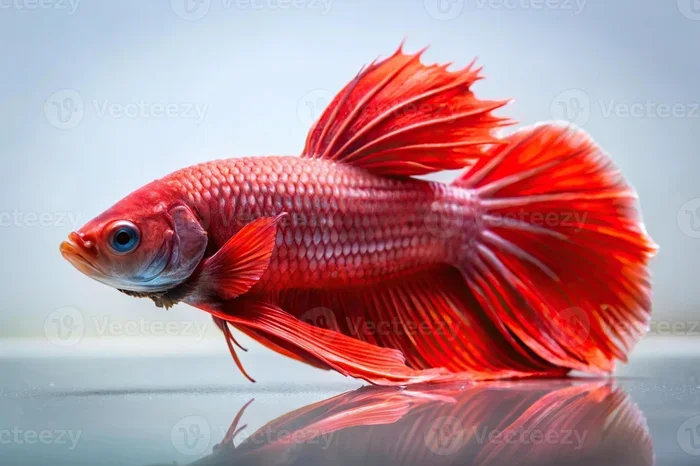
Feeding your veiltail betta fish the right amount is one of the most important parts of betta fish care. A veiltail betta needs small portions of high-quality food once or twice a day, roughly the size of its eyeball. Overfeeding is the biggest mistake most fish owners make, and it can lead to serious health problems.
Owning a veiltail betta fish is a rewarding experience. These beautiful fish with their flowing fins bring color and life to any aquarium. But one question every betta owner faces is figuring out the right amount of food. How much do you feed a veiltail betta fish? The answer is simpler than you think, but getting it wrong can cause real problems.
This guide covers everything you need to know about veiltail betta fish feeding. From portion sizes to feeding schedules, we will walk you through it all. By the end, you will feel confident about your betta fish diet and know exactly how to keep your fish healthy and happy.
Key Takeaways
- Portion size matters: Feed your veiltail betta only what it can eat in 2 minutes, about the size of its eyeball.
- Feeding frequency is key: Offer food once or twice a day for the best results.
- Variety improves health: Rotate between pellets, flakes, frozen foods, and occasional treats like peas.
- Overfeeding is the #1 danger: Excess food fouls the water and causes digestive issues in betta fish.
- Watch for hunger cues: A healthy betta shows interest in food but does not beg constantly.
- Fast days help: Skipping one feeding day per week supports digestion and prevents bloating.
📑 Table of Contents
How Much Should You Feed a Veiltail Betta Fish?
The golden rule of feeding a veiltail betta fish is simple: less is more. A veiltail betta has a small stomach, roughly the size of its eyeball. That means each feeding should be a tiny portion. You should never fill the tank with food. Instead, offer a small pinch of pellets or a few flakes and let your fish eat at its own pace.
Betta fish portion size depends on the type of food you are using. High-quality pellets tend to expand in water, so they look bigger than they are. A good starting point is 2 to 3 small pellets per feeding. If you are using flakes, a small pinch about the size of a pea works well. The goal is for your fish to finish all the food within 2 minutes.
Why Portion Control Matters for Betta Fish Health
Controlling how much you feed your betta directly impacts its betta fish health. When a veiltail betta eats too much, the extra food sits at the bottom of the tank and decays. This raises ammonia levels quickly, which can stress or even kill your fish. On the flip side, feeding too little over time leads to malnutrition and a weakened immune system.
Your betta fish digestive system is designed for small, frequent meals. In the wild, bettas eat tiny insects and larvae throughout the day. They do not gorge on large meals. Replicating this natural eating pattern at home is the best way to support healthy digestion and steady growth.
Best Foods for Your Veiltail Betta Fish
Not all fish food is created equal. The best betta fish food provides proper nutrition without fillers. Here are the top options for feeding your veiltail betta.
High-Quality Betta Pellets
Betta pellets should be the staple of your fish’s betta fish diet. Look for pellets that list fish meal or shrimp as the first ingredient. Avoid pellets with wheat flour or artificial fillers. These pellets sink slowly, which is perfect for bettas that feed near the surface or mid-water.
Some premium brands even include probiotics for better digestion. These are excellent choices for maintaining a healthy betta fish feeding routine. Soaking pellets for a few minutes before adding them to the tank can also prevent digestive bloating.
Frozen and Freeze-Dried Foods
Frozen bloodworms and brine shrimp are fantastic treats for your veiltail betta. These foods are packed with protein and mimic what bettas would eat in their natural habitat. You can also use freeze-dried options, but soak them in tank water first to prevent them from expanding inside your fish’s stomach.
Treats like these should make up no more than 10 to 15 percent of the total betta fish nutrition. Use them once or twice a week to add variety and excitement to mealtime. Too many treats can displace the balanced nutrients your fish needs from its main diet.
Flakes and Other Options
Betta flakes work well for fish that stay near the surface. They are easy to portion and break down quickly. However, flakes can lose nutritional value fast once the container is opened. Store them in a cool, dry place and use them within a few months.
Some owners also ask about feeding vegetables. How to feed a pea to a betta fish is a common question, and the answer is yes — peeled, cooked peas can help with constipation. Just remove the outer shell and offer a tiny piece. This is a great occasional remedy, not a daily food source.
How Often Should You Feed a Veiltail Betta Fish?
Betta fish feeding frequency plays a huge role in overall health. Most experts recommend feeding your veiltail betta once or twice a day. A single feeding in the morning and a smaller one in the evening works well for most fish. This schedule mirrors the natural eating patterns bettas follow in the wild.
How often you feed a betta fish can also depend on your fish’s age and activity level. Younger bettas grow quickly and may benefit from two feedings a day. Older bettas do well with just one feeding daily. Watching your fish’s behavior and body condition helps you adjust the schedule over time.
The Importance of a Consistent Feeding Schedule
Bettas thrive on routine. Feeding at the same times each day helps regulate your fish’s metabolism and reduces stress. Your betta will start anticipating mealtime, and you will notice more vibrant colors and active swimming during feeding hours.
A consistent schedule also makes it easier to monitor how much your fish eats. If your betta suddenly stops eating or eats significantly more than usual, it could signal a health issue. Catching these changes early gives you a better chance of addressing problems before they worsen.
Should You Skip Feeding Days?
Yes, skipping one feeding day per week is actually beneficial. A fasting day gives your betta’s digestive system a chance to process any remaining food and clear the gut. Many experienced fish keepers recommend fasting on Sundays or a day that fits your schedule.
Do not worry — your betta will not starve. Healthy bettas can easily go a day without food. In fact, regular fasting helps prevent bloating and constipation, two common issues that plague betta fish kept by beginners.
Common Feeding Mistakes to Avoid
Even well-meaning betta owners make feeding mistakes. Learning what to avoid will save you time, money, and heartache. Here are the most common errors people make with their betta fish care guide.
Overfeeding Your Betta Fish
The single biggest mistake is giving your betta too much food. It can be tempting to pour a large handful of pellets into the tank, especially when your fish swims to the surface eagerly. But bettas will eat almost anything you offer, even when they are full. This is not a sign of hunger — it is simply instinct.
Overfeeding leads to several serious problems. Uneaten food decays and spikes ammonia levels. A bloated belly puts pressure on internal organs. Constipation becomes a frequent issue. If you ever wonder whether you are feeding a betta fish too much, the answer is probably yes if there is leftover food after a few minutes.
Feeding the Wrong Type of Food
Not all tropical fish food works for bettas. Bettas are carnivores and need a protein-rich diet. Generic tropical flakes often contain too many plant-based fillers that a betta cannot digest properly. Stick to foods specifically formulated for bettas or other carnivorous fish.
Some people also ask whether they can feed their betta bread, crackers, or other human foods. The answer is no. These foods offer no nutritional value and can cause serious digestive problems. Keep your betta on a proper aquarium fish feeding plan designed for its species.
Ignoring Your Betta’s Appetite Signals
Every betta fish has a unique appetite. Some are voracious eaters, while others are picky or slow feeders. Paying attention to your individual fish matters more than following a rigid schedule. If your betta leaves food behind, reduce the portion size at the next feeding.
A sudden loss of appetite can also indicate illness. If your betta refuses food for more than two days, check the water parameters and look for other symptoms. Knowing your fish’s normal behavior makes it easier to spot when something is wrong.
Signs Your Veiltail Betta Fish Is Getting the Right Amount
How do you know if your betta fish portion size is correct? Your fish will show you through its behavior and appearance. Here are the signs of a well-fed veiltail betta.
- Strong, consistent appetite: Your betta gets excited at feeding time but does not frantically beg between meals.
- Bright, vibrant colors: Proper nutrition brings out the iridescent colors veiltail bettas are known for.
- Regular waste production: A healthy betta produces firm, normal-sized waste. Runny or stringy stool can signal overfeeding.
- Active swimming: A well-fed betta explores the tank and interacts with its environment.
- Healthy body shape: Your fish should have a rounded but not bloated belly. A noticeably distended belly is a warning sign.
If you notice any of these red flags, adjust your feeding routine. Reduce portions slightly and consider adding a fasting day. Small tweaks can make a big difference in your betta’s long-term health.
Final Thoughts on Feeding Your Veiltail Betta Fish
Getting the right betta fish feeding amount right is one of the most impactful things you can do for your veiltail betta. Keep portions small, maintain a consistent schedule, and choose high-quality foods. Avoid the temptation to overfeed, and do not skip on variety. A balanced betta fish diet combined with proper tank maintenance creates the foundation for a long, healthy life.
If you are new to betta keeping, start simple. Stick to a quality pellet food, feed twice a day in small amounts, and fast once a week. As you gain experience, you can introduce frozen foods and other supplements. The most important thing is to pay attention to your fish and adjust as needed.
Remember that every betta is an individual. What works perfectly for one fish might need slight adjustments for another. Patience and observation are your best tools. With the right approach to how much you feed a veiltail betta fish, your aquatic companion will thrive for years to come.
For more tips on maintaining your betta’s well-being, check out our guide on how to care for a betta fish and learn about the full spectrum of betta fish care essentials. Understanding your fish’s needs goes beyond just food — it is about creating the best possible environment for a happy, healthy pet.
Frequently Asked Questions
How much should I feed my veiltail betta fish per meal?
Feed 2 to 3 small pellets or a small pinch of flakes per meal. The food should be about the size of your betta’s eyeball. Your fish should finish everything within 2 minutes. If food remains, reduce the portion at the next feeding.
Can I feed my veiltail betta fish once a day?
Yes, feeding once a day works well for most veiltail bettas, especially adults. Some owners prefer twice-daily feedings with smaller portions. The key is consistency and not exceeding what your fish can eat in 2 minutes.
What happens if I overfeed my betta fish?
Overfeeding causes uneaten food to decay in the tank, spiking ammonia levels. It also leads to bloating, constipation, and obesity in bettas. Poor water quality from excess food can cause stress, disease, and shortened lifespan. Always remove any uneaten food after a few minutes.
How often should I give treats to my veiltail betta?
Treats like frozen bloodworms or brine shrimp should be given 1 to 2 times per week. Treats should make up no more than 10 to 15 percent of the total diet. Overdoing treats can lead to nutritional imbalances and obesity.
Is it okay to skip feeding my betta fish for a day?
Absolutely. Skipping one feeding day per week is actually beneficial for your betta’s digestive health. Healthy bettas can easily go a day without food. Fasting helps prevent bloating and gives the digestive system a chance to reset.
Can I leave food in the tank for my betta to nibble on?
No, you should not leave excess food in the tank. Uneaten food decomposes quickly and degrades water quality. Always feed only what your betta can consume within 2 minutes and remove any leftovers promptly.