How Many Gallons of Water Should a Betta Fish Have
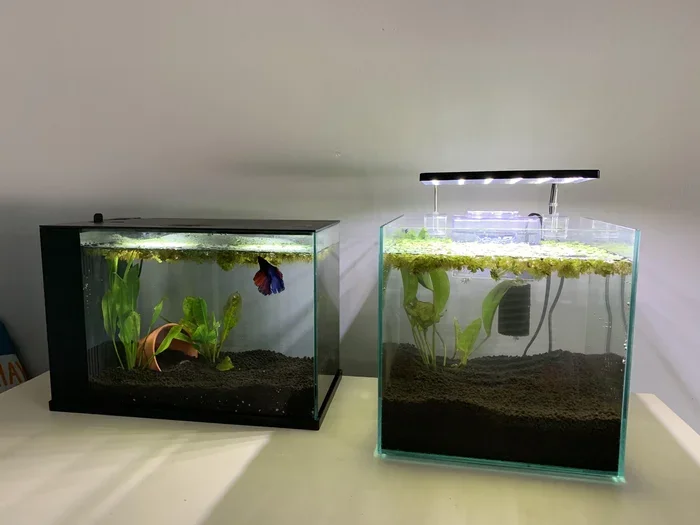
A betta fish needs at least 5 gallons of water to thrive, though many experts recommend 10 gallons or more for the best health and happiness. Small bowls and tiny tanks can shorten your betta’s lifespan and lead to serious health problems. The right water volume helps maintain stable temperature, proper filtration, and clean water conditions that your betta truly deserves.
A betta fish is not just a decorative pet you can toss into a tiny cup on a shelf. These colorful creatures are more active and intelligent than most people realize. How many gallons of water should a betta fish have is one of the most important questions any new betta owner should ask before bringing their fish home.
The answer might surprise you. Many pet stores sell bettas in small cups and bowls, which creates the false impression that bettas can live in tiny spaces. The truth is, proper water volume directly impacts your betta’s lifespan, color, energy level, and overall well-being. A well-sized tank can help your betta live 3 to 5 years or even longer, while a cramped bowl might cut that time short dramatically.
In this guide, we will walk through everything you need to know about betta fish tank size, from the minimum requirements to the ideal setup. You will learn why gallons matter, how to choose the right tank, and what equipment you need to keep your betta thriving. Whether you are a complete beginner or a seasoned fish keeper looking to upgrade, this article covers it all.
Key Takeaways
- Minimum 5 gallons: This is the absolute smallest tank size for a single betta fish to live comfortably.
- 10 gallons is ideal: A 10-gallon tank gives your betta room to swim and helps keep water parameters stable.
- Small bowls are harmful: Bowls under 5 gallons cause stress, poor water quality, and shorten your betta’s lifespan.
- Larger tanks are easier to maintain: More water volume dilutes toxins and gives you more time between water changes.
- Tank shape matters: Choose a tank with more surface area for better oxygen exchange and gas exchange.
- Pair tank size with proper equipment: A filter and heater are essential regardless of tank size.
- Consider your betta’s personality: Active bettas need more space than lazy ones to stay healthy and stimulated.
📑 Table of Contents
- Why Tank Size Matters for Betta Fish
- How Many Gallons Should a Betta Fish Have?
- Common Mistakes About Betta Tank Size
- Essential Equipment for Your Betta Tank
- How Often Should You Change Water in a Betta Tank?
- Can a Betta Fish Live in a Smaller Tank Temporarily?
- Choosing the Right Tank Shape
- How Tank Size Affects Your Betta’s Lifespan
- Quick Tips for Setting Up Your Betta Tank
- Final Thoughts on Betta Tank Size
Why Tank Size Matters for Betta Fish
Many people underestimate the importance of water volume for betta fish. A betta may look fine in a small container for a few days, but over time, the lack of space takes a serious toll. Here is why tank size is so critical for your betta’s health.
Water Quality and Toxin Buildup
Fish produce waste through urine and feces. This waste breaks down into ammonia, which is toxic to bettas. In a small tank, ammonia levels spike quickly because there is simply not enough water to dilute the toxins. In a larger tank, the waste is spread across more water, giving you a bigger buffer before dangerous levels build up.
Think of it like this. If you spill a glass of juice in a small kitchen, it covers the whole floor. But if you spill the same amount in a large room, it barely leaves a mark. The same principle applies to your betta’s tank.
Stable Temperature Control
Betta fish need warm water, typically between 76 and 82 degrees Fahrenheit. Small tanks lose heat fast, especially if they sit near a window or in a drafty room. A larger water volume holds temperature more steadily, making it easier to maintain the ideal range for your betta.
Temperature swings stress bettas and weaken their immune system. A stressed betta is much more likely to develop fin rot, ich, and other common diseases. A properly sized tank helps you avoid these problems altogether.
Swimming Space and Mental Stimulation
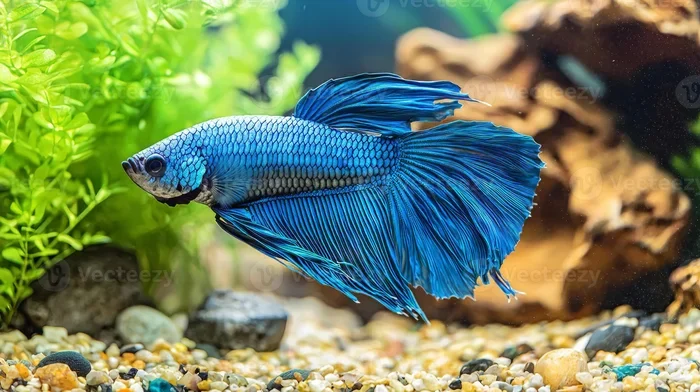
Betta fish are curious creatures. They like to explore, dart around, and claim territory. A tiny tank offers no room to swim, which can lead to boredom and depression. In a spacious aquarium for betta fish, your betta will display more vibrant colors and natural behaviors.
A happy betta is an active betta. You will notice your fish exploring every corner, building bubble nests, and showing off its flowing fins. All of this requires adequate space.
How Many Gallons Should a Betta Fish Have?
The short answer is at least 5 gallons for a single betta. But the ideal answer goes beyond minimums. Let us break down the options so you can decide what works best for your situation.
The Minimum: 5 Gallons
Five gallons is the bare minimum for keeping a single betta fish healthy. At this size, you can fit a small filter, a heater, and still leave enough swimming room. A 5-gallon tank is manageable for most beginners and does not take up too much space.
However, a 5-gallon tank requires consistent maintenance. You will need to do partial water changes at least once a week. Water parameters can shift quickly in a small volume, so regular testing is important.
The Sweet Spot: 10 Gallons
Most experienced betta keepers agree that a 10-gallon tank is the sweet spot. It gives your betta plenty of room to swim, and it is much more forgiving when it comes to water quality. Toxins take longer to build up, and temperature stays more stable.
A 10-gallon tank also opens up more options for aquascaping. You can add plants, caves, and decorations without worrying about crowding your fish. If you have the space, a 10-gallon setup is the best choice for a single betta.
Larger Tanks: 20 Gallons and Beyond
If you have room and want to go bigger, a 20-gallon tank or larger is excellent for a betta. Larger tanks are actually easier to maintain because water chemistry stays more stable. You can also keep peaceful tank mates with your betta in a 20-gallon or larger setup.
Just keep in mind that bigger tanks cost more upfront and require more equipment. But the maintenance benefits are well worth it for most fish keepers.
| Tank Size | Best For | Maintenance Level | Stability |
|---|---|---|---|
| 2.5 Gallons | Emergency or temporary housing only | Very High | Poor |
| 5 Gallons | Single betta (minimum) | Moderate | Fair |
| 10 Gallons | Single betta (ideal) | Moderate | Good |
| 20 Gallons | Single betta or betta with tank mates | Low to Moderate | Excellent |
| 40+ Gallons | Community tanks with betta | Moderate | Excellent |
Common Mistakes About Betta Tank Size
Many new betta owners make avoidable mistakes when setting up their fish tank. Here are the most common ones and how to fix them.
Buying a Bowl or Vase
The biggest mistake is buying a bowl or vase for your betta. These containers hold too little water, have no room for filtration, and are impossible to heat properly. A betta bowl is not a proper home. Even if your betta survives in a bowl, it will not thrive. A healthy betta in a proper tank lives longer and shows better color.
Following the “One Inch Per Gallon” Rule
You may have heard the old rule of thumb that says one inch of fish per gallon. This rule does not work well for bettas. A single betta needs more than one gallon per inch of its body because of its waste production and need for stable conditions. Always go by the actual gallon size recommendations, not generic fish rules.
Overcrowding the Tank
Some people think a bigger tank means they can add lots of fish. A betta is a solitary fish by nature. Adding too many tank mates can cause stress and aggression. If you want a community tank, research compatible species carefully and ensure the tank is large enough for everyone.
Essential Equipment for Your Betta Tank
No matter what size tank you choose, you need the right equipment to keep your betta healthy. How many gallons of water should a betta fish have matters a lot, but equipment matters just as much.
Filter
A filter keeps the water clean by removing debris and breaking down harmful toxins. You should use a gentle filter for your betta because strong currents stress them out. Sponge filters work great for betta tanks. They provide good biological filtration without creating too much flow.
Heater
Betta fish are tropical fish and need a consistent warm temperature. An adjustable aquarium heater set to 78 degrees Fahrenheit is ideal. Do not rely on room temperature or sunlight to heat the tank. A proper heater gives you reliable and consistent warmth.
Thermometer
A simple thermometer helps you monitor the water temperature every day. Temperature fluctuations can stress your betta and lead to illness. Digital thermometers are accurate and affordable.
Water Test Kit
A liquid water test kit is one of the most important tools for any fish keeper. It tests for ammonia, nitrite, nitrate, and pH. You should test your water regularly, especially during the first few weeks of setting up a new tank.
How Often Should You Change Water in a Betta Tank?
Water changes are essential no matter what size tank you have. The frequency depends on your tank size, filtration, and whether you keep live plants.
In a 5-gallon tank, a 25 to 30 percent water change once a week is usually sufficient. In a 10-gallon tank, you can stretch it to a weekly 20 percent change. Larger tanks need less frequent changes because the water volume dilutes waste more effectively.
Always use dechlorinated water that matches the temperature of your tank. Sudden temperature drops or chemical exposure can shock your betta. Proper water preparation is just as important as the tank size itself.
Can a Betta Fish Live in a Smaller Tank Temporarily?
Sometimes you may need to house your betta in a smaller container temporarily. Maybe you are cycling a new tank or your main aquarium needs cleaning. A temporary stay in a smaller container is fine as long as it is short term.
Never keep a betta permanently in anything under 5 gallons. If you need to use a smaller container, make sure you do frequent water changes and keep the water warm. Temporary is okay. Permanent is not.
For more information about proper betta care, check out our guide on how do I take care of a betta fish for a complete overview of daily care routines.
Choosing the Right Tank Shape
Not all tanks are created equal when it comes to shape. The shape of your tank affects surface area, which plays a big role in oxygen exchange. Bettas breathe air from the surface, so good surface area is important.
A long, wide tank gives more surface area than a tall, narrow tank of the same gallon size. This means better gas exchange and more oxygen for your betta. When choosing a tank, think about surface area in addition to volume.
Also consider the shape in relation to your betta’s swimming style. Bettas like to swim horizontally and explore the length of their tank. A wider tank gives them more room to move naturally.
How Tank Size Affects Your Betta’s Lifespan
The connection between tank size and lifespan is well documented among experienced fish keepers. Betta fish in proper tanks regularly live 4 to 5 years, and some have even reached 7 to 10 years with excellent care.
On the other hand, bettas kept in bowls or tiny containers often die within a year or two. The chronic stress, poor water quality, and temperature instability take a cumulative toll. Investing in the right gallons for betta fish is one of the best things you can do for your pet’s longevity.
If you want to learn more about how long bettas can survive in different conditions, our article on how long can a betta fish survive out of water provides fascinating insights into betta resilience and limits.
Quick Tips for Setting Up Your Betta Tank
- Start with at least 5 gallons. Do not go smaller, even if the pet store recommends it.
- Install a gentle sponge filter. Bettas hate strong currents and need calm water flow.
- Use a heater set to 78°F. Consistent warmth keeps your betta healthy and active.
- Add live or silk plants. They provide hiding spots and help maintain water quality.
- Cycle your tank before adding your betta. A fully cycled tank has beneficial bacteria that process waste naturally.
- Test water parameters weekly. Ammonia and nitrite should always read zero. Nitrate should stay below 20 ppm.
- Do regular partial water changes. This is the single most important maintenance task for any betta tank.
Final Thoughts on Betta Tank Size
Choosing the right tank size is one of the most impactful decisions you will make as a betta fish owner. The answer to how many gallons of water should a betta fish have is simple: at least 5 gallons, ideally 10 or more. Your betta deserves a home where it can swim freely, stay healthy, and show off its beautiful colors.
Skip the tiny bowls and cups. Invest in a proper tank with a filter, heater, and enough space for your betta to thrive. The extra effort pays off in a happier, healthier fish that brings you joy for years to come.
Remember that every betta is different. Some are more active and need more space, while others are content to lounge around. But no matter your betta’s personality, giving it adequate water volume is the foundation of good care. For more detailed care tips, visit our guide on how many gallons for a betta fish to explore tank sizing in even more detail.
Take what you have learned here and put it into action. Your betta will thank you with vibrant colors, energetic swimming, and a long, healthy life. A properly sized tank is the first and most important step toward being the best betta fish owner you can be.
Frequently Asked Questions
Can a betta fish live in a 3-gallon tank?
A 3-gallon tank is too small for a betta fish to thrive long-term. While a betta might survive in a 3-gallon tank for a short period, it will face stress, poor water quality, and health issues over time. Always aim for at least 5 gallons for a single betta.
What is the minimum tank size for a betta fish?
The minimum tank size for a betta fish is 5 gallons. This is the smallest volume that can support stable water parameters, proper filtration, and adequate swimming space. Anything smaller should only be used for temporary housing.
Do betta fish need a filter in their tank?
Yes, betta fish need a filter in their tank. A filter removes harmful toxins and keeps the water clean. Choose a gentle filter like a sponge filter to avoid strong currents that stress bettas. For more details, read our guide on should a betta fish have a filter.
Is a 1-gallon bowl enough for a betta fish?
No, a 1-gallon bowl is not enough for a betta fish. Such a small volume cannot maintain stable temperature or water quality. It leads to stress, illness, and a significantly shortened lifespan. A proper tank of at least 5 gallons is essential.
How often should I change water in a 5-gallon betta tank?
You should change about 25 to 30 percent of the water in a 5-gallon betta tank once a week. This helps keep ammonia and nitrate levels low. Always use dechlorinated water at the same temperature as the tank.
Can I keep a betta fish in a tank smaller than 5 gallons if I do frequent water changes?
Even with frequent water changes, a tank smaller than 5 gallons is not ideal for a betta fish. Small volumes are unstable and require constant monitoring. A 5-gallon tank provides a much safer and more stable environment for your betta’s long-term health.