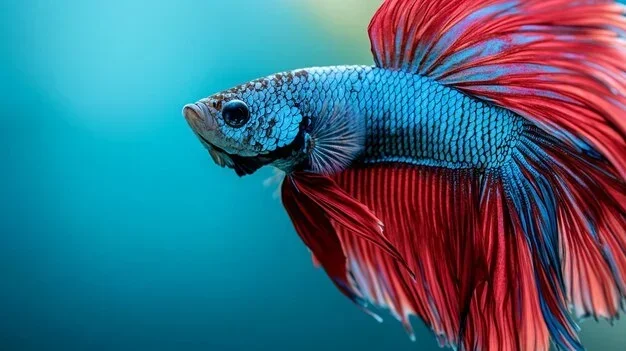
Should a Betta Fish Have a Filter
Betta fish can thrive with or without a filter, but a gentle, low‑flow system usually offers the best balance of water quality and stress‑free swimming. Choosing the right filtration method depends on tank size, décor, and your willingness to perform regular water changes.
Key Takeaways
- Filters improve water quality: They remove waste, keep ammonia low, and reduce the frequency of full water changes.
- Low‑flow is essential: Bettas prefer calm water; a strong current can stress them and damage their delicate fins.
- Tank size matters: Smaller containers benefit more from a filter, while a well‑maintained 5‑gal tank can work without one.
- Alternative methods work: Frequent water changes, live plants, and sponge filters can replace a traditional power filter.
- Regular maintenance is key: Whether you use a filter or not, cleaning the substrate and testing water parameters keep your betta healthy.
- Consider compatible tank mates: Some filters create enough flow for small, peaceful species that can share the space.
- Cost vs. effort: A simple sponge filter is cheap and low‑maintenance, making it a great starter option.
📑 Table of Contents
- Introduction: The Great Filter Debate
- How Filtration Works and Why It Matters
- Pros of Using a Filter for Your Betta
- Cons and Considerations
- Choosing the Right Filter for a Betta
- Filter‑Free Setups: Can You Go Without?
- Practical Tips for Maintaining a Healthy Betta Tank
- Conclusion: Finding the Balance That Works for You
Introduction: The Great Filter Debate
When you first bring home a betta, the question “should a betta fish have a filter?” pops up instantly. On one hand, bettas are famous for surviving in tiny, unfiltered bowls. On the other, modern hobbyists love crystal‑clear water and low maintenance. The truth lies somewhere in the middle, and this guide will walk you through every angle so you can decide what’s best for your finned friend.
We’ll cover how filters work, the types that suit bettas, alternatives for filter‑free setups, and practical tips for maintenance. By the end, you’ll feel confident whether to add a filter, which one to choose, or how to keep a bowl healthy without one.
How Filtration Works and Why It Matters
Mechanical, Chemical, and Biological Filtration
Most aquarium filters combine three processes:
Visual guide about Should a Betta Fish Have a Filter
Image source: i.etsystatic.com
- Mechanical: Traps particles like uneaten food and fish waste.
- Chemical: Removes dissolved substances using activated carbon or resin.
- Biological: Provides surface area for beneficial bacteria to convert toxic ammonia into nitrite and then nitrate.
For bettas, the biological stage is the most crucial because it keeps the nitrogen cycle stable. Even a tiny sponge filter can host enough bacteria to protect a small tank.
Flow Rate and Betta Comfort
Bettas are native to slow‑moving waters of Thailand. A strong current can make them expend extra energy and may even cause fin damage. Look for filters rated at 1‑2 gallons per hour (GPH) for a 5‑gal tank, or simply use a sponge filter that relies on surface agitation rather than forced water movement.
Pros of Using a Filter for Your Betta
Cleaner Water, Fewer Algae Blooms
A good filter continuously removes waste, which means less ammonia spikes and clearer water. Clear water also lets you spot health issues early—like faded colors or fin rot.
Visual guide about Should a Betta Fish Have a Filter
Image source: auctions.afimg.jp
Reduced Maintenance Frequency
Without a filter, you’ll need to do a 25‑30% water change every 2‑3 days. A modest filter can stretch that to weekly changes, saving time and water.
Better Environment for Live Plants
Live plants absorb nitrates and produce oxygen. A gentle filter helps circulate oxygen‑rich water, supporting plant growth and creating a more natural habitat for your betta.
Cons and Considerations
Potential Stress from Strong Currents
If the flow is too vigorous, your betta may hide constantly or develop torn fins. Always adjust the output or add a spray bar to diffuse the flow.

Visual guide about Should a Betta Fish Have a Filter
Image source: precurematome.com
Initial Cost and Space
Even a small sponge filter costs a few dollars, and larger hang‑on‑back (HOB) units need room on the tank’s rim. For very tiny bowls, a filter may simply not fit.
Cleaning the Filter Itself
Filters trap debris, so they need periodic rinsing in tank water. Neglecting this can lead to reduced efficiency or a buildup of harmful bacteria.
Choosing the Right Filter for a Betta
Sponge Filters: The Betta‑Friendly Classic
Sponge filters are the go‑to for most betta owners. They provide ample biological filtration, create only a gentle surface flow, and are inexpensive. To set one up:
- Cut a sponge to fit your tank’s opening.
- Attach an air pump with airline tubing.
- Place the sponge in the tank, ensuring the air stone is at the bottom.
Because they run on air, not electricity, they’re also a safe backup for power outages.
Hang‑On‑Back (HOB) Filters with Adjustable Flow
If you prefer a HOB unit, choose a model with a flow‑control dial. Position the output near the tank’s side and aim it upward or use a spray bar to break up the stream. A 1‑gallon‑per‑hour HOB is sufficient for a 2‑5 gal betta tank.
Internal Power Filters
These sit inside the tank, often disguised as decorations. Look for low‑flow models and keep the intake screen far from the betta’s favorite swimming area.
Filter‑Free Setups: Can You Go Without?
When a Filter Isn’t Necessary
In a well‑decorated 2‑gallon bowl with frequent water changes, a betta can live healthily without a filter. However, this requires diligent maintenance—testing water parameters at least twice a week and performing 30% water changes every other day.
Alternative Water‑Cleaning Strategies
- Live plants: Species like Java fern, Anubias, and Cryptocoryne absorb nitrates and provide hiding spots.
- Regular substrate vacuuming: Removes uneaten food and waste that settle at the bottom.
- Water conditioners: Use products that bind ammonia temporarily while you schedule the next change.
For a step‑by‑step guide on maintaining a filter‑free tank, see How To Clean A Betta Fish Tank Without A Filter.
Practical Tips for Maintaining a Healthy Betta Tank
Test Water Regularly
Invest in a liquid test kit for ammonia, nitrite, and nitrate. Ideal levels: ammonia = 0 ppm, nitrite = 0 ppm, nitrate < 20 ppm.
Schedule Consistent Water Changes
Even with a filter, change 10‑20% of the water weekly. Use a dechlorinator to neutralize chlorine and chloramines.
Choose the Right Substrate
Fine sand or smooth gravel prevents damage to delicate betta fins. Avoid sharp or rough substrates that can cause tears.
Monitor Temperature
Bettas thrive at 78‑80°F (25‑27°C). A reliable heater with an adjustable thermostat keeps the temperature stable. For more on temperature, read What Temperature Should A Betta Fish Tank Be.
Feeding Practices Influence Water Quality
Overfeeding is a common cause of cloudy water. Feed 2‑3 small bites once or twice daily, and remove any excess after 5 minutes. Learn proper portion sizes at How Much Should A Betta Fish Eat.
When to Upgrade Your Setup
If you notice constant cloudiness, frequent algae, or your betta hiding more than usual, it may be time to add a filter or increase tank size. A 5‑gallon tank is often the sweet spot for a single betta with room for plants and modest filtration.
Conclusion: Finding the Balance That Works for You
So, should a betta fish have a filter? The answer isn’t a simple yes or no. If you enjoy low‑maintenance hobbying, a gentle sponge filter is a safe, inexpensive choice that protects water quality while keeping flow calm. If you prefer a minimalist bowl, be prepared for diligent water changes, live plants, and vigilant testing.
Ultimately, the health and happiness of your betta depend on clean water, stable temperature, and a stress‑free environment. Choose the filtration method that matches your schedule, budget, and tank size, and your betta will reward you with vibrant colors and graceful fins for years to come.
Frequently Asked Questions
Do bettas need a filter to survive?
They can survive without one, but a filter makes maintaining stable water parameters much easier and reduces stress.
What type of filter is safest for a betta?
A low‑flow sponge filter or a HOB filter with adjustable flow is safest because it provides gentle water movement.
How often should I change the water if I don’t use a filter?
Change 25‑30% of the water every 2‑3 days and test parameters frequently.
Can I keep live plants with a filter?
Yes, live plants thrive with gentle filtration; they help absorb nitrates and provide natural hiding spots.
Will a filter increase my electricity bill?
Modern small filters use less than 5 watts, adding only a few cents per month to your electricity cost.
Is a filter necessary if I have a heated tank?
Heating and filtration serve different purposes; you still need a filter (or diligent water changes) to control waste, even with a heater.