How Many Days Do You Feed a Betta Fish
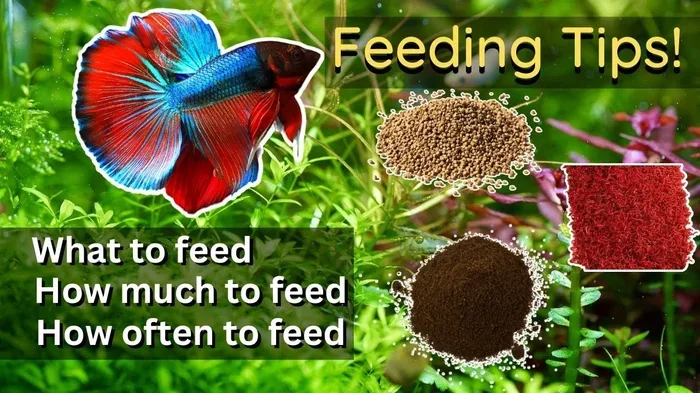
Feeding your betta fish the right way matters more than you think. Most bettas do best with one to two small meals per day, and you should follow a consistent betta fish feeding schedule to keep them healthy. This guide covers exactly how many days to feed your betta, what to serve, and the common mistakes to avoid.
So you just brought home a beautiful betta fish, or maybe you have had one for a while and want to do better. Either way, the question how many days do you feed a betta fish is one of the most important things to get right. Feeding might seem simple, but it is one of the biggest factors in your betta’s health, energy, and lifespan.
Many new fish owners make the mistake of either feeding too much or not enough. Both problems lead to serious issues. Too much food fouls the water fast. Too little food leaves your fish weak and bored. The good news is that once you understand the basics of a betta feeding schedule, everything falls into place.
This guide walks you through exactly how often to feed your betta, what to feed, and how to spot problems before they start. By the end, you will feel confident about your daily betta care routine and know exactly what your fish needs every single day.
Key Takeaways
- Feed your betta once or twice a day: Most experts recommend two small meals daily for adult bettas.
- Skip a day or fast occasionally: A fasting day once a week helps prevent bloating and constipation.
- Portion control is key: Only give your betta what it can eat in two to three minutes.
- Variety matters: Rotate between betta pellets, flakes, and occasional treats like bloodworms or brine shrimp.
- Watch for overfeeding signs: Swollen belly, lethargy, and poor water quality are red flags.
- Consistency beats quantity: A regular betta feeding routine keeps your fish stress-free and thriving.
📑 Table of Contents
- Understanding Your Betta Fish Feeding Schedule
- What to Feed Your Betta Fish Each Day
- Signs You Are Overfeeding or Underfeeding
- Creating the Perfect Weekly Feeding Routine
- Common Betta Feeding Mistakes to Avoid
- How Feeding Changes with Age and Health
- Quick Tips for a Healthy Betta Feeding Routine
- Final Thoughts
Understanding Your Betta Fish Feeding Schedule
The short answer to how many days do you feed a betta fish is almost every day. Adult bettas thrive on a routine of one to two feedings per day. This mimics their natural eating patterns in the wild, where they would forage for small meals throughout the day.
But here is the thing most guides skip. A feeding schedule is not just about how many times you drop food in the tank. It also involves what you feed, how much you give, and when you fast. Think of it like a meal plan for your fish. Just like you would not eat the same huge meal every hour, your betta needs balance and variety.
A solid betta fish feeding schedule gives your fish predictable meal times. Bettas are creatures of habit. They feel safer and more active when they know when food is coming. This reduces stress and makes your fish more colorful and lively.
How Often Should You Feed a Betta Fish?
Most experienced fish keepers agree that feeding your betta twice a day is the sweet spot. Morning and evening works great for most people. Each meal should be small, about two to three pellets or a pinch of flakes.
If you are wondering how often do you feed a betta fish, the answer really comes down to consistency. Feeding at the same times each day helps your betta develop a healthy eating routine. Your fish will start swimming to the top when it is mealtime, which is a fun thing to watch.
For those who work long hours or travel often, how many times a day to feed a betta fish can be adjusted. Some owners feed once a day with a slightly larger portion. Others use an automatic feeder to keep things consistent even when they are away. The key is to never skip more than one day without feeding an adult betta.
What to Feed Your Betta Fish Each Day
Not all fish food is created equal. Bettas are carnivorous fish, which means they need a protein-rich diet. This is very different from feeding a goldfish or a guppy. Understanding what goes into your betta’s belly makes a huge difference in their overall health.
Best Foods for Daily Feeding
Here are the top food options for your betta’s daily meals:
- Betta pellets: These are specially formulated for bettas and should be the staple of their diet. Look for high-protein pellets with minimal fillers.
- Betta flakes: A good alternative, but they dissolve faster and can make the water cloudy if uneaten flakes sit at the bottom.
- Frozen or live bloodworms: A great treat a few times a week. These are packed with protein and most bettas go crazy for them.
- Brine shrimp: Another excellent treat option that adds variety to the betta fish diet.
- Daphnia: A natural food source that also helps with digestion.
When you are setting up a betta meal plan, rotate between pellets and one or two treats per week. This keeps your fish interested in food and ensures they get a range of proper betta nutrition.
How Much Food Per Feeding?
This is where most people go wrong. A betta’s stomach is tiny, about the size of their eye. You should only give them as much food as they can finish in two to three minutes. If food sinks to the bottom and sits there, you have given too much.
How many pellets to feed a betta fish depends on the size of the pellet and the size of your fish. Generally, two to four pellets per feeding is plenty for an adult betta. Start with a smaller amount and add more only if your fish finishes it quickly.
Signs You Are Overfeeding or Underfeeding
Reading your betta’s body language tells you a lot about whether your feeding frequency is right. Both overfeeding and underfeeding show clear signs that any owner can learn to spot.
Signs of Overfeeding
- Swollen or bloated belly: This is the most obvious sign. If your betta looks like a little balloon, you are feeding too much.
- Food left uneaten: Excess food sinks and decays, which spikes ammonia levels in the tank.
- Lethargy: An overfed betta often becomes sluggish and rests at the bottom of the tank.
- Cloudy water: Poor water quality from leftover food is a direct result of overfeeding.
If you notice these signs, can you feed a betta fish too much is a real concern. Reduce portion sizes immediately and consider doing a water change to clean up the tank. Giving your betta a fasting day can also help reset their digestion.
Signs of Underfeeding
- Visible weight loss: A betta that looks thin or has a sunken belly may not be getting enough food.
- Loss of color: Underfed bettas often fade in color and look dull.
- Aggressive or frantic behavior at feeding time: Your fish may dart around the tank when you approach because it is very hungry.
- Lethargy from lack of energy: Unlike overfeeding lethargy, this comes from not enough fuel.
If you see these signs, increase the portion slightly or add an extra small feeding. Just remember that more is not always better. Make changes gradually so you do not shock your fish’s system.
Creating the Perfect Weekly Feeding Routine
A weekly routine gives your betta structure and keeps things simple for you as the owner. Here is a sample weekly betta feeding plan that works well for most fish.
| Day | Morning Feeding | Evening Feeding |
|---|---|---|
| Monday | 2-3 betta pellets | 2-3 betta pellets |
| Tuesday | 2-3 betta pellets | 2-3 betta pellets + 1 bloodworm |
| Wednesday | 2-3 betta pellets | 2-3 betta pellets |
| Thursday | 2-3 betta pellets | 2-3 betta pellets + 1 brine shrimp |
| Friday | 2-3 betta pellets | 2-3 betta pellets |
| Saturday | 2-3 betta pellets | 2-3 betta pellets + frozen daphnia |
| Sunday | Fasting Day | |
This routine gives your betta proper betta nutrition every day while incorporating treats and a rest day. The fasting day on Sunday helps your fish’s digestive system reset. It also prevents the buildup of undigested food in the tank.
Not every owner can follow a perfect table like this every week. That is totally fine. The most important thing is to stay consistent. Even a simple routine of two small meals per day with one fasting day per week will keep your betta healthy and happy for years.
Why Fasting Days Matter
Fasting might sound strange, but it is actually one of the best things you can do for your betta. In the wild, bettas do not eat every single day. They sometimes go periods without food. A weekly fasting day helps prevent constipation, reduces the risk of swim bladder disease, and gives the digestive system a break.
Some owners fast their bettas for two days at a time if they notice bloating. This is fine for short periods, but do not make it a regular habit. A single fasting day per week is more than enough for most bettas.
Common Betta Feeding Mistakes to Avoid
Even experienced fish keepers sometimes make mistakes with feeding. Here are the most common errors and how to fix them.
Mistake 1: Feeding Too Much at Once
This is the number one killer of betta fish health. A bloated betta can develop serious internal problems. Always stick to small portions and remember that it is better to underfeed slightly than to overfeed. Bettas can easily go a day without food without any harm.
Mistake 2: Using the Wrong Type of Food
Not all fish food works for bettas. Flakes designed for tropical community fish often lack the protein levels bettas need. Stick to betta-specific pellets as the base of their diet. Treats like bloodworms should supplement the main food, not replace it.
Mistake 3: Feeding at Random Times
Irregular feeding times stress your betta out. Fish thrive on predictability. Pick morning and evening times that work for your schedule and stick to them. This simple step makes a huge difference in your fish’s behavior and overall well-being.
Mistake 4: Ignoring Leftover Food
Uneaten food decays fast and tanks ammonia levels. If your betta does not finish its meal within a few minutes, remove the leftovers with a small net or siphon. Clean water is just as important as good food for your betta’s health.
How Feeding Changes with Age and Health
Your betta’s feeding needs change as they grow older or if they are dealing with health issues. Understanding these changes helps you adjust their routine accordingly.
Baby bettas, or fry, need much more frequent small feedings. They do best with four to five tiny feedings per day of finely crushed pellets or infusoria. As they grow into juveniles, you can reduce this to two to three feedings per day.
Senior bettas may eat less than they used to. This is normal. If your older betta seems uninterested in food, try warming the pellets slightly or offering a different food type. Sometimes a simple change in presentation sparks their appetite again.
If your betta is recovering from illness, proper nutrition becomes even more critical. Follow any advice from your vet or fish specialist closely. In some cases, a temporary change in feeding frequency or diet can help speed up recovery.
Quick Tips for a Healthy Betta Feeding Routine
- Feed at the same times every day to build a reliable routine.
- Soak dry pellets before feeding to prevent them from expanding in your fish’s stomach.
- Use a small container or tray to contain food and make cleanup easier.
- Watch your betta eat to make sure they are actually consuming the food.
- Remove uneaten food after five minutes to keep the water clean.
- Vary the diet weekly to prevent boredom and nutritional gaps.
- Never feed your betta human food like bread, crackers, or bread crumbs. These offer no nutritional value and can harm your fish.
Following these simple tips will set you on the path to being a great betta owner. Your fish will reward you with vibrant colors, active swimming, and a long, healthy life.
Final Thoughts
The answer to how many days do you feed a betta fish is straightforward. Feed your betta every day with one to two small meals, include a fasting day each week, and always pay attention to portion sizes. A consistent betta feeding schedule is the foundation of good betta fish care.
Remember that every betta is a little different. Some eat more, some eat less. Some prefer pellets, others love flakes. The best approach is to observe your fish, adjust as needed, and always prioritize quality over quantity. When you get the feeding routine right, everything else in your betta’s care becomes easier.
Take what you have learned here and put it into practice today. Your betta fish will thank you with a happy, healthy life by your side. And if you ever feel unsure, come back to this guide as a reminder of the basics. Feeding your betta correctly is one of the simplest yet most powerful things you can do for their well-being.
Frequently Asked Questions
How many times a day should I feed my betta fish?
Most experts recommend feeding your betta two small meals per day. Morning and evening feedings work well and help establish a consistent routine. Keep each meal small, about two to three pellets, to prevent overfeeding.
Can I feed my betta fish every other day?
Adult bettas can handle a skipped day occasionally, but daily feeding is best for their health and energy. If you need to skip a day, make sure the previous meal was small and your water quality is excellent. For more details, check out this guide on feeding a betta fish every other day.
What happens if I overfeed my betta fish?
Overfeeding leads to bloating, constipation, and poor water quality from uneaten food decay. A bloated betta may become lethargic and lose interest in swimming. To learn more about preventing this issue, visit our guide on can you feed a betta fish too much.
How do I know if my betta fish is hungry?
A hungry betta will often swim to the top of the tank and look alert when you approach. They may also become more active or even beg for food. However, do not mistake excitement for true hunger. Stick to your scheduled portions and avoid feeding extra just because your fish seems eager.
Is it okay to skip feeding my betta for a day?
Yes, skipping one day of feeding is perfectly safe for adult bettas and can even be beneficial. A weekly fasting day helps with digestion and prevents constipation. Just make sure you resume normal feeding the next day without increasing the portion size.
What is the best food for a betta fish?
High-quality betta pellets should form the base of your fish’s diet. These are specifically formulated with the protein levels bettas need. You can supplement with frozen or live treats like bloodworms and brine shrimp a few times a week for variety and extra nutrition.