Can Betta Fish Jump Out of Tanks

Betta fish can indeed jump out of tanks, especially when stressed or startled. By understanding the triggers and using simple safeguards like a lid, proper water conditions, and tank decor, you can prevent escapes and keep your betta thriving.
Key Takeaways
- Jumping is natural: Betta fish have a strong burst‑swim ability and may leap when frightened.
- Stress triggers jumps: Poor water quality, sudden temperature changes, or aggressive tank mates increase the risk.
- Lids are essential: A tight‑fitting cover stops most escapes.
- Tank setup matters: Providing hiding spots and stable conditions reduces jumping behavior.
- Quick response saves lives: Knowing how to retrieve a betta safely prevents injury.
- Regular maintenance prevents stress: Clean water and proper feeding keep your betta calm.
- Monitor behavior: Early signs of stress let you act before a jump occurs.
📑 Table of Contents
Introduction: Why the Question Matters
If you’ve ever watched a betta flare its fins, you might wonder whether that spectacular display could end with a splash—literally. Many new betta owners ask, “can betta fish jump out of tanks?” The short answer is yes, they can. The longer answer involves understanding their natural instincts, the conditions that push them toward the surface, and the simple steps you can take to keep them safe.
Betta fish, also called Siamese fighting fish, are native to shallow rice paddies and slow‑moving streams in Southeast Asia. In the wild, they often have to hop over debris or escape predators, so a quick burst of upward movement is hard‑wired into their muscles. In a home aquarium, that same ability can become a problem if the tank isn’t properly secured.
1. The Science Behind the Jump
How Betta Muscles Work
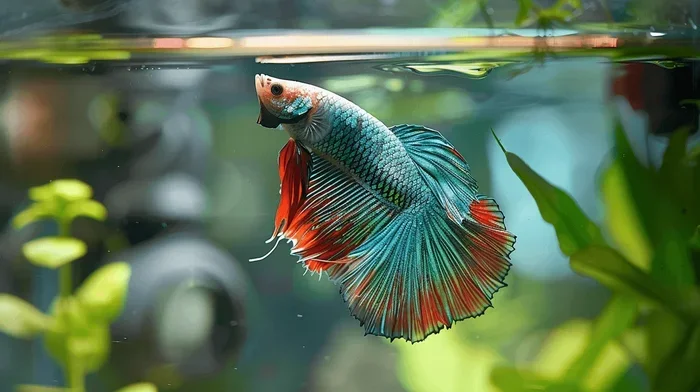
Betta fish possess a powerful caudal (tail) fin and a set of rapid‑contracting muscle fibers. When startled, they can generate a sudden thrust that propels them several inches upward—enough to clear the water line in a small bowl.

Visual guide about Can Betta Fish Jump Out of Tanks
Image source: shuomingshu.cn
Natural Triggers
In the wild, bettas jump to:
- Escape low‑oxygen pockets.
- Flee predators.
- Move between shallow pools.
At home, the same instincts fire when they sense:
- Sudden shadows or vibrations.
- Rapid temperature spikes.
- Incompatible tank mates.
2. Common Reasons Betta Fish Jump Out
Poor Water Quality
Ammonia spikes, high nitrite, or low dissolved oxygen can make a betta frantic. A quick look at your water parameters (pH 6.5‑7.5, temperature 76‑82°F) will often reveal the culprit.

Visual guide about Can Betta Fish Jump Out of Tanks
Image source: a.poki-cdn.com
Stress From Aggression
Betta males are territorial. If you keep another male, a betta, or even an overly active fin‑nipping fish nearby, the constant threat can cause a jump. For more on tank mate choices, see our guide on what other fish can live with betta fish.
Sudden Light Changes
Flashing lights, a camera flash, or a door opening too quickly can startle a betta. They may react by thrusting upward and, if the tank is uncovered, flying out.
Improper Tank Cover
Even a tiny gap in a lid gives a determined betta a chance. Many owners think a simple piece of mesh is enough, but a tight‑fitting acrylic or glass cover is best.
3. How to Prevent Jumps
Secure a Proper Lid
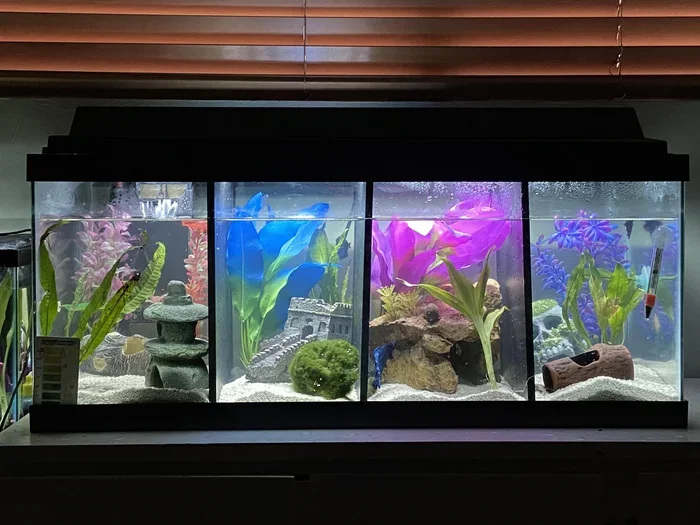
The single most effective measure is a snug lid. Look for a cover with a small overhang and no large openings. If you use a mesh screen, make sure the mesh size is less than 2 mm.

Visual guide about Can Betta Fish Jump Out of Tanks
Image source: slashfilm.com
Maintain Optimal Water Conditions
Test your water weekly with a reliable kit. Perform partial water changes (25 % every week) to keep ammonia and nitrite at zero. A gentle air stone can increase oxygen levels, reducing the urge to jump.
Provide Hiding Places
Live plants, driftwood, or smooth ceramic caves give your betta a place to retreat. When they feel safe, they’re less likely to panic and leap.
Control Tank Temperature
A stable heater set between 78°F and 80°F prevents sudden spikes. Use a thermometer on the tank wall to monitor fluctuations.
Limit Stimuli
Place the tank away from high‑traffic areas, direct sunlight, and loud appliances. If you need to clean the tank, do it slowly and keep a hand on the glass to reassure the fish.
4. What To Do If Your Betta Does Jump
Quick Retrieval Tips
1. Remain calm; frantic movements can stress the fish further.
2. Gently coax the betta with a small net or a soft cup. If it lands on a countertop, keep it moist with a damp paper towel.
3. Return it to the tank immediately, checking for injuries. If the fin looks torn, refer to our article on can betta fish fins grow back for care steps.
Assess the Situation
After a jump, ask yourself:
- Was the water quality acceptable?
- Did I have a lid?
- Were there any sudden noises?
Answering these questions helps you patch the gap that caused the escape.
5. Long‑Term Care to Keep Jumps at Bay
Routine Maintenance Schedule
Weekly: Test water, top off with conditioned water, clean algae.
Bi‑weekly: Replace 25 % of water, inspect filter media.
Monthly: Deep clean substrate, trim plants, check equipment for wear.
Feeding Practices
Overfeeding leads to excess waste, which degrades water quality. Feed 2‑3 small pellets once or twice a day, removing uneaten food after 5 minutes.
Behavior Monitoring
Spend a few minutes each day watching your betta. Signs of stress—pale colors, rapid gill movement, or frantic surface swimming—signal that you may need to adjust something.
Conclusion: A Safe Home for a Curious Jumper
Betta fish are beautiful, intelligent, and yes, capable of leaping out of their tanks. By understanding the why—stress, water quality, and environmental triggers—you can put simple safeguards in place. A tight lid, clean water, stable temperature, and plenty of hiding spots turn a potential escape artist into a calm, vibrant companion.
Remember, prevention is easier than rescue. Keep an eye on your betta’s behavior, maintain a regular maintenance routine, and you’ll enjoy a healthy fish that stays exactly where it belongs—inside its tank.
Frequently Asked Questions
Can betta fish jump out of a tank without a lid?
Yes. Without a secure cover, a startled betta can easily leap out of a small bowl or tank.
What is the most common cause of betta jumps?
Stress from poor water quality or sudden changes in temperature and light is the leading trigger.
Do all betta fish jump, or only certain types?
All bettas have the ability, but more active or nervous individuals are more likely to jump.
How high can a betta fish jump?
In a typical 5‑gallon tank, a betta can clear the water surface by 2‑3 inches, enough to clear the rim of a small bowl.
Can I use a mesh screen instead of a solid lid?
A fine mesh can work, but ensure the openings are smaller than 2 mm to prevent escape.
What should I do if my betta lands on the floor?
Keep it moist with a damp paper towel, gently lift it back into the tank, and check for injuries.