How Many Bloodworms to Feed My Betta Fish
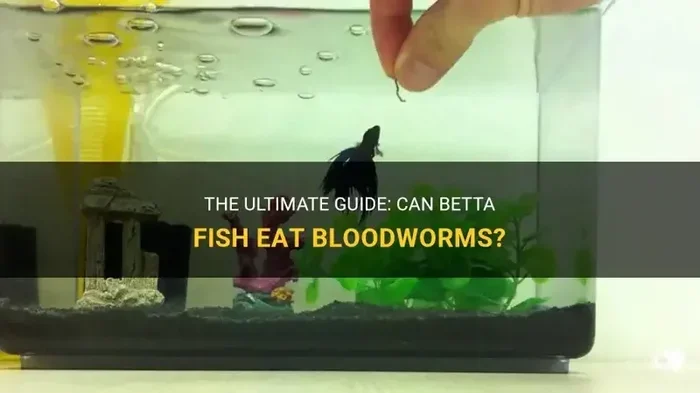
Feeding your betta fish the right amount of bloodworms is key to keeping them healthy and happy. Most experts recommend offering 2-3 bloodworms per feeding, 2-3 times per week. Overfeeding bloodworms can lead to serious health problems like constipation and swim bladder disease, so portion control matters more than you might think.
If you own a betta fish, you have probably wondered about the best way to treat your colorful companion. Bloodworms rank among the most popular treats for bettas, and for good reason. These tiny wriggling creatures are packed with protein that bettas absolutely love. But here is the big question: how many bloodworms to feed my betta fish?
The answer is not as simple as “just a handful.” Too many bloodworms can cause serious health issues. Too few, and your betta misses out on a valuable protein boost. In this guide, we will walk you through everything you need to know about feeding bloodworms to your betta fish. You will learn the right portion sizes, how often to offer them, and how to spot the warning signs of overfeeding.
Whether you are a complete beginner or a seasoned betta keeper, this guide has something for you. We will cover live bloodworms, frozen bloodworms, and everything in between. By the end, you will feel confident about your betta fish feeding routine and keep your fish thriving for years to come.
Key Takeaways
- Moderation is key: Feed 2-3 bloodworms per session, 2-3 times weekly for adult bettas.
- Bloodworms are a treat: They should supplement a balanced diet, not replace it entirely.
- Watch for overfeeding signs: Bloating, constipation, and loss of appetite indicate too many bloodworms.
- Variety matters: Rotate bloodworms with pellets, flakes, and other protein sources for complete nutrition.
- Preparation matters: Always thaw frozen bloodworms and rinse live ones before feeding.
- Frequency depends on age: Baby bettas can handle slightly more frequent bloodworm feedings than adults.
📑 Table of Contents
- How Many Bloodworms Should You Feed Your Betta Fish?
- Types of Bloodworms You Can Feed Your Betta
- How Often Should You Feed Bloodworms to Your Betta?
- Signs You Are Feeding Too Many Bloodworms
- Bloodworms as Part of a Balanced Betta Diet
- Common Mistakes People Make When Feeding Bloodworms
- Expert Tips for the Best Bloodworm Feeding Experience
- Conclusion
How Many Bloodworms Should You Feed Your Betta Fish?
The golden rule for betta fish bloodworm portions is simple: less is more. A healthy adult betta should receive 2 to 3 bloodworms per feeding session. That is it. Do not be tempted to toss in more just because your fish looks hungry. Bettas are small creatures with tiny stomachs, and their digestive systems are not built to handle large meals.
Here is a quick breakdown by fish size and age:
- Adult bettas (over 6 months): 2 to 3 bloodworms, 2 to 3 times per week.
- Young bettas (3 to 6 months): 2 bloodworms, 3 times per week.
- Baby betta fish (under 3 months): 1 to 2 tiny pieces, 2 times per week.
These numbers assume you are using standard-sized bloodworms. If you are using smaller varieties, you might be able to offer slightly more. Always observe your fish after feeding. A well-fed betta will have a rounded but not bloated belly. If the belly looks too round or tight, you have given too much.
Why Portion Control Matters So Much
Betta fish evolved to eat small amounts of food throughout the day in the wild. Their stomachs are roughly the size of their eye. This means even a few extra bloodworms can overwhelm their digestive system. Overfeeding is one of the most common causes of health problems in pet bettas, and bloodworms are a prime culprit because they are so tempting to overfeed.
When you give your betta too many bloodworms, the excess protein goes undigested. This waste breaks down in the tank and pollutes the water. Dirty water leads to stress, infections, and a weakened immune system. So controlling portions protects not just your fish’s stomach but also the overall health of your aquarium environment.
Types of Bloodworms You Can Feed Your Betta
Not all bloodworms are created equal. You have three main options, and each comes with its own benefits and drawbacks. Let us break them down so you can choose the best option for your betta fish care routine.
Live Bloodworms
Live bloodworms are the closest thing to what bettas would eat in their natural habitat. They wiggle, they move, and your betta will go absolutely crazy for them. This movement triggers their hunting instinct, which provides excellent mental stimulation. Live bloodworms are a premium treat that many betta owners swear by.
However, live bloodworms come with risks. They can carry parasites and bacteria if sourced from unreliable suppliers. Always purchase live bloodworms from reputable pet stores or trusted online vendors. You should also rinse them under clean water before dropping them into the tank. Never collect bloodworms from wild ponds or streams, as these can introduce harmful pathogens into your aquarium.
Frozen Bloodworms
Frozen bloodworms offer a great middle ground between live and dried options. They retain much of their nutritional value and are far more convenient than live worms. Most frozen bloodworms come in small cubes or sheets that you can break off and feed to your fish.
To feed frozen bloodworms, simply drop a small cube into the tank and let it thaw. Your betta will gobble it up as it softens. Frozen bloodworms are one of the safest and most popular options for betta fish food because they are typically freeze-dried or flash-frozen to kill harmful organisms.
Dried Bloodworms
Dried bloodworms are the most affordable and longest-lasting option. They come in flake or pellet form and are easy to store. The downside is that they have less moisture and some of the live protein content is reduced during the drying process. Still, dried bloodworms can be a decent occasional treat when used in moderation.
If you choose dried bloodworms, be extra careful with portion sizes. They tend to expand in water, which means a small pinch can become a large meal inside your betta’s stomach. Start with just one or two dried bloodworms and see how your fish responds.
How Often Should You Feed Bloodworms to Your Betta?
Frequency is just as important as portion size when it comes to how often to feed betta fish bloodworms. Bloodworms are a treat, not a staple food. Think of them like candy for your betta. A little bit is fun and nutritious. Too much is bad for their health.
For most adult bettas, feeding bloodworms 2 to 3 times per week is the sweet spot. This frequency gives your fish the protein boost they enjoy without overwhelming their digestive system. On non-bloodworm days, stick to high-quality betta pellets or flakes as the main course.
Creating a Weekly Feeding Schedule
Here is a simple weekly schedule you can follow:
- Monday: Betta pellets (normal portion)
- Tuesday: Bloodworms (2 to 3 worms)
- Wednesday: Betta pellets (normal portion)
- Thursday: Rest day (no feeding or very small portion)
- Friday: Bloodworms (2 to 3 worms)
- Saturday: Betta pellets (normal portion)
- Sunday: Rest day (no feeding or very small portion)
This schedule provides variety and keeps your betta interested in mealtime. It also prevents the boredom that can lead to appetite problems. If you want to learn more about building a solid feeding routine, check out our guide on how often to feed betta fish for additional tips.
Signs You Are Feeding Too Many Bloodworms
Even experienced betta owners can accidentally overfeed. Knowing the warning signs early can save your fish from serious discomfort. Here are the most common symptoms of overfeeding bloodworms:
- Bloated belly: The belly looks unnaturally round and tight, not just plump from a healthy meal.
- Constipation: Your betta has not passed waste for more than two days or the waste is stringy and pale.
- Loss of appetite: Your betta refuses food even when it is normally eager to eat.
- Lethargy: The fish sits at the bottom of the tank and shows little interest in swimming or exploring.
- Swim bladder issues: The betta floats upside down, sinks to the bottom, or struggles to maintain balance.
- Cloudy water: Uneaten bloodworms decay quickly and can cloud your tank water within hours.
If you notice any of these signs, stop feeding bloodworms immediately for at least 3 to 5 days. Offer only small portions of pellets during this recovery period. You can also try feeding a single pea (deshelled) to help relieve constipation. For more detailed information on treating digestive issues, read our article on how to cure betta fish swim bladder disease.
What to Do If You Overfed Your Betta
Accidents happen. If you realize you gave too many bloodworms, do not panic. Here is what you should do right away:
- Remove any uneaten bloodworms from the tank using a small net or turkey baster.
- Do not feed your betta for the next 24 hours. Bettas can safely go a day without food.
- Check your water parameters. Ammonia and nitrite levels can spike from decomposing food.
- Resume normal feeding with a reduced portion the following day.
Most bettas recover quickly from a single overfeeding episode. The key is to act fast and prevent the uneaten food from fouling the water.
Bloodworms as Part of a Balanced Betta Diet
Bloodworms should never be the only thing your betta eats. A healthy betta diet includes variety. Think of bloodworms as a supplement to a well-rounded betta fish nutrition plan. The foundation of your betta’s diet should be high-quality pellets or flakes specifically formulated for bettas.
These staple foods are designed to provide all the essential vitamins, minerals, and nutrients your betta needs every day. Bloodworms add extra protein and enrichment, but they lack the full nutritional profile of a complete betta diet. Relying too heavily on bloodworms can lead to nutritional gaps over time.
Other Great Treats to Rotate With Bloodworms
To keep your betta healthy and excited about mealtime, consider rotating these treats with bloodworms:
- Brine shrimp: Another protein-rich treat that bettas love. Great for conditioning breeding fish.
- Daphnia: A small crustacean that acts as a natural laxative and helps with digestion.
- Mosquito larvae: A wild-caught favorite that provides natural hunting stimulation.
- Mysis shrimp: Tiny and nutrient-dense, perfect for bettas of all ages.
For more information on what human foods are safe for bettas, check out our guide on how to feed a pea to a betta fish. Peas are an excellent source of fiber that can help prevent constipation when used alongside a varied diet.
Common Mistakes People Make When Feeding Bloodworms
Even the most well-meaning betta owners make mistakes when it comes to feeding bloodworms. Here are the most common errors and how to avoid them:
Mistake 1: Feeding Bloodworms Every Day
This is the number one mistake. Daily bloodworm feedings lead to obesity, digestive problems, and nutritional imbalances. Your betta does not need bloodworms every single day. Stick to the 2 to 3 times per week guideline and your fish will thank you.
Mistake 2: Ignoring Water Quality After Feeding
Uneaten bloodworms decompose fast and release ammonia into the water. Always remove any leftover food after 5 minutes. A small net works perfectly for this. Clean water is just as important as good food for your betta’s health.
Mistake 3: Using the Wrong Size Worms
Large bloodworms can be too big for smaller bettas, especially juveniles. Always choose appropriately sized worms or break larger ones into smaller pieces. Your betta should be able to eat the worm in one or two bites comfortably.
Mistake 4: Skipping the Thawing Step
If you use frozen bloodworms, never drop a frozen cube directly into the tank. The sudden temperature change can shock your betta. Always thaw the cube in a small cup of tank water first, then pour the contents gently into the aquarium.
Mistake 5: Not Varying the Diet Enough
Some bettas become so obsessed with bloodworms that they refuse other foods entirely. This is a dangerous habit. Always ensure your betta is eating its staple pellets or flakes alongside treats like bloodworms. A picky eater who only accepts one food type is at risk for malnutrition.
Expert Tips for the Best Bloodworm Feeding Experience
Want to take your bloodworm feeding to the next level? Here are some expert-backed tips that make a real difference:
- Feed bloodworms in the evening: Bettas are most active and have the best appetite in the late afternoon and evening. Feeding at this time ensures your betta actually eats the worms before they lose their appeal.
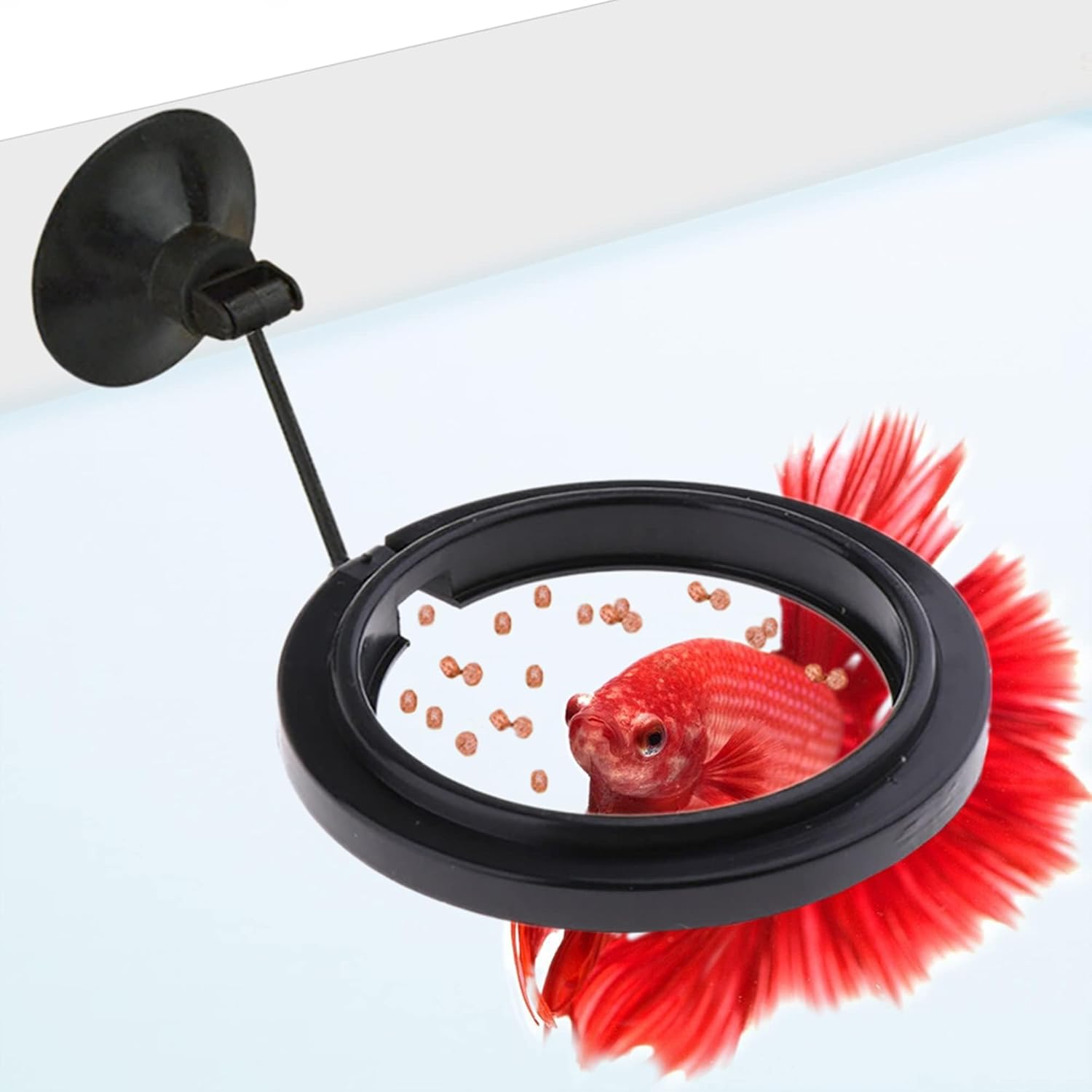
- Use a feeding ring: A small feeding ring keeps the bloodworms contained in one spot. This makes it easier for your betta to find and eat them, and it prevents them from sinking into the substrate where they can rot.
- Watch your betta’s response: Every betta is different. Some love bloodworms, while others could care less. Pay attention to your fish’s preferences and adjust accordingly. If your betta ignores bloodworms entirely, try a different treat instead.
- Pair bloodworms with a water change: The day after feeding bloodworms, consider doing a small water change (25 percent). This helps remove any excess protein and waste that could degrade water quality.
For more advice on maintaining a healthy tank environment, visit our guide on how to change betta fish water and keep your aquarium clean and safe.
Conclusion
So, how many bloodworms to feed my betta fish? The answer is clear: 2 to 3 bloodworms, 2 to 3 times per week for adult bettas. Keep portions small, frequency moderate, and always pair bloodworms with a balanced staple diet. Feeding bloodworms the right way keeps your betta healthy, happy, and full of vibrant color.
Remember that bloodworms are a treat, not a meal replacement. Variety is the cornerstone of good betta nutrition. Rotate bloodworms with pellets, flakes, and other protein-rich treats to give your fish the best possible life. Pay attention to your betta’s body language and behavior after each feeding. These small observations add up to a long, healthy life for your beloved fish.
With the tips and guidelines in this article, you are now equipped to make smart feeding decisions. Your betta deserves the best, and that starts with what goes into the tank. Keep learning, keep observing, and most importantly, enjoy the journey of being a betta fish parent.
Frequently Asked Questions
Can betta fish eat bloodworms every day?
No, betta fish should not eat bloodworms every day. Bloodworms are a high-protein treat and should only be offered 2 to 3 times per week. Daily feeding of bloodworms leads to overnutrition, digestive problems, and can cause serious health issues like constipation and swim bladder disease. Stick to a balanced diet of pellets as the staple and use bloodworms as an occasional reward.
Are frozen bloodworms as good as live bloodworms for bettas?
Frozen bloodworms are an excellent alternative to live bloodworms. They retain most of their nutritional value and are safer because the freezing process kills harmful parasites and bacteria. While live bloodworms provide the most natural hunting experience, frozen bloodworms are convenient, easy to store, and a reliable choice for most betta owners.
How do I prepare frozen bloodworms for my betta fish?
Always thaw frozen bloodworms before feeding them to your betta. Take a small cube and place it in a cup of tank water for 5 to 10 minutes until it softens. Then pour the contents gently into the aquarium. Never drop frozen cubes directly into the tank, as the sudden temperature drop can stress your fish. Remove any uneaten portions after a few minutes to keep the water clean.
Can baby betta fish eat bloodworms?
Yes, baby bettas can eat bloodworms, but in much smaller quantities. Offer just 1 to 2 tiny pieces of bloodworm, 2 times per week. Make sure the pieces are small enough for the fry to consume easily. As the baby betta grows, you can gradually increase the portion size. Always prioritize specially formulated betta fry food as the main diet.
What happens if my betta eats too many bloodworms?
Overfeeding bloodworms can cause bloating, constipation, and swim bladder problems in bettas. Excess protein also degrades water quality as uneaten worms decompose. If your betta has eaten too many, skip the next feeding and monitor for symptoms like a swollen belly or difficulty swimming. Offer a small piece of deshelled pea to help relieve digestive discomfort.
Are bloodworms good for betta fish?
Yes, bloodworms are good for betta fish when fed in moderation. They are rich in protein and provide essential nutrients that support growth, color, and overall health. However, they should only make up a small portion of the diet. A betta’s main meals should be high-quality pellets or flakes formulated for their specific nutritional needs.