How Many Bloodworms Should I Feed My Betta Fish
Feeding your betta fish the right amount of bloodworms is key to keeping them healthy and happy. Generally, you should offer 2 to 3 bloodworms per feeding, 2 to 3 times per week. Overfeeding bloodworms can lead to serious health problems, so always treat them as a supplement, not a staple meal.
If you own a betta fish, you have probably wondered about the best way to treat your colorful companion. One of the most popular questions among betta keepers is how many bloodworms should I feed my betta fish. Bloodworms are a favorite treat for bettas, but giving too many can cause real problems. In this guide, we will walk you through everything you need to know about feeding bloodworms safely and effectively.
Your betta fish needs a balanced diet to stay vibrant and active. While bloodworms are packed with protein, they should never replace a proper staple diet. Understanding the right portion size and feeding frequency will help your betta thrive. Let us dive into the details so you can keep your fish healthy and well-fed.
Key Takeaways
- Moderation is essential: Bloodworms are a treat, not a daily meal for your betta.
- 2 to 3 bloodworms per feeding is the ideal portion for an average-sized betta.
- Feed bloodworms 2 to 3 times per week to avoid overfeeding and constipation.
- Both frozen and live bloodworms work well, but always thaw frozen ones first.
- Watch for warning signs like bloating, constipation, and loss of appetite from overfeeding.
- Balance is critical: Pair bloodworms with high-quality betta pellets and varied foods.
- Always remove uneaten bloodworms from the tank to keep the water clean.
📑 Table of Contents
- How Many Bloodworms Should You Feed Your Betta Fish?
- Types of Bloodworms You Can Feed Your Betta
- How Often Should You Feed Bloodworms to Your Betta?
- Signs You Are Feeding Too Many Bloodworms
- How to Prepare Bloodworms for Your Betta Fish
- Best Feeding Practices for a Healthy Betta
- Common Mistakes to Avoid When Feeding Bloodworms
- Conclusion
How Many Bloodworms Should You Feed Your Betta Fish?
The short answer is simple. You should feed your betta 2 to 3 bloodworms per meal. This applies whether you are using frozen, live, or freeze-dried bloodworms. The key is to keep it moderate and consistent. Bettas are small fish, and their stomachs are roughly the size of their eye. That means even a small amount of food goes a long way.
Feeding more than 3 bloodworms at a time can overwhelm your betta’s digestive system. Uneaten bloodworms will also decay in the tank, which can foul the water and harm your fish. Always err on the side of caution. If you are unsure about how much food to give your betta fish, start with fewer worms and increase only if your fish finishes them quickly.
Why Portion Control Matters
Betta fish are prone to overfeeding because they are opportunistic eaters. They will eat anything you put in the tank, even if they are already full. This is where portion control becomes your best friend. Giving your betta too many bloodworms leads to a condition called bloating, which can become serious if left unchecked.
A good rule of thumb is to feed only what your betta can consume within 2 minutes. If there are leftover bloodworms floating around, you are giving too much. Remove any uneaten food immediately to maintain clean water quality in your aquarium.
Types of Bloodworms You Can Feed Your Betta
Not all bloodworms are the same, and each type has its own pros and cons. Let us look at the three main options available for betta owners.
Live Bloodworms
Live bloodworms are the most natural option. Your betta will love hunting them, and they offer great nutritional value. However, live bloodworms can carry parasites or bacteria if purchased from unreliable sources. Always buy from a trusted supplier and rinse them before adding them to the tank.
If you choose to feed your betta live food, make sure you do not overdo it. Live bloodworms can be more tempting, which means your betta may beg for more than it should eat. Stick to 2 to 3 worms per feeding to keep things safe.
Frozen Bloodworms
Frozen bloodworms are a popular choice among betta keepers. They are convenient, have a long shelf life, and are less likely to carry diseases compared to live ones. Before feeding, simply take a small portion out and let it thaw in a little tank water for a few minutes. Then drop the softened worms into the aquarium.
Frozen bloodworms are slightly less nutritious than live ones, but they still make an excellent treat. Many experienced fish keepers use frozen bloodworms as their go-to option because of the ease and safety they provide.
Freeze-Dried Bloodworms
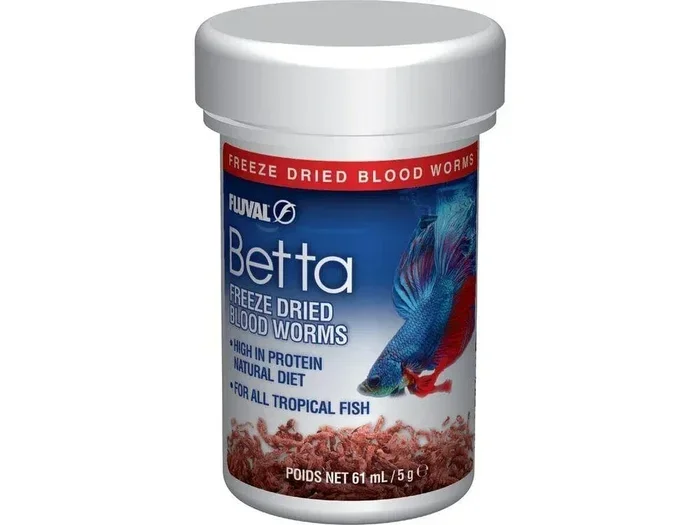
Freeze-dried bloodworms are the most convenient type. You can store them at room temperature, and they last for months. However, they tend to expand in your betta’s stomach after eating. This means they carry a higher risk of causing constipation if you feed too many.
If you use freeze-dried bloodworms, consider soaking them in tank water for a few minutes before feeding. This helps them soften and reduces the risk of digestive issues. Always limit the amount to 2 to 3 pieces per feeding session.
How Often Should You Feed Bloodworms to Your Betta?
Bloodworms should be treated as a supplement, not a main course. A healthy feeding schedule for bloodworms is 2 to 3 times per week. On other days, stick to high-quality betta pellets or flakes as the primary diet. This balance ensures your betta gets enough protein without the risks associated with too much rich food.
If you are unsure about how often you should feed your betta fish, a good baseline is to feed pellets daily and offer bloodworms as a treat on non-consecutive days. For example, you might feed bloodworms on Monday, Wednesday, and Saturday. This gives your betta variety while keeping its digestive system healthy.
A Sample Weekly Feeding Schedule
Here is a simple weekly plan you can follow for your betta fish:
- Monday: Betta pellets in the morning, 2 to 3 bloodworms in the evening
- Tuesday: Betta pellets only
- Wednesday: Betta pellets in the morning, 2 to 3 bloodworms in the evening
- Thursday: Betta pellets only
- Friday: Betta pellets in the morning, 2 to 3 bloodworms in the evening
- Saturday: Betta pellets only
- Sunday: Betta pellets only or a light day with smaller portion
This schedule gives your betta the protein boost from bloodworms without overloading its system. Feel free to adjust based on your fish’s appetite and activity level. Some bettas are more active and may need slightly more food, while others do fine on less.
Signs You Are Feeding Too Many Bloodworms
Overfeeding is one of the most common mistakes betta owners make. Knowing the warning signs can save your fish from serious health issues. Here are the most common symptoms of overfeeding bloodworms.
Bloating and Swollen Belly
If your betta’s belly looks noticeably swollen after a bloodworm feeding, you have likely given too much. A healthy betta should have a sleek, slightly rounded body. A bloated belly that does not go down within a few hours is a clear sign of digestive distress.
Constipation
Constipation is a common result of eating too many bloodworms. Watch for your betta straining in the tank or not producing waste regularly. A constipated betta may also swim erratically or stay near the bottom of the tank. If you notice these signs, skip the next bloodworm feeding and offer a small portion of pellets instead.
Uneaten Food Clouding the Tank
If you notice bloodworms sitting at the bottom of the tank long after feeding time, you are giving too many. Uneaten food decomposes quickly and releases ammonia into the water. High ammonia levels are dangerous for bettas and can lead to illness or even death. Always remove leftovers promptly.
Loss of Interest in Regular Food
When bettas get too many treats like bloodworms, they often refuse their regular pellets. This creates an unbalanced diet over time. If your betta starts ignoring its staple food, cut back on bloodworms and return to a pellet-focused diet for a while.
How to Prepare Bloodworms for Your Betta Fish
Proper preparation of bloodworms matters more than most people realize. How you handle the worms before feeding can affect your betta’s health and the water quality in the tank.
For frozen bloodworms, take a small cube from the container and place it in a little cup of tank water. Let it thaw for 3 to 5 minutes. Then use a small net or your fingers to drop the softened worms into the aquarium. Never thaw bloodworms directly in the tank, as the excess liquid can throw off water parameters.
For freeze-dried bloodworms, you can either feed them dry or soak them first. Soaking is recommended because it prevents the worms from expanding inside your betta’s stomach. Simply place a few worms in a small dish of tank water and wait until they soften before offering them to your fish.
For live bloodworms, rinse them gently under clean water before adding them to the tank. This helps remove any bacteria or contaminants. Also, never put too many live worms in the tank at once, as they can hide in the substrate and decay, which harms water quality.
Quick Tips for Preparing Bloodworms
- Always thaw frozen bloodworms in tank water, not in the tank itself
- Soak freeze-dried bloodworms to prevent stomach expansion
- Rinse live bloodworms before feeding
- Never leave uneaten worms in the tank for more than a few minutes
- Use a small feeding dish or turkey baster for precise portioning
Best Feeding Practices for a Healthy Betta
Bloodworms are just one part of a healthy betta diet. To keep your fish in top condition, follow these best practices for daily feeding and overall care.
Stick to a High-Quality Pellet Diet
The foundation of your betta’s diet should be a high-quality betta pellet. These pellets are specially formulated to meet all of your betta’s nutritional needs. Look for pellets with a protein content of at least 35 to 40 percent. Feed 2 to 3 pellets twice a day as the main meal.
If you are wondering about how many pellets to feed betta fish daily, the general guideline is 2 to 3 pellets per feeding, twice a day. Adjust based on your fish’s size and activity level. Some bettas do well on 2 pellets per meal, while larger, more active fish may need 3.
Variety Is the Spice of Life
Bettas benefit from dietary variety just like humans do. In addition to pellets and bloodworms, you can occasionally offer other treats like brine shrimp, daphnia, or chopped up large shrimp. These foods provide different nutrients and keep mealtime interesting for your betta. Just remember to keep all treats to a minimum and never exceed the recommended portions.
Watch Your Betta During Feeding
Feeding time is a great opportunity to observe your betta’s health and behavior. A healthy betta will eagerly swim up to the surface to eat. If your betta seems disinterested or is having trouble eating, it could be a sign of illness. Check out our guide on what to do if your betta fish isn’t eating for helpful tips on identifying and addressing feeding problems.
Maintain Clean Water
Overfeeding is the number one cause of poor water quality in betta tanks. Excess food breaks down and releases harmful ammonia. Always clean up uneaten food promptly and perform regular water changes. A clean tank supports a healthy immune system and keeps your betta vibrant and active.
Common Mistakes to Avoid When Feeding Bloodworms
Even experienced betta owners can make mistakes when feeding bloodworms. Here are the most common errors to watch out for.
- Feeding bloodworms every day: This leads to obesity, constipation, and poor water quality. Treat bloodworms as an occasional snack.
- Giving too many at once: More than 3 bloodworms per feeding is too much for most bettas. Stick to the recommended portion.
- Skipping pellet meals for bloodworms: Bloodworms lack the complete nutrition bettas need. Pellets should always be the main food source.
- Not thawing frozen bloodworms properly: Feeding rock-hard frozen worms can cause digestive issues. Always thaw them first.
- Ignoring uneaten food: Leftover worms decay fast and pollute the tank. Remove anything your betta does not eat within 2 minutes.
By avoiding these mistakes, you set your betta up for a long, healthy, and happy life. A well-fed betta is a beautiful betta, and the effort you put into proper feeding will pay off with vibrant colors and lively behavior.
Conclusion
Feeding bloodworms to your betta fish is a wonderful way to add variety and enrichment to their diet. The golden rule to remember is how many bloodworms should I feed my betta fish — keep it to 2 to 3 worms, 2 to 3 times per week. This moderation ensures your betta gets the protein boost it enjoys without the risks of overfeeding. Pair bloodworms with a high-quality pellet diet, maintain clean water, and always watch for signs of digestive trouble. With these simple practices, your betta will stay healthy, colorful, and full of energy for years to come.
Remember that every betta is a little different. Some may eat hungrier than others, and some may prefer certain food types over bloodworms. Pay attention to your fish’s individual needs and adjust accordingly. The most important thing is to keep feeding sessions fun, safe, and balanced. Your betta will thank you with dazzling fins and a happy personality.
Frequently Asked Questions
Can I feed bloodworms to my betta fish every day?
No, you should not feed bloodworms to your betta every day. Bloodworms are high in protein and fat, and feeding them daily can lead to overfeeding, bloating, and constipation. Treat bloodworms as an occasional supplement and stick to feeding them 2 to 3 times per week for the best results.
How many freeze-dried bloodworms can I give my betta?
You can give your betta 2 to 3 freeze-dried bloodworms per feeding. It is a good idea to soak them in tank water for a few minutes before feeding, as they can expand in your betta’s stomach and cause digestive issues if fed dry and in large amounts.
Are bloodworms good for betta fish?
Yes, bloodworms are an excellent treat for betta fish. They are rich in protein and amino acids that support healthy growth and vibrant color. However, they should only make up a small part of your betta’s overall diet, with high-quality pellets serving as the main staple.
What happens if I overfeed my betta bloodworms?
Overfeeding bloodworms can cause bloating, constipation, and loss of appetite. Uneaten bloodworms also decay in the tank, which raises ammonia levels and can make your betta sick. Always feed in small portions and remove any leftovers after a couple of minutes.
Can baby betta fish eat bloodworms?
Yes, baby betta fish can eat bloodworms, but in even smaller amounts. Cut frozen bloodworms into tiny pieces or offer just 1 to 2 small worms per feeding. Baby bettas have very small stomachs, so portion control is even more important for young fish.
Should I feed my betta live or frozen bloodworms?
Both live and frozen bloodworms are good options. Live bloodworms offer the most natural feeding experience and nutrition, while frozen bloodworms are safer and more convenient. Whichever you choose, always feed in moderation and make sure the worms come from a reputable source.