How Long Do I Let My Betta Fish Acclimate
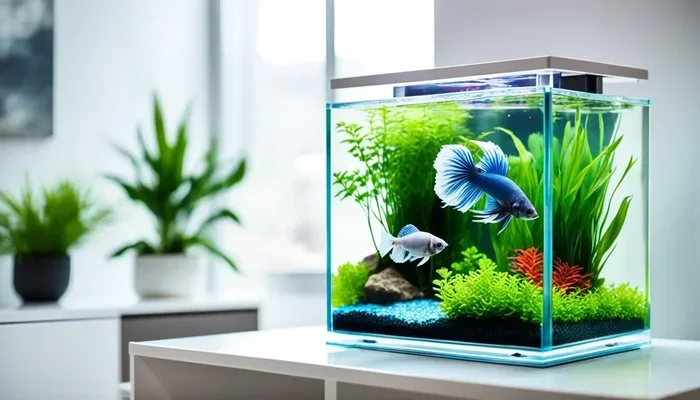
Letting your betta fish acclimate properly is one of the most important steps in fish keeping. Most experts recommend taking 15 to 30 minutes to slowly adjust your betta to new water conditions. Rushing this process can cause temperature shock, stress, and even death. In this guide, you will learn every method and timing detail for betta fish acclimation.
Key Takeaways
- 15-30 minutes is ideal: Most betta fish need at least 15 minutes of acclimation, with 30 minutes being the safest option.
- Temperature matching matters: Sudden temperature changes can cause shock, so slow adjustment is critical.
- Drip method is best: The drip acclimation method gives the most control and is recommended by experienced fish keepers.
- Float method works too: The float method is simpler but takes longer and is less precise than drip acclimation.
- Watch for stress signs: Clamped fins, rapid breathing, and hiding are signs your betta may need more time to adjust.
- Never dump bag water in: Pouring store or shipping water directly into your tank can introduce harmful chemicals and pathogens.
- Post-acclimation care counts: Monitoring your betta for 24-48 hours after acclimation ensures a smooth transition.
📑 Table of Contents
Why Acclimation Is So Important for Your Betta Fish
Bringing home a new betta fish is one of the most exciting moments for any fish keeper. Those bright colors, flowing fins, and unique personalities make bettas some of the most beloved pets in the world. But before you let your new fish swim freely in its forever home, there is a critical step you cannot skip: betta fish acclimation. So how long do I let my betta fish acclimate? The answer is more nuanced than most people think, and getting it right can mean the difference between a thriving fish and a tragic loss.
Betta fish acclimation is the process of slowly introducing your fish to the new water conditions in your aquarium. This includes matching the water temperature, pH level, and hardness between the water in the bag and your tank water. When you skip or rush this step, your betta can experience temperature shock or pH shock. Both conditions are dangerous and can be fatal within hours. Think of it this way. You would not walk from a warm room straight into freezing cold water without adjusting gradually. Your betta fish feels the same way about sudden water changes.
Every betta fish comes from a specific water environment. Whether it came from a pet store cup, a shipping bag, or a breeder’s tank, the water parameters in that container are different from your home aquarium. Tap water, for example, often contains chlorine or chloramine that is harmful to fish. Even if your water looks clean, it may not be safe without proper conditioning. Slowly blending the two water environments protects your fish from these dangers and gives it time to adjust emotionally and physically. This is why how to acclimate a betta fish is one of the most important questions every fish keeper should master.
How Long Do I Let My Betta Fish Acclimate: Methods and Timing
There are two widely used methods for betta fish acclimation. Each method has its own timeline, benefits, and level of effectiveness. Let us break down both so you can choose the best approach for your situation.
The Float Method
The float method is the simplest and most accessible approach to acclimating a betta fish. It works by gradually matching the water temperature inside the bag to the temperature of your aquarium. Here is how it works step by step:
- Seal the bag containing your betta fish and place it floating in your aquarium tank.
- Let it float undisturbed for 15 to 20 minutes. This allows the water inside the bag to slowly reach the same temperature as your tank.
- Every 5 minutes, carefully add a small cup of tank water into the bag. This helps adjust the pH and chemical balance gradually.
- After a total of 25 to 30 minutes, gently net your betta out of the bag and release it into the tank.
- Do not pour any of the bag water into your aquarium. Dispose of it properly.
The float method is great for temperature matching. It is easy, requires no special equipment, and works well in a pinch. However, it does not address pH differences or chemical changes as effectively as other methods. It is a solid option when you are short on time or do not have a drip system available.
The Drip Method
The drip method is considered the gold standard for betta fish acclimation. It slowly drips tank water into the bag or a separate container, blending the two water environments over time. Many experienced fish keepers and aquatic specialists recommend this method because it gives the most thorough and gentle results.
- Place your betta and its bag water into a clean bucket or large container.
- Set up airline tubing connected to your aquarium. Use a loose knot or adjustable valve to control the drip rate.
- Aim for a slow drip rate of about 2 to 4 drops per second.
- Continue dripping for 30 to 45 minutes or until the volume in the container has roughly doubled.
- Net your betta into the tank and discard the container water.
The drip method handles both temperature and pH balance gently and evenly. It is slower than the float method but far safer for sensitive fish. If you want the absolute best outcome for your betta, this is the method to use. For a detailed walkthrough, check our guide on how long to acclimate betta fish.
Comparison Table: Float Method vs. Drip Method
| Feature | Float Method | Drip Method |
|---|---|---|
| Time Required | 15 to 30 minutes | 30 to 45 minutes |
| Temperature Adjustment | Good | Excellent |
| pH Adjustment | Limited | Excellent |
| Equipment Needed | None | Airline tubing, bucket |
| Best For | Quick acclimation | Sensitive or sick fish |
| Overall Safety Rating | Moderate | High |
Step-by-Step Guide to Acclimating Your Betta Fish
Follow this complete walkthrough to ensure your new betta fish care starts on the right foot. These steps cover everything from preparation to post-acclimation monitoring.
Before You Start
Preparation is key. Make sure your aquarium is fully cycled and stable before bringing home your betta. Test your water parameters including ammonia, nitrite, nitrate, pH, and temperature. Everything should be within safe ranges. Have your supplies ready: a clean bucket, a soft mesh net, airline tubing for the drip method, and a timer. Never rush into acclimation without everything prepared.
The Acclimation Process
- Float the bag. Place the sealed bag with your betta into the aquarium. Let it float for 15 to 20 minutes to equalize temperature.
- Adjust chemicals. Use the drip method or add small amounts of tank water into the bag every 5 minutes. This slowly adjusts pH and dilutes harmful substances in the bag water.
- Observe your fish. Watch for stress signs during this process. Calm behavior with steady breathing is a good sign. If your betta shows distress, slow down or pause the process.
- Transfer your betta. After 25 to 45 minutes total, gently net your betta out and release it into the tank. Never pour bag water into your aquarium.
- Monitor closely. Watch your betta for the next 24 to 48 hours. Check eating habits, swimming behavior, and color vibrancy.
Factors That Affect Acclimation Time
Not every betta fish acclimation time is the same. Several factors change how long your fish needs to adjust comfortably:
- Water temperature difference: A large gap between bag water and tank water means more floating time. If the difference is over 10°F, take extra care to float longer.
- pH and hardness differences: Large swings in these parameters require longer drip acclimation. The slower the blending, the safer for your fish.
- Your betta’s health: A sick, weak, or injured betta handles stress poorly. Give it extra time and gentleness. If you are unsure about your fish’s condition, learn how to tell if your betta fish is sick before starting the acclimation process.
- Source of your betta: Fish from pet stores often live in small cups with unstable water. Shipping bettas experience additional stress from transit. Both situations may require longer acclimation than expected.
Common Mistakes to Avoid During Betta Fish Acclimation
Even experienced fish keepers sometimes make mistakes when figuring out how long to let betta fish acclimate. Here are the most common errors and how to avoid them.
Dumping Bag Water Directly Into the Tank
This is the number one mistake new fish keepers make. The water in the bag likely contains ammonia, waste products, and possibly harmful bacteria or pathogens. Pouring it into your clean tank pollutes your water and puts all fish at risk. Always use a net to transfer your betta only. Dispose of the bag water down the drain. This simple rule alone prevents countless problems. If you are ever unsure about water safety, remember to use a betta fish tank cleaning guide to keep your aquarium in top condition after adding new fish.
Rushing the Entire Process
Some people think 5 minutes is enough. It is not. Your betta needs at least 15 minutes of floating time, and longer for proper chemical adjustment. Speed does not save time. It costs you a healthy fish. Sudden changes in betta fish water temperature and pH cause shock that weakens the immune system. A stressed betta becomes vulnerable to diseases like ich, fin rot, and velvet. Always take your time and follow the full process.
Ignoring Temperature Differences
If your room is cold or your heater has been off, the water in the bag might be much cooler than your tank. Adding a cold betta directly to warm water causes thermal shock. Always check the temperature with a thermometer before starting acclimation. If there is a large difference, extend the floating time significantly. A gradual temperature change is always safer than a sudden one.
Skipping Quarantine After Acclimation
After acclimation, your betta should ideally go into a quarantine tank. This separate, small tank lets you monitor your fish for disease without risking your main aquarium. If your betta shows signs of illness during quarantine, you can treat it safely. For more information on post-treatment care, see this helpful resource on how long to quarantine your betta fish after treatment. Even if your fish appears healthy, a 2 to 4 week quarantine period is strongly recommended by most aquatic professionals.
Forgetting Water Conditioning
Always treat your tap water with a water conditioner or dechlorinator before adding it to the aquarium. Chlorine and chloramine in tap water can burn your betta’s gills and skin. Even if your water utility claims to remove these chemicals, a conditioner adds an extra layer of protection. This is especially important during the acclimation process when your fish is already under stress from the transition.
Post-Acclimation Care for Your Betta Fish
Once the acclimation is complete, your work is not over. The first 48 hours after introduction are critical for your betta’s long-term health and happiness. Proper post-acclimation care ensures a smooth transition and helps your fish settle into its new environment with confidence.
Feeding Your Betta After Acclimation
Wait at least 12 to 24 hours before offering your betta its first meal in the new tank. A stressed fish will often refuse food, and forcing it to eat can cause digestive problems. When you do start feeding, offer a very small amount of high-quality food. Betta pellets, frozen bloodworms, or freeze-dried brine shrimp are all excellent choices. Remove any uneaten food within a few minutes to prevent ammonia spikes and water quality issues.
Overfeeding is another common mistake that new betta owners make. A good rule is to feed only what your betta can consume in 2 to 3 minutes, once or twice daily. If you are planning to be away from home, learn how to feed your betta fish on vacation so you can plan ahead and avoid overfeeding when you return.
Tank Setup and Environment
A well-planned tank environment helps your betta feel safe and comfortable. Bettas love floating plants, gentle caves, and calm water. Avoid strong filters that create heavy current, as bettas are not strong swimmers and can become exhausted. Add silk or live plants for hiding spots. A heater is essential to maintain stable betta fish water temperature between 76°F and 82°F. A well-decorated tank not only looks beautiful but also gives your betta the security it needs to thrive.
Monitoring Health Daily
Check your betta every day for the first week after acclimation. Look at fin condition, body color, eye clarity, and swimming behavior. Keep a simple log of feeding times, water changes, and any unusual observations. Early detection of problems leads to faster treatment and better outcomes. Regular betta fish tank cleaning and water changes also play a big role in maintaining a healthy environment. Follow a proper cleaning schedule to keep ammonia and nitrite levels at zero.
For more information on general betta care, visit our complete care guide on how to take care of a betta fish.
Expert Insights and Final Thoughts
Experienced fish keepers and aquatic health specialists all agree on one core principle: slow and steady wins the race when it comes to acclimation process for fish. Dr. Linda Brown, an aquatic animal health specialist, notes that “most betta deaths in the first week are caused by improper acclimation, not disease.” This powerful statement highlights just how critical the acclimation process truly is. Taking 30 minutes to properly introduce your fish can save its life.
Another professional tip is to always test your tap water before adding it to your tank. Chlorine, chloramine, and heavy metals can be present even if your water looks perfectly clear. Use a water conditioning product every time you perform water changes. This simple step protects both your new betta and any existing fish in your aquarium. Investing in a quality water test kit is also highly recommended. Knowing your parameters gives you power to respond quickly to any changes.
Many experts also recommend keeping a logbook for your aquarium. Write down water parameters, feeding times, acclimation details, and any unusual behavior. This record helps you spot patterns and problems early. It also helps you improve your care routine over time. The more you understand about your betta’s needs, the better you can serve it.
To wrap up this guide on how long do I let my betta fish acclimate, remember these essential points. The float method takes about 15 to 20 minutes for temperature adjustment. The drip method works best over 30 to 45 minutes for full parameter blending. Both methods aim to safely bridge the gap between your betta’s old water and its new home. Always watch your fish for signs of stress, never pour bag water into your tank, and give your betta a calm, stable environment after acclimation is complete.
Betta fish acclimation is not just a formality or a suggestion. It is a life-saving process that prevents shock, stress, and disease. Take your time, follow the steps in this guide, and your betta will have the best possible start in its new home. Apply what you learned today, and enjoy watching your beautiful betta thrive for years to come.
Frequently Asked Questions
How long should I let my betta fish acclimate in the bag?
You should float the sealed bag in your tank for at least 15 to 20 minutes. This allows the water temperature inside the bag to slowly match your tank water. After floating, use the drip method or add small amounts of tank water to the bag for another 10 to 15 minutes. Total betta fish acclimation time should be around 25 to 30 minutes for best results.
Can I acclimate my betta fish in less than 15 minutes?
You can, but it is risky. A shorter acclimation time increases the chance of temperature shock and pH stress. Your betta may survive, but it could develop health problems later. Always aim for at least 15 minutes of floating and additional time for chemical adjustment. Patience leads to a healthier, longer-lived fish.
What is the best acclimation method for betta fish?
The drip method is widely considered the best for how to acclimate a betta fish. It slowly drips tank water into the bag, blending temperature and pH gradually. The float method works too, but it mainly addresses temperature. The drip method handles all water parameters more evenly. For detailed instructions, check our guide on how long to acclimate betta fish.
How do I know if my betta fish is ready to be released into the tank?
Your betta is ready when it shows calm, normal behavior during acclimation. Look for steady breathing, relaxed fins, and normal swimming. If the fish is clamped, breathing rapidly, or acting erratically, give it more time. Also make sure the water in the bag closely matches your tank betta fish water temperature before netting your betta out.
Should I add the bag water to my tank when acclimating my betta?
No, never pour the bag water into your aquarium. The bag water likely contains waste, ammonia, and possibly harmful pathogens. Use a net to gently transfer your betta into the tank. Discard the bag water properly. This keeps your tank water clean and protects all fish. If you need help maintaining clean water after adding new fish, refer to a betta fish tank cleaning guide.
How long after acclimation should I feed my betta fish?
Wait at least 12 to 24 hours after acclimation before feeding your betta. A newly adjusted fish is still stressed and may not eat right away. When you do feed, offer a small amount of high-quality food. Remove any leftover food after a few minutes. For detailed feeding schedules, read our article on how much to feed a betta fish.
=== URL SLUG ===
how-long-to-let-betta-fish-acclimate
=== SEO TITLE ===
How Long Do I Let My Betta Fish Acclimate? Complete Guide
=== META TITLE ===
How Long Do I Let My Betta Fish Acclimate? Best Methods Explained