How Do I Know My Betta Fish Is Hungry
Knowing when your betta fish is hungry is easier than you think. Watch for behaviors like swimming near the top of the tank, begging for food, and searching the substrate. A proper betta fish feeding routine keeps your fish healthy and prevents overfeeding problems.
Your betta fish stares at you through the glass. It swims to the top of the tank every time you walk by. You wonder, how do I know my betta fish is hungry? It is a question every betta owner asks at some point. Figuring out your fish’s hunger cues is one of the most important parts of betta fish care. This guide breaks it all down in simple, easy-to-follow steps.
Betta fish are not subtle about their feelings. Unlike some pets that hide when they are unwell, bettas tend to show their emotions clearly. Whether it is through begging behavior, changes in activity level, or searching the tank floor, your betta will tell you what it needs. The key is learning to read those signals correctly. Once you do, feeding time becomes much easier and more enjoyable for both of you.
Understanding your betta’s hunger patterns also helps you avoid common mistakes. Many new fish owners overfeed their bettas. This can lead to bloating, dirty water, and serious health issues. On the flip side, underfeeding can leave your fish weak and stressed. Finding the right balance starts with knowing the signs of a hungry betta. Let us dive into the details.
Key Takeaways
- Watch for begging behavior: Betta fish often swim to the top and flare their fins when they are hungry.
- Look for physical signs: A hungry betta may become more active and alert around feeding time.
- Stick to a feeding schedule: Feeding your betta 2 times a day in small amounts is the gold standard.
- Avoid overfeeding: Too much food can cause serious health and water quality problems in your tank.
- Understand appetite changes: Factors like temperature, age, and health can affect how much your betta eats.
- Know when to worry: If your betta refuses food for several days, check for illness or stress.
📑 Table of Contents
Common Signs Your Betta Fish Is Hungry
Bettas communicate their hunger in several ways. Some signs are obvious, while others are more subtle. Learning to spot these cues early makes all the difference. Here are the most common hunger signs to watch for.
Swimming to the Top of the Tank
This is the number one hunger signal in betta fish. When your betta swims near the surface and waits near the area where you feed, it is sending a clear message. Bettas naturally associate the top of the tank with food. If your fish is consistently hovering near the top, it is likely ready to eat.
Begging and Flaring
Bettas are dramatic fish. They love attention, and food is their favorite motivator. You may notice your betta flaring its fins or doing little dances near the glass. This betta fish behavior is their way of saying, “Hey, I am ready to eat!” Some bettas even follow your finger around the tank when they are hungry.
Searching the Substrate
A hungry betta will sift through the gravel or substrate at the bottom of the tank. They look for any leftover food particles or tiny organisms. If your fish is spending more time than usual digging around the floor, it might be telling you it is time for a meal.
Increased Activity and Alertness
Betta fish are naturally curious. But a hungry betta becomes extra alert and active. You may notice your fish swimming faster and exploring more of the tank. This burst of energy often happens around the time you usually feed. It is their internal clock telling them it is mealtime.
Lip Smacking and Mouth Movements
Some bettas make visible mouth movements when they are hungry. You might see them lip-smacking or opening and closing their mouths. This is a subtle sign, but it is a clear one. If you catch your betta doing this, it is time to check their feeding schedule.
Understanding Your Betta Fish Feeding Schedule
Now that you know the signs, let us talk about how often you should feed your betta. A consistent feeding schedule is the foundation of good betta health. Bettas thrive on routine. When you feed them at the same times each day, they learn to expect it. This reduces stress and helps them stay healthy.
How Often Should You Feed a Betta Fish?
The general rule is to feed your betta two times a day. Morning and evening work best. Each meal should be small, about the size of your betta’s eye. This might seem like very little, but bettas have tiny stomachs. Their stomach is roughly the same size as their eye, which surprises many new owners.
If you want a more detailed guide on how often do I feed my betta fish, you can check out our full feeding schedule article. It covers frequency, portion sizes, and timing in great detail.
How Much Should You Feed a Betta Fish?
Portion control is critical. Overfeeding is one of the biggest dangers for betta fish. A bloated betta can suffer from swim bladder disease and other serious conditions. As a rule of thumb, offer only what your betta can eat in two minutes. If there is leftover food after that time, remove it from the tank immediately.
For more specific guidance on portions, you can read our article on how much do I feed a betta fish. It explains the right amount for different ages and sizes of bettas.
What Type of Food Should You Feed?
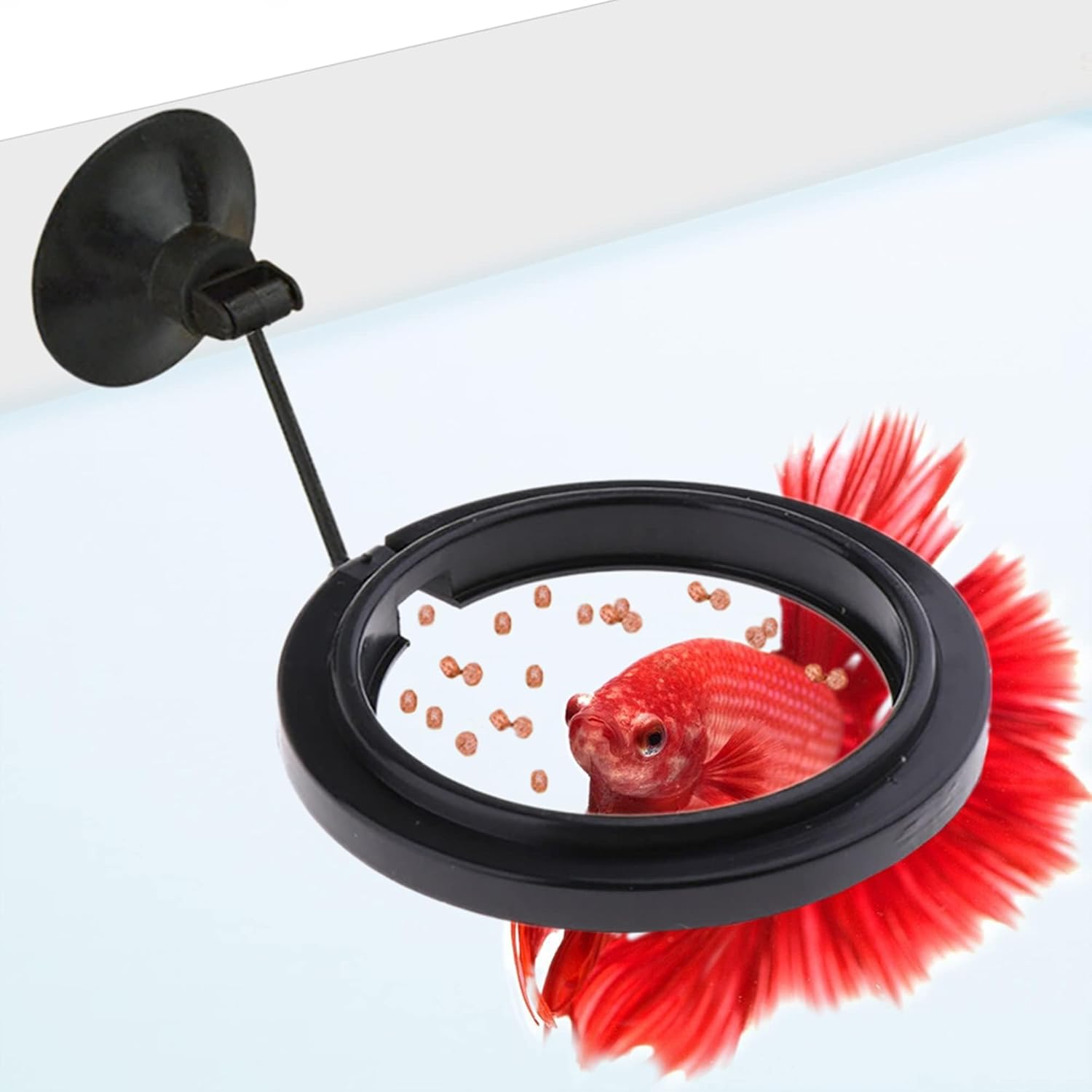
Betta fish are carnivores. They need a protein-rich diet to stay healthy. High-quality betta pellets should be the staple of their diet. You can also offer frozen or live foods like brine shrimp and bloodworms as treats. These foods mimic what bettas eat in the wild and keep them excited at mealtime.
Avoid feeding your betta tropical flakes meant for other fish. These lack the protein bettas need and can cause digestive issues. Always choose food specifically formulated for bettas.
Why Is My Betta Fish Always Hungry?
You may have noticed that your betta never seems full. It keeps begging even after you have fed it. This is normal betta behavior. In the wild, bettas eat whenever food is available because they never know when their next meal will come. This instinct carries over into captivity.
However, constant begging does not always mean your fish is actually hungry. Bettas are smart. They quickly learn that swimming to the top and flaring brings food. Even when their stomach is full, they may still act hungry. This is why it is so important to stick to a strict feeding schedule and not give in to every begging episode.
If you want to understand more about why your betta acts this way, our article on why is my betta fish so hungry covers this topic in depth.
The Psychology of Begging in Betta Fish
Bettas are intelligent creatures. They can recognize their owners and even learn simple routines. When your betta begs, it is partly instinct and partly learned behavior. Every time you approach the tank, your fish associates your presence with food. Over time, this creates a feedback loop. Your betta begs, you feed it, and it begs even more next time.
The best way to break this cycle is to stay consistent. Feed at set times and do not give extra snacks outside of the schedule. Your betta will adjust within a week or two. You will notice the begging decreases as your fish learns the routine.
What Happens When You Overfeed Your Betta Fish?
Overfeeding is more dangerous than most people realize. It is one of the leading causes of health problems in captive bettas. Understanding the risks can help you feed your fish more responsibly.
Water Quality Problems
Uneaten food sinks to the bottom of the tank and starts to decompose. This releases ammonia and nitrites into the water. These toxins are deadly to bettas, even in small amounts. Dirty water stresses your fish and makes it more susceptible to disease.
Digestive Issues and Bloating
A betta’s digestive system is not designed to handle large amounts of food. When you overfeed, the food expands inside the stomach. This causes bloating, constipation, and in severe cases, swim bladder disease. A bloated betta may float sideways or struggle to stay upright.
If your betta is not eating and you suspect overfeeding is the cause, our article on what should I do if my betta fish isn’t eating offers helpful solutions and steps to take.
Fatty Liver Disease
Long-term overfeeding can lead to fatty liver disease in bettas. This condition develops slowly and is often fatal. It happens when excess fat builds up in the liver. The best prevention is a proper feeding routine and appropriate portion sizes.
How to Tell If Your Betta Fish Is Full
Just as important as recognizing hunger is recognizing fullness. A full betta will stop eating and lose interest in food. They may turn away from pellets or spit them out. Some bettas will hide or rest near the bottom of the tank after eating. This is completely normal and shows your fish is satisfied.
You should also watch for a rounded belly. A healthy betta has a slightly rounded belly, but it should not look swollen or distended. If the belly is very round and tight, your fish may be overfed. Adjust the portion size for the next meal.
Quick Tips for Feeding Your Betta Fish
- Feed small amounts twice a day. This mimics natural eating patterns and prevents overfeeding.
- Soak pellets before feeding. Dry pellets can expand in your betta’s stomach and cause bloating.
- Remove uneaten food after two minutes. This keeps the tank clean and water quality high.
- Offer variety. Rotate between pellets, frozen foods, and live treats for balanced nutrition.
- Feed at the same times every day. Routine reduces stress and helps your betta stay healthy.
- Do not skip days. Unlike some fish, bettas do not need fasting days. They do well with daily feeding in proper portions.
When Hunger Signals Mean Something Else
Sometimes, what looks like hunger is actually a sign of something more serious. It is important to know the difference between normal hunger behavior and signs of illness or stress.
Hunger vs. Illness
If your betta is begging for food but refuses to eat when you offer it, something may be wrong. Loss of appetite is one of the first signs of sickness in bettas. Other symptoms to watch for include clamped fins, lethargy, faded colors, and unusual swimming patterns. If you notice these signs along with hunger behavior, it is time to investigate further.
Our article on how do I know if my betta fish is sick can help you identify illness early and take action before it gets worse.
Stress and Appetite Changes
Stress can dramatically affect your betta’s eating habits. Changes in water temperature, tank mates, or tank decorations can all cause stress. A stressed betta may eat less or refuse food entirely. If you have recently changed anything in your tank setup, consider whether stress might be the cause of the appetite change.
Maintaining stable water parameters is key to keeping your betta healthy and eating well. Test your water regularly and keep the temperature between 76 and 82 degrees Fahrenheit. A comfortable betta is a happy and healthy eater.
Key Takeaways
- Watch for begging behavior: Betta fish often swim to the top and flare their fins when they are hungry.
- Look for physical signs: A hungry betta may become more active and alert around feeding time.
- Stick to a feeding schedule: Feeding your betta 2 times a day in small amounts is the gold standard.
- Avoid overfeeding: Too much food can cause serious health and water quality problems in your tank.
- Understand appetite changes: Factors like temperature, age, and health can affect how much your betta eats.
- Know when to worry: If your betta refuses food for several days, check for illness or stress.
Conclusion
Knowing how do I know my betta fish is hungry comes down to observing your fish and learning its unique behaviors. Every betta is different, but most share common hunger cues like swimming to the top, begging, and increased activity. By paying attention to these signals and following a consistent feeding routine, you will keep your betta healthy and happy for years to come.
Remember, less is more when it comes to feeding bettas. Small portions twice a day are all your fish needs. Avoid the temptation to overfeed, even when those big cute eyes are staring up at you. Your betta will thank you with vibrant colors, energetic swimming, and a long, healthy life.
If you are ever unsure about your betta’s appetite or behavior, trust your instincts. You know your fish better than anyone. Combine that knowledge with the tips in this guide, and you will be well on your way to mastering the art of betta feeding. For more comprehensive betta care tips, check out our guide on how do I take care of a betta fish for everything you need to know.
Frequently Asked Questions
How can I tell if my betta fish is hungry or just begging?
Bettas learn to beg even when they are full. The best way to tell the difference is by sticking to a strict feeding schedule. If it is not feeding time and your betta is begging, it is likely just learned behavior. Offer a small portion and see if your fish actually eats it. If the food is ignored, your betta is probably just begging for attention.
How often should I feed my betta fish to keep it healthy?
Feeding your betta two times a day is the recommended schedule. Offer a small amount, roughly the size of its eye, at each feeding. Consistency is key. Feeding at the same times every day helps your betta feel secure and maintains a healthy appetite.
Can I feed my betta fish once a day instead of twice?
While twice a day is ideal, once a day can work if you offer a slightly larger portion. Some experienced betta owners feed once daily with great results. However, splitting the food into two smaller meals is better for digestion and mimics natural eating patterns more closely.
What should I do if my betta fish refuses to eat?
First, check the water temperature and quality. Bettas are less likely to eat in cold or dirty water. If the water parameters are fine, your betta may be stressed or sick. If your fish refuses food for more than three days, look for other signs of illness and consider consulting a fish vet.
Is it normal for my betta fish to always seem hungry?
Yes, it is completely normal. Betta fish have evolved to eat whenever food is available in the wild. This survival instinct means they will always act hungry, even after eating a full meal. The key is to not give in to every begging episode and stick to your feeding schedule.
Can overfeeding kill a betta fish?
Yes, overfeeding can be fatal. It leads to bloating, swim bladder disease, and poor water quality. Uneaten food decays in the tank and releases toxic ammonia. A consistent feeding routine with proper portion sizes is the best way to keep your betta safe from the dangers of overfeeding.