When to Euthanize a Betta Fish
Deciding when to euthanize a betta fish is one of the hardest responsibilities of a pet owner. It’s a final act of love to prevent prolonged suffering when quality of life has irreversibly declined. Key indicators include chronic pain, inability to eat or breathe normally, and loss of natural behaviors. Always prioritize the most humane methods, like clove oil sedation, and seek veterinary guidance if possible to ensure your betta’s passing is peaceful and dignified.
Key Takeaways
- Quality of life is the ultimate guide: Your betta’s daily comfort, ability to engage in natural behaviors, and freedom from pain are more important than simply keeping them alive.
- Watch for specific, persistent signs of suffering: Chronic lethargy, inability to eat, constant gasping at the surface, severe physical deformities, or unresponsive behavior are major red flags.
- Humane euthanasia is a kindness, not a failure: Choosing a peaceful end is a final, responsible act of care when recovery is impossible and suffering is inevitable.
- Clove oil is the most recommended at-home method: It acts as a sedative and anesthetic, allowing for a calm, painless passing when used correctly and with adequate dosage.
- Never use inhumane methods like flushing or suffocation: These cause extreme stress and pain. The goal is always a quick, painless, and stress-free transition.
- Consult a veterinarian whenever possible: An aquatic vet can confirm prognosis, advise on humane methods, and may even perform the procedure, providing the most professional and compassionate option.
- Allow yourself to grieve: This is a significant loss. Acknowledge your feelings, honor your betta’s life, and understand that your decision came from a place of deep love and responsibility.
📑 Table of Contents
- Understanding the Responsibility: Love’s Final Act
- Recognizing Irreversible Suffering: Key Signs It’s Time
- Humane Euthanasia Methods: What Works and What Doesn’t
- Making the Decision: A Practical Framework
- Aftercare and Grieving: Honoring Your Companion
- Prevention: The Best Way to Avoid This Decision
- Conclusion: An Act of Ultimate Compassion
Understanding the Responsibility: Love’s Final Act
As betta fish owners, we pour our hearts into their care. We research the perfect tank setup, the finest foods, and the most stimulating environments. We watch them flare at their reflection, build bubble nests, and gracefully navigate their aquatic world. This bond is real. So, when that vibrant little being begins to fail, the emotional weight can feel crushing. The question of when to euthanize a betta fish isn’t about giving up; it’s about the most profound form of love—preventing unnecessary suffering. It’s a decision born from responsibility, not convenience. This guide will walk you through the sensitive, crucial process of recognizing suffering, understanding humane methods, and finding peace with your choice. We’ll approach this with compassion, clarity, and a deep respect for the life you’ve nurtured.
The Emotional Weight of the Decision
It’s crucial to first acknowledge that feeling conflicted, guilty, or heartbroken is completely normal. You are not a bad owner for considering this. In fact, wrestling with the decision shows how much you care. The alternative—allowing a creature you love to linger in pain or distress—is often the less loving choice. Our goal is to shift the mindset from “killing” to “easing.” You are not ending a life prematurely; you are compassionately concluding a life that is already ending in distress. This perspective can provide the strength needed to make the right call.
Recognizing Irreversible Suffering: Key Signs It’s Time
The core of the when to euthanize a betta fish dilemma lies in accurately assessing suffering. Betta fish are masters of hiding illness—a survival instinct from the wild. By the time signs are obvious, they are often very sick. The key is to look for a combination of persistent, worsening symptoms that indicate a poor quality of life with no reasonable hope for recovery.
Visual guide about When to Euthanize a Betta Fish
Image source: fishkeepingwisdom.com
Chronic and Severe Lethargy
All bettas rest, but there’s a difference between resting and a constant, listless state. A betta that is always at the bottom of the tank, propped up on the substrate or decorations, showing no interest in food, and barely moving for days on end is suffering. If you gently approach and they don’t react, or their movements are extremely labored, this is a sign of systemic failure. A healthy betta will respond to your presence, even if just with a slow turn.
Inability to Eat or Digest Food
Loss of appetite can be a symptom, but a complete and persistent refusal to eat for a week or more, coupled with visible physical decline (sunken belly, wasting), is critical. Sometimes, a betta may try to eat but spit food out repeatedly, indicating internal pain, severe constipation, or organ failure. If force-feeding is impossible or causes visible distress, the fish is not deriving nourishment or pleasure from life.
Constant Respiratory Distress
Gasping for air at the water’s surface is a stark alarm. While bettas do surface for air, constant, frantic gulping—even in well-oxygenated water—signals severe gill damage, ammonia poisoning, or advanced disease. You may see their gills flaring rapidly and persistently. This is a clear sign of chronic pain and an inability to breathe comfortably.
Severe Physical Trauma or Deformity
This includes tumors or large, open sores that won’t heal, severe fin rot that has destroyed most fin tissue and invaded the body, major spinal deformities that prevent normal swimming, or complete loss of one or both eyes. When a physical condition causes constant pain, prevents basic movement, or leads to inevitable decline, it compromises welfare.
Loss of Natural Behaviors and Responsiveness
Bettas are curious, territorial, and interactive. A betta that no longer flares at its reflection or your finger, doesn’t explore, doesn’t react to changes in light or environment, and seems completely detached is experiencing a poor quality of life. This neurological or systemic shutdown means they are not experiencing the world in a meaningful way.
Failed Treatment and Terminal Diagnosis
You’ve followed treatment protocols for dropsy, advanced fin rot, or internal parasites. You’ve used medications, water changes, and optimal conditions. The condition is stable but not improving, or it waxes and wanes, causing repeated suffering. If a trusted veterinarian (more on this later) has diagnosed a terminal, incurable condition, prolonging life may mean prolonging pain.
Humane Euthanasia Methods: What Works and What Doesn’t
Once the decision is made, the method is everything. The goal is a quick, painless, and stress-free passing. Some common myths are dangerously wrong. Let’s separate fact from fiction.
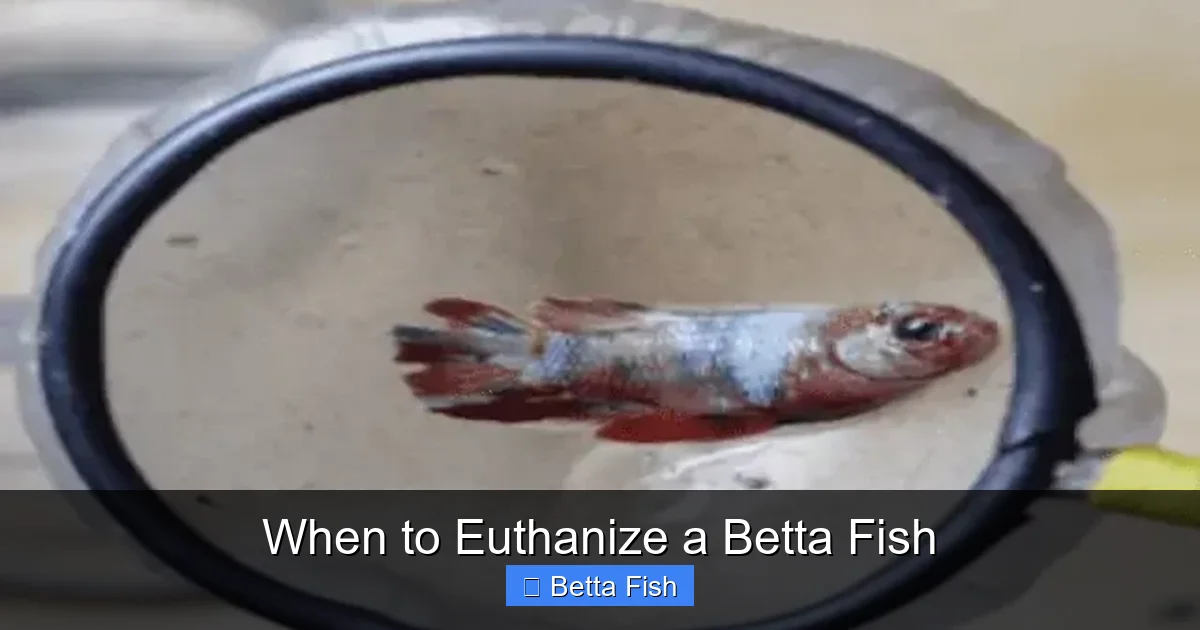
Visual guide about When to Euthanize a Betta Fish
Image source: japanesefightingfish.org
The Gold Standard: Clove Oil (Eugenol)
Clove oil is widely accepted by aquatic veterinarians and experienced hobbyists as the most humane at-home method. It works as a sedative and anesthetic, gently slowing brain function until the fish passes peacefully.
- How it works: Clove oil is not water-soluble. You must first emulsify it in a small amount of high-proof alcohol (like vodka) or use a dedicated emulsifier. The mixture is then slowly added to a small container with just enough water to cover the betta and a mild sedative like MS-222 if available.
- The Process: The betta is placed in the container. The clove oil mixture is added drop by drop, with gentle aeration. The fish will become sedated, lose equilibrium, stop breathing gills, and finally, cease movement. A secondary method (like pithing or prolonged chilling) is recommended after deep sedation is confirmed to ensure death, as clove oil alone at low doses can sometimes only induce a coma.
- Why it’s best: It minimizes stress and fear. The fish is not struggling or gasping. It simply drifts off. It allows you to be present and hold the container if you wish.
Important: Dosage is critical. Under-dosing causes distress. Over-dosing can cause gill irritation. Research precise, reputable dosage guidelines (typically 0.5-1 ml of pure clove oil per liter of water, emulsified) before proceeding. The AVMA (American Veterinary Medical Association) lists clove oil as an acceptable euthanasia agent for fish.
The Controversial Method: Freezing
This method is often misunderstood. Placing a live fish directly into a freezer is cruel and causes immense suffering. However, a two-step process can be humane if done correctly and only after deep sedation.
- Humane Protocol: First, sedate the betta to a surgical plane using clove oil as described above. Once the fish is completely unresponsive (no gill movement, no reaction to touch), the container is placed into the freezer. The cold then ensures death. This is acceptable because the fish is already unconscious and feels nothing.
- Never skip the sedation step. Freezing a conscious fish is one of the most painful and terrifying experiences you could inflict.
Methods to Absolutely Avoid
Some outdated ideas persist. They are inhumane and should never be used:
- Flushing: The trauma of being sucked into pipes, the pressure changes, the chemicals in sewage systems, and the likely slow death from injury or suffocation make this a horrific end.
- Suffocation (Air Exposure): Taking a fish out of water and letting it “flop” is not quick. Fish experience panic and oxygen deprivation painfully for minutes. Their gills collapse and dry out.
- Blunt Force: Accuracy is nearly impossible on a small, moving fish. Missed blows cause extreme trauma and prolonged suffering.
- Alcohol Drowning: Pure alcohol is a corrosive irritant to gills and skin, causing burning pain before any anesthetic effect.
- Decapitation: Requires immense precision and immediate destruction of the brain. For anyone without professional training, it is gruesome and risks a slow death.
Making the Decision: A Practical Framework
Knowledge of signs and methods is one thing; applying it to your specific betta is another. Use this practical framework to move from emotion to a clear, compassionate choice.
Visual guide about When to Euthanize a Betta Fish
Image source: japanesefightingfish.org
The “Good Day vs. Bad Day” Scale
For a week, keep a simple journal. Each day, rate your betta’s day on a scale of 1 (very poor) to 5 (excellent). Note specific behaviors: Did they eat? Did they flare? Did they swim normally? Be brutally honest. If you are finding more 1s and 2s than 4s and 5s, the balance is tipping toward poor welfare. The trend matters more than a single bad day.
The “Three No’s” Test
Ask yourself these three questions. If you answer “no” to two or more, it’s a strong indicator:
- Is my betta able to eat and digest food without obvious pain or struggle?
- Is my betta able to swim and breathe without chronic distress (gasping, constant resting)?
- Does my betta show any interest in its environment or interact with me in any way?
Considering Pain
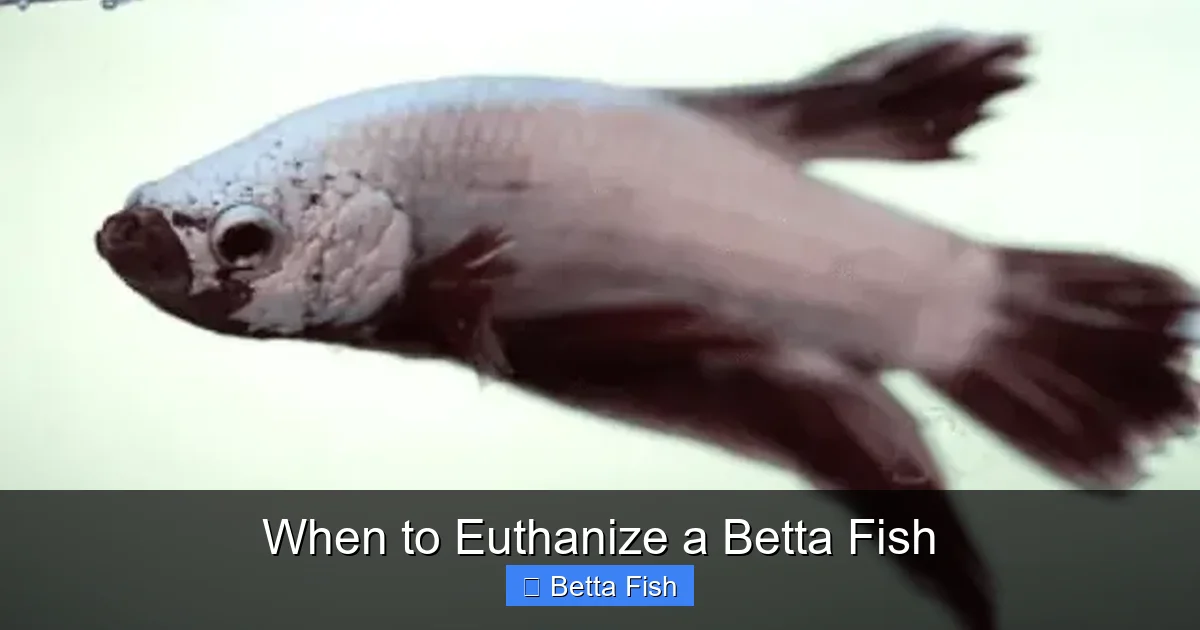
We can’t ask a fish if it’s in pain, but we can infer from physiology. Conditions like severe internal infections (dropsy), large open wounds, advanced tumors pressing on organs, and advanced dropsy (where the scales pinecone due to fluid retention) are understood to be profoundly painful. If your betta displays symptoms associated with these conditions, assume they are in pain. Pain management is not possible for a fish at home; relief comes only from resolving the cause or ending the suffering.
The Role of a Veterinarian
This is the single best piece of advice: consult an aquatic or exotic animal veterinarian. A vet can:
- Provide a professional prognosis you may lack.
- Confirm if a condition is truly terminal or painful.
- Perform the euthanasia procedure themselves, which is the least stressful option for the fish (no transport, no unfamiliar handling at the end).
- Offer peace of mind that you made the medically correct decision.
- Discuss options for aftercare (cremation, burial).
While not always financially feasible, a single consultation can be worth it for the clarity it provides. Call local vets and ask if they treat fish.
Aftercare and Grieving: Honoring Your Companion
The act of euthanasia is not the end of your journey with your betta. What comes after is equally important for your healing.
Handling the Body with Respect
If you perform the procedure at home, handle the body gently. You can wrap it in a soft cloth or place it in a small, biodegradable box. Options for aftercare include:
- Home Burial: Check local ordinances. Bury at least 3 feet deep to prevent disturbance by animals. You can mark the spot with a small stone or plant.
- Aquatic Cremation Services: Some pet crematories offer services for fish. This allows you to keep the ashes in a small urn.
- Veterinary Disposal: Your vet may offer communal cremation (no ashes returned) or individual cremation for a fee.
Avoid flushing or simply throwing the body in the trash. This can feel disrespectful and hinder your closure.
Processing Your Grief
Do not minimize your loss. A betta is a companion. You provided for it, observed its personality, and formed an attachment. It’s okay to cry, to feel sad for days, and to miss their presence. Create a small ritual: write a letter, draw a picture, share memories with a friend who understands. Grief is not linear. Some days will be harder than others. Be patient with yourself.
When (and If) to Get Another Betta
Do not rush out to replace your pet. Take time to grieve. When you feel ready, ask yourself: “Am I getting a new betta for the right reasons—to provide a good home and enjoy the hobby again—or simply to fill a void?” The answer should be the former. A new betta is not a replacement; it is a new individual with its own personality to discover, on its own timeline.
Prevention: The Best Way to Avoid This Decision
While not all illnesses are preventable, excellent care drastically reduces the chances of facing this decision prematurely. Prevention is the most powerful tool you have.
Stellar Water Quality is Non-Negotiable
Ammonia, nitrite, and high nitrate are silent killers that cause chronic stress, organ damage, and suffering. A properly cycled tank (minimum 5 gallons), weekly 25-50% water changes with dechlorinated water, and a reliable test kit are the foundations of health. A clean tank is a healthy tank.
Proper Diet and Nutrition
Overfeeding leads to constipation and water pollution. Underfeeding leads to malnutrition. Feed a high-quality pellet or frozen food (daphnia, brine shrimp) 1-2 times daily, only what they can eat in 2-3 minutes. A varied diet strengthens their immune system.
Appropriate Tank Environment
Beyond size, provide hiding spots (plants, caves), gentle filtration (sponge filters are ideal), a secure lid (they jump!), and stable water temperature (78-80°F/25-27°C) with a reliable heater. Stress from poor environment suppresses the immune system, making them vulnerable to disease.
Vigilant Observation
Get to know your betta’s normal behavior. Spend a few minutes each day just watching them. You will be the first to notice a slight clamp, a missed meal, or a change in swimming. Early detection of issues like mild fin rot or ich means treatment is simple, effective, and prevents the suffering that leads to euthanasia.
Conclusion: An Act of Ultimate Compassion
The question of when to euthanize a betta fish forces us to confront the difficult edges of pet ownership. It is not a failure of love, but its ultimate expression. By educating yourself on the signs of suffering, choosing a truly humane method, and making a decision based on welfare rather than fear, you honor the life you’ve cared for. You give them the peaceful end they deserve. Remember the joyful moments—the first flare, the bubble nest, the following of your finger. Those are the legacy. The final act of kindness simply closes the chapter with the same compassion with which you opened it. Trust your bond, trust your observation, and know that choosing peace for your suffering friend is the hardest, and kindest, thing you can do. You loved them well, from beginning to end.
Frequently Asked Questions
Is it ever okay to let a betta die naturally instead of euthanizing?
In some very specific cases, such as a sudden, catastrophic event (like a filter failure causing immediate, fatal trauma), natural death may occur quickly. However, if a betta is showing chronic, progressive signs of suffering—like constant gasping, wasting, or unresponsiveness—”natural death” often means a prolonged, painful decline. Euthanasia is the kinder choice to prevent that extended distress. The goal is to prevent suffering, not to adhere to a timeline.
What if I can’t afford a vet? Can I still do this humanely at home?
Yes, with careful research and preparation. The most reliable at-home method is clove oil emulsification, as detailed above. It is critical to follow precise dosage and procedure guidelines from reputable aquatic veterinary or advanced hobbyist sources to ensure it is done correctly and humanely. The key is ensuring the fish is fully anesthetized before death occurs. If you are unsure about the process, seek guidance from a dedicated betta forum or community where experienced members can walk you through it.
My betta is very old. How do I know if it’s just aging or suffering?
Aging bettas slow down. They may rest more and eat less. However, look for the “Three No’s” and the “Good Day vs. Bad Day” scale. An aging betta should still have occasional good days—a flare at you, a willing meal, some exploration. If every single day is a struggle (cannot eat, constantly gasping, never moves), it has crossed from aging into suffering. Old age itself is not a reason for euthanasia; poor quality of life is.
I’m terrified of doing it wrong and causing more pain. What should I do?
This fear is common and comes from a good place—your desire to avoid causing harm. The best way to mitigate this risk is to consult a veterinarian. This is the single most reliable way to ensure a peaceful, professional passing. If that is not an option, invest significant time in learning the clove oil method from multiple authoritative sources. Practice the emulsification process with water beforehand. The goal is to be so prepared that your actions are calm and deliberate, which reduces stress for both you and your fish.
How do I know for sure my betta is not just temporarily sick?
This is the hardest part. Look for persistence and progression. A single symptom for 24-48 hours may be a temporary issue. But if a symptom (like clamped fins, lethargy, or loss of appetite) lasts for 5-7 days with no improvement whatsoever despite correct treatment (e.g., salt bath for mild fin rot, pristine water for suspected water quality issue), it suggests a deeper, more serious problem. Lack of response to appropriate basic care is a major red flag for a poor prognosis.
After euthanizing, how do I stop feeling so guilty?
Grieve. Acknowledge that this was a decision made from love, not apathy. Remind yourself of the specific signs of suffering you observed. Write them down. You chose to end pain. That is an act of profound courage and compassion. Guilt often comes from the “what if” game—”what if I tried one more thing?” Objectively review the situation: you provided care, you sought information, you made the hardest call to prevent worse outcomes. Allow yourself to feel the sadness, but do not let it overshadow the fact that you provided a good life and a peaceful end. If guilt is overwhelming and persistent, speaking with a pet loss counselor or support group can be very helpful.