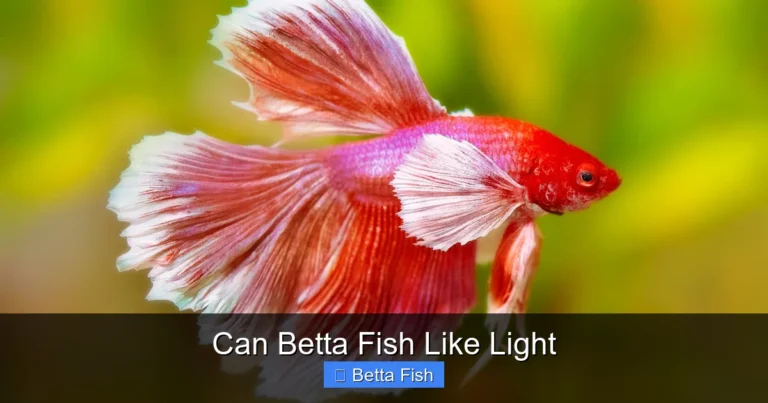
How Do Betta Fish Survive in the Ocean

Many fish lovers wonder about how do betta fish survive in the ocean. The truth is that betta fish are freshwater creatures that cannot truly live in the ocean. However, their incredible adaptations help them thrive in warm, shallow freshwater environments that mimic some ocean-like conditions.
Key Takeaways
- Betta fish are freshwater species: They cannot survive in the ocean’s saltwater environment for long periods.
- Natural habitats matter: Bettas originate from warm, shallow waters in Southeast Asia, not marine environments.
- Osmoregulation limits: Their bodies cannot properly regulate salt levels found in ocean water.
- Adaptations are impressive: Bettas have unique traits like labyrinth organs that help them breathe air.
- Saltwater exposure is harmful: Keeping bettas in saltwater can cause serious health issues and death.
- Related habitats exist: Some coastal areas with brackish water may briefly host betta-like conditions.
📑 Table of Contents
- How Do Betta Fish Survive in the Ocean?
- Understanding Betta Fish Natural Habitats
- Can Betta Fish Actually Live in the Ocean?
- How Do Betta Fish Survive in the Wild?
- What About Brackish Water Environments?
- How to Keep Your Betta Fish Healthy in Captivity
- Common Mistakes People Make About Betta Fish and Saltwater
- Expert Insights on Betta Fish Survival
- Conclusion
How Do Betta Fish Survive in the Ocean?
If you have ever watched a betta fish dart around its tank, you might have wondered about its wild origins. How do betta fish survive in the ocean? This is a common question among fish enthusiasts who admire the incredible resilience of these colorful creatures. The short answer is that betta fish actually do not survive in the ocean at all. They are freshwater fish that come from warm, shallow waters in Southeast Asia. But the full story is much more interesting and reveals just how amazing these little fish really are.
In this article, we will explore everything about betta fish and their relationship with saltwater environments. You will learn why ocean life does not work for them, what their real natural habitats look like, and how their unique adaptations help them thrive where they actually belong. Whether you are a new betta owner or just curious about fish biology, this guide has you covered.
Understanding Betta Fish Natural Habitats
To truly understand why bettas cannot live in the ocean, you need to know where they come from. Betta fish, also known as Siamese fighting fish, are native to the warm climates of Southeast Asia. Countries like Thailand, Vietnam, Cambodia, and Myanmar are home to wild betta populations.
Where Do Betta Fish Live in the Wild?
Wild bettas live in shallow freshwater habitats that are very different from the ocean. You can find them in rice paddies, slow-moving streams, ponds, and even drainage ditches. These waters are typically warm, calm, and rich in plant life. Bettas love areas with lots of cover, such as fallen leaves, roots, and aquatic plants.
These environments have specific characteristics that bettas depend on for survival:
- Warm water temperatures between 75°F and 86°F
- Low to moderate water flow that does not exhaust the fish
- Abundant vegetation for hiding and hunting
- Freshwater or slightly brackish conditions in some coastal areas
The Climate and Water Conditions They Prefer
Bettas are tropical fish that need consistently warm water to stay healthy. Cold water slows their immune system and makes them vulnerable to disease. In the wild, the tropical climate provides stable warmth year-round. The water in their habitats is often slightly acidic to neutral on the pH scale.
This is very different from ocean conditions. Seawater is salty, cold in many regions, and has a completely different mineral composition. Bettas simply did not evolve to handle these conditions. Their entire biology is tuned for the warm, gentle freshwater world of Southeast Asia.
Can Betta Fish Actually Live in the Ocean?
The direct answer is no. Betta fish cannot live in the ocean. The ocean is a saltwater environment, and bettas are strictly freshwater fish. Putting a betta in saltwater would be extremely harmful and likely fatal. But why exactly is this the case?
The Science Behind Saltwater and Freshwater Fish
All fish have a process called osmoregulation. This is how they manage the water and salt levels in their bodies. Freshwater fish like bettas constantly absorb water through their skin and gills because the surrounding water has less salt than their body fluids. They then push excess water out through their kidneys.
Saltwater fish do the opposite. They lose water to the salty ocean around them and actively drink seawater to stay hydrated. Their kidneys work to expel the extra salt.
Bettas have a freshwater osmoregulation system. If placed in the ocean, their bodies would absorb far too much salt. Their kidneys would not be able to remove it fast enough. This leads to dehydration, organ failure, and ultimately death. The table below shows the key differences:
| Factor | Freshwater (Bettas) | Saltwater (Ocean) |
|---|---|---|
| Water absorption | Absorb water through skin | Lose water to environment |
| Salt management | Expel excess water | Drink water, expel salt |
| Kidney function | Produce large amounts of dilute urine | Produce small amounts of concentrated urine |
| Survival for bettas | Thrive and reproduce | Rapid decline and death |
What Happens If a Betta Is Put in Saltwater?
If you placed a betta fish in ocean water, several things would happen quickly. First, the fish would become extremely stressed. You might notice it gasping at the surface or swimming erratically. Its body would struggle to maintain proper fluid balance.
Within hours, the betta would start to show signs of serious distress. Its fins might clench, its colors could fade, and it would become lethargic. Without immediate removal and placement back in freshwater, the fish would not survive. Even brief exposure to saltwater can cause lasting damage to a betta’s gills and internal organs.
How Do Betta Fish Survive in the Wild?
While bettas cannot survive in the ocean, they are remarkably well-adapted to their actual wild habitats. Understanding these adaptations helps explain why people sometimes wonder about their survival abilities in broader environments, including marine settings.
The Labyrinth Organ: Breathing Air
One of the most fascinating features of a betta fish is its labyrinth organ. This is a special breathing structure located near the gills. It allows bettas to breathe air directly from the surface, not just through their gills underwater.
This adaptation is incredibly useful in their natural habitat. Many of the shallow waters where bettas live can become low in oxygen, especially during hot weather or in stagnant pools. The labyrinth organ gives bettas a backup breathing method. They swim up to the surface, take a gulp of air, and extract oxygen from it. This is something ocean fish typically do not need to do.
Surviving in Warm, Shallow Waters
Bettas are built for life in warm, shallow environments. Their bodies efficiently process the warm temperatures and low oxygen levels they encounter naturally. They can tolerate water conditions that would challenge many other freshwater species.
In the wild, bettas are also skilled hunters. They feed on insects, larvae, and small invertebrates found near the water’s surface. Their aggressive nature helps them compete for food and territory. Males are especially territorial and will fiercely defend their space from other males. This survival instinct is strong even in the wild settings of rice paddies and stream edges.
Adaptations for Low-Oxygen Environments
Beyond the labyrinth organ, bettas have several other survival traits:
- Efficient metabolism that handles variable food availability
- Bold behavior that helps them catch prey and defend territory
- Coloration that provides some camouflage among plants and debris
- Fin flexibility that allows precise movement in tight spaces
These traits make bettas excellent survivors in their native freshwater ecosystems. But none of these adaptations prepare them for the vast, salty, deep ocean.
What About Brackish Water Environments?
Sometimes people ask about brackish water when discussing how do betta fish survive in the ocean. Brackish water is a mix of freshwater and saltwater, found where rivers meet the sea. It is less salty than the ocean but saltier than pure freshwater.
Can Bettas Tolerate Brackish Water?
Some bettas can tolerate very mild brackish conditions for short periods. In the wild, coastal areas of Southeast Asia sometimes have slightly salty water where bettas may be found. However, this is not the same as living in the ocean. Bettas in these areas stay in the freshwater side of the brackish zone.
Even slight increases in salinity can stress a betta. Most aquarium experts recommend keeping bettas in water with zero salt content. If you want to add aquarium salt for health reasons, use only a tiny amount, and never approach ocean-like salinity levels.
Why Brackish Water Is Still Risky
While some fish thrive in brackish conditions, bettas are not among them. Their osmoregulation system is finely tuned for pure freshwater. Even small salt increases force their bodies to work harder. Over time, this stress can weaken their immune system and lead to infections or disease.
If you notice your betta acting strangely after any water changes, always test the water parameters. Maintaining stable, freshwater conditions is the best way to keep your betta healthy and happy.
How to Keep Your Betta Fish Healthy in Captivity
Now that you know the answer to how do betta fish survive in the ocean is that they really cannot, let us focus on keeping your pet betta thriving at home. Captive bettas depend on their owners to recreate the warm, clean freshwater conditions they would enjoy in the wild.
Ideal Tank Setup for Betta Fish
A proper tank setup makes a huge difference in your betta’s quality of life. Here are the essentials:
- Tank size: At least 5 gallons for a single betta
- Water temperature: Maintained between 76°F and 82°F using a heater
- Filtration: A gentle filter that does not create strong currents
- Decorations: Plants, caves, and driftwood for hiding spots
- Lighting: Moderate lighting on a regular day-night cycle
Water Changes and Maintenance
Clean water is critical for betta health. Perform partial water changes of about 25% every week. Use a water conditioner to remove chlorine and chloramine from tap water before adding it to the tank. Test the water regularly for ammonia, nitrite, and nitrate levels.
Bettas are sensitive to water quality fluctuations. Even small spikes in harmful chemicals can cause stress and illness. Staying consistent with your maintenance routine prevents most common problems.
Feeding Your Betta Properly
In the wild, bettas eat a diet rich in protein from insects and larvae. At home, you can replicate this with high-quality betta pellets, frozen or live bloodworms, and brine shrimp. Feed small amounts once or twice daily, and avoid overfeeding, which can pollute the water.
Variety in their diet keeps bettas active and colorful. A well-fed betta is a healthy betta that can live its full lifespan, which is typically 3 to 5 years in captivity with proper care.
Quick Tips for Betta Care
Here are some fast tips to remember:
- Never keep your betta in a bowl without a heater
- Avoid placing the tank near cold drafts or direct sunlight
- Do not add salt to the water unless a vet specifically recommends it
- Always quarantine new plants or fish before adding them to the tank
- Watch for signs of illness like clamped fins, loss of color, or rapid breathing
Common Mistakes People Make About Betta Fish and Saltwater
Many misconceptions exist about betta fish and their ability to handle saltwater. Clearing up these mistakes helps keep bettas safe.
Myth: Bettas Can Live in Any Water Type
This is one of the most dangerous myths. Bettas are not hardy enough to adapt to saltwater, brackish water, or cold water on their own. Their survival depends on stable freshwater conditions. Assuming they can handle anything leads to premature death.
Myth: Adding Salt Treats All Betta Illnesses
While aquarium salt can help with certain parasites and mild infections, it is not a cure-all. Too much salt damages a betta’s kidneys and skin. Always follow precise dosing guidelines and consult a fish health expert if your betta is sick.
Myth: Wild Bettas Live in the Ocean
Some people picture bettas as ocean fish because they see them in pet stores worldwide. In reality, wild bettas are found only in freshwater habitats in Southeast Asia. Their ocean survival is a myth. Understanding this fact is the first step toward better care for these beautiful fish.
Expert Insights on Betta Fish Survival
Aquarium experts and marine biologists agree that betta fish are strictly freshwater animals. Their physiological systems are optimized for low-salinity environments. Their bodies simply lack the tools to process the high salt concentrations found in seawater.
Veterinarians who specialize in fish health also warn against any intentional saltwater exposure. Even short-term experiments with saltwater can cause irreversible harm. The best approach is to provide the freshwater environment that matches the betta’s natural evolutionary history.
If you want to learn more about betta habitats and where they come from, check out our detailed guides on where do betta fish live in the wild and what do betta fish eat in the wild for deeper insights into their natural behavior.
Conclusion
So, how do betta fish survive in the ocean? The honest and science-backed answer is that they do not. Betta fish are freshwater creatures that evolved for warm, shallow, plant-rich waters in Southeast Asia. Their bodies cannot handle the salt levels found in the ocean. Attempting to keep a betta in saltwater would lead to stress, illness, and death.
However, bettas are incredibly resilient in their natural freshwater habitats. With special adaptations like the labyrinth organ and efficient metabolism, they thrive where many other fish would struggle. As a betta owner, your best job is to recreate those natural conditions at home. Keep the water warm, clean, and fresh. Provide hiding spots, good food, and gentle filtration. Your betta will reward you with vibrant colors and engaging behavior for years to come.
Understanding your betta’s needs builds a stronger bond between you and your pet. Share what you have learned with other fish lovers. The more we know about proper betta care, the better these amazing creatures are cared for around the world.
Frequently Asked Questions
Can betta fish survive in saltwater at all?
No, betta fish cannot survive in saltwater. They are freshwater fish, and exposure to ocean-like salinity causes rapid dehydration and organ failure. Even small amounts of salt can stress a betta, so always keep them in freshwater conditions.
Where do wild betta fish actually live?
Wild bettas live in warm, shallow freshwater habitats in Southeast Asia, including rice paddies, ponds, and slow-moving streams. These waters are calm, warm, and rich in plant life, which provides cover and hunting grounds for the fish.
Why do people think bettas can live in the ocean?
Bettas are hardy and can survive in low-oxygen water, which sometimes leads to the misconception that they can live anywhere. Their ability to breathe air through the labyrinth organ also adds to the confusion. However, this adaptation is specific to freshwater environments, not marine ones.
What happens if you put a betta fish in the ocean?
If placed in ocean water, a betta would become extremely stressed, struggle to breathe, and quickly suffer from salt poisoning. Its body cannot expel the excess salt, leading to dehydration, organ damage, and death within a very short time.
Can betta fish live in brackish water temporarily?
Some bettas might tolerate very mild brackish conditions for short periods, but this is risky and not recommended. Even slight salt increases put stress on their kidneys and immune system. It is always best to keep bettas in pure freshwater.
How can I make sure my betta fish stays healthy?
Keep your betta in a heated tank of at least 5 gallons with gentle filtration and clean freshwater. Feed a varied, high-protein diet, perform weekly water changes, and monitor water parameters regularly. Avoid adding salt unless specifically advised by a fish health professional.