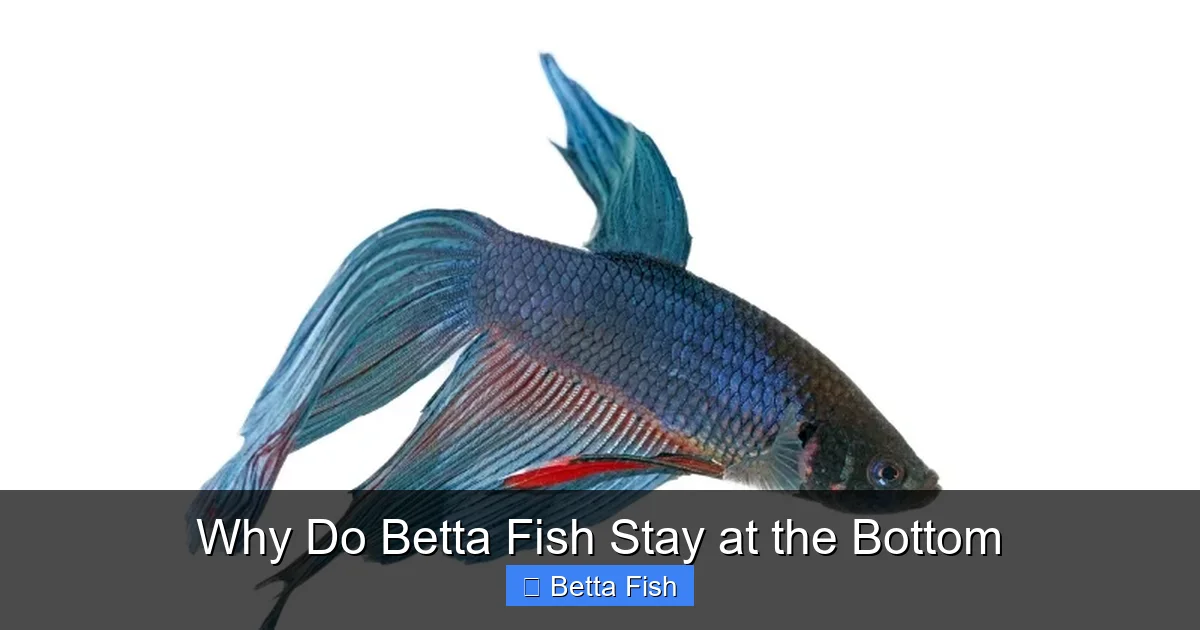
Betta fish often linger at the bottom because stress, poor water conditions, or health issues signal that they’re uncomfortable in their environment. Recognizing signs like lethargy, faded colors, or clamped fins can help owners quickly address water quality, temperature, or disease problems, ensuring their vibrant swimmers stay active and healthy.
Why Do Betta Fish Stay at the Bottom
When I first set up a tiny bowl for my new betta, I expected to see a graceful little dancer gliding from the surface to the plants and back again. Instead, I often found him lingering near the gravel, barely moving. It can be puzzling—and a little worrying—when your vibrant betta seems to prefer the bottom of the tank.
In this post we’ll explore the many reasons behind the behavior, from normal habits to signs that something needs your attention. By the end, you’ll have a clear checklist to help you decide whether your betta is simply being a “bottom‑dweller” or trying to tell you something important.
Key Takeaways
- Check water parameters: Poor pH, temperature, or ammonia levels push bettas to the tank bottom.
- Observe feeding habits: Inadequate or irregular feeding can cause bottom‑dwelling behavior.
- Monitor stress sources: Aggressive tank mates or sudden changes trigger hiding at the bottom.
- Provide proper enrichment: Add plants and caves to encourage upright swimming.
- Test for illness: Disease or injury often makes bettas rest near the substrate.
- Maintain consistent temperature: Keep water between 76‑82°F to promote active swimming.
- Ensure adequate space: Overcrowded tanks force bettas to seek lower, quieter zones.
📑 Table of Contents
Understanding Natural Betta Behavior
Wild Roots and Bottom‑Feeding Instincts
Betta fish (Betta splendens) originate from the shallow, slow‑moving waters of Thailand and Cambodia. In the wild they often hover close to the substrate, hunting insects and larvae that settle on the bottom. This natural instinct carries over to home aquariums, especially when the environment mimics their native habitat.
Why Betta Fish Stay at the Bottom in Captivity
In a well‑maintained tank, a betta may spend a good amount of time near the bottom for several reasons:
- Hunting behavior: They stalk tiny food particles that sink.
- Resting zones: The bottom offers a sense of security.
- Temperature gradients: Slightly cooler water can gather near the substrate.
These are all normal and usually not a cause for alarm. However, when the bottom habit is accompanied by other signs, it may indicate stress or health issues.
Common Environmental Triggers
Water Temperature and Thermoclines
Betta fish love warm water, ideally between 76°F and 82°F (24‑28°C). If the heater is too low or the tank is placed near a cold draft, a thermocline can form, making the bottom cooler. Bettas often linger where the water feels most comfortable.
Visual guide about Why Do Betta Fish Stay at the Bottom
Image source: infishtank.com
Insufficient Oxygen
Stagnant water or a lack of surface agitation can reduce dissolved oxygen, especially near the bottom. Bettas are labyrinth fish and can gulp air from the surface, but they may still stay low if they sense low oxygen levels.
Lighting and Day‑Night Cycle
Bright, direct light can stress a betta and push it to hide near the substrate. Providing a gentle 10‑12 hour light cycle helps them feel safe enough to explore the upper water column.
Tank Size and Layout
A cramped bowl or a tank with too few hiding spots can make the bottom feel like the only safe place. Adding live plants, moss, or smooth rocks creates vertical interest and encourages swimming higher.
Improper Water Parameters
High ammonia, nitrite, or a pH far outside the 6.5‑7.5 range can make bettas feel uneasy. Regular testing and partial water changes keep conditions stable.
Health‑Related Reasons
Illness or Injury
When a betta is sick, it often becomes lethargic and stays near the bottom. Look for these accompanying signs:

Visual guide about Why Do Betta Fish Stay at the Bottom
Image source: nicebettathailand.com
- Loss of color or faded fins
- Clamped fins (held close to the body)
- Rapid breathing or gasping at the surface
- Unusual spots, ulcers, or fungal growth
If you notice any of these, consult a reputable source like How Do You Know If Your Betta Fish Is Dying for a step‑by‑step guide.
Parasites and Internal Issues
Internal parasites can cause digestive discomfort, making a betta linger near the bottom to rest. A sudden change in appetite is often a clue. Feeding a high‑quality, easily digestible diet can help, and you may need to treat with a vet‑approved medication.
Stress From Tank Mates
Even though bettas are often kept alone, some owners house them with peaceful species. Aggressive tank mates can cause a betta to hide at the bottom to avoid confrontation. If you suspect this, read more about Why Do Betta Fish Fight for compatibility tips.
Behavioral Signs That Merit a Check
Bottom‑Dwelling vs. Bottom‑Lying
There’s a subtle difference between a betta calmly resting near the substrate and one that is literally lying flat on its side. The latter could indicate a condition called “swim bladder disorder.” Observe the fish’s posture for a few minutes each day.

Visual guide about Why Do Betta Fish Stay at the Bottom
Image source: nicebettathailand.com
Feeding Response
If your betta only eats when food reaches the bottom, it may have lost its instinct to hunt at mid‑water. Try floating pellets or a How Do You Feed A Betta Fish guide to see if it responds better to surface feeding.
Interaction With Decorations
Healthy bettas explore their environment. A fish that never swims past a plant or rock may be too comfortable staying low, or it may be avoiding a perceived threat.
Practical Tips to Encourage Upper‑Level Activity
Adjust Temperature Gradually
Raise the heater by 1‑2°F and monitor the fish for 24‑48 hours. A stable, warm environment often motivates a betta to explore higher water.
Increase Surface Agitation
Use a gentle air stone or a small powerhead to create a mild current. This raises oxygen levels and creates subtle water movement that can entice the betta upward.
Introduce Floating Plants or Leaves
Plants like Salvinia or floating lily pads provide natural cover near the surface. Bettas love to rest beneath them, which can shift their position away from the bottom.
Feed at Different Levels
Offer a mix of sinking pellets, floating flakes, and occasional live foods (e.g., daphnia). This variety encourages the fish to chase food throughout the tank.
Re‑arrange Decorations
Move a rock or plant to the opposite side of the tank. Bettas are curious and may swim to investigate the new layout.
Regular Water Changes
Changing 25‑30% of the water weekly removes waste and keeps parameters stable, reducing stress that can cause bottom‑dwelling.
Data Table: Key Water Parameters for a Happy Betta
| Parameter | Ideal Range | Why It Matters |
|---|---|---|
| Temperature | 76‑82°F (24‑28°C) | Ensures metabolic efficiency and reduces stress. |
| pH | 6.5‑7.5 | Matches natural habitat; extremes can irritate gills. |
| Ammonia | 0 ppm | Highly toxic; even low levels cause lethargy. |
| Nitrite | 0 ppm | Causes brown blood and respiratory distress. |
| Nitrate | Below 20 ppm | Higher levels lead to poor health over time. |
| Hardness (GH) | 3‑4 dGH | Supports proper scale development. |
When to Seek Professional Help
If you have tried adjusting temperature, oxygen, and diet, but your betta still spends most of its time at the bottom, it may be time to consult a veterinarian or an experienced aquarist. Persistent lethargy, loss of appetite, or visible physical changes are red flags.
Document the fish’s behavior with short videos or photos. Note the date, tank conditions, and any recent changes (new decor, water change, feeding routine). This information will help a professional diagnose the issue more accurately.
Conclusion
Seeing your betta fish stay at the bottom can be unsettling, but it’s often a normal part of their natural behavior. By checking temperature, oxygen levels, lighting, and water quality, you can quickly rule out environmental stressors. Keep an eye on health indicators, and use the practical tips above to encourage more vertical swimming.
Remember, a happy betta is one that feels safe, well‑fed, and comfortable in its environment. With a little observation and adjustment, you’ll likely see your finned friend rediscover the joy of swimming near the surface—just as nature intended.
Frequently Asked Questions
Why do betta fish stay at the bottom of the tank?
Betta fish often rest on the substrate when they feel stressed, are sick, or the water conditions aren’t optimal. Poor water quality, low temperature, or a lack of hiding spots can cause them to linger at the bottom.
Is it normal for my betta to hang out at the bottom all day?
Occasionally, bettas may rest at the bottom, but if they stay there constantly, it could indicate health issues or an unsuitable environment. Monitor their behavior and check water parameters to ensure they’re healthy.
Can water temperature affect why betta fish stay at the bottom?
Yes, bettas are tropical fish that thrive in water between 76°F and 82°F (24°C‑28°C). If the temperature drops below this range, they become lethargic and may remain at the bottom.
What tank setup mistakes cause betta fish to stay at the bottom?
Overcrowding, lack of plants or decorations, and strong currents can make a betta feel insecure, prompting it to hide near the substrate. Providing plenty of vertical space and gentle water flow helps keep them active.
Could disease be the reason why my betta fish stays at the bottom?
Illnesses such as ich, swim bladder disorder, or fungal infections often make bettas sluggish and bottom‑dwelling. Look for additional signs like loss of appetite, discoloration, or abnormal swimming.
How can I encourage my betta fish to swim higher?
Maintain proper water temperature, clean water regularly, and add plants or decorations that create vertical interest. Feeding a varied diet and gently teasing them with a floating toy can also stimulate more active swimming.

