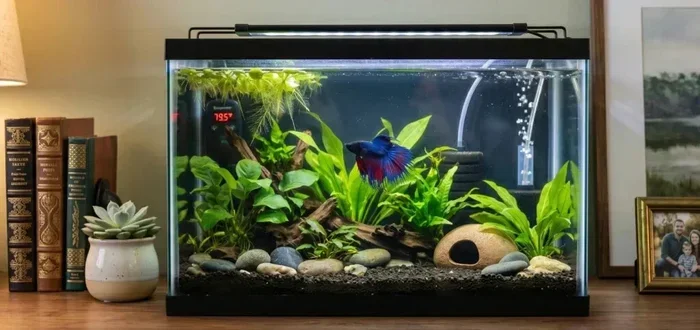
Do Betta Fish Like to Be Petted Here Is the Truth

Do betta fish like to be petted? The short answer is no, and touching them can actually cause serious harm. Their bodies are covered in a delicate protective slime coat that human hands can easily damage. Instead of physical touch, you can build a strong bond through training, feeding, and gentle interaction. Learn why keeping your hands out of the tank is the best way to keep your betta healthy and happy.
Many new aquarium owners wonder about the physical boundaries of their underwater pets. You might see your colorful swimmer glide near the glass and feel a sudden urge to reach out. The question do betta fish like to be petted comes up frequently in hobbyist forums and pet stores. It is a natural curiosity, especially when these fish seem to follow your movements with such apparent interest. However, the reality of fish anatomy and behavior tells a very different story than what our human instincts might suggest.
Bettas are not mammals. They do not have fur, warm blood, or the same nervous system responses that make dogs or cats enjoy a gentle scratch. Their bodies are built for life in water, where touch from large, dry, and warm objects is rarely a positive experience. Understanding this difference is the first step toward becoming a responsible and knowledgeable fish keeper. When you respect their natural needs, you create an environment where they truly thrive.
In this guide, we will explore exactly why physical contact is generally a bad idea. We will also look at how you can still form a deep connection with your betta through safer, more effective methods. By the end, you will know exactly how to interact with your fish in a way that keeps them healthy, calm, and vibrant.
Key Takeaways
- Tactile sensitivity: Betta fish have sensitive skin and a protective slime coat that human hands can easily damage.
- Stress response: Being touched often causes stress, which can weaken their immune system and lead to illness.
- Infection risk: Oils, lotions, and bacteria on human skin can introduce harmful pathogens into the aquarium water.
- Alternative bonding: You can build trust through hand feeding, target training, and consistent routines without physical contact.
- Behavioral signs: Flaring, hiding, or darting away are clear signs that your betta feels threatened by proximity.
- Safe interaction: Always wash your hands thoroughly and keep them wet before any necessary tank maintenance near the fish.
- Long-term health: Respecting their natural boundaries leads to a longer, healthier life for your colorful companion.
📑 Table of Contents
Understanding Betta Fish Anatomy and Senses
To truly grasp why do betta fish like to be petted is such an important question, we need to look at how these fish are built. Their bodies are covered in a thin, slippery layer called the slime coat. This coating acts as a shield against bacteria, parasites, and minor abrasions. It is their first line of defense in an environment full of microscopic threats. When you run a dry or rough hand over that surface, you risk stripping away this vital protection.
The Role of the Slime Coat
The slime coat is incredibly delicate. Even gentle pressure from human fingers can cause micro-tears that are invisible to the naked eye. Once that barrier is compromised, harmful organisms can enter the fish’s bloodstream. This often leads to stress-related illnesses or open wounds that heal very slowly in water. Keeping that protective layer intact is one of the most important things you can do for your betta’s long-term health.
How Betta Fish Perceive Touch
Bettas have a highly developed lateral line system. This sensory organ runs along the sides of their bodies and detects vibrations, pressure changes, and movement in the water. To a betta, a large hand approaching from above does not feel like a friendly pat. It feels like a sudden shadow and a major disturbance in their water column. Their instinct is to flee or flare, not to lean into the contact.
Why Physical Contact Is Generally Harmful
The question do betta fish like to be petted often stems from a place of affection, but the physical risks are simply too high. Human skin carries natural oils, lotions, soaps, and microscopic bacteria that are completely foreign to aquarium ecosystems. Even if your hands look clean, they can introduce contaminants that disrupt the water chemistry or cause infections. These invisible threats can turn a healthy tank into a dangerous environment very quickly.
Stress and Its Physical Effects
Stress is the silent killer of many aquarium fish. When a betta feels threatened by a hand or object entering their space, their body releases cortisol. This hormone spikes their heart rate and suppresses their immune function. Over time, chronic stress makes them more susceptible to common diseases like fin rot, ich, and fungal infections. A stressed betta will also lose its vibrant colors and become lethargic.
Common Mistakes When Trying to Touch Bettas
Many well-meaning owners make the mistake of chasing their fish or tapping on the glass to get their attention before reaching in. This behavior creates panic rather than trust. Another common error is using dry hands, which creates a sudden temperature and texture shock. Some owners also try to guide the fish into a specific position, which can cause them to bump into hard decorations or the tank walls. Avoiding these mistakes is essential for maintaining a calm aquarium environment.
Quick Tip: If you need to move your betta for tank maintenance, use a soft, smooth net and keep the process as fast and calm as possible. Never chase them around the tank.
Building a Bond Without Touching
Just because you should not physically touch your fish does not mean you cannot have a meaningful relationship. Bettas are highly intelligent and can recognize their owners. They often swim to the front of the tank when they see familiar faces. This behavior shows that they are capable of forming associations and responding to consistent routines. You can absolutely build trust and affection through non-physical interaction.
Hand Feeding and Positive Reinforcement
One of the best ways to bond is through targeted feeding. You can place your hand near the water surface and slowly release treats like frozen bloodworms or high-quality pellets. Over time, your betta will associate your presence with positive rewards. This creates a calm, predictable interaction that reinforces trust. Many keepers find that their fish will follow their fingers along the glass during feeding time.
Target Training and Interactive Games
Bettas can learn simple tricks when trained with patience and food rewards. You can teach them to swim through a hoop, follow a target stick, or jump gently for a treat at the surface. These activities provide mental stimulation and strengthen your connection without any physical contact. Training sessions should be short, positive, and never forced. If your fish shows signs of fatigue or stress, end the session immediately.
Expert Insight: Mental enrichment is just as important as physical space. A betta that interacts with its owner through training often displays more natural behaviors and better overall coloration.
Reading Your Betta’s Body Language
Learning to read your fish’s signals is the key to knowing when they feel comfortable or threatened. Bettas communicate heavily through posture, fin position, and movement patterns. When you understand these cues, you can adjust your behavior to match their comfort level. This awareness is crucial for answering the question do betta fish like to be petted in a practical, everyday way.
Signs of Stress and Discomfort
A threatened betta will often flare its gills, spread its fins wide, and darken its colors. Some fish will dart to the bottom or hide behind decorations when they feel unsafe. Rapid breathing, clamped fins, and refusing to eat are also clear warning signs. If you notice these behaviors after approaching the tank, give your fish plenty of space and quiet time to recover.
Signs of Comfort and Curiosity
A relaxed betta will swim smoothly and explore its environment without panic. It may approach the glass when you walk by or follow your movements with calm, steady eye contact. Healthy fish also maintain bright colors and fully extended fins during normal activity. These positive behaviors indicate that your presence is familiar and non-threatening. You can use this feedback to refine how you interact with your tank.
Safe Interaction Guidelines for Owners
If you want to maintain a close connection with your betta while keeping them safe, follow a few simple rules. Always approach the tank slowly and avoid sudden movements that create water vibrations. Keep your hands wet if you must reach near the surface, and never introduce lotions or chemicals before tank maintenance. Consistency and gentleness will always win over force and frequency.
Creating a Low-Stress Environment
A peaceful tank setup goes a long way toward reducing anxiety. Provide plenty of hiding spots like live plants, smooth caves, and soft foliage. Avoid sharp decorations that can tear delicate fins during sudden movements. Maintain stable water parameters and perform regular, gentle water changes. When the environment feels secure, your betta will be more confident and relaxed around you.
When to Step Back and Observe
Sometimes the best interaction is simply watching from a distance. Give your fish time to rest, especially after feeding or tank cleaning. Avoid tapping on the glass or making loud noises near the aquarium. Let your betta set the pace for how much engagement it wants. Respecting their boundaries is the most honest way to show care and affection.
Common Mistake: Assuming that a fish swimming near the glass wants to be touched. Proximity usually means curiosity or anticipation of food, not a request for physical contact.
Long-Term Health Benefits of Non-Contact Bonding
Choosing not to touch your betta is ultimately a decision that supports their longevity. Fish that are not subjected to frequent handling maintain stronger immune systems and better slime coat integrity. They experience less chronic stress and are less prone to stress-related diseases. Over the years, this careful approach results in a more active, colorful, and resilient companion.
How a Calm Tank Supports Longevity
A low-stress lifestyle allows your betta to focus energy on growth, coloration, and natural behaviors. Stable water conditions and predictable routines create a sense of safety. When fish feel secure, they eat better, swim more freely, and display their full personality. This environment directly translates to a longer, healthier life span for your pet.
Making the Right Choice for Your Fish
Every owner wants to feel close to their pet, but true care means understanding species-specific needs. Bettas flourish when we replace the urge to touch with patience, observation, and enrichment. By focusing on safe interaction methods, you honor their natural biology while still building a rewarding relationship. This balanced approach is the foundation of excellent fish keeping.
Key Takeaway: The healthiest bond with a betta is built on trust, routine, and respect for their physical boundaries, not on direct contact.
Understanding the answer to do betta fish like to be petted changes how we care for these beautiful creatures. Their delicate bodies, sensitive slime coats, and natural stress responses make physical touch a risky and unnecessary practice. Instead, you can enjoy a rich, interactive relationship through feeding, training, and calm observation. When you prioritize their comfort and health, your betta will reward you with vibrant colors, confident swimming, and a steady presence at the glass. Respect their space, and you will both enjoy a happier aquarium experience.
Frequently Asked Questions
Do betta fish enjoy being touched by their owners?
No, betta fish do not enjoy being touched because human hands can damage their protective slime coat and cause significant stress. Physical contact also introduces oils and bacteria that can harm their delicate immune systems. It is always safer to bond through feeding and visual interaction instead.
Can touching a betta fish kill it?
While a single gentle touch is unlikely to kill a healthy betta immediately, repeated handling can strip their slime coat and lead to serious infections. Stress from handling also weakens their defenses against common aquarium diseases. Over time, this can significantly shorten their lifespan.
How can I tell if my betta fish likes me?
A betta that recognizes you will often swim to the front of the tank, follow your movements, and show bright, relaxed colors. These behaviors indicate curiosity and comfort rather than a desire for physical contact. Consistent feeding routines help strengthen this positive association.
What is the safest way to interact with a betta fish?
The safest interaction is through hand feeding, target training, and calm observation without sudden movements. Always keep your hands wet and free of lotions if you need to be near the water surface. Avoid tapping on the glass or chasing your fish to prevent unnecessary stress.
Do betta fish recognize their owners?
Yes, betta fish can recognize their owners through consistent visual cues and daily routines. They often learn to associate familiar faces with feeding time and will swim forward when you approach. This recognition is a form of memory and conditioning rather than emotional attachment like mammals experience.
Why do betta fish flare when I approach the tank?
Flaring is usually a defensive display that signals discomfort, territorial behavior, or perceived threat. Your hand or sudden movements can trigger this response because the fish feels startled or crowded. Giving them more space and approaching slowly will help reduce this reaction over time.