Do People Eat Betta Fish
Betta fish are prized for their vibrant colors and lively personalities, not for the dinner plate. While some cultures have historically consumed small ornamental fish, today bettas are almost exclusively kept as pets, and eating them raises legal and ethical concerns. Learn the facts, the myths, and the right way to enjoy your betta responsibly.
Key Takeaways
- Betta fish are not a common food source: Their small size and ornamental value keep them out of most cuisines.
- Legal restrictions exist in many regions: Some countries classify bettas as protected ornamental species.
- Cultural exceptions are rare: A few traditional dishes in Southeast Asia have used tiny fish similar to bettas.
- Health risks are real: Small ornamental fish can carry parasites and toxins unsuitable for humans.
- Ethical considerations matter: Keeping bettas as pets promotes responsible stewardship over consumption.
- Proper care is essential: Understanding feeding habits (see What Do Betta Fish Eat) helps you appreciate their role as companions.
- Alternative ways to enjoy bettas: Focus on observation, breeding, and tank design rather than culinary use.
📑 Table of Contents
- Introduction: A Tiny Fish with a Big Reputation
- 1. Historical Context: Tiny Fish in Human Diets
- 2. Legal Landscape: What the Law Says
- 3. Health Risks: Why Eating Betta Fish Isn’t Safe
- 4. Ethical Considerations: Respecting a Pet, Not a Meal
- 5. Practical Guide: Caring for Your Betta (If You Choose Not to Eat It)
- Conclusion: Celebrate Betta Fish as Living Art
Introduction: A Tiny Fish with a Big Reputation
When you hear the word “betta,” you probably picture a dazzling little fish flaring its fins in a glass bowl. These Siamese fighting fish are famous for their bold colors, feisty personalities, and the easy‑care reputation that makes them a starter pet for many hobbyists. But a question sometimes pops up in online forums and curious minds: do people eat betta fish? The short answer is “rarely, and not recommended.”
In this article we’ll explore the cultural history of eating tiny ornamental fish, the legal and health issues surrounding betta consumption, and why most owners choose to keep bettas alive and thriving. We’ll also sprinkle in practical tips for proper betta care so you can enjoy their beauty without ever considering the dinner plate.
1. Historical Context: Tiny Fish in Human Diets
Traditional uses of small fish
Across the world, small fish have been part of local diets for centuries. In parts of Southeast Asia, tiny fish like galunggong or ikan bilis are fried and eaten as snacks. These species are harvested in massive quantities and are a staple protein source.
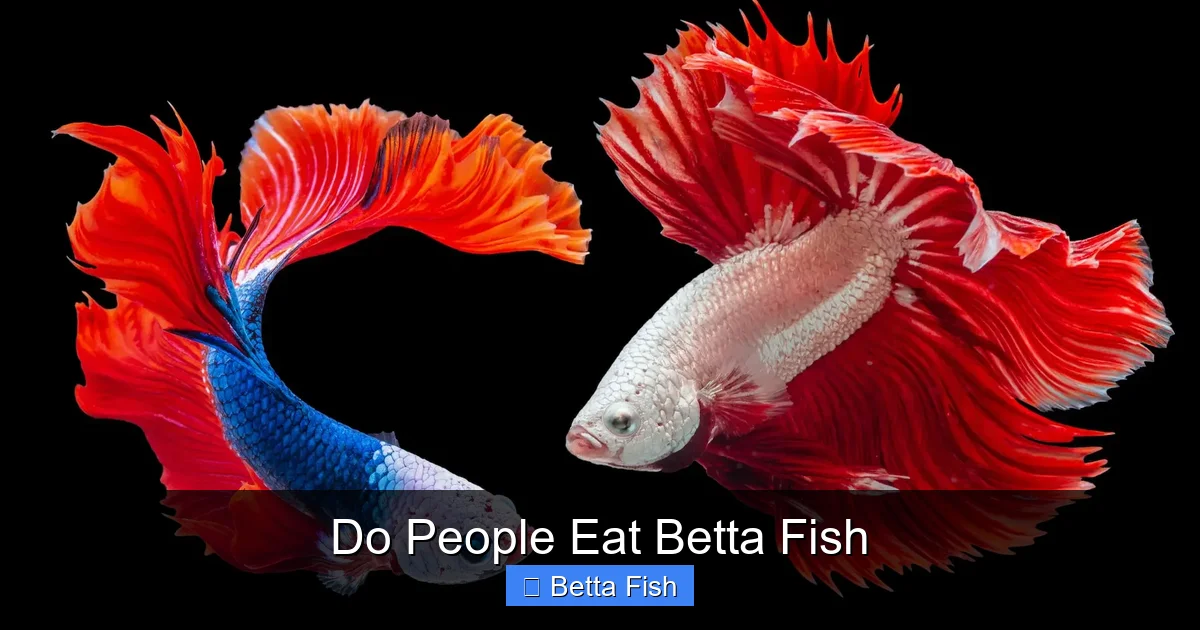
Visual guide about Do People Eat Betta Fish
Image source: images.petpress.net
Betta’s origin and its ornamental shift
Betta fish (Betta splendens) originate from Thailand’s shallow rice paddies and floodplains. Historically, wild bettas were occasionally caught for food, but their small size—typically 2–3 inches—made them an inefficient source of meat. By the early 20th century, Thai breeders began selecting for bright colors and aggressive flaring, turning the betta into a prized ornamental fish rather than a food fish.
Modern cultural references
Today, you’ll find a few niche dishes that claim to use “betta” or “fighting fish” for novelty, especially in novelty restaurants targeting tourists. However, these instances are extremely limited, often illegal, and usually involve misidentified species.
2. Legal Landscape: What the Law Says
Protected ornamental status
Many countries list bettas under ornamental fish regulations, which restrict their sale, transport, and especially their use as food. For example, the United States Fish and Wildlife Service does not list bettas as protected, but many state wildlife agencies consider them “non‑food” ornamental species, and local health departments prohibit their sale for consumption.
Import/export restrictions
When bettas are shipped internationally, they are classified under “live ornamental fish” categories. Exporting them for culinary purposes can trigger customs inspections, fines, and even seizure of the shipment.
Animal welfare laws
Even where there is no explicit ban, animal cruelty statutes may apply if the fish are harvested and prepared inhumanely. Ethical hobbyists often cite these laws as a reason to keep bettas alive and well‑cared for.
3. Health Risks: Why Eating Betta Fish Isn’t Safe
Parasites and pathogens
Ornamental fish are prone to parasites like Ichthyophthirius (Ich) and bacterial infections that can survive cooking if the fish are not handled correctly. Consuming undercooked betta meat could expose you to these organisms.
Bioaccumulation of toxins
Betta tanks often contain ornamental substrates, chemicals, and sometimes copper‑based medications. These substances can accumulate in the fish’s flesh, posing health hazards if ingested.
Nutritional value
Because of their tiny size, a single betta provides negligible protein or calories. The effort required to harvest and prepare them outweighs any nutritional benefit.
4. Ethical Considerations: Respecting a Pet, Not a Meal
Sentient companions
Betta fish are intelligent beings that can recognize their owners, exhibit distinct personalities, and even learn simple tricks. Treating them as food disregards this bond.
Conservation impact
Wild betta populations are under pressure from habitat loss. Supporting the ornamental trade through responsible breeding helps preserve natural habitats, while a market for eating bettas could incentivize wild capture.
Alternative ways to appreciate bettas
Rather than thinking of them as food, focus on tank decoration, breeding projects, and observation. For feeding tips, see our guide on What Do Betta Fish Eat and learn how to keep them healthy and vibrant.
5. Practical Guide: Caring for Your Betta (If You Choose Not to Eat It)
Setting up the perfect home
Start with a proper tank—at least 5 gallons, a gentle filter, and a heater set between 76‑82°F (24‑28°C). Learn more about tank setup in What Do Betta Fish Like In Their Tank.
Feeding basics
Betta fish thrive on a varied diet of high‑quality pellets, frozen or live daphnia, and occasional brine shrimp. Overfeeding leads to water quality issues, so feed 2–3 small meals per day, as detailed in How Often Do Betta Fish Eat.
Health monitoring
Watch for signs of stress: faded colors, clamped fins, or loss of appetite. If you suspect illness, consult a vet familiar with fish health. A quick reference is How Do You Know If Your Betta Fish Is Dying.
Breeding for hobbyists
If you’re interested in breeding, provide a bubble nest, keep water temperatures stable, and separate the male and female after spawning. Successful breeding can be rewarding and helps maintain healthy captive lines.
Conclusion: Celebrate Betta Fish as Living Art
While a handful of obscure culinary anecdotes exist, the overwhelming consensus is clear: betta fish are meant to be admired, not eaten. Their striking appearance, engaging behavior, and low‑maintenance care make them perfect companions for anyone seeking a splash of color in their home. By respecting legal guidelines, health considerations, and ethical standards, you ensure that these tiny marvels continue to brighten our lives for generations to come.
Frequently Asked Questions
Do any cultures traditionally eat betta fish?
Very few. Some remote Southeast Asian communities have historically consumed tiny ornamental fish, but bettas are rarely targeted because of their small size and ornamental value.
Is it legal to sell betta fish for food?
In most countries, bettas are classified as ornamental pets, and selling them for consumption is either prohibited or heavily regulated.
Can eating betta fish cause health problems?
Yes. Betta fish can carry parasites and may contain toxins from tank treatments, making them unsafe for human consumption.
What should I do if I find a dead betta fish?
Remove it promptly, check water parameters, and consider consulting a fish‑health guide like How Do You Know If Your Betta Fish Is Dying to prevent disease spread.
Are there any sustainable ways to use betta fish?
The most sustainable approach is to keep them as pets, breed responsibly, and support captive‑bred populations rather than wild capture.
How can I tell if my betta is happy?
A happy betta displays vibrant colors, flares its fins, explores the tank, and eats regularly. For more signs, read How Do I Know If My Betta Fish Is Happy.