Can You Put Betta Fish in a Pond Learn How to Keep Them Safe
If you’re wondering whether you can put betta fish in a pond, the short answer is yes—but only with the right setup. You’ll need stable temperature, clean water, proper filtration, and protection from predators. This guide walks you through everything you need to know to keep your betta healthy and happy in an outdoor pond. Learn the essential steps and avoid common mistakes that could harm your fish.
Key Takeaways
- Point 1: Betta fish can survive in a pond if temperature, water quality, and size requirements are met.
- Point 2: A reliable filtration system and regular water testing are essential for a healthy betta pond.
- Point 3: Proper shelter, plants, and predator protection create a safe outdoor habitat.
- Point 4: Seasonal adjustments, especially for winter and summer heat, are crucial for betta pond care.
- Point 5: Avoid common errors like sudden temperature changes, overstocking, and neglecting water maintenance.
- Point 6: Continuous learning and monitoring help ensure long‑term betta health and vitality.
- Point 7: Using resources like our detailed guide on Can You Put A Betta Fish In A Pond can provide deeper insights.
📑 Table of Contents
Understanding Betta Fish and Pond Environments
If you are asking can you put betta fish in a pond, the first step is to understand the natural needs of betta fish. Betta fish originate from shallow, warm rice paddies and slow‑moving waters in Southeast Asia. Their outdoor betta habitat requirements include warm water, low‑flow currents, and plenty of hiding spots. In a pond setting, you must mimic these conditions while also protecting the fish from the many challenges that outdoor water presents. For a deeper dive, check out our article on Can You Put A Betta Fish In A Pond.
Safety First: Can Betta Fish Survive in a Pond?
The short answer is yes, but only when you meet specific safety criteria. A pond must provide stable pond temperature for betta, adequate water quality for betta, and sufficient pond size for betta to thrive. Without these, stress, disease, and early death are common. Many hobbyists wonder if they can treat a garden pond like a large tank, but the environment is far more variable. For comparison, see Can You Put Betta Fish In A Lake to understand how different outdoor waters affect betta health.
Key Safety Factors
- Temperature Stability: Betta fish need water between 78‑82°F (26‑28°C). A pond must have a way to maintain this year‑round.
- Water Quality: Ammonia, nitrite, and nitrate levels must stay low. Regular water changes and a good biofilter are essential.
- Size and Space: A minimum of 10 gallons (38 liters) per betta gives room to swim and establishes territory.
- Predator Protection: Birds, raccoons, and larger fish can easily eat a betta. A net or covered pond prevents attacks.
- Seasonal Adjustments: Summer heat can raise pond temperature; winter cold can drop it. Use heaters or insulated covers as needed.
Setting Up a Safe Pond
Creating a secure environment starts with the right pond design and equipment. Follow these steps to ensure your betta lives in a comfortable, safe habitat.
Choosing the Right Pond
Select a pond that is at least 4 feet wide and 2 feet deep. Depth helps buffer temperature swings and provides a safe zone for your betta. Avoid direct sunlight that can cause rapid algae growth. A shaded area is ideal for maintaining stable pond temperature for betta.
Adding Plants and Hiding Spots
Live plants such as Java fern, Anacharis, and water lettuce offer cover and help improve water quality for betta. They provide natural shelter, reduce stress, and contribute to the pond’s eco system by producing oxygen and absorbing carbon dioxide.
Filtration and Aeration
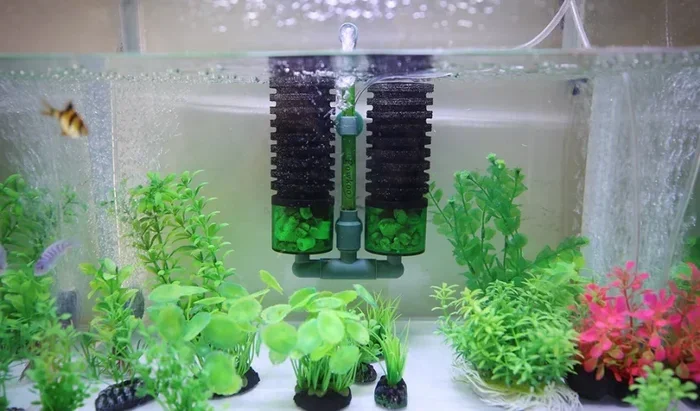
A robust filtration system removes waste and keeps ammonia low. Pair it with an aerator to ensure adequate oxygen exchange, especially during warm months when oxygen dissolves less efficiently. A simple UV sterilizer can help control harmful microorganisms.
Testing Water Parameters
Use a reliable test kit to monitor pH levels, ammonia, nitrite, and nitrate. Betta fish prefer slightly acidic to neutral water (pH 6.5‑7.5). Keep a log of readings to spot trends and act quickly if anything drifts out of range.
Common Mistakes to Avoid
Even experienced keepers make errors that jeopardize betta health. Learning from these pitfalls can save time and money.
Ignoring Temperature
One of the biggest errors is assuming a pond will stay warm enough on its own. Without a heater or insulated cover, temperature can dip below safe levels, causing shock and disease.
Overstocking the Pond
Adding too many fish or even other species can create aggressive interactions and waste overload. A betta thrives best in a pond designed for a single, well‑managed betta.
Poor Water Maintenance
Neglecting regular water changes leads to a buildup of toxins. Aim for 25‑30% water change weekly, using a siphon to remove debris from the substrate.
Inadequate Shelter
Without enough plants, rocks, or decorative caves, a betta will feel exposed and stressed. Provide multiple hiding spots to encourage natural behavior.
Seasonal Care and Maintenance
Betta pond care changes with the seasons. Proactive steps keep your fish healthy year‑round.
Winter Preparation
As temperatures drop, use a pond heater or insulated cover to maintain warmth. Reduce feeding frequency because the betta’s metabolism slows. Monitor the water closely for ice formation; a de-icing device can prevent a solid freeze.
Summer Management
High temperatures increase the need for aeration and shade. Consider adding a UV filter to control algae blooms. Increase water changes to keep temperature fluctuations minimal and prevent stress.
Spring and Fall Transitions
During transitional periods, gradually adjust any heating or cooling equipment. Test water more often as the environment shifts. A stable routine helps the betta adapt without shock.
Conclusion
Deciding can you put betta fish in a pond is possible when you prioritize safety, water quality, temperature control, and predator protection. By setting up a properly sized pond with filtration, plants, and hiding spots, you give your betta an outdoor home that supports natural behavior and long‑term health. Remember to monitor water parameters, adjust for seasonal changes, and avoid common mistakes. For those who want to explore size comparisons, see Can You Put Betta Fish In A Big Tank. With careful planning and ongoing care, your betta can thrive in a pond environment, providing you with years of enjoyment and observation.
Frequently Asked Questions
Is it safe to keep betta fish in a garden pond?
Yes, but only when you maintain stable temperature, good water quality, and protect the fish from predators. A well‑filtered pond that mimics the betta’s natural habitat is essential for safety.
What water temperature do betta fish need in a pond?
Betta fish require water between 78‑82°F (26‑28°C). Use a pond heater or insulated cover to keep the temperature within this range, especially during cold months.
How do I protect betta fish from predators in a pond?
Install a fine mesh net over the pond and avoid placing it where birds or mammals can access it. Adding dense plants and decorative caves also gives your betta quick hiding spots.
Do I need a filtration system for a betta pond?
Yes. A reliable filter removes waste, controls ammonia, and supports beneficial bacteria. Pair it with regular water testing to ensure optimal water quality for betta.
How should I prepare the pond for winter?
Use a pond heater or insulated cover to maintain temperature, reduce feeding, and monitor for ice formation. A de‑icing device can prevent a solid freeze and keep oxygen levels adequate.
Can betta fish breed in a pond?
Yes, if conditions are right. Provide plenty of floating plants, stable temperature, and gentle water flow. Breeding can be challenging, so be prepared for a learning curve.