Do Betta Fish Fart
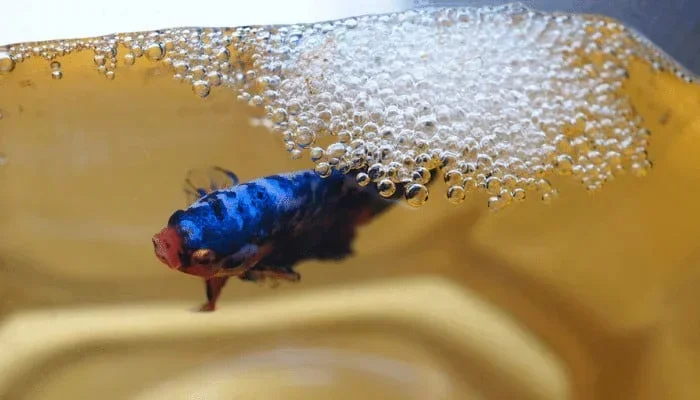
Yes, betta fish do fart. It is a normal part of their digestion, and you may notice tiny gas bubbles or waste releasing from your fish. Betta fish farting is usually nothing to worry about, but excessive gas can signal diet or water problems.
Have you ever watched your betta fish and wondered, “do betta fish fart”? It might sound like a silly question, but it is one that many fish owners ask. The short answer is yes. Betta fish do fart, and it is a completely natural part of how their bodies work.
Just like humans and most other animals, bettas produce gas as a byproduct of digestion. This gas has to go somewhere, and it usually comes out as small bubbles. You might not always notice it, but if you watch closely, you may see tiny bubbles floating away from your fish after they eat.
Understanding betta fish farting is more important than you might think. It can tell you a lot about your fish’s digestive health, diet, and even the quality of their water. In this article, we will cover everything you need to know about fish gas, why it happens, when it is normal, and when it could be a warning sign.
Key Takeaways
- Betta fish do fart: It is a natural byproduct of their digestive process and completely normal.
- Gas bubbles are common: You may see small bubbles near your fish after eating or during digestion.
- Diet plays a big role: Overfeeding or low-quality food can cause excess gas and constipation.
- Water quality matters: Poor water conditions can worsen digestive issues and gas buildup in bettas.
- Swim bladder connection: Farting and gas can be linked to swim bladder problems in betta fish.
- When to worry: If farting is paired with bloating, lethargy, or loss of appetite, check for health issues.
- Prevention is simple: Proper diet, clean water, and regular tank maintenance keep your betta’s digestion healthy.
📑 Table of Contents
Do Betta Fish Fart? The Simple Truth
The answer to “do betta fish fart” is a clear yes. Betta fish farting happens because of the way their digestive system breaks down food. When food enters the gut, bacteria work to digest it. This process creates gases like methane and carbon dioxide. Those gases need to escape, and they do so through the fish’s vent, which is the opening near the tail end of the body.
You might also hear people call this “fish flatulence” or “fish gas.” The terms all mean the same thing. Your betta is simply releasing built-up gas from its digestive tract. It is not something to be embarrassed about. It is just biology.
Most of the time, betta fish gas is invisible or appears as a tiny bubble or two. You might not even notice it unless you are watching your fish very closely. This is perfectly normal and nothing to worry about.
Why Do Betta Fish Produce Gas?
There are several reasons why betta fish farting occurs. Here are the most common ones:
- Digestion: Breaking down food naturally produces gas as a byproduct.
- Air swallowing: Bettas that come up for air may swallow small amounts of air, which can later be released as gas.
- Bacterial activity: Gut bacteria ferment food, creating gas in the process.
- Diet composition: Certain foods produce more gas than others, especially those high in fiber or protein.
- Water temperature: Cooler water can slow digestion, leading to more gas buildup.
All of these reasons are normal. A little bit of gas is just part of being a living creature. Your betta fish is no different from any other animal in this regard.
What Does Betta Fish Farting Look Like?
If you are hoping to catch your betta in the act, you might be surprised by how subtle it is. Betta fish farting does not look like a loud noise or a dramatic event. Instead, it usually looks like a tiny bubble or a small release of gas from the vent area near the tail.
Sometimes the bubble will float up and drift away. Other times, you might just notice your fish slightly moving its body to release the gas. It is very quick and easy to miss.
Here is what to look for:
- Small bubbles near the tail or vent area
- Slight body movements as the fish releases gas
- Bubble nests that are not related to breeding (though these are different from farts)
- Waste release that may come with a small gas bubble
If you see any of these, do not be alarmed. It is normal betta fish behavior. However, if you notice large amounts of gas, foul-smelling bubbles, or your fish seems uncomfortable, that is when you should pay closer attention.
The Digestive System of a Betta Fish
To really understand why betta fish fart, it helps to know a little about how their digestive system works. Bettas are carnivorous fish by nature. In the wild, they eat insects, larvae, and small invertebrates. Their digestive system is designed to process protein-rich foods.
Here is a simple breakdown of how a betta digests food:
- Mouth: The betta takes in food and begins to break it down with enzymes.
- Stomach: Food is stored and further broken down by stomach acids.
- Intestine: Nutrients are absorbed, and waste is formed.
- Vent: Waste and gas are released through the vent opening.
At each stage, gases can be produced. The gut contains bacteria that help break down food. These bacteria create gas as they work. That gas has to leave the body somehow, and farting is how it happens.
It is worth noting that betta fish do not have complex stomachs like mammals. Their digestion is faster and more direct. This means gas can build up quickly, especially if the fish eats too fast or too much.
How Diet Affects Gas Production
What you feed your betta has a direct impact on how much gas it produces. Betta fish diet is one of the biggest factors in digestive health. Here are some common foods and how they affect gas:
- Betta pellets: High-quality pellets are generally easy to digest and produce moderate gas.
- Frozen or live food: Bloodworms, brine shrimp, and daphnia are protein-rich but can cause more gas if overfed.
- Flake food: Often too dry and can cause digestive issues that lead to excess gas.
- Peas (shelled): Sometimes recommended as a laxative, but can produce more gas during digestion.
The key is balance. Feed your betta a varied but moderate diet. Overfeeding is one of the top causes of excess betta fish gas and digestive problems.
When Farting Is a Sign of a Problem
Most of the time, betta fish farting is perfectly normal. But there are situations where excessive gas can point to an underlying issue. It is important to know the difference between normal and problematic gas.
Here are signs that your betta’s gas might be a health concern:
- Constant bloating: If your betta’s belly stays swollen for days, it could indicate constipation or swim bladder issues.
- Excessive farting: Frequent, large amounts of gas may mean the diet is wrong or the fish is stressed.
- Loss of appetite: A betta that stops eating and produces more gas needs attention.
- Lethargy: If your fish is lying at the bottom or floating oddly along with gas, check the water parameters.
- Foul-smelling bubbles: Normal gas should not have a strong odor. Bad smells can indicate infection or poor water quality.
One condition closely related to betta fish gas is swim bladder disease. The swim bladder helps your betta control buoyancy. When it is affected by gas or constipation, your fish may float sideways, sink to the bottom, or struggle to stay upright. Do betta fish have to come up for air more frequently when they have swim bladder issues? Yes, sometimes they do, because gas buildup affects their ability to regulate buoyancy naturally.
Expert Insight: Many betta owners mistake swim bladder problems for something more serious. In most cases, it is simply caused by overfeeding or constipation. A few days of fasting followed by a small, easily digestible meal can often resolve the issue. Always check water parameters first, as poor water quality can worsen digestive problems.
Constipation and Gas in Betta Fish
Constipation is one of the most common causes of excess gas in bettas. When a fish cannot properly eliminate waste, gas builds up in the intestines. This can cause bloating, discomfort, and more frequent farting.
Common causes of constipation in bettas include:
- Overfeeding
- Feeding too many dry foods without variety
- Not enough fiber in the diet
- Poor water quality slowing down digestion
- Lack of exercise or stimulation in the tank
If you suspect your betta is constipated, try fasting it for one to two days. Then offer a small piece of thawed bloodworm or a single pellet. This gives the digestive system a chance to reset. You can also slightly raise the water temperature to speed up metabolism and digestion.
How Water Quality Affects Betta Fish Digestion
Clean water is essential for a healthy betta. But did you know that poor water quality can directly affect your fish’s digestion and gas production? When the water in the tank is dirty or has high levels of ammonia and nitrites, it stresses the fish. Stress weakens the immune system and slows down the digestive process.
A stressed betta may eat irregularly, swallow air, or develop digestive issues that lead to excess gas. This is why regular water changes and tank maintenance are so important.
Here are some water quality tips to keep your betta’s digestion healthy:
- Test water regularly: Use a liquid test kit to check ammonia, nitrite, and nitrate levels.
- Perform weekly water changes: Replace 25 to 50 percent of the water each week.
- Keep the temperature stable: Bettas do best in water between 78 and 80 degrees Fahrenheit.
- Use a gentle filter: Strong filters can stress bettas. A sponge filter works well for most setups.
- Remove waste promptly: Uneaten food and debris can foul the water quickly.
If you want to learn more about how water changes impact your betta’s overall health, check out our guide on do betta fish have to have water changes. It covers everything you need to know about keeping your tank water clean and your fish healthy.
Can You Prevent Excess Gas in Betta Fish?
The good news is that you can take steps to prevent excessive betta fish farting and keep your fish’s digestion running smoothly. Prevention is always easier than treatment.
Feed the Right Amount
The single biggest cause of gas problems in bettas is overfeeding. Bettas have small stomachs, and they do not need a lot of food. A good rule of thumb is to feed what your fish can eat in two to three minutes, twice a day. If there is leftover food in the tank, you are feeding too much.
Remove any uneaten food after feeding time. Leftover food rots in the water and releases ammonia, which harms your fish and affects digestion.
Choose High-Quality Food
Not all betta foods are created equal. Cheap, filler-heavy pellets can cause digestive issues and excess gas. Look for foods where the first ingredient is real meat, such as whole fish meal or shrimp meal. Avoid foods with lots of fillers like wheat or corn.
Variety is also important. Rotate between pellets, frozen bloodworms, brine shrimp, and occasional live foods. This gives your betta a balanced nutrient profile and keeps the digestive system working well.
Keep the Tank Clean
A clean tank supports healthy digestion. Regular maintenance reduces harmful bacteria and toxins that can upset your betta’s gut. Make sure your betta fish tank has proper filtration and that you are doing regular water changes.
It is also important to note that bettas are labyrinth fish, which means they breathe air from the surface. If your tank has an air pump or strong water flow, it can cause your betta to gulp air, which may contribute to gas buildup. Some owners choose to avoid air pumps for this reason. If you want to learn more about this, read our article on do betta fish like air pump circulation.
Add Tank Decorations and Plants
Bettas feel more relaxed in a well-decorated tank. Plants, caves, and soft substrate give them places to explore and hide. A relaxed betta is a healthy betta, and a healthy betta has better digestion. If you are wondering what kinds of items to add, our article on do betta fish have things inside their tank has great tips on creating a comfortable environment.
Common Mistakes Bettas Owners Make About Fish Gas
Even experienced betta owners can make mistakes when it comes to understanding fish gas and digestion. Here are some common errors to avoid:
- Ignoring small bubbles: Tiny bubbles are normal. Do not panic every time you see one.
- Over-treating gas as illness: Most gas is just digestion at work. Only worry if other symptoms appear.
- Changing diet too quickly: Sudden food changes can shock the digestive system and cause gas.
- Skipping water tests: Poor water quality is a hidden cause of many digestive issues.
- Using air stones in betta tanks: Some bettas find strong surface agitation stressful, which can lead to air gulping and gas.
Avoiding these mistakes can save you a lot of stress and keep your betta healthy. When in doubt, observe your fish closely and make changes gradually.
Quick Tips for Healthy Betta Digestion:
- Feed small portions twice a day.
- Fast your betta one day per week.
- Keep water temperature between 78 and 80 degrees Fahrenheit.
- Perform weekly water changes of 25 to 50 percent.
- Use a gentle filter or sponge filter.
- Avoid strong air pumps or air stones.
- Offer a varied diet of high-quality foods.
Conclusion
So, do betta fish fart? Yes, they absolutely do. Betta fish farting is a normal, healthy part of their digestive process. Most of the time, you will barely notice it, and that is exactly how it should be.
What matters most is understanding the difference between normal gas and signs of a problem. A healthy betta with a balanced diet and clean water will produce normal amounts of gas without any issues. But if you notice bloating, lethargy, or changes in behavior, it is time to take a closer look at your fish care routine.
Keep your betta’s diet balanced, the water clean, and the tank stress-free. Your fish will stay healthy, happy, and yes, they will keep right on farting as part of normal life. That is just what makes these beautiful fish so interesting to care for.
Remember, a little gas is nothing to worry about. It is just your betta being a betta. Enjoy watching your fish, and keep learning about how to give them the best life possible.
Frequently Asked Questions
Is it normal for betta fish to fart?
Yes, it is completely normal. All fish produce gas as a natural part of digestion. Your betta farting is a sign that its digestive system is working properly. You will usually only notice it as small bubbles near the tail area.
Why does my betta fish fart so much?
Excessive farting can be caused by overfeeding, a diet high in gas-producing foods, or poor water quality. If your betta is farting a lot, try reducing the amount of food and check your water parameters. Fasting for a day or two can also help reset the digestive system.
Can betta fish fart hurt them?
No, normal farting does not hurt betta fish. It is a natural and painless process. However, if your fish seems to be in discomfort, shows bloating, or has trouble swimming, the gas may be related to a digestive issue like constipation or swim bladder disease that needs attention.
What should I do if my betta fish is bloated and farting?
Bloating combined with frequent gas often points to constipation or overfeeding. Try fasting your betta for one to two days and then offer a small, easily digestible meal. Also check the water temperature and quality. If bloating persists, look for signs of swim bladder disease or infection.
Do betta fish swallow air that causes them to fart?
Yes, bettas are labyrinth fish and breathe air from the surface. In doing so, they may swallow small amounts of air, which can contribute to gas buildup. This is one reason why strong water flow or air pumps can sometimes cause extra gas in bettas.
Can I prevent my betta fish from farting?
You cannot completely prevent farting, as it is a natural bodily function. However, you can reduce excess gas by feeding the right amount, offering high-quality food, keeping the water clean, and maintaining stable tank conditions. A healthy diet and clean environment support smooth digestion.