Do Betta Fish Eat Mosquito Larvae
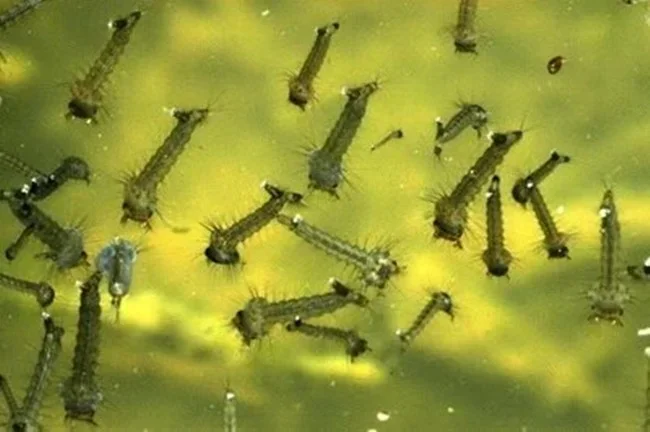
Yes, betta fish eat mosquito larvae and they absolutely love them. These tiny wriggling treats are packed with protein, making them a natural food source that supports your betta’s health. In this guide, you’ll learn the benefits, risks, and best practices for feeding mosquito larvae to your betta fish.
Key Takeaways
- Betta fish readily eat mosquito larvae: These insects are a natural food source that bettas hunt and consume with enthusiasm in the wild and in captivity.
- Mosquito larvae are packed with protein: They contain high levels of protein and healthy fats that support muscle growth, coloration, and overall betta fish health.
- Feeding live larvae carries some risks: Wild-caught larvae may carry parasites or bacteria, so proper sourcing and preparation are essential.
- Mosquito larvae control is a bonus benefit: Keeping a small container of larvae in your aquarium helps reduce mosquito populations around your home.
- Not all bettas will eat larvae the same way: Some betta fish are eager hunters while others may ignore them entirely depending on their feeding habits and personality.
- Offer larvae in moderation: Treat mosquito larvae as a supplement to their regular diet, not a replacement for high-quality betta pellets and flakes.
📑 Table of Contents
- Do Betta Fish Eat Mosquito Larvae?
- The Nutritional Value of Mosquito Larvae
- How to Feed Mosquito Larvae to Your Betta Fish
- Risks and Precautions When Feeding Mosquito Larvae
- Do All Betta Fish Eat Mosquito Larvae?
- Mosquito Larvae as Pest Control for Your Home
- Comparing Mosquito Larvae to Other Betta Foods
- Expert Tips for Feeding Mosquito Larvae to Bettas
- Common Mistakes to Avoid
- Conclusion
Do Betta Fish Eat Mosquito Larvae?
If you keep betta fish, you have probably noticed them staring at tiny movements in their aquarium water. Maybe you have seen those little wriggling specks near the water surface and wondered what they are. Those could be mosquito larvae, and your betta might already be eyeing them as a snack.
The short answer is yes. Betta fish do eat mosquito larvae. In fact, these insects are one of the most natural and nutritious food sources you can offer your betta. Whether your fish lives in a pond, an outdoor container, or a cozy indoor tank, mosquito larvae form a significant part of their diet in the wild.
But there is more to this topic than just saying yes. You need to understand the nutritional benefits, the potential risks, and the best way to feed them. Let us dive deep into everything you need to know about betta fish and mosquito larvae.
Why Betta Fish Love Mosquito Larvae
Betta fish are carnivorous predators by nature. In the wild, they hunt insects, insect larvae, and small crustaceans. Mosquito larvae tick every box for what a betta considers a meal. They are small, they move in a way that triggers a hunting response, and they are loaded with nutrition.
These tiny larvae are rich in protein and healthy fats. They also contain essential amino acids that help your betta build strong muscles and maintain vibrant coloration. Think of mosquito larvae as nature’s candy for your fish. They are the equivalent of a bloodworm or brine shrimp but often easier to source.
Many betta owners who keep outdoor ponds or water containers notice that their fish actively patrol the surface, waiting for larvae to hatch. This betta fish behavior is completely normal and shows that your fish is in hunting mode. It is quite entertaining to watch.
The Nutritional Value of Mosquito Larvae
Understanding what makes mosquito larvae nutritious helps you see why they are such a great addition to your betta diet. Let us break down the key nutrients.
High Protein Content
Mosquito larvae contain around 40 to 50 percent protein by dry weight. This is excellent for betta fish care because bettas are strict carnivores. They need animal-based protein to thrive. Without enough protein, bettas can become lethargic, lose color, and develop health problems.
Compare this to some commercial foods. Many generic tropical fish food products contain fillers like wheat and soy. Mosquito larvae do not have these fillers. They are pure, natural nutrition that your betta can easily digest.
Healthy Fats and Oils
Besides protein, mosquito larvae provide healthy fats. These fats support energy levels and help your betta absorb vitamins. A diet with good fat content also promotes shiny scales and strong fins. If you have ever wondered why some bettas look incredibly vibrant while others look dull, diet plays a huge role.
Vitamins and Minerals
Mosquito larvae also contain trace amounts of vitamins and minerals. These include things that support immune function and overall health. While they are not a cure-all, they add valuable variety to what your fish eats.
How to Feed Mosquito Larvae to Your Betta Fish
Now that you know the benefits, let us talk about how to actually feed mosquito larvae to your betta. There are a few different approaches, and each has its own advantages.
Live Mosquito Larvae
Feeding live mosquito larvae is the most natural option. You can collect them from standing water around your home, but you need to be careful. Not all standing water is safe. Avoid collecting larvae from water that has been treated with pesticides or chemicals.
Here is a simple process:
- Find a clean source of standing water, like a rain barrel or an untended container.
- Check the water for any signs of contamination or chemical runoff.
- Use a fine mesh net to scoop the larvae gently.
- Rinse them lightly in clean water before dropping them into your betta fish tank.
- Watch your betta hunt. It is a great show.
Some keepers also use the approach of keeping a small container of water where mosquitoes can lay eggs, then transferring larvae to the aquarium. This method works as a form of mosquito larvae control while also providing food. You can learn more about whether all bettas eat these larvae in our detailed guide on do all betta fish eat mosquito larvae.
Freeze-Dried Mosquito Larvae
If you do not want the hassle of collecting live larvae, freeze-dried food is a fantastic alternative. Many pet stores sell freeze-dried mosquito larvae or similar insect-based products. They are convenient, have a long shelf life, and carry fewer risks than live food.
Simply pinch off a small piece and drop it into the tank. Your betta should take it right away. Freeze-dried options also eliminate concerns about parasites, which we will discuss next.
Frozen Mosquito Larvae
Frozen larvae are another great option. You can often find frozen bloodworms and live brine shrimp at fish stores, and some also carry frozen mosquito larvae. Thaw a small portion in tank water before feeding. This method preserves most of the nutritional value while being safe for your fish.
Risks and Precautions When Feeding Mosquito Larvae
While mosquito larvae are generally safe and healthy, there are a few risks to keep in mind. Being aware of these issues helps you keep your betta safe.
Parasites and Bacteria
Wild-caught mosquito larvae can sometimes carry parasites or harmful bacteria. This is the biggest risk associated with feeding live larvae. The larvae may have been in contaminated water or been exposed to pathogens from other organisms.
To reduce this risk, always collect larvae from clean, safe water sources. You can also freeze the larvae for 24 hours before feeding them. Freezing kills most parasites without significantly reducing nutritional value. This is a step many experienced hobbyists recommend.
Overfeeding
It is easy to overfeed when you have a live food source. Your betta may eat everything you put in the tank, but that does not mean it is healthy. Too many mosquito larvae can lead to bloating and digestive issues. As a rule, offer larvae as a treat no more than two to three times per week.
Remember that mosquito larvae should complement your betta’s main diet. High-quality commercial pellets designed for bettas should still make up the bulk of their meals. You can also offer peas or other supplementary foods for variety.
Mosquito Breeding Concerns
If you keep a container specifically for breeding mosquito larvae, you need to be very careful. Mosquitoes can carry diseases, and you do not want them spreading around your home. Always keep the breeding container covered with fine mesh. Make sure no adult mosquitoes can escape.
This approach is practical and effective for mosquito larvae control in your area while giving your fish a steady food supply. Just handle it responsibly.
Do All Betta Fish Eat Mosquito Larvae?
Not necessarily. While most betta fish will eagerly eat mosquito larvae, some individuals may be picky. A betta that has been raised on commercial foods alone might ignore larvae at first. This is not unusual. It just means you need to be patient and persistent.
You can try offering a small number of larvae alongside their regular food. Over time, they may start to recognize the larvae as food. Some bettas are natural hunters and go after larvae immediately. Others are more laid back and may need a few attempts before they accept the treat.
If your betta refuses mosquito larvae, try freeze-dried or frozen versions instead. The texture and movement differ, and some fish prefer one over the other. You can also check out our article on will betta fish eat mosquito larvae for more insights on encouraging this natural feeding behavior.
Factors That Affect Whether a Betta Will Eat Larvae
- Personality: Some bettas are bold and aggressive hunters. Others are shy and cautious.
- Age: Younger bettas tend to be more eager hunters than older ones.
- Previous diet: Bettas raised on live or frozen foods usually accept larvae faster.
- Tank environment: A tank with plenty of hiding spots may make a betta feel secure enough to hunt.
- Hunger level: A hungry betta is more likely to try something new than a well-fed one.
Mosquito Larvae as Pest Control for Your Home
Here is a bonus reason to keep mosquito larvae around. They serve as excellent mosquito larvae control. By allowing your betta fish to eat larvae before they mature into adult mosquitoes, you are helping reduce the mosquito population in your area.
This is especially useful if you live in a region where mosquitoes are common. Instead of using chemical sprays, you can let nature take its course. Your betta fish becomes a helpful ally in keeping those annoying insects at bay.
Many outdoor pond keepers intentionally maintain a small larval supply for their fish. They cover the container with mesh to prevent adult mosquitoes from escaping while still allowing larvae to hatch. It is a smart, eco-friendly approach. If you are also curious about whether bettas hunt adult mosquitoes, check out our article on do betta fish eat mosquitoes for more details.
Comparing Mosquito Larvae to Other Betta Foods
How do mosquito larvae stack up against other popular betta fish foods? Let us look at a quick comparison.
| Food Type | Protein Content | Natural | Convenience | Risk Level |
|---|---|---|---|---|
| Mosquito Larvae (live) | High | Yes | Low | Moderate |
| Mosquito Larvae (freeze-dried) | High | Yes | High | Low |
| Bloodworms (live or frozen) | High | Yes | Medium | Low to Moderate |
| Brine Shrimp (live or frozen) | High | Yes | Medium | Low to Moderate |
| Commercial Pellets | Medium to High | No | Very High | Very Low |
| Tropical Fish Flakes | Medium | No | Very High | Very Low |
As you can see, mosquito larvae compare very favorably to other options. They offer similar protein levels to bloodworms and brine shrimp while being a completely natural food source. The main trade-off is convenience. Live larvae require more effort to source and prepare.
For daily feeding, commercial pellets are still the most practical choice. But for treats and enrichment, mosquito larvae are hard to beat. They stimulate natural hunting instincts and provide mental engagement for your betta. If you want to explore more about live food options, our guide on do betta fish eat live food covers this topic in depth.
Expert Tips for Feeding Mosquito Larvae to Bettas
Here are some practical tips from experienced betta keepers to make the most of feeding mosquito larvae.
- Start small. Offer just a couple of larvae at first. See how your betta reacts before giving more.
- Observe your fish. Watch for any signs of discomfort or digestive issues after eating.
- Rotate foods. Alternate between pellets, frozen foods, and larvae to keep your betta’s diet balanced.
- Use clean sources. Only collect larvae from water you would be comfortable with your fish living in.
- Do not rely on larvae alone. They are a supplement, not a complete diet. Your betta needs a varied nutritional plan.
- Consider your betta fish behavior. If your fish is stressed or aggressive, introduce new foods slowly and calmly.
Common Mistakes to Avoid
Even experienced keepers can make mistakes when feeding mosquito larvae. Here are the most common ones to watch out for.
Skipping the rinse step. Always rinse collected larvae before adding them to your betta fish tank. This removes debris and reduces contamination risk.
Feeding too many at once. A few larvae are plenty. Overfeeding leads to poor water quality and health issues for your fish.
Ignoring water quality. If your water quality is poor, adding organic matter like larvae can make it worse. Make sure your tank is properly filtered and maintained.
Collecting larvae from unsafe sources. Avoid water near roads, farms, or areas where pesticides are used. Stick to clean, well water or rainwater sources.
Conclusion
Do betta fish eat mosquito larvae? Absolutely. These tiny, wriggling creatures are a natural, protein-rich food that supports your betta’s health and satisfies their instinct to hunt. Whether you choose live, frozen, or freeze-dried mosquito larvae, your betta will benefit from this nutritious addition to their diet.
Remember to offer larvae in moderation, source them safely, and always pair them with a high-quality staple diet. Keep an eye on your betta fish behavior and adjust feeding amounts as needed. With the right approach, mosquito larvae can become one of the most rewarding treats you offer your fish.
So the next time you see those tiny larvae in your pond or water container, think of your betta. They are not just pest control. They are a meal your fish was born to eat. Give it a try and watch your betta thrive.
Frequently Asked Questions
Are mosquito larvae safe for betta fish to eat every day?
No, mosquito larvae should be treated as a supplement rather than a daily staple. Offer them two to three times per week at most. Betta fish need a varied diet, and their main nutrition should come from high-quality pellets or flakes designed specifically for bettas.
Can mosquito larvae carry parasites that harm my betta?
Yes, wild-caught larvae can sometimes carry parasites. To reduce risk, collect larvae only from clean water sources and freeze them for 24 hours before feeding. Freeze-dried or frozen larvae from reputable pet stores are safer alternatives that eliminate most concerns.
How do I collect mosquito larvae for my betta fish?
Find a clean source of standing water, such as a rain barrel or uncovered container. Use a fine mesh net to gently scoop the larvae from the water surface. Rinse them lightly in clean water before dropping them into your betta’s tank. Always avoid water that may have been exposed to pesticides or chemicals.
My betta fish ignores mosquito larvae. What should I do?
Some bettas are picky and may need time to accept new foods. Try offering a few larvae alongside their regular food. You can also try freeze-dried or frozen larvae instead of live ones, as the different texture may be more appealing. Patience is key. For more guidance, check our article on whether betta fish will eat mosquito larvae.
Can feeding mosquito larvae help control mosquitoes around my home?
Yes, absolutely. By keeping a small covered container of standing water where mosquitoes lay eggs and letting your betta eat the larvae before they mature, you can significantly reduce the mosquito population around your home. It is a natural and eco-friendly form of mosquito larvae control.
What is better for my betta: mosquito larvae or bloodworms?
Both are excellent high-protein foods. Mosquito larvae and bloodworms offer similar nutritional value. The best choice depends on availability and convenience. Live bloodworms are widely available at pet stores, while mosquito larvae may require more effort to collect. For everyday feeding, many keepers use commercial pellets and offer either larvae or bloodworms as occasional treats.
=== CONCLUSION ===
Betta fish absolutely eat mosquito larvae, and this natural food source offers incredible benefits for their health, behavior, and overall well-being. Packed with protein, healthy fats, and essential nutrients, mosquito larvae make an outstanding supplement to your betta’s regular diet. Whether you choose live, frozen, or freeze-dried options, always source them safely and feed them in moderation. Combine these nutritious treats with high-quality commercial food, maintain excellent water quality, and watch your betta fish flourish. Start offering mosquito larvae today and give your betta the diverse, natural diet they deserve.