can you put algae eaters in with betta fish safely
Can you put algae eaters in with betta fish safely? This guide explores the best algae‑eating species, tank compatibility, and practical steps to keep both your betta and its helpers happy and healthy. Discover why choosing the right algae eater matters, how to set up a balanced environment, and common mistakes to avoid for a thriving community tank.
Key Takeaways
- Point 1: Not all algae eaters are safe with betta fish; choose peaceful, small species like Otocinclus or Siamese algae eaters.
- Point 2: Tank size and décor with hiding spots reduce stress and aggression for both betta and algae eaters.
- Point 3: Water parameters must stay stable—temperature 78‑80°F, pH 6.5‑7.5—to support both species.
- Point 4: Feed betta appropriately; overfeeding creates excess algae and can harm delicate tank mates.
- Point 5: Monitor behavior daily; signs of stress in betta or algae eaters mean you may need to adjust the setup.
- Point 6: For more detailed guidance, see our comprehensive guide on algae eaters for betta.
- Point 7: Always research each potential tank mate and consider the unique needs of your betta before introducing new fish.
📑 Table of Contents
Can You Put Algae Eaters in With Betta Fish Safely?
If you’ve ever stared at a glass‑covered betta tank and noticed unsightly algae, you’ve probably wondered, “Can you put algae eaters in with betta fish safely?” The short answer is yes—but only if you choose the right species, set up the proper environment, and keep a close eye on their interactions. In this article we’ll walk you through everything you need to know, from understanding betta behavior to selecting the best algae‑eating companions and maintaining a harmonious tank.
Why Betta Fish Need Careful Tank Mates
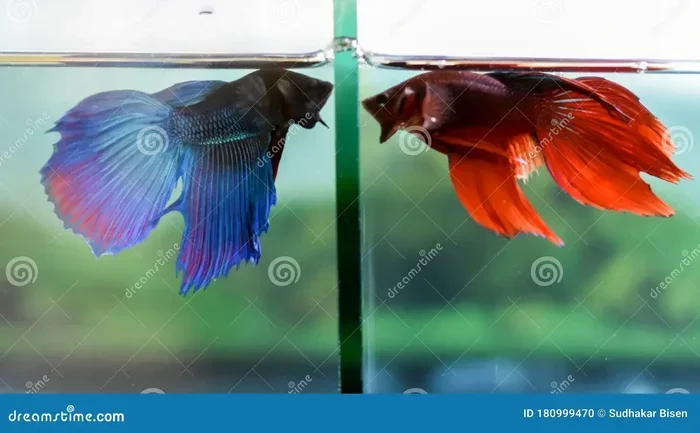
Betta fish (Betta splendens) are naturally territorial. In the wild they patrol small patches of water, defending their space from intruders. When you bring a betta into a home aquarium, you’re essentially recreating a mini‑ecosystem. Adding other fish or invertebrates can either boost the tank’s balance or trigger stress and aggression. The key is to match the betta’s temperament and space requirements with peaceful, compatible species.
Understanding Betta Behavior
– Territorial Instincts – Male bettas will flare their fins at anything that enters their perceived territory.
– Solitary Nature – Most pet bettas are kept alone, but they can coexist with certain low‑profile species.
– Stress Signals – Fin clamping, color fading, and hiding are clear signs your betta feels threatened.
When you consider algae eaters, you want creatures that stay out of the betta’s direct line of sight, don’t compete for food, and are too small to be seen as prey.
Top Algae‑Eater Species Safe for Betta Tanks
Below is a quick comparison of the most popular algae eaters that work well with betta fish. The table highlights size, temperament, and care needs so you can pick the best fit.
| Species | Adult Size | Temperament | Algae Type Eaten | Special Care Notes |
|---|---|---|---|---|
| Otocinclus Catfish | 1‑2 inches | Peaceful, shoaling | Hair algae, soft film | Needs aquarium‑grown algae; add a few per week |
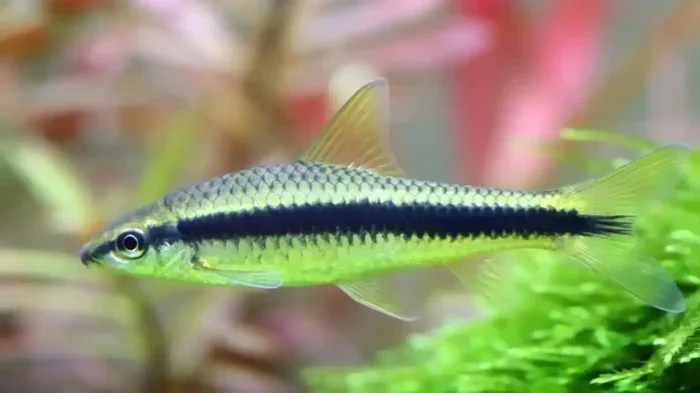
| Siamese Algae Eater (Crossocheilus siamensis) | 5‑6 inches | Active, slightly aggressive toward tiny fish | All green algae types | Provide hiding places; best with larger tanks |
| Goldspot Algae Eater (Crossocheilus aureus) | 4‑5 inches | Peaceful, community‑oriented | Blue‑green algae, brush algae | Similar care to Siamese; excellent for medium tanks |
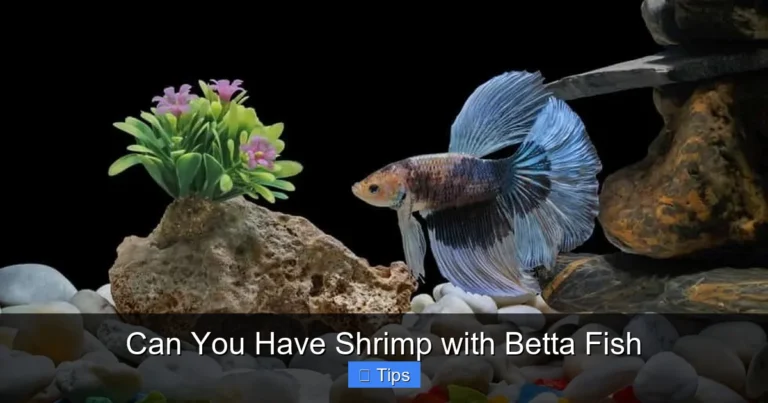
| Amano Shrimp (Caridina multidentata) | 1.5‑2 inches | Very peaceful, scavenging | Hair algae, leftover food | Needs stable water; avoid strong lighting if possible |
| Nano Crab (Bunchius nitidus) | 0.8‑1 inch | Harmless, bottom‑dweller | Microscopic algae | Works best in heavily planted tanks |
Otocinclus Catfish – The Smallest Helper
Otocinclus are tiny, shy, and excellent at cleaning glass and plant leaves. They rarely interact with a betta because they stay near the substrate. Because they are schooling fish, it’s best to keep at least three together. Feed them a small amount of algae wafers or blanched spinach to supplement natural growth.
Siamese Algae Eater – A Larger Option
If you have a tank of 20 gallons or more, a Siamese algae eater can be a great addition. They are active swimmers that love to patrol the mid‑water zone. While they are generally peaceful, they may nip at very small fry or newts, so avoid pairing them with tiny betta fry. Provide plenty of plants and driftwood for them to hide behind.
Goldspot & Amano Shrimp – Quiet Cleaners
Goldspot algae eaters are similar to Siamese but slightly calmer. Amano shrimp are fantastic for surface‑level algae and will not disturb a betta. Both are ideal for planted tanks where they can move freely without provoking the betta’s territorial instincts.
Creating the Perfect Tank Environment
Even the best algae eater can cause problems if the tank setup is wrong. Here are the essential steps to create a stress‑free home for both your betta and its cleaning crew.
1. Tank Size Matters
– Minimum 5‑gal for a betta alone. Adding algae eaters requires extra space. Aim for at least 10‑12 gallons if you plan to keep more than one cleaner.
– Volume vs. Surface Area – Larger surface area improves gas exchange, which benefits both fish and invertebrates.
2. Water Parameters
– Temperature: 78‑80°F (26‑27°C) – ideal for betta and most algae eaters.
– pH: 6.5‑7.5 – slightly acidic to neutral.
– Ammonia/Nitrite: 0 ppm; keep nitrate below 40 ppm with regular water changes.
Stable parameters reduce stress and keep algae growth in check.
3. Filtration & Aeration
A gentle filter flow mimics natural streams and provides oxygen. Avoid strong currents that can exhaust a betta. A sponge filter is a good choice because it’s quiet and safe for small algae eaters.
4. Substrate & Decorations
– Fine gravel or sand – easy for bottom‑dwelling algae eaters to forage.
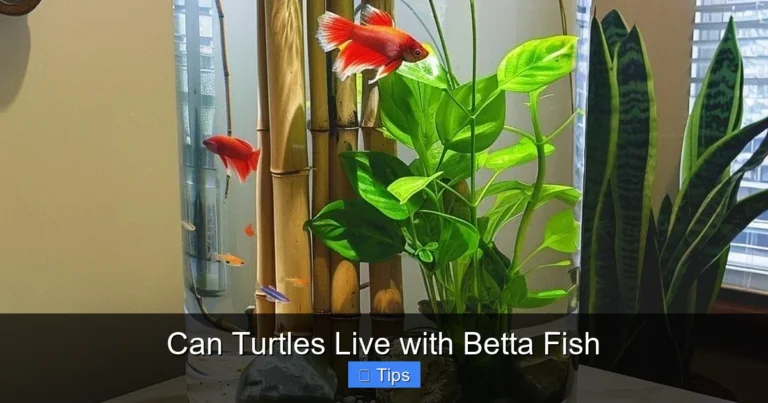
– Live plants (Java Fern, Anubias, Java Moss) – give betta hiding spots and natural décor.
– Hollow logs or caves – provide refuge for shrimp and small catfish.
Make sure there are enough hiding places so the betta can retreat whenever needed.
5. Lighting – Controlled Growth
Too much light encourages excessive algae, which can overwhelm cleaners. Aim for 8‑10 hours of moderate lighting. If algae become too thick, you can reduce light duration or add more algae eaters.
Feeding Strategies to Keep Both Happy
Balanced Diet for Betta
– High‑quality betta pellets (protein‑rich, low fillers).
– Live or frozen foods (bloodworms, brine shrimp) for variety.
– Supplement with algae wafers for cleaner fish.
Avoid overfeeding. Excess food decomposes, raising ammonia and promoting nuisance algae.
Supporting Algae Eaters’ Nutrition
– Algae wafers or vegetable pellets – ensure they get enough plant matter.
– Blanched vegetables (spinach, zucchini) – occasional treat.
– Natural algae growth – keep a small patch of algae in the tank for foraging.
A well‑fed betta is less likely to act aggressively, which benefits the whole tank community.
Monitoring & Maintenance
Daily Checks
– Observe betta’s coloration and fin position.
– Watch algae eaters for signs of stress (hiding, lethargy).
– Ensure feeding amounts are correct; remove uneaten food within a few minutes.
Weekly Routine
– Water change: 20‑30% of tank water.
– Substrate cleaning: gently stir to remove debris.
– Algae assessment: note growth rate; adjust lighting if needed.
Common Mistakes to Avoid
– Introducing algae eaters too early – betta may not yet feel secure.
– Overstocking the tank – limited space leads to competition.
– Using aggressive cleaners – species that nip at betta’s fins are a bad match.
Expert Insights & Real‑World Tips
– Veteran aquarist tip: “Start with a single Otocinclus; if your betta tolerates it, add a second. This gradual approach reduces shock.”
– Water test guru: “Always test for copper; many algae control products contain copper, which is deadly for betta and shrimp.”
– Behavior specialist: “If your betta starts flaring at the cleaner, give the cleaner extra hiding spots. A calm environment often resolves aggression.”
For more in‑depth guidance on algae eaters and betta compatibility, check out our detailed article Can I Put Algae Eaters In With My Betta Fish. This resource dives deeper into species selection, feeding schedules, and troubleshooting common issues.
Quick Tips Section
- Choose small, peaceful algae eaters (Otocinclus, Amano shrimp).
- Maintain tank size of at least 10‑12 gallons.
- Keep water temperature stable between 78‑80°F.
- Provide plenty of plants and hiding places.
- Feed betta a balanced diet to reduce aggression.
- Monitor daily and perform weekly water changes.
- Research each potential tank mate before introduction.
Conclusion
Answering “Can you put algae eaters in with betta fish safely?” shows that, with careful planning, you can enjoy a thriving, clean tank where your betta remains the star and algae eaters play a supporting role. Choose compatible species, create a stress‑free environment, and keep a watchful eye on their interactions. Over time, you’ll discover a balanced ecosystem that not only looks beautiful but also stays algae‑free with minimal effort.
Remember, the journey to a harmonious betta tank is a learning experience. Use the tips, refer to trusted resources like Can I Put Algae Eaters In With My Betta Fish, and enjoy watching your betta coexist peacefully with its cleaning companions.
Frequently Asked Questions
Can I keep a Siamese algae eater with my betta?
Yes, but only in a tank of at least 20 gallons with plenty of hiding spots. Siamese algae eaters are active and may flare at a betta if they feel crowded. Monitor their interaction and be ready to separate them if aggression appears.
What is the best algae eater for a small betta tank?
Otocinclus catfish are ideal because they stay small (1‑2 inches), are peaceful, and focus on glass and plant cleaning without bothering the betta.
Do algae eaters eat betta food?
Some, like Amano shrimp, will scavenge leftover betta pellets, but they primarily eat algae. Supplement their diet with algae wafers or blanched vegetables to keep them healthy.
How many algae eaters should I start with?
Begin with one or two cleaners and observe the betta’s reaction. If the betta remains calm after a week, you can gradually add more, keeping the total number appropriate for tank size.
Will algae eaters stress my betta?
Stress depends on species choice, tank setup, and individual personalities. Provide hiding places, stable water parameters, and monitor for signs of betta stress such as fin clamping or color fading.
Can I use algae control products if I have algae eaters?
Many chemical algae controllers contain copper, which is toxic to betta and shrimp. Opt for natural methods like reducing light or adding more cleaners, and always check product labels before use.