Can You Play with a Betta Fish and Build a Happier Bond
Betting on a happy connection with your betta requires understanding their needs and building trust. This guide explains whether you can safely interact with your pet fish, how to create lasting bonds through gentle play and proper care, and why companion fish enhance their happiness. Read on to learn how to safely play with a betta fish and deepen your relationship.
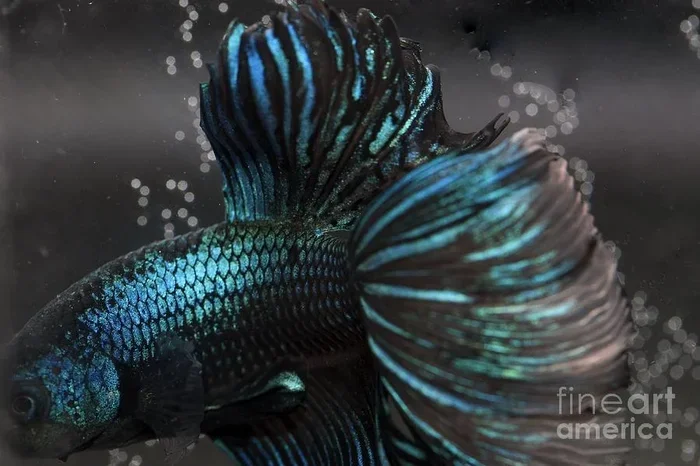
Betta fish are famous for their vibrant colors and striking fins. They come in many varieties, from solid blue and orange to intricate patterned morphs. While they are known for their territorial nature, they can form deep connections with their owners when given the right attention. Many fish enthusiasts wonder if they can safely play with a betta fish and even build a stronger bond through careful interaction. The answer depends on several factors including your fish’s temperament, your own skills, and the overall care of their home aquarium. If you’re ready to explore this rewarding hobby, this guide will walk you through everything you need to know before you grab your hands and get started.
Key Takeaways
- Betterness matters: Not all betta species respond equally to play; research your specific breed.
- Safety first: Always prioritize your fish’s comfort over your desire to interact.
- Companion benefits: Adding compatible tank mates can multiply the joy of your time together.
- Water stability: Stable parameters prevent stress, making play sessions more enjoyable for both.
- Gentle approach: Short, supervised moments of interaction build trust rather than forcing it.
- Monitor reactions: Watch for signs of stress and adjust accordingly to keep the bond healthy.
📑 Table of Contents
- Can You Safely Interact With Your Betta Fish?
- Does Your Betta Want Attention and Play?
- Building Trust Through Gentle Handling
- Companion Fish: Enhancing Your Betta’s Social Life
- Water Quality Matters for Happy Play Sessions
- Quick Tips for Successful Play Sessions
- Common Mistakes to Avoid
- Expert Insights on Betta Behavior
Can You Safely Interact With Your Betta Fish?
Before diving into playtime, it’s crucial to understand what your betta is capable of. These freshwater warriors are surprisingly intelligent and expressive. Their lateral line system allows them to detect vibrations, so sudden movements can startle them easily. When thinking about play with a betta fish, remember that every individual is unique. Some bettas are bold enough to engage in gentle wrestling, while others prefer to hide and only show interest when you reward them with food.
There are definite risks involved if you push boundaries too hard. A stressed betta may flare up its fins, bite out fingers, or hide entirely—signs that something isn’t right. The goal is to create a positive association with your presence in their territory. Always begin with minimal contact and watch for subtle cues. If your betta swims away, stops eating, or shows aggression, it’s time to back off. Safety always comes before fun when you’re trying to connect with a fin-finned friend.
Does Your Betta Want Attention and Play?
Not all betta personalities are created equal. Male bettas are typically more aggressive and territorial, especially during breeding season. Females tend to be calmer and more tolerant of gentle handling, though even they can become skittish if startled. Younger bettas are generally less mature and may react differently than older, established adults. Pay attention to body language—they show excitement with flowing fins and raised eyes, while fear manifests as darting, hiding spots, or rapid breathing.
Understanding your specific fish’s preferences goes a long way toward success. Observe them for a few days before attempting any interaction. Do they approach when you offer treats? Do they swim closer to the glass? These behaviors give you valuable insight into their mood. If your betta greets you at feeding time regularly, they’re already comfortable with human presence. Respect those boundaries and adapt your approach. Building a genuine bond takes patience and consistency, not just sporadic play sessions.
Building Trust Through Gentle Handling
When you decide to proceed with play with a betta fish, follow these steps to ensure a smooth introduction. First, purchase a soft-net or use your bare hand—the latter offers better control. Approach slowly and let your betta acclimate to your scent and movement. Avoid reaching into their enclosure unexpectedly; instead, create distance and allow them to investigate from afar.
Once your betta seems curious, gently extend your hand toward them. If they follow without hissing or flaring, you’ve earned their trust. Keep sessions short, typically five to ten minutes, and end on a positive note. Reward calm behavior with a treat after each successful moment. Consistency is key—regular, low-pressure interactions help transform a cautious fish into a confident companion. Remember, trust builds gradually, much like learning a new skill.
Companion Fish: Enhancing Your Betta’s Social Life
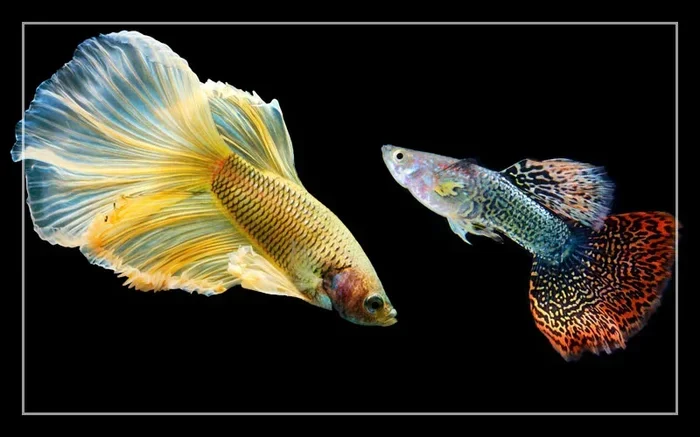
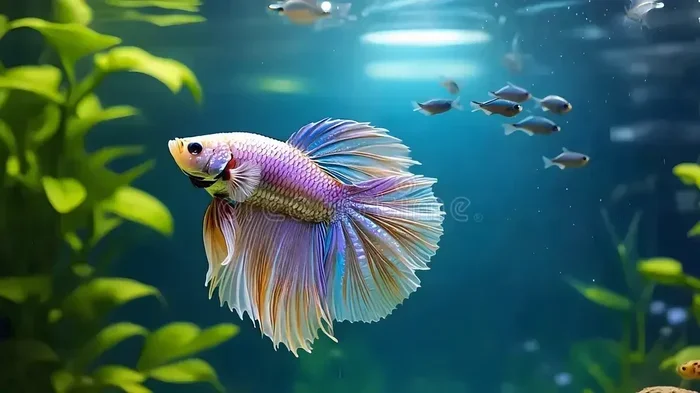
While direct interaction with your betta is important, adding compatible tank mates can amplify the joy of your shared experience. Research has shown that certain species thrive alongside bettas, creating a lively community where everyone feels included. One effective method is introducing a school of small, peaceful fish that won’t compete aggressively for space. Neon tetras, guppies, and minnows often make excellent additions because they occupy different areas of the tank and move softly enough not to disturb your star fish.
However, not all companions are suitable. Large, aggressive species like cichlids can overwhelm a betta, turning playtime into chaos. Similarly, fast-swimming fish might nip at the betta’s delicate fins during close encounters. Choose tank mates based on size, temperament, and swimming speed. A balanced mix keeps the entire group healthy and ensures that play with a betta fish becomes a multi-species celebration rather than a solitary event. Always cycle your tank properly before adding new residents to maintain water quality and reduce stress.
Here’s a quick reference table to help you choose compatible companions:
| Fish Type | Compatibility Level | Notes for Betta Play |
|---|---|---|
| Neon Tetras | High | Docile and non-aggressive; great background activity. |
| Guppies | Medium-High | Active swimmers; can match the energy level of most bettas. |
| Minnows | Medium | Small and docile; avoid overly dominant varieties. |
By thoughtfully selecting friends for your betta, you lay the groundwork for richer interactions and a more harmonious aquarium environment.
Water Quality Matters for Happy Play Sessions
No matter how skilled you are at handling your betta, poor water conditions will undermine any play session. Betta fish require precise temperature control, typically between 24-26°C (75-79°F), along with pH levels around 6.5-7.0. Ammonia and nitrite should never rise above zero, and nitrate can be kept below 20 ppm for optimal health. Fluctuating parameters cause stress, weaken immunity, and trigger defensive displays.
Regular testing using liquid kits is essential. Check readings weekly, and perform water changes of 10-20% every week to dilute toxins and replenish beneficial minerals. Algae growth, while sometimes visually appealing, indicates nutrient imbalance that can lead to poor water chemistry later. Maintaining pristine water quality transforms playtime from a risky endeavor into a relaxing bonding experience. Investing in a reliable filter and monitoring equipment pays dividends in happier, more interactive bettas.
Quick Tips for Successful Play Sessions
If you’re new to play with a betta fish, these practical tips will help you succeed:
– Start slow: Begin with brief, calm observations before attempting direct contact.
– Keep sessions short: Five minutes maximum prevents burnout for your fish.
– Use positive reinforcement: Offer tiny treats after successful interactions to create associations.
– Observe nonverbal cues: Flared fins mean danger; relaxed posture means welcome.
– Avoid overhandling: Let your betta initiate contact rather than forcing it upon you.
– Clean equipment daily: Dirty nets and hands transfer bacteria and unpleasant odors.
Following these guidelines ensures both you and your betta stay comfortable. Remember, the goal isn’t constant entertainment but meaningful connection.
Common Mistakes to Avoid
Even experienced fish keeper can make errors when juggling a betta and potential playmates. One frequent blunder is approaching the fish too quickly, triggering a fight response. Another mistake involves choosing incompatible tank mates, which leads to bullying and reduced enjoyment. Also, some owners attempt to “train” bettas through strict rules, stifling their natural behavior and causing anxiety.
To sidestep these pitfalls, educate yourself thoroughly before starting. Read reputable sources, consult forums where experienced hobbyists share stories, and observe local community tanks. Patience beats perfection—if your betta shows reluctance, pause and reassess. Rushing into play sessions without understanding the full context often results in frustration for both parties.
Expert Insights on Betta Behavior
Aquatic experts emphasize that bettas possess complex emotional lives beyond their colorful appearance. Their intelligence allows them to recognize familiar faces and form loyalty over time. Studies suggest that consistent, positive interaction reduces cortisol-like stress indicators in their bodies. When you successfully play with a betta fish, you’re not just entertaining a pet—you’re nurturing a sentient being capable of forming bonds.
One tip from veterinary fish specialists is to associate your presence with calmness. Speak softly, move slowly, and never punish mistakes. Instead, celebrate progress. Even if your betta doesn’t flip its fins enthusiastically, small wins build confidence. Over time, you might witness surprising moments—your betta nudging your hand, displaying smoother swimming patterns, or actively seeking closeness. These milestones prove that your efforts are paying off.
Frequently Asked Questions
Question?
Is it okay to hold a betta by its fin? Holding a betta by its fin is generally discouraged because it can cause pain and damage the delicate fin rays. It is safer to support their body with a net or your hand, avoiding direct fin contact unless absolutely necessary for medical reasons and done very gently.
Question?
How long should I play with my betta fish? Sessions should be brief, typically between 5 and 15 minutes, depending on the fish’s energy level. Longer periods can increase stress, so it’s best to keep playtimes short and regular rather than occasional marathons.
Question?
Can I teach my betta tricks? While bettas aren’t as trainable as some other pets, basic commands like “come” or “stay” can be encouraged through positive reinforcement. However, focus on building trust rather than strict obedience; the goal is enrichment, not performance.
Question?
What if my betta seems scared during play? If your fish retreats to hiding spots, flips its fins excessively, or loses appetite, stop the interaction immediately. Assess whether the playmate is compatible or if environmental stressors need addressing before future attempts at play with a betta fish.
Question?
Should I feed my betta during play sessions? Feeding your betta right before or during play is acceptable because it creates a positive association. However, avoid overwhelming them with large meals during intense interaction, as this can disrupt their focus and digestion.
Question?
Are different betta breeds better suited for interaction? Generally, yes. Smaller, calmer varieties like dwarf or beta strains tend to handle play better than larger, more aggressive species such as dragon or peacock bettas. Research your specific variety to set realistic expectations.