Do You Feed Betta Fish Everyday For Best Health
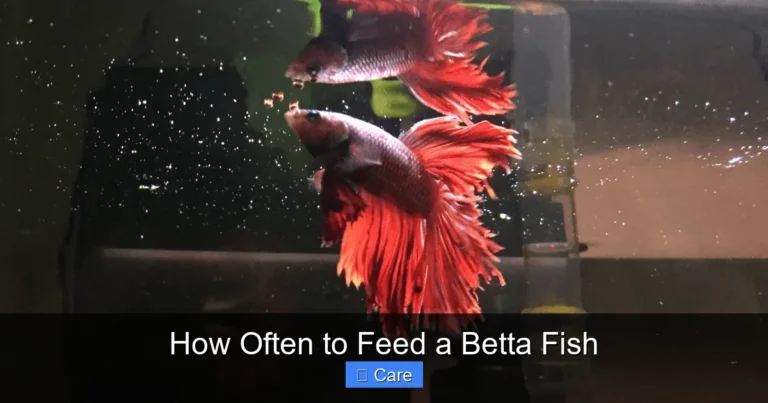
Do you feed betta fish everyday? Yes, but only once or twice daily in small amounts. Overfeeding causes severe health issues like bloating and poor water quality. A proper feeding schedule keeps your betta active, colorful, and long-lived.
Key Takeaways
- Daily feeding is normal: Adult bettas thrive on once or twice daily meals.
- Portion control matters: Feed only what your betta can eat in two minutes.
- Skip days occasionally: One fasting day per week aids digestion.
- Watch for overfeeding signs: Bloating, lethargy, and cloudy water signal trouble.
- Vary the diet: Mix pellets, frozen foods, and occasional treats for balance.
- Adjust for age: Fry and juveniles need more frequent, smaller meals.
- Water quality ties to feeding: Uneaten food pollutes the tank quickly.
📑 Table of Contents
- Do You Feed Betta Fish Everyday for Best Health?
- The Ideal Feeding Schedule for Adult Bettas
- How Much to Feed: Portion Control Basics
- Signs You Are Overfeeding Your Betta
- Fasting Days and Digestive Health
- Best Foods and Safe Treats for Daily Feeding
- Feeding Fry and Juvenile Bettas Differently
- Water Quality and Feeding Go Hand in Hand
- Common Mistakes New Owners Make
- Expert Tips for a Healthy Feeding Routine
- Key Takeaways for Daily Betta Feeding
Do You Feed Betta Fish Everyday for Best Health?
Keeping a betta fish happy starts with a simple question: do you feed betta fish everyday? Many new owners worry about this. They wonder if daily meals are safe or if they should skip days. The truth is straightforward. Adult bettas do well with once or twice daily feedings. The key is portion size and food quality. This guide breaks down everything you need to know. You will learn the ideal schedule, safe portions, and how to spot trouble early. Let’s dive in.
The Ideal Feeding Schedule for Adult Bettas
Most healthy adult bettas need food once or twice a day. This routine matches their natural habits. In the wild, they eat small meals throughout the day. In a tank, we simplify that pattern. A single morning feeding works for many owners. Others prefer a morning and evening split. Both approaches work when portions stay small.
Once Daily vs Twice Daily
Once daily feeding is simple. It reduces the chance of overfeeding. Twice daily feeding can mimic natural grazing. It also keeps energy levels steady. The choice depends on your schedule and your fish’s response. Watch how your betta behaves after meals. A content fish swims normally and shows bright colors.
Why Small Meals Work Best
Bettas have small stomachs. Their stomach is roughly the size of their eye. This fact surprises many beginners. A large meal stresses their digestion. Small meals prevent bloating and keep water clean. Uneaten food breaks down fast. That breakdown spikes ammonia levels. Clean water supports healthy gills and scales.
How Much to Feed: Portion Control Basics
Portion size matters more than frequency. You do not need a scale. You just need a simple rule. Feed only what your betta can finish in two minutes. This rule keeps waste low. It also prevents digestive issues.
The Two-Minute Rule
Drop in a few pellets or a small pinch of flakes. Watch your betta eat. If food remains after two minutes, remove it. This step protects water quality. It also teaches you how much your fish actually needs. Appetites vary by fish and by temperature.
Adjusting for Tank Temperature
Warmer water speeds up metabolism. Colder water slows it down. A betta in a 78-degree tank may need slightly more food than one in a 74-degree tank. Always use a reliable heater. Stable temperatures keep digestion smooth. Sudden temperature swings cause stress and appetite changes.
Signs You Are Overfeeding Your Betta
Overfeeding is the most common mistake. It happens easily. Pellets look tiny, so owners add more. That extra food causes real problems. Learn the warning signs early.
Physical Warning Signs
A swollen belly is the clearest sign. The fish may look round or puffy. Lethargy often follows. Your betta may rest on the bottom more than usual. Scales might appear slightly raised in severe cases. These signs mean you should cut back immediately.
Water Quality Red Flags
Cloudy water often points to excess food. Leftover pellets rot and release waste. Algae may grow faster. Ammonia and nitrite levels can rise. Test your water regularly. Clean water keeps your betta active and disease-resistant.
Fasting Days and Digestive Health
Many experienced keepers add one fasting day per week. This practice helps digestion. It gives the gut a short break. It also reduces waste in the tank. Fasting is safe for healthy adult bettas. It is not a cure for illness, but it supports routine care.
How to Schedule a Fasting Day
Pick a consistent day. Saturday or Sunday works well for many owners. Skip the meal entirely. Do not replace it with treats. Just let the fish rest. Resume normal feeding the next day. This simple rhythm supports long-term health.
When Fasting Is Not a Good Idea
Fasting is not ideal for very young fish. Fry and juveniles need steady nutrition for growth. Sick fish also need careful feeding. If your betta shows signs of illness, consult a vet or experienced keeper before changing the routine. Always prioritize recovery.
Best Foods and Safe Treats for Daily Feeding
Food quality shapes your betta’s health. Pellets made for bettas provide balanced nutrition. They contain protein, fats, and vitamins. Flakes can work too, but pellets are often easier to measure. Frozen foods add variety and enrichment.
Staple Foods
High-quality betta pellets should form the base of the diet. Look for clear ingredient lists. Protein should be near the top. Avoid fillers that add bulk without nutrition. A good staple supports color, energy, and immune function.
Safe Treats
Frozen brine shrimp make a great occasional treat. They are rich in protein and easy to digest. Bloodworms are another popular option. Offer treats in small amounts. Too many treats can unbalance the diet. You can also explore safe options like brine shrimp to add variety without risking digestion.
Foods to Avoid
Some human foods are unsafe. Bread, crackers, and dairy can cause serious problems. These items do not suit a betta’s digestive system. If you wonder can you feed betta fish bread, the answer is no. Stick to species-appropriate foods. Your betta will stay healthier and more active.
Feeding Fry and Juvenile Bettas Differently
Young bettas grow fast. Their needs differ from adults. Fry need frequent, tiny meals. Juveniles need steady nutrition to reach their full size. Adjust your routine as they mature.
Feeding Frequency for Young Fish
Fry do best with multiple small feedings per day. Their stomachs are tiny. They burn energy quickly. Offer finely crushed flakes or specialized fry food. Keep portions very small. Clean uneaten food promptly.
Transitioning to Adult Schedules
As bettas grow, you can reduce frequency. Move toward once or twice daily meals. Watch their body shape and energy. A healthy juvenile grows steadily without a swollen belly. Transition slowly to avoid stress.
Water Quality and Feeding Go Hand in Hand
Feeding affects water chemistry. Every meal adds waste. Uneaten food breaks down into ammonia. Fish waste adds more. Good habits keep the tank stable.
Simple Maintenance Tips
Remove leftover food after each feeding. Do partial water changes weekly. Vacuum the substrate gently. Rinse filter media in tank water, not tap water. These steps protect beneficial bacteria. Stable water supports healthy gills and strong immunity.
Testing and Monitoring
Use a basic test kit. Check ammonia, nitrite, and nitrate regularly. Low readings mean your feeding and cleaning routine works. Rising levels mean you need to adjust. Cut back food, clean more often, or check your filter. Small changes prevent big problems.
Common Mistakes New Owners Make
Even simple routines can go wrong. Avoid these common errors to keep your betta thriving.
- Feeding too much at once: Large portions cause bloating and dirty water.
- Ignoring leftover food: Uneaten pellets rot and spike toxins.
- Changing food too often: Sudden diet changes can upset digestion.
- Skipping water tests: You may miss early warning signs.
- Overusing treats: Treats should stay occasional, not daily.
Expert Tips for a Healthy Feeding Routine
A steady routine builds trust. Your betta learns when to expect food. This reduces stress and improves appetite. Keep notes on what works. Track portions, behavior, and water readings. Small observations lead to better care.
Building a Consistent Routine
Feed at the same time each day. Use the same measuring method. Watch your betta’s response. Adjust slowly if needed. Consistency helps you spot changes early. It also makes care easier for you.
Using Positive Interaction
Some bettas learn to recognize their owner. They may swim to the front at feeding time. This behavior is normal and encouraging. You can even try hand feeding to build trust. Go slowly and keep sessions short. Calm movements help your fish feel safe.
Key Takeaways for Daily Betta Feeding
A smart feeding routine keeps your betta strong and colorful. Small meals, clean water, and a steady schedule matter most. Watch your fish, not just the clock. Adjust portions based on behavior and tank conditions. With simple habits, you support long-term health every day.
Final Thoughts
So, do you feed betta fish everyday? Yes, most adults do well with once or twice daily meals. Keep portions small. Remove leftovers. Add a weekly fasting day if your fish is healthy. Choose quality food and safe treats. Monitor water quality and behavior. These steps create a stable, happy environment. Your betta will thank you with bright colors, active swimming, and lasting vitality.
Frequently Asked Questions
How many times a day should I feed my betta fish?
Most adult bettas do well with once or twice daily feedings. Keep portions small and remove any leftovers after two minutes. This routine supports digestion and keeps water clean.
Can I skip feeding my betta one day a week?
Yes, a single fasting day each week can aid digestion and reduce waste. This is safe for healthy adult bettas. Do not fast young, sick, or underweight fish without guidance.
What happens if I feed my betta too much?
Overfeeding can cause a swollen belly, lethargy, and poor water quality. Uneaten food breaks down and raises ammonia levels. Cut back portions and remove leftovers to prevent these issues.
Can I feed my betta fish bread or human food?
No, bread and most human foods are unsafe for bettas. They can cause digestive problems and pollute the water. Stick to betta pellets and safe frozen treats instead.
How do I know if my betta is eating enough?
A healthy betta has a steady appetite, normal energy, and a smooth body shape. If your fish swims actively and finishes meals without bloating, the portion is likely right. Adjust slowly if you notice changes.
Should I feed my betta fish at the same time every day?
Yes, a consistent feeding time helps your betta feel secure and makes care easier. Routine reduces stress and helps you notice appetite changes early. Keep the schedule simple and steady.