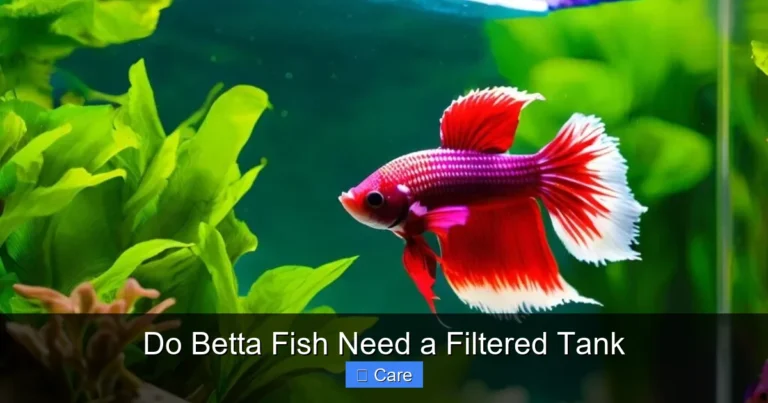
How to Change Water Betta Fish for a Healthy Tank

Changing water for your betta fish is one of the most important tasks you can do to keep your pet healthy and happy. In this guide, you will learn exactly how to change water betta fish without stressing your fish or disrupting your tank cycle. We cover water preparation, safe replacement steps, and common mistakes that many new owners make. By following these simple tips, you can maintain a clean, stable environment that supports your betta fish lifespan and overall wellness.
If you own a betta fish, you already know that clean water is the foundation of good health. Many new owners ask how to change water betta fish without causing stress or harming the tank balance. The good news is that the process is simple once you understand the basics. A steady routine keeps your fish comfortable and helps your aquarium stay stable.
Water quality affects everything from breathing to color, appetite, and energy. Even a beautiful tank can become risky if waste, uneaten food, and dissolved compounds build up over time. That is why a thoughtful maintenance plan matters so much. In this guide, we will walk through each step in a friendly, practical way so you can care for your betta with confidence.
Key Takeaways
- Consistent schedule matters: Regular water changes keep toxins low and support a stable nitrogen cycle.
- Prepare water first: Always treat tap water with a conditioner and match the temperature before adding it to the tank.
- Replace small amounts: Changing 20 to 30 percent at a time reduces stress and protects beneficial bacteria.
- Clean gently: Use a gravel vacuum to remove waste without disturbing the substrate too much.
- Avoid sudden shifts: Keep pH, hardness, and temperature consistent to prevent shock.
- Watch your fish: Healthy bettas show vibrant color and active behavior after proper maintenance.
- Track your routine: A simple log helps you stay on schedule and notice changes early.
📑 Table of Contents
- Why Regular Water Changes Matter for Betta Fish
- How to Prepare Water Before You Start
- Step-by-Step Guide: How to Change Water Betta Fish
- Common Water Change Mistakes to Avoid
- Best Practices for a Healthy Betta Tank
- Quick Tips for Stress-Free Water Changes
- Expert Insights: Making Water Changes Easier Over Time
- Conclusion
Why Regular Water Changes Matter for Betta Fish
Bettas live in a small environment where waste can build up quickly. Fish produce ammonia through their gills and waste, and leftover food also breaks down into harmful compounds. If you ignore these buildup issues, your betta may become sluggish, lose color, or stop eating. Clean water supports a healthy nitrogen cycle and gives your fish a safe place to thrive.
Many people think a filtered tank solves everything, but filtration only helps. It does not remove all dissolved waste or replenish essential minerals. Partial water changes refresh the environment while keeping beneficial bacteria intact. This balance is the key to long-term success.
The Role of the Nitrogen Cycle
The nitrogen cycle is the process that converts toxic ammonia into less harmful compounds. First, beneficial bacteria turn ammonia into nitrite. Then another group of bacteria converts nitrite into nitrate. Nitrate is safer, but it still needs to be managed through regular water changes. When you understand this cycle, you can see why sudden large water changes can be a problem.
Signs Your Tank Needs Attention
You do not need to guess when it is time to maintain the tank. Watch for these signs:
- Cloudy or dull water
- A faint odor near the aquarium
- Excess food or debris on the substrate
- Slower movement or less interest in food
- Buildup on the glass or decorations
If you notice these clues, it is time to plan a careful water change. A small, consistent routine usually works better than waiting until the tank looks dirty.
How to Prepare Water Before You Start
Good preparation makes the whole process smoother. The most important step is to treat new water before it ever touches your fish. Tap water often contains chlorine or chloramine, which can harm your betta. A reliable water conditioner neutralizes these chemicals and makes the water safe.
You should also match the temperature closely. Bettas prefer warm, stable conditions, so adding cold water can cause shock. Use a thermometer and adjust the new water until it is close to the tank temperature. This simple step helps your fish stay calm during the change.
Choosing the Right Water Source
Not all water sources work the same way. Here is a quick comparison to help you decide.
- Tap water: Convenient and affordable, but must be treated with a conditioner.
- Bottled water: Can work well if it is suitable for fish, but check the label and mineral content.
- Filtered water: May reduce some impurities, but does not always remove chlorine fully.
- Distilled water: Very pure, but often lacks minerals and may need remineralization.
If you want more detail on water choices, you may find it helpful to read about using regular water for betta fish. The best option is the one that is safe, consistent, and easy for you to manage every week.
Temperature and Conditioner Tips
Keep these practical tips in mind:
- Use a water conditioner that matches your water source
- Add conditioner before the water enters the tank
- Stir gently to mix the treatment evenly
- Check temperature with a reliable thermometer
- Avoid using hot water directly from the tap
If you are wondering whether warmer water is okay, you can also look into adding warm water to a betta fish tank. The main goal is stability, not sudden changes.
Step-by-Step Guide: How to Change Water Betta Fish
Now let us walk through the process. This method is gentle, safe, and easy to repeat. You do not need fancy equipment, just a few basic tools and a calm approach.
Gather Your Supplies
Before you start, collect these items:
- Clean bucket used only for aquarium water
- Siphon or gravel vacuum
- Water conditioner
- Thermometer
- Clean cloth or paper towel
- Optional: small net for gentle handling
Using a bucket only for your aquarium helps prevent soap or cleaning residue from entering the tank. Even tiny amounts of household cleaner can be dangerous.
Remove a Portion of Water
Start by removing about 20 to 30 percent of the tank water. This amount is usually enough to refresh the environment without upsetting the balance. Use your siphon to draw water from the bottom while gently stirring the gravel. This helps lift waste trapped in the substrate.
Do not remove all the water at once unless you have a specific reason and know how to do it safely. Large changes can remove too many beneficial bacteria and stress your fish.
Clean the Substrate and Glass Carefully
While the water level is lower, you can tidy the tank. Slide the siphon across the gravel to remove debris. If algae is on the glass, wipe it with a clean aquarium-safe tool or algae pad. Avoid scrubbing too hard, because rough cleaning can disturb the tank more than necessary.
If you want to know more about routine care and water replacement, you can read whether betta fish need water changes. The short answer is yes, but the pace and method depend on your tank size and setup.
Add the New Water Slowly
Pour the prepared water in slowly so it does not splash or scare your fish. If possible, direct the flow toward a wall or use a plate to soften the current. A gentle approach keeps the substrate in place and reduces stress.
After adding the water, check the temperature again. If the tank has a heater, make sure it is still working properly. Stable warmth is one of the easiest ways to support a healthy betta.
Finish With a Quick Observation
Once the change is done, watch your betta for a few minutes. Look for normal breathing, steady swimming, and alert behavior. If your fish seems calm, you have likely done a great job. If it looks stressed, lower the light, reduce movement around the tank, and give it time to settle.
Common Water Change Mistakes to Avoid
Even experienced owners can make simple mistakes. The good news is that most of them are easy to prevent once you know what to watch for.
Changing Too Much Water at Once
A full water change may sound thorough, but it can be harsh. It may remove beneficial bacteria and create a sudden shift in water chemistry. Partial changes are safer and usually more effective for ongoing care.
Using Untreated Tap Water
Tap water is convenient, but it often needs treatment. Chlorine and chloramine can irritate your fish and damage the tank environment. Always use a conditioner unless you are certain your water source is safe for aquarium use.
Ignoring Temperature Differences
Temperature shock is a real concern. Even a few degrees of difference can make your betta uncomfortable. Match the new water to the tank before adding it, and check the heater afterward.
Overcleaning the Tank
A spotless tank sounds ideal, but too much cleaning can do more harm than good. Beneficial bacteria live on surfaces, including gravel and decorations. Clean with care and keep some of the existing tank environment intact.
Inconsistent Schedules
Waiting too long between changes allows waste to build up. On the other hand, changing water too often can also stress the tank. Find a steady rhythm that fits your setup and stick with it.
If you are ever unsure about what happens when maintenance is delayed, you might review what happens if you do not change betta fish water for a month. That kind of gap usually shows why consistency matters so much.
Best Practices for a Healthy Betta Tank
A good water change routine works best when it is part of a larger care plan. The following habits help keep your tank stable and your betta comfortable.
Keep a Simple Maintenance Schedule
Choose a day each week or every other week for tank care. A regular schedule makes the task easier and helps you notice problems early. Write down the date, the amount of water changed, and any observations about your fish.
Feed Lightly and Remove Extra Food
Overfeeding is one of the fastest ways to dirty a tank. Offer only what your betta can eat in a short time, and remove leftovers after a few minutes. Less waste means cleaner water and fewer issues between changes.
Test Water When Needed
Testing kits can help you understand what is happening in the tank. They are especially useful if you are setting up a new aquarium or noticing unusual behavior. Watching ammonia, nitrite, and nitrate levels can guide your maintenance plan.
Maintain Good Filtration
A filter can support water clarity and help process waste, but it still needs maintenance. Rinse filter media in old tank water rather than tap water so you do not remove too many beneficial bacteria. If you are wondering whether filtration is required, you can explore whether betta fish need to be in a filtered tank.
Watch Your Fish as Your Best Indicator
Your betta can tell you a lot through its behavior. Active swimming, steady breathing, and bright color are good signs. Hiding, clamped fins, or loss of interest in food may mean something is off. Use your eyes as well as your schedule.
If you notice unusual hiding or stress, you may also want to learn more about whether betta fish hide to die. Understanding behavior helps you respond quickly and calmly.
Quick Tips for Stress-Free Water Changes
- Work slowly and keep your movements calm
- Use a dedicated bucket to avoid contaminants
- Treat water before adding it to the tank
- Match temperature closely for a smooth transition
- Remove waste from the substrate, not just the surface
- Keep lighting soft during the process if your fish seems nervous
- Record your routine so you can stay consistent
Expert Insights: Making Water Changes Easier Over Time
The easiest routine is the one you can repeat without stress. Many owners find that preparation saves time. Keep conditioner, a siphon, and a clean bucket nearby so you are ready when it is time for maintenance. It also helps to learn your tank’s normal look and behavior, because that makes changes easier to spot.
Another helpful habit is to observe your betta before and after each water change. Over time, you will learn how your fish responds to different amounts, temperatures, and cleaning methods. That knowledge makes you a more confident caretaker.
If you ever feel uncertain about water quality or behavior, it is smart to slow down and check the basics first. Stable temperature, treated water, and gentle handling solve many common problems. Small improvements add up quickly.
Conclusion
Learning how to change water betta fish is one of the most valuable skills you can build as an owner. A steady routine keeps your tank cleaner, your water safer, and your betta more comfortable. Focus on preparation, gentle removal, and consistent scheduling, and your aquarium will be much easier to manage.
Clean water does not just look better. It supports breathing, behavior, color, and long-term health. With a little practice, water changes become a simple part of caring for your fish. Stay patient, stay consistent, and your betta will thank you with a healthier, more active life.
Frequently Asked Questions
How often should I change water for a betta fish?
Most betta tanks do well with a partial water change every one to two weeks, though the exact schedule depends on tank size and filtration. Smaller tanks may need more frequent care, while larger filtered setups may need less. Watch your water clarity and your fish’s behavior to fine-tune the routine.
Can I use tap water when I change water betta fish?
Yes, tap water can be used if you treat it first with a proper aquarium conditioner to remove chlorine or chloramine. You should also match the temperature before adding it to the tank. Untreated tap water can irritate your fish and disrupt the tank environment.
How much water should I remove during a change?
A common approach is to remove about 20 to 30 percent of the water at a time. This helps refresh the tank without causing a major shift in water chemistry. Full water changes are usually unnecessary and can stress your fish if done too often.
Do I need to clean the gravel every time I change water betta fish?
You do not need a deep clean every time, but it helps to vacuum the substrate lightly to remove waste and leftover food. Gentle cleaning keeps the tank healthier without disturbing beneficial bacteria too much. Save deeper scrubbing for occasional maintenance.
What temperature should the new water be?
The new water should be close to the temperature already in the tank so your betta does not experience shock. Use a thermometer and adjust the water before adding it. Stable warmth is especially important for bettas because they prefer consistent conditions.
Why does my betta seem stressed after a water change?
Stress can happen if the water temperature changed too much, the water was not treated properly, or the process was too abrupt. Try adding water more slowly, matching conditions carefully, and keeping the tank area calm. If stress continues, check your water source, conditioner, and filtration setup.