What Fish Can Go With A Male Betta For A Happy Tank
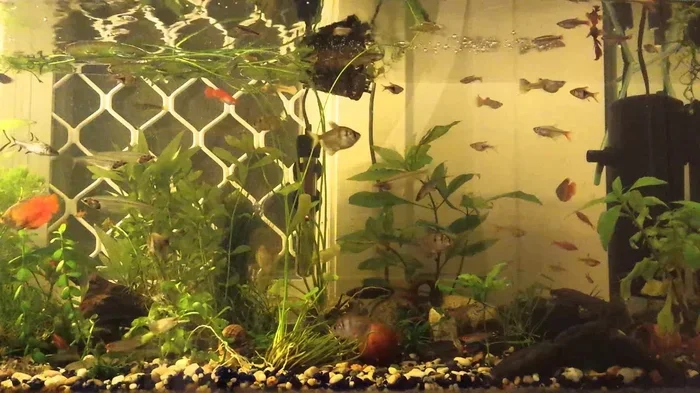
Choosing the right tank mates is key to a peaceful aquarium. Many fish can live happily with your betta if you pick calm, non-aggressive species that do not nip fins. What fish can go with a male betta depends on tank size, water conditions, and careful introductions. This guide shows you the best options, safe pairings, and simple tips for a thriving community tank.
Keeping a male betta is a joy. These bright fish bring color and personality to any room. But many new owners ask the same question: what fish can go with a male betta? The answer is not simple. Bettas have bold temperaments. Some fish make great friends. Others cause stress or fights. With the right choices, you can build a calm and beautiful community tank.
This guide breaks down everything you need to know. You will learn which fish are safe, which ones to skip, and how to set up your tank for success. We keep things simple and practical. No jargon. No guesswork. Just clear advice you can use right away.
Key Takeaways
- Pick peaceful tank mates: Choose calm, slow-moving fish that will not trigger your betta’s aggression.
- Watch tank size: A bigger tank gives every fish enough space to swim and hide.
- Avoid fin-nippers: Fish that chase or nip fins can stress and hurt your betta.
- Add hiding spots: Plants, caves, and decorations help fish feel safe and reduce conflict.
- Introduce slowly: Add new fish one at a time and watch for signs of stress.
- Match water needs: Pick fish that thrive in the same warm, clean water your betta likes.
- Monitor behavior: Separate fish early if you see chasing, hiding, or loss of appetite.
📑 Table of Contents
- Best Fish Companions for Your Male Betta
- How Tank Size and Setup Affect Compatibility
- Feeding and Maintenance in a Community Tank
- The Role of Schooling Fish and Bottom Dwellers
- Introducing New Fish the Right Way
- Common Mistakes When Pairing Fish with a Male Betta
- Expert Tips for a Happy Community Tank
- Final Thoughts on What Fish Can Go With a Male Betta
Best Fish Companions for Your Male Betta
The best tank mates share a few key traits. They stay calm. They do not chase. They do not nip fins. They also prefer the same warm water your betta loves. When you pick fish with these traits, you lower the chance of trouble. You also give every fish a better chance to thrive.
Start by thinking about your betta’s personality. Some males are very relaxed. Others are quite feisty. A calm betta can handle more companions. A bold betta may need fewer tank mates. Watch your fish closely during the first few days. Early signs tell you a lot.
Here are some of the safest choices for many aquariums:
- Small schooling fish: These fish swim in groups and tend to keep to themselves. A busy school can distract a betta and reduce focus on one target.
- Bottom dwellers: Fish that stay near the substrate leave the upper zones for your betta. This separation lowers conflict.
- Peaceful mid-water fish: Slow, gentle swimmers work well when they do not flash bright colors or long fins.
You can also add soft plants and hiding spots. These give shy fish a place to rest. They also break the line of sight. That simple change can calm a tense tank.
Top Peaceful Tank Mates to Consider
When people ask what fish can go with a male betta, a few names come up again and again. These fish are known for calm behavior and compatible needs. Each one can work well in the right setup.
Neon tetras are a popular choice. They are small, colorful, and active. They do best in groups, so you need room for a small school. Their quick movement can sometimes catch a betta’s eye, so watch the first few days closely. For more detail on this pairing, see Can A Male Betta Fish Live With Neon Tetras.
Corydoras catfish are another strong option. These gentle bottom dwellers spend most of their time scavenging the substrate. They rarely bother other fish. They also help keep the tank floor clean. Their calm nature makes them a solid match for many bettas.
Snails can be helpful roommates. They graze on algae and leftover food. They move slowly and rarely cause stress. Many bettas ignore them completely. If you want to learn more, check Can You Put A Snail With A Betta Fish.
Certain small loaches and peaceful bottom feeders may also work. The key is to avoid active, aggressive, or fin-nipping species. Always research the exact fish before you buy. Common names can be misleading.
Fish to Avoid with a Male Betta
Some fish simply do not fit well with a male betta. The risks are too high. These species may chase, nip, or outcompete your betta for food. Others need very different water conditions. Mixing them can lead to stress, injury, or illness.
Here are common types to skip:
- Fin-nippers: These fish target long fins. Your betta’s beautiful tail can become a problem in the wrong tank.
- Large or aggressive fish: Bigger fish may bully your betta or see him as a threat.
- Bright, flashy species: Some fish trigger chasing behavior. A betta may view them as rivals.
- Cold-water fish: Species that prefer cooler water do not match a betta’s warm-tank needs.
For example, goldfish are a poor match. They grow large, produce a lot of waste, and prefer cooler water. If you want to understand why, read Can You Put A Male Betta Fish With Goldfish.
It is also wise to avoid fish with very similar colors or flowing shapes. A betta may mistake them for another male. This can lead to constant chasing. When in doubt, choose species that look and act very different from your betta.
How Tank Size and Setup Affect Compatibility
Tank size matters a lot. A small bowl or tiny tank gives fish nowhere to escape. That setup can turn minor tension into real trouble. A larger tank gives everyone more space. It also supports better water quality. Both things help reduce stress.
A good rule is to give your betta plenty of horizontal swimming room. Wide tanks often work better than tall, narrow ones. Different fish use different zones in the tank. Bottom dwellers stay low. Mid-water fish cruise the center. Your betta often claims the upper areas. This natural separation helps everyone share the space.
Water quality is another big factor. Bettas need clean, warm water with gentle flow. Strong currents can tire them out. Poor water can weaken their immune system. When you add more fish, the tank works harder. You need a reliable filter and a regular maintenance routine. If you are unsure about filtration, see Can You Use A Filter With Betta Fish.
Creating a Safe Environment for All Fish
A well-planned tank makes a huge difference. Start with a stable heater and a good filter. Keep the temperature in a range that suits your betta and his tank mates. Add plants, driftwood, and smooth decorations. These create visual barriers and hiding spots. They also give shrimp, snails, and small fish a place to feel secure.
Live plants can help in many ways. They absorb waste, add oxygen, and offer cover. If you want to explore plant options, read Can You Put A Live Plant With Betta Fish. Soft plants are usually best. Sharp decorations can tear fins. Always check materials before you place them in the tank.
Lighting matters too. Bright light all day can stress some fish. A regular day-night cycle works better. Give your tank a few hours of darkness each night. This simple routine supports healthier fish and better behavior.
Signs Your Betta Is Stressed by Tank Mates
Even with good planning, problems can happen. Watch your betta closely after adding new fish. Stress signs often show up early. Catching them fast helps you act before things get worse.
Look for these warning signs:
- Hiding constantly: A betta that stays hidden may feel threatened.
- Loss of color: Faded colors can signal stress or illness.
- Clamped fins: Fins held close to the body often mean discomfort.
- Low appetite: Skipping meals is a red flag.
- Frequent chasing or flaring: Some flaring is normal. Constant aggression is not.
If you see these signs, do not panic. Move the new fish if needed. Add more cover. Reduce the number of tank mates. Sometimes a simple change solves the problem. Other times, one fish simply does better alone. That is okay. Your betta’s comfort comes first.
Feeding and Maintenance in a Community Tank
Feeding gets trickier once you add more fish. Bettas are surface feeders with hearty appetites. Other fish may prefer different foods or feeding zones. You need a plan that works for everyone. Uneaten food can cloud the water and raise ammonia. That is bad for all fish.
Try these simple feeding tips:
- Offer small portions: Feed only what your fish can eat in a few minutes.
- Use multiple feeding spots: Drop food at different areas so shy fish can eat too.
- Watch for competition: Make sure your betta is not bulldozing every meal.
- Remove leftovers: Clean up extra food to keep water clean.
Maintenance becomes more important in a community tank. Test the water regularly. Check temperature, pH, and ammonia levels. Do partial water changes on a steady schedule. Clean the filter as needed, but do not scrub away all beneficial bacteria. A stable tank is a happy tank.
If you ever wonder how long your fish can handle routine changes, you may find this helpful: Can Your Betta Fish Go A Weekend Without Food. Planning ahead makes care much easier.
The Role of Schooling Fish and Bottom Dwellers
Schooling fish and bottom dwellers often work well in a betta tank. They fill different roles and use different parts of the aquarium. This creates a balanced environment. It also gives your betta less reason to focus on one fish.
Schooling fish bring movement and color. A small group can look stunning. They also tend to spread attention across the school. That can reduce targeting. The key is to choose species that are not too fast or aggressive. You also need enough space for a proper group. A lone schooling fish often feels stressed.
Bottom dwellers are useful and peaceful. They spend their time foraging below. That leaves the upper and middle zones for your betta. Many bottom dwellers are hardy and easy to care for. They can also help keep the substrate cleaner. Just make sure the species you choose is truly gentle and compatible with warm water.
If you want to explore more compatible fish types, you may like Can You Put Other Fish With A Female Betta. The general principles are similar, though temperament can vary by individual fish.
Choosing the Right School Size
School size matters. Too few fish can make a schooling species nervous. Too many fish can overcrowd the tank. You want a balance. A small, stable school is often the best starting point for a home aquarium. This gives the fish confidence without overwhelming the tank.
Also think about swimming style. Some schooling fish dart around a lot. That movement can excite a betta. Others swim more calmly. Calmer groups are usually easier to manage. Always observe behavior after adding them. If your betta starts chasing the whole school, you may need to adjust the setup or remove the new fish.
Introducing New Fish the Right Way
A careful introduction can prevent many problems. Do not just drop new fish into the tank and hope for the best. Take your time. A slow, steady approach gives fish a chance to adjust. It also helps you spot issues early.
Here is a simple process:
- Quarantine new fish: Keep them separate for a short period if possible. This helps reduce disease risk.
- Match water conditions: Make sure temperature and water parameters are similar.
- Add one group at a time: Avoid adding many new fish on the same day.
- Watch the first hours: Look for chasing, hiding, or panic behavior.
- Be ready to intervene: Have a plan if aggression starts.
Sometimes a tank divider helps during the introduction phase. It lets fish see each other without full contact. That can ease the transition. If you already keep other fish with your betta, you may want to review Can You Put Other Fish In With A Male Betta for more context on compatible setups.
Patience pays off. A calm introduction often leads to a more stable tank. Rushing the process can create problems that take weeks to fix.
When to Separate or Rehome Tank Mates
Sometimes a pairing does not work. That is normal. Not every fish gets along, even when the species should be compatible. Individual personalities matter. If aggression continues, separate the fish. Your betta’s safety and peace come first.
Watch for repeated chasing, injured fins, or a fish that never comes out to eat. These are clear signs that the setup is not working. Move the aggressive fish if you can. If not, consider a different arrangement. A successful tank is one where every fish can rest, eat, and swim without fear.
Common Mistakes When Pairing Fish with a Male Betta
Many new aquarists make the same mistakes. Avoiding them saves time, money, and stress. Here are the most common ones:
- Overcrowding the tank: Too many fish create competition and poor water quality.
- Picking flashy or fin-nipping fish: These can trigger aggression or cause physical harm.
- Ignoring individual temperament: Two fish of the same species can behave very differently.
- Skipping the quarantine step: This can introduce disease into your main tank.
- Adding too many fish at once: Sudden changes stress all the fish.
- Forgetting hiding spots: Without cover, shy fish have nowhere to feel safe.
Another mistake is assuming a betta will always be the problem. Sometimes the other fish cause the trouble. Sometimes the tank setup is the real issue. Look at the whole picture before you decide what went wrong.
Expert Tips for a Happy Community Tank
Experienced keepers focus on balance. They choose fish carefully. They plan the layout. They monitor behavior every day. You can do the same with a few simple habits.
Start small. Add one or two compatible species first. Give the tank time to settle. Watch how your betta reacts. If things go well, you can consider more additions later. If not, stop there. A smaller, peaceful tank is better than a crowded, stressful one.
Keep a simple log. Note feeding, behavior, and water changes. Small details help you spot patterns. Maybe your betta flares more after a water change. Maybe a certain tank mate hides all day. These clues guide better decisions.
Also remember that a betta can live a full life alone. A solo tank is not a failure. It is a valid choice. If your betta prefers peace, give him that peace. The goal is a healthy, content fish, not a crowded aquarium.
Final Thoughts on What Fish Can Go With a Male Betta
So, what fish can go with a male betta? The best answer is simple: choose calm, compatible tank mates that respect your betta’s space. Pick species that share similar water needs. Avoid fin-nippers and aggressive fish. Give the tank enough room, clean water, and plenty of cover. Then watch closely and adjust as needed.
A community tank can be beautiful and rewarding. It can also be simple and peaceful when you plan well. Your betta does not need a crowd. He needs the right neighbors. With thoughtful choices, you can create a tank where every fish feels safe and comfortable.
Frequently Asked Questions
What fish can go with a male betta in a small tank?
In a small tank, stick to one or two very peaceful species, such as snails or small bottom dwellers. Keep the group simple so the water stays clean and your betta has enough space.
Can a male betta live with neon tetras?
Yes, many bettas can live with neon tetras if the tank is large enough and the tetras are kept in a small school. Watch for chasing during the first few days, since active schooling fish can sometimes trigger a betta’s interest.
What fish should I avoid putting with a male betta?
Avoid fin-nippers, large aggressive fish, and cold-water species like goldfish. These can stress your betta, damage his fins, or need very different water conditions.
How many fish can I add to a betta tank?
That depends on tank size, filtration, and your betta’s temperament. Start with just one compatible group and add more only if the tank stays calm and the water remains healthy.
Do snails work well as betta tank mates?
Yes, snails are often a good choice because they move slowly and usually ignore other fish. They can help clean up algae and leftover food, but you still need proper tank size and water care.
How do I know if my betta is stressed by new fish?
Signs include constant hiding, faded color, clamped fins, and refusing food. If you see these problems, add more hiding spots, reduce the number of tank mates, or separate the fish if needed.