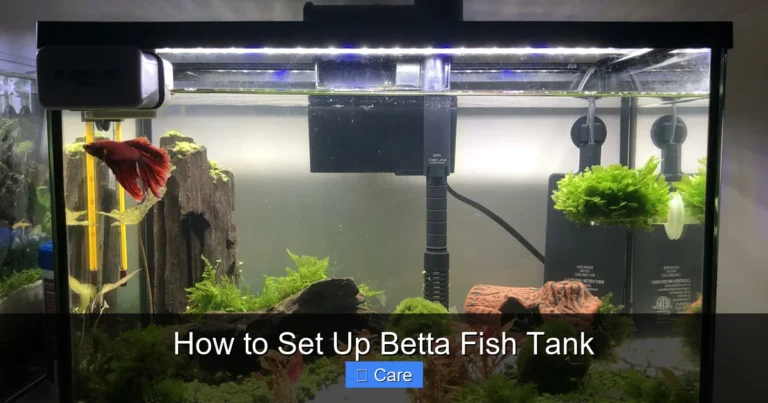
What Fish Can Be Put With Bettas For A Safe Tank
Choosing the right tank mates is crucial for a happy betta fish. Many owners ask what fish can be put with bettas without causing stress or fights. Peaceful, non-fin-nipping species work best in a well-planted tank. Always watch behavior closely during the first few weeks. A calm community tank is possible with careful planning.
Keeping a betta fish is a wonderful experience. Their bright colors and flowing fins make them a favorite for home aquariums. Many people want to add more fish to the tank. They often wonder what fish can be put with bettas safely. The answer is not simple. Bettas have strong personalities. Some are calm. Others are very territorial. You need to pick tank mates carefully. This guide will help you make the right choice.
A community tank can look amazing. It adds movement and life to your room. But you must protect your betta first. Stress can make them sick. Fin damage can lead to infection. The good news is that many peaceful fish work well. You just need to match their needs. Water temperature, tank size, and behavior all matter. Let us walk through everything step by step.
Key Takeaways
- Tank size matters: A minimum 20-gallon tank gives everyone enough space to swim and hide.
- Avoid fin nippers: Fish like tiger barbs will stress your betta and damage their beautiful fins.
- Pick peaceful species: Small, calm fish like neon tetras or corydoras often do well together.
- Watch water conditions: Bettas prefer warm, calm water, so choose mates with similar needs.
- Introduce slowly: Add new fish gradually and monitor aggression during the first few days.
- Provide hiding spots: Plants, rocks, and caves help reduce stress and territorial behavior.
- Never house two males together: Male bettas will fight, so keep them alone or with other species only.
📑 Table of Contents
- Understanding Betta Behavior Before Adding Tank Mates
- What Fish Can Be Put With Bettas Safely
- Best Tank Mates for a Peaceful Community Setup
- Fish to Avoid When Keeping Bettas
- How to Introduce New Fish to a Betta Tank
- Setting Up the Ideal Tank for Mixed Species
- Expert Insights on Betta Tank Mates
- Final Thoughts on Choosing the Right Tank Mates
Understanding Betta Behavior Before Adding Tank Mates
Bettas are not like most other fish. They are known for their bold nature. Male bettas especially will defend their space. They may flare their gills or chase other fish. This does not mean they are mean. It is just how they survive in the wild. In small ponds, they claim a territory and guard it.
You should watch your betta closely before adding anyone else. Some bettas ignore other fish completely. Others will attack anything that swims near them. Age and gender also play a role. Older bettas are often calmer. Younger ones can be more active and aggressive. Female bettas are usually less aggressive than males. But they can still show territorial behavior.
Key Behavioral Traits to Watch
Here are a few signs that your betta may tolerate tank mates:
- Calm swimming: They glide around without constant chasing.
- Little flaring: They do not puff up at every movement.
- Normal eating: They feed without stress or hiding.
- Resting peacefully: They sleep near plants or decorations without tension.
If your betta shows these signs, you have a better chance of success. If they seem stressed or aggressive, it is best to keep them alone. You can always try again later with different fish.
What Fish Can Be Put With Bettas Safely
Many people search for what fish can be put with bettas because they want a lively tank. The best choices are small, peaceful, and fast enough to avoid trouble. They should not have long, bright fins that trigger chasing. They should also share similar water needs. Bettas thrive in warm water around 78 to 80 degrees Fahrenheit. Tank mates must handle those conditions too.
Schooling fish are often a great option. They feel safer in groups and tend to stay in the middle or bottom of the tank. This leaves the top area for your betta. Bottom dwellers are also helpful. They clean up leftover food and rarely bother other fish. Just avoid anything that nips fins or acts overly bold.
Top Peaceful Tank Mates to Consider
Here are some reliable choices that often work well:
- Neon tetras: Small, calm, and best kept in groups of six or more.
- Corydoras catfish: Gentle bottom feeders that stay out of the way.
- Harlequin rasboras: Peaceful schooling fish that handle warm water well.
- Small loaches: Some species stay small and keep to the lower levels.
- Certain livebearers: Fast swimmers that can avoid trouble if the tank is large enough.
You should always research each species before buying. Some fish look peaceful but become bold in a tank. Others need different water conditions. Matching their needs is the key to long-term success.
Best Tank Mates for a Peaceful Community Setup
Building a community tank takes planning. You cannot just drop in random fish and hope for the best. The tank size must be large enough for everyone. A 20-gallon tank is a solid starting point. It gives your betta room to claim a territory while others use the rest of the space. Smaller tanks create tension quickly.
Water flow is another important factor. Bettas prefer calm water. Their long fins make it hard to swim in strong currents. Choose a gentle filter and avoid powerful water pumps. Plants and decorations also help. They break the line of sight and give fish places to hide. This reduces stress and prevents constant chasing.
How to Choose Compatible Species
When you think about what fish can be put with bettas, use this simple checklist:
- Size: Pick fish that are not too small to be seen as food.
- Temperament: Avoid bold or aggressive species.
- Fin shape: Stay away from fish with long, colorful fins.
- Water needs: Match temperature, pH, and hardness.
- Swimming zone: Choose fish that use different parts of the tank.
Following these rules will save you time and heartache. It also gives your betta the best chance to stay healthy. A well-matched tank looks beautiful and stays peaceful.
Fish to Avoid When Keeping Bettas
Not every fish is a good match. Some species will cause stress or injury. You must avoid fish that nip fins. Bettas have long, delicate fins that tear easily. Once damaged, fins can lead to infection. This is why tiger barbs and similar species are a bad idea. They are known for chasing and biting.
Large or aggressive fish are also risky. They may bully your betta or outcompete them for food. Even fish that look calm can become territorial in a small space. Goldfish are another poor choice. They produce a lot of waste and prefer cooler water. Bettas need warm, clean water to stay healthy. Mixing them causes problems for both.
Common Mistakes New Owners Make
Here are a few errors to avoid:
- Adding too many fish at once: This overwhelms the tank and spikes stress.
- Ignoring tank size: Small tanks lead to fights and poor water quality.
- Choosing lookalikes: Bright fins and similar colors can trigger chasing.
- Skipping the quarantine: New fish can bring disease into your tank.
- Forgetting hiding spots: Without cover, weaker fish have nowhere to rest.
Avoiding these mistakes will keep your tank stable. It also protects your betta from unnecessary stress. A little planning goes a long way.
How to Introduce New Fish to a Betta Tank
Adding new fish is a careful process. You cannot rush it. Start by preparing the tank. Make sure the water is clean and the temperature is stable. Add plants and decorations first. Give your betta time to settle before any new arrivals. This makes the transition smoother.
When you bring new fish home, keep them in a separate bag or container. Float the bag in the tank for temperature matching. Then slowly mix some tank water into the bag. This helps the fish adjust to the new water. After that, release them gently into the tank. Watch the reaction closely.
Monitoring the First Few Weeks
The first days are the most important. Look for these signs:
- Chasing: Some chasing is normal at first. Constant chasing is not.
- Hiding: New fish may hide for a day or two. That is okay.
- Flaring: Your betta may puff up. If it never stops, you may need to act.
- Loss of appetite: Stress can reduce feeding. Watch for recovery.
- Injuries: Check fins and bodies for tears or spots.
If aggression continues, you may need to remove the new fish. It is better to separate them than let injuries happen. You can try again later with different species. Patience is the best tool you have.
Setting Up the Ideal Tank for Mixed Species
A good setup makes everything easier. Start with a tank that holds at least 20 gallons. This gives each fish enough personal space. Add a soft substrate like sand or smooth gravel. It is easier on bottom dwellers and looks natural. Then add live or silk plants. They provide cover and help clean the water.
Lighting should be moderate. Too much light can stress shy fish. Too little makes plants struggle. A simple day-night cycle works best. Keep the filter gentle. Bettas do not like strong currents. A sponge filter or low-flow option is often ideal. Test the water regularly. Stable water keeps everyone healthy.
Quick Tips for a Smooth Community Tank
- Use a 20-gallon tank or larger for better space.
- Keep water at 78 to 80 degrees Fahrenheit.
- Add plants and caves for hiding spots.
- Choose calm, small tank mates that share water needs.
- Feed separately if one fish bullies others at meal time.
- Test water weekly to catch problems early.
These simple steps create a safer environment. They also make your tank easier to manage. A stable tank is a happy tank.
Expert Insights on Betta Tank Mates
Many experienced keepers agree on one thing: personality matters more than species names. Two bettas of the same type can act very differently. That is why you must observe your own fish. What works for one tank may not work for another. Flexibility is important.
Experts also recommend adding tank mates in small numbers first. A group of six small schooling fish is often better than a large mix of different species. It keeps the tank balanced and easier to monitor. Another key point is feeding. Make sure every fish gets food. Bettas can be fast eaters, so spread the food around.
Key Takeaways for Long-Term Success
- Watch your betta’s personality before adding anyone.
- Start with one group of peaceful tank mates.
- Keep the tank large enough for everyone.
- Maintain warm, clean, and calm water conditions.
- Be ready to separate fish if aggression grows.
These habits help you build a tank that lasts. They also reduce stress for you and your fish. Good planning leads to better results.
Final Thoughts on Choosing the Right Tank Mates
Finding the right companions for your betta is rewarding. It turns a single fish tank into a lively community. But it requires care and patience. You must think about behavior, size, and water needs. You also need to watch the tank closely after adding new fish. Small problems can become big ones if ignored.
When you ask what fish can be put with bettas, remember that there is no single perfect answer. The best choice depends on your betta and your setup. Peaceful, small, and calm fish usually work best. Avoid fin nippers and aggressive species. Give everyone enough space and hiding spots. With the right approach, your betta can share a tank happily.
Take your time. Observe often. Adjust when needed. A peaceful aquarium is worth the effort. Your betta will thank you with bright colors and active swimming.
Frequently Asked Questions
Can neon tetras live safely with a betta fish?
Yes, neon tetras can often live with a betta if the tank is large enough and the tetras are kept in a group. They are small, peaceful, and usually stay in the middle of the tank, which helps reduce conflict.
What fish should I never put with a betta?
You should avoid fin nippers like tiger barbs, very aggressive fish, and species that need cooler water such as goldfish. These choices can stress your betta or damage their fins.
Can I keep two male bettas together in one tank?
No, two male bettas should not share the same tank. They are highly territorial and will likely fight, which can cause serious injury.
Do female bettas get along better with other fish?
Female bettas are often calmer than males, but they can still show territorial behavior. They may do better with peaceful tank mates, but careful monitoring is still important.
How big should a tank be for betta tank mates?
A 20-gallon tank or larger is a good choice for a community setup. More space reduces tension and gives each fish a chance to claim its own area.
What are the best bottom dwellers for a betta tank?
Corydoras catfish are among the best options because they are gentle and stay near the bottom. They also help clean up leftover food without bothering your betta.