What Fish Can You Put With a Betta Fish for Peaceful Tanks

Choosing the right tank mates is crucial for a happy betta. Many people ask what fish can you put with a betta fish because these beauties can be feisty. We will guide you through safe options like tetras and snails. You will learn how to avoid aggression and build a peaceful tank. This guide covers everything you need for success.
Keeping a betta fish is a wonderful hobby. They are colorful and full of personality. But many owners want more than just one fish. You might wonder what fish can you put with a betta fish. This is a very common question. The answer is not always simple. Bettas can be aggressive toward other fish. They are also known as Siamese fighting fish. This name tells you a lot about their nature.
You need to be careful when choosing friends for your betta. Some fish will fight them. Others might nip their beautiful fins. But don’t worry. There are many safe options. You can create a beautiful community tank. It just takes some planning. We will help you make the right choice. You want your betta to be happy and healthy.
Key Takeaways
- Temperament Matters: Choose peaceful, non-nipping fish to avoid stress.
- Tank Size Is Key: A larger tank reduces territory disputes.
- Avoid Fin Nippers: Fish like tiger barbs can hurt your betta.
- Bottom Dwellers Work Well: Snails and plecos often stay out of the way.
- Watch Water Parameters: All fish need similar temperature and pH levels.
- Introduce Slowly: Acclimate new fish carefully to prevent shock.
- Monitor Behavior: Be ready to separate fish if aggression starts.
📑 Table of Contents
Understanding Betta Behavior
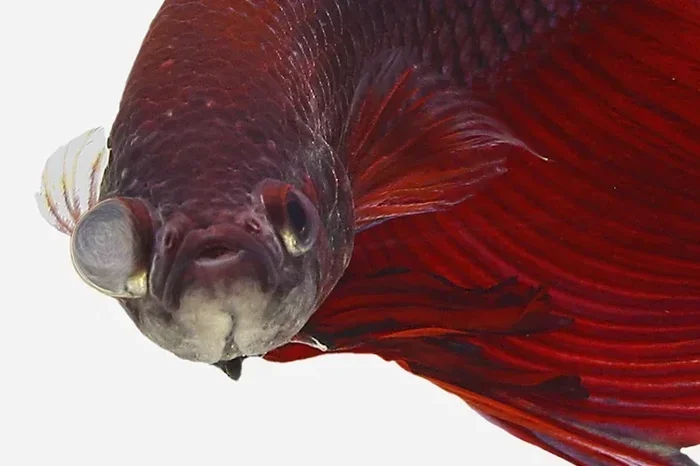
Before you add any fish, you must understand your betta. Male bettas are the most common pets. They are very territorial. They flare their gills to show anger. They might chase other fish away. This is normal behavior for them. You need to respect this trait.
Female bettas are often calmer. But they can still be aggressive. They sometimes do better in groups. This is called a sorority. But mixing them with other species is tricky. You need to watch them closely. Every fish has its own personality. What works for one might not work for another.
Temperament and Territory
Your betta sees the tank as his home. He will defend his space. This is why tank size matters so much. A small tank feels crowded. A large tank gives everyone room. You should aim for at least 20 gallons. This gives your betta enough space. It also gives new fish places to hide.
Some bettas are very calm. Others are very bold. You know your fish best. Watch how he acts during feeding. Does he chase you? Does he hide? These clues help you decide. If he is very aggressive, keep him alone. There is no shame in a single-fish tank. It is often the best choice.
Safe Schooling Fish Options
Schooling fish can be great friends. They swim in groups. This distracts the betta. The betta focuses on the school, not one fish. But you must choose the right species. Some schooling fish are too fast. Others are too colorful. Bright colors can trigger aggression.
Neon tetras are a popular choice. They are small and peaceful. They swim in the middle of the tank. This leaves the bottom and top open. You need at least six tetras. A small group makes them feel safe. They will not bother your betta. You can read more about this in our guide on can you put a betta fish with neon tetras.
Other Peaceful Schoolers
Harlequin rasboras are another good option. They are hardy and calm. They have a black triangle shape. This looks nice against colorful bettas. Corydoras catfish are also great. They stay at the bottom. They sift through the sand. They rarely interact with the betta. This is perfect for avoiding fights.
You should avoid tiger barbs. They are known fin nippers. They will bite your betta’s fins. This causes pain and infection. It can even kill your betta. Always research before you buy. Ask your local fish store for advice. They know which fish are peaceful.
Bottom Dwellers and Cleaners
Adding a cleaner is a smart idea. They help keep the tank clean. But they must be safe for bettas. Plecos are often suggested. But common plecos get too big. They need huge tanks. You should look for smaller species. The bristlenose pleco is a better choice. You can learn more in our article about can you put a pleco with a betta fish.
Snails are also excellent cleaners. They eat algae and waste. They move very slowly. Your betta will likely ignore them. Nerite snails are very hardy. Mystery snails are also popular. They add nice color to the tank. Just make sure they have calcium. You might wonder can you put calcium in water with a betta fish. It is important for their shells.
Shrimp and Other Small Inverts
Shrimp can be interesting tank mates. Cherry shrimp are small and red. They look great with blue bettas. But be careful. Bettas might eat them. Shrimp are part of their natural diet. If you want shrimp to survive, give them hiding spots. Java moss is perfect for this. You can read more about can you put a betta fish with shrimp to see if it fits your setup.
Frogs are another option. African dwarf frogs live in water. They are quiet and peaceful. They stay mostly at the bottom. They might compete for food though. You need to make sure everyone eats. Check out our info on can you put a betta fish with a frog for more details.
Fish to Avoid Completely
Some fish are never safe. You should never mix these with a betta. Goldfish are a big no. They get too big and messy. They also prefer cooler water. Bettas need warm water. This is a major mismatch. You can see why in our post about can you put a male betta fish with goldfish.
Angelfish are also risky. They are cichlids. They can be aggressive. They might see the betta as a threat. Their long fins might also tempt nippers. It is better to keep them separate. You should also avoid large catfish. They might eat your betta. Size matters a lot in aquarium compatibility.
Aggressive Species
Avoid any fish with long flowing fins. These look like other bettas. This triggers aggression. Guppies with long tails are risky. Some males might chase them. It depends on the individual fish. But it is a common problem. You can read about can you put a betta fish with fancy tail guppies before trying.
Also avoid fish that are too bright. Neon colors can anger your betta. He might think they are rivals. Stick to duller colors if possible. Earth tones are safer. This helps your betta feel calm. A calm fish is a healthy fish.
Setting Up the Community Tank
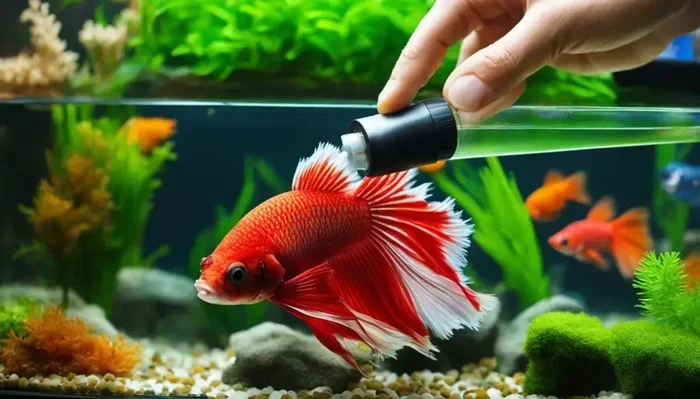
Preparation is everything. You need the right gear. Start with a good filter. It must not create too much flow. Bettas hate strong currents. They are not strong swimmers. A sponge filter is often best. It provides gentle filtration.
Heaters are also critical. Bettas need warm water. Keep the temperature between 78 and 80 degrees. Other fish need this too. Most tropical fish like this range. Buy a good thermometer. Check the water every day. Consistency is key for health.
Hiding Places and Plants
Plants are very important. They break up line of sight. This stops chasing. If a fish gets chased, it can hide. Live plants are best. They improve water quality too. Anubias and Java fern are hardy. They do not need strong light. You can learn more about can you put a live water plant with betta fish.
Caves and rocks also help. Give bottom dwellers places to rest. This makes them feel secure. It also gives your betta territories to defend. When everyone has a spot, there is less fighting. Arrange the tank before adding fish. Let them settle in first.
Introducing New Tank Mates
Adding fish takes time. Do not just dump them in. This causes shock. It also spikes ammonia. Use the drip method. Float the bag first. Match the temperature slowly. Then add some tank water to the bag. This helps them adjust.
Turn off the lights. This calms the fish. It reduces stress during the move. Watch them closely for the first week. Look for signs of bullying. Are fins clamped? Is anyone hiding all the time? These are bad signs. Be ready to remove a fish if needed.
Monitoring Health and Harmony
Keep an eye on water quality. More fish mean more waste. Test your water weekly. Ammonia and nitrite must be zero. Nitrate should be low. Do regular water changes. This keeps everyone healthy. A clean tank prevents disease.
Watch feeding time closely. Make sure shy fish eat. Bettas can be greedy. They might eat all the food. Use multiple feeding spots. This ensures everyone gets a meal. A well-fed tank is a happy tank. You want all your fish to thrive.
Conclusion
Finding the right friends for your betta takes effort. But it is worth it. A community tank is beautiful to watch. You just need to choose wisely. Remember what fish can you put with a betta fish depends on many factors. Temperament, size, and water needs all matter.
Start with safe options like tetras or snails. Give them plenty of space and hiding spots. Monitor them closely at first. Be ready to make changes if needed. Your betta’s health comes first. With care, you can have a peaceful aquarium. Enjoy your underwater world.
Frequently Asked Questions
Can I put two male bettas together?
No, you should never put two male bettas in the same tank. They will fight and injure each other. This is very dangerous for their health.
What is the best tank size for betta tank mates?
A 20-gallon tank is ideal for adding other fish. It gives enough space for everyone to swim. Smaller tanks often lead to aggression.
Do bettas eat snails?
Sometimes bettas might nip at snails. But most snails are safe. Nerite and mystery snails are usually ignored by bettas.
Can I keep shrimp with my betta?
You can try, but bettas may eat small shrimp. Provide lots of plants for hiding spots. Larger shrimp have a better chance of survival.
Why are my betta and new fish fighting?
This happens if the tank is too small. It can also happen if the new fish is too bright. Watch them closely and separate if needed.
How many tetras should I add with a betta?
You should add at least six tetras. They feel safer in a group. This also distracts the betta from focusing on one fish.