Can I Let My Betta Fish Go in the Lake

Releasing your betta fish into a lake is a terrible idea that can harm the environment, spread disease, and almost certainly kill your fish. There are far better and more humane alternatives for rehoming your betta if you can no longer care for it.
Key Takeaways
- Betta fish are tropical freshwater fish that cannot survive in most lake environments due to temperature, water chemistry, and habitat differences.
- Releasing aquarium fish into the wild is illegal in many states and countries because it poses serious ecological threats.
- Invasive species damage ecosystems by outcompeting native fish, spreading disease, and disrupting food chains.
- Your betta will likely die quickly in a lake due to shock, predators, incorrect water temperature, and poor water quality.
- There are humane alternatives including rehoming, returning to pet stores, or contacting fish rescue organizations.
- Prevention is key — research betta care thoroughly before bringing one home to avoid needing to rehome later.
📑 Table of Contents
- Can I Let My Betta Fish Go in the Lake?
- Why Releasing Your Betta Fish Into a Lake Is a Bad Idea
- The Ecological Impact of Releasing Aquarium Fish
- Understanding Betta Fish Natural Habitat
- What Happens to a Betta Fish Released Into a Lake
- Humane Alternatives to Releasing Your Betta Fish
- Preventing the Need to Rehome Your Betta
- What About Other Bodies of Water?
- Signs Your Betta Fish Is Struggling in Its Current Tank
- Conclusion
Can I Let My Betta Fish Go in the Lake?
So you’ve been staring at your betta fish tank, maybe feeling overwhelmed, maybe moving across the country, and a thought crosses your mind: can I just let my betta fish go in the lake? It seems like a kind gesture, right? Setting your little friend free in nature where it can “live wild and happy.” I totally understand the impulse. But here’s the honest truth — this is one of the worst things you could do for your fish AND for the environment. Let me walk you through exactly why this is such a bad idea and what you should do instead.
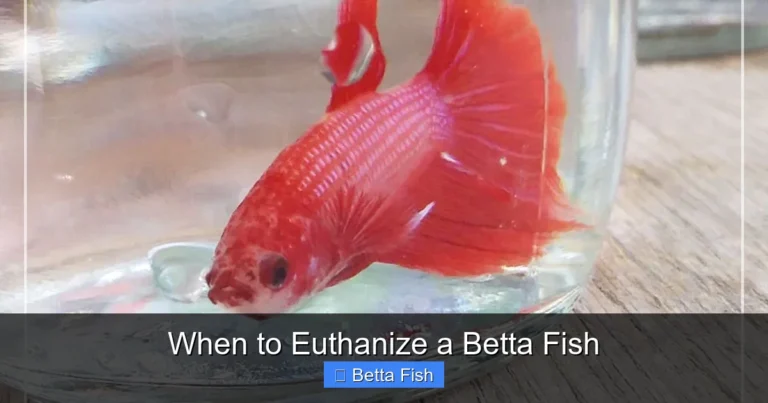
Betta fish, also known as Siamese fighting fish, are stunning little creatures with flowing fins and vibrant colors. They’ve become one of the most popular aquarium fish in the world. But there’s a massive difference between the warm, shallow rice paddies of Southeast Asia where their wild cousins live and the cold, predator-filled lakes you might have near your home. The gap between those two environments is enormous, and your betta simply isn’t equipped to handle it.
In this article, I’m going to break down everything you need to know about why releasing your betta into a lake is dangerous, what could happen to your fish, what could happen to the local ecosystem, and most importantly — what you can do instead if you truly can’t keep your betta anymore. Let’s dive in.
Why Releasing Your Betta Fish Into a Lake Is a Bad Idea
Let’s start with the most important point. Releasing your betta fish into a lake is not just a bad idea — it’s potentially devastating on multiple levels. People often think of it as a compassionate act, but the reality is far from it. Your betta has spent its entire life in a controlled aquarium environment. It has never had to hunt for food, evade predators, or deal with rapid temperature changes. Dropping it into a lake is essentially a death sentence wrapped in an ecological disaster.
Your Betta Fish Will Likely Die
I know this is hard to hear, but your betta fish will almost certainly die if you release it into a lake. Here’s why. Betta fish are tropical creatures that thrive in water temperatures between 76°F and 82°F (24°C to 28°C). Most lakes, especially in North America and Europe, have water temperatures that drop well below this range for much of the year. Even in summer, lake temperatures rarely stay consistently warm enough for a betta to survive.
On top of temperature issues, your betta has been raised on processed fish food. It doesn’t know how to hunt live prey effectively. The water chemistry in a lake — the pH, hardness, ammonia levels — is completely different from the carefully maintained aquarium your betta is used to. The shock alone could kill your fish within hours. And then there are the predators. Birds, larger fish, turtles, and insects would all see your slow-moving, brightly colored betta as an easy meal.
It’s Illegal in Many Places
Here’s something many people don’t realize. Releasing aquarium fish into natural waterways is actually illegal in many states, provinces, and countries around the world. These laws exist specifically because of the ecological damage that released aquarium fish can cause. In the United States, many states have strict regulations against introducing non-native species into local waterways. You could face fines or even legal consequences for releasing your betta into a lake.
Australia, for example, has some of the strictest biosecurity laws in the world. Even in places where specific laws about betta fish might not exist, general wildlife and environmental protection laws often cover the release of non-native species. It’s simply not worth the legal risk.
The Ecological Impact of Releasing Aquarium Fish
Now let’s talk about the bigger picture. Even if your betta somehow survived in the lake (which is extremely unlikely), the ecological consequences could be severe. This isn’t just about one little fish — it’s about the delicate balance of an entire ecosystem.
Invasive Species and Ecosystem Damage
When non-native species are introduced into a new environment, they can become invasive. Invasive species are one of the leading causes of biodiversity loss worldwide. While a single betta fish might seem harmless, it can carry diseases, parasites, and bacteria that native fish have no immunity against. One sick betta could introduce a pathogen that wipes out entire populations of native fish.
We’ve seen this happen time and time again with other aquarium species. The lionfish invasion in the Caribbean and Atlantic is a perfect example. What started as a few released aquarium fish has turned into an ecological catastrophe that’s destroying native reef ecosystems. Goldfish released into lakes grow to enormous sizes and disrupt aquatic vegetation. Even seemingly harmless species can cause massive damage when introduced to environments where they don’t belong.
Disease Transmission to Native Fish
Aquarium fish can carry a range of diseases and parasites that may not be visible to the naked eye. Your betta might look perfectly healthy but could be carrying bacterial infections, fungal pathogens, or parasitic organisms. When released into a lake, these pathogens can spread rapidly through native fish populations that have no natural resistance. This has been documented numerous times with diseases like koi herpesvirus, various parasitic infections, and bacterial outbreaks traced back to released aquarium fish.
Understanding Betta Fish Natural Habitat
To understand why a lake is so wrong for your betta, it helps to understand where betta fish actually come from in the wild. This context makes it crystal clear why a temperate lake environment is completely unsuitable.
Where Betta Fish Come From in the Wild
Wild betta fish are native to Southeast Asia, specifically Thailand, Cambodia, Vietnam, and parts of Malaysia and Indonesia. They inhabit slow-moving or still waters like rice paddies, shallow ponds, marshes, and floodplains. These waters are warm year-round, often murky, and have dense vegetation. The water is typically soft and slightly acidic. If you want to learn more about their natural origins, check out this article on where you can find betta fish in the wild.
It’s important to note that even in their native habitat, wild bettas face challenges. They’ve adapted over thousands of years to those specific conditions. But your pet betta has been bred in captivity for generations, often for its ornamental qualities rather than its survival instincts. It’s even less equipped to handle the wild than its wild cousins.
Temperature and Water Requirements
Betta fish are strictly tropical. They need warm water — consistently between 76°F and 82°F. When water temperatures drop below about 72°F, bettas become sluggish and stressed. Below 65°F, they can go into shock and die. Most lakes experience significant temperature fluctuations throughout the year, and even in tropical regions, lake temperatures can vary dramatically between day and night, or between surface and deeper water.
Beyond temperature, bettas need specific water conditions. They prefer slightly acidic to neutral pH (around 6.5 to 7.5), soft to moderately hard water, and very low ammonia and nitrite levels. Lakes have wildly variable water chemistry depending on rainfall, runoff, algae blooms, and countless other factors. Your betta simply cannot adapt to these fluctuations.
What Happens to a Betta Fish Released Into a Lake
Let’s paint a realistic picture of what would actually happen if you released your betta into a lake. I want to be thorough here because understanding the grim reality might help you make a better decision.
Immediate Shock and Stress
The moment your betta hits the lake water, it would experience severe temperature and water chemistry shock. The difference between your carefully maintained tank water and lake water is enormous. This shock alone can cause organ failure and death within hours. Even if the temperature happened to be close, the difference in pH, mineral content, and the presence of various chemicals and organic matter would be overwhelming for your fish.
Predation and Vulnerability
Your betta has never encountered a predator. It doesn’t know how to hide effectively, it doesn’t school with other fish for protection, and its long, flowing fins — bred for beauty in captivity — make it slow and conspicuous. In a lake, your betta would be prey for birds like herons and kingfishers, larger fish, snapping turtles, and even large insects like dragonfly nymphs. A betta in a lake is essentially a slow-moving, brightly colored snack.
Inability to Find Proper Food
Pet bettas are fed pellets, freeze-dried bloodworms, or similar prepared foods. They don’t have the skills to effectively hunt live food in a complex lake environment. While bettas are technically carnivorous and eat insects in the wild, captive-bred bettas have largely lost those hunting instincts. Your fish would likely starve even if it managed to survive the initial shock and avoid predators.
Humane Alternatives to Releasing Your Betta Fish
If you’ve read this far and you’re thinking, “Okay, I get it — I can’t release my betta. But I still can’t keep it. What do I do?” Don’t worry. There are plenty of responsible and humane alternatives. You have options, and none of them involve dumping your fish in a lake.
Rehoming Your Betta Fish
The best option is almost always to rehome your betta. There are many people who would love to have a betta fish. Ask friends, family, or coworkers if they’d be interested. You can also post on local community groups, Facebook Marketplace, or fishkeeping forums. Many betta enthusiasts are happy to adopt a betta that needs a new home. Just make sure you screen potential adopters to ensure they have a proper tank setup and understand betta care basics.
Returning to a Pet Store
Many pet stores will accept returns of fish you can no longer care for. Some big-box pet stores have return policies that cover live animals. Local fish stores are often even more accommodating and may offer store credit or a partial refund. Call ahead to ask about their policies. A good local fish store will usually take your betta back and find it a suitable home.
Contacting Fish Rescue Organizations
Believe it or not, there are fish rescue and rehoming organizations out there. Some aquarium societies and fishkeeping clubs have rehoming programs. You can also check with local animal shelters — some of them accept fish. Online communities like r/AquariumSwap on Reddit or various fishkeeping Facebook groups often have people looking to adopt fish in their area.
Asking Your Local Aquarium Society
Most cities and regions have aquarium societies or fishkeeping clubs. These groups are full of experienced hobbyists who often have spare tanks and are willing to take in fish that need new homes. They can also help ensure your betta goes to someone who knows how to properly care for it. This is often the best option because you can be confident your fish is going to a knowledgeable home.
Preventing the Need to Rehome Your Betta
The best solution is prevention. Before you bring a betta fish home, make sure you’re fully prepared for the commitment. Betta fish can live 3 to 5 years (sometimes longer) with proper care. That’s a significant commitment that requires consistent maintenance and attention.
Research Before You Buy
Before getting a betta, do your homework. Learn about their tank requirements, water parameters, diet, and common health issues. A proper betta setup includes at least a 5-gallon tank with a heater and filter. If you’re not sure what your betta needs, this guide on when you can put your betta fish in the tank is a great starting point for understanding proper setup and cycling.
Proper Tank Setup and Maintenance
Invest in the right equipment from the start. A good heater, a gentle filter, a water testing kit, and quality fish food are all essentials. Regular water changes (typically 25% weekly) and monitoring water parameters will keep your betta healthy and happy. A well-maintained tank means a healthy, thriving fish that you’ll enjoy for years to come.
Understanding the Commitment
Owning a betta fish isn’t just about having a pretty decoration. It’s about being responsible for a living creature’s entire existence. Make sure everyone in your household understands this commitment before you bring a betta home. Life changes — moving, financial difficulties, health issues — can happen, so it’s also wise to have a backup plan in place. Identify a friend, family member, or local fish store that could take your betta if an emergency arises.
What About Other Bodies of Water?
Some people might wonder if a pond would be better than a lake, or if a warm tropical lake might work. Let’s address these questions briefly.
What About Ponds?
Ornamental garden ponds in warm climates might seem like a better option, but the same problems apply. Ponds still have predators, temperature fluctuations, and water chemistry issues. Plus, releasing fish into someone else’s pond without permission is both rude and potentially illegal. The only scenario where a pond might be marginally acceptable is if it’s a controlled, indoor tropical pond specifically designed for fish — but at that point, it’s basically an aquarium.
What About Rivers or Streams?
Absolutely not. Rivers and streams have currents that your betta isn’t strong enough to handle. The water is constantly moving, the temperature varies even more than in a lake, and there are even more predators. A betta in a river would be swept away and killed almost immediately.
What About the Ocean?
This should go without saying, but just in case — no. Betta fish are freshwater fish. They cannot survive in saltwater. The ocean would kill them almost instantly through osmotic shock. If you’re curious about this topic, there’s a detailed article on whether betta fish can live in the ocean that explains the science behind why freshwater fish and saltwater environments are completely incompatible.
Signs Your Betta Fish Is Struggling in Its Current Tank
Sometimes the urge to release a betta comes from seeing it look unhappy in its current setup. Before considering any drastic measures, it’s worth evaluating whether your betta’s environment can be improved. Many betta health issues stem from poor tank conditions that are fixable.
Common Signs of an Unhappy Betta
If your betta is lethargic, losing color, clamping its fins, gasping at the surface, or refusing to eat, these are signs that something is wrong with its environment — not that it needs to be set free. Check your water parameters immediately. Test for ammonia, nitrite, nitrate, pH, and temperature. Most betta problems can be solved with a water change and proper tank maintenance. Learn more about how to tell if your betta fish is happy so you can properly assess your pet’s wellbeing.
When to Seek Help Instead of Giving Up
If you’re struggling with your betta’s health, reach out to experienced fishkeepers for advice. Online forums, local fish stores, and aquarium societies are all great resources. Most betta health issues are treatable with the right knowledge and medication. Don’t give up on your fish just because you’re facing challenges — get help instead.
Conclusion
So, can you let your betta fish go in the lake? The answer is a resounding no. Releasing your betta into a lake is dangerous for your fish, harmful to the local ecosystem, and potentially illegal. Your betta would almost certainly die from shock, predation, starvation, or disease. And even if it somehow survived, it could introduce harmful pathogens to native fish populations and disrupt the local ecosystem.
If you truly can’t keep your betta anymore, please explore the humane alternatives. Rehome it with a responsible fish keeper, return it to a pet store, or contact a fish rescue organization. There are always better options than releasing a pet into the wild. And if you’re thinking about getting a betta in the first place, make sure you’re fully prepared for the commitment. A betta fish is a living creature that deserves proper care and respect throughout its entire life.
Your betta depends on you. Let’s make sure we’re making choices that are best for them AND for the world around us.
Frequently Asked Questions
Can betta fish survive in a lake?
No, betta fish cannot survive in a lake. They are tropical freshwater fish that require warm, stable water temperatures between 76°F and 82°F. Most lakes are too cold, have incorrect water chemistry, and contain predators that would quickly kill a betta. The shock of the new environment alone would likely be fatal.
Is it illegal to release a betta fish into the wild?
Yes, in many places it is illegal to release any aquarium fish into natural waterways. Laws vary by location, but most states and countries have regulations against introducing non-native species into local ecosystems. You could face fines or other legal consequences for releasing your betta.
What should I do if I can no longer care for my betta fish?
You have several humane options. Try rehoming your betta with a friend, family member, or through online fishkeeping communities. You can also return it to a pet store or contact a local aquarium society or fish rescue organization. Never release it into the wild.
Can I release my betta fish into a pond instead?
No, ponds present the same problems as lakes — temperature fluctuations, predators, incorrect water chemistry, and potential ecological harm. Even ornamental garden ponds are not suitable environments for betta fish. The only acceptable alternative to your own tank is another properly maintained aquarium.
How long can a betta fish live with proper care?
With proper care, betta fish typically live 3 to 5 years, and some can live even longer. This is a significant commitment that requires a proper tank setup with a heater and filter, regular water changes, and a good diet. Make sure you’re prepared for this commitment before bringing a betta home.
Do betta fish have natural predators in lakes?
Yes, lakes are full of predators that would prey on a betta fish. Birds like herons and kingfishers, larger fish species, turtles, and even large aquatic insects would all see a slow-moving, brightly colored betta as easy prey. Your betta has no experience evading predators and would not survive long.