Can Betta Fish See Red Light
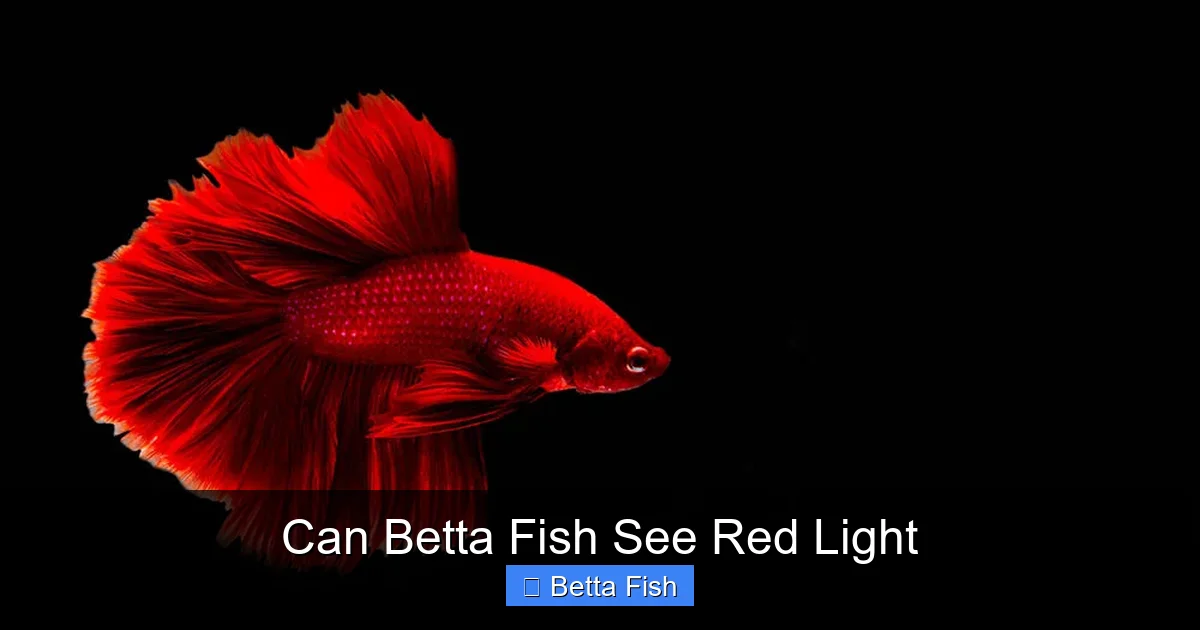
Betta fish have fascinating eyes that work differently from ours. Their color vision is impressive, but red light presents a unique challenge. Understanding how bettas perceive red light helps you create the perfect tank environment. Let’s dive into the science behind betta fish vision and what it means for your aquarium lighting choices.
Key Takeaways
- Betta fish have excellent color vision. They can see more colors than humans, including ultraviolet light, thanks to their unique eye structure.
- Red light visibility is limited for bettas. While they can detect some red wavelengths, their sensitivity to red light is significantly lower compared to other colors.
- Red light can still affect betta behavior. Even if they don’t see red clearly, it can influence their activity levels, stress responses, and sleep cycles.
- Full-spectrum lighting is best for bettas. Mimicking natural daylight with a mix of colors supports their health, coloration, and overall well-being.
- Avoid leaving red light on constantly. Prolonged exposure to any single color of light can stress your betta and disrupt their natural day-night rhythm.
- Bettas rely on more than just sight. Their lateral line system and other senses help them navigate, especially in low-light or red-light conditions.
- Choosing the right light matters. LED aquarium lights with adjustable color settings give you the best flexibility for your betta’s needs.
📑 Table of Contents
- Can Betta Fish See Red Light? The Surprising Science Behind Betta Vision
- How Betta Fish Eyes Work
- The Science of Color Vision in Betta Fish
- Can Betta Fish Actually See Red Light?
- How Lighting Affects Betta Fish Health and Behavior
- Best Lighting Practices for Betta Fish Tanks
- Common Myths About Betta Fish Vision and Light
- Practical Tips for Betta Fish Owners
- Conclusion
Can Betta Fish See Red Light? The Surprising Science Behind Betta Vision
If you’ve ever shined a red light into your betta’s tank and wondered whether your little friend could actually see it, you’re not alone. This is one of the most common questions betta owners ask, and the answer is more interesting than you might expect. Betta fish are known for their stunning colors and feisty personalities, but their vision is equally remarkable. Understanding how betta fish see the world — including red light — can help you become a better fish keeper and provide the best possible environment for your aquatic companion.
Betta fish, also known as Siamese fighting fish, are native to the shallow, warm waters of Southeast Asia. In their natural habitat, they navigate through rice paddies, slow-moving streams, and heavily vegetated ponds. The light in these environments is filtered through water and plant life, creating a unique visual landscape. Over millions of years, bettas have evolved eyes that are perfectly adapted to these conditions. Their vision is quite different from human vision, and that includes how they perceive different colors of light — including red.
In this article, we’ll explore the fascinating world of betta fish vision. We’ll look at how their eyes work, what colors they can see, and specifically whether they can see red light. We’ll also discuss practical tips for choosing the right lighting for your betta tank. By the end, you’ll have a clear understanding of how your betta experiences light and color, and you’ll be able to make informed decisions about your aquarium setup.
How Betta Fish Eyes Work
To understand whether betta fish can see red light, we first need to understand how their eyes work. Betta fish eyes are surprisingly complex and share some similarities with human eyes, but there are key differences that give them unique visual abilities.
Visual guide about Can Betta Fish See Red Light
Image source: natureofpets.com
The Anatomy of a Betta Fish Eye
Like humans, betta fish have eyes with a lens, retina, and photoreceptor cells. The photoreceptor cells come in two main types: rods and cones. Rods are responsible for detecting light intensity and movement, which is crucial for spotting predators and prey. Cones, on the other hand, are responsible for color vision. Betta fish have a higher proportion of cone cells compared to many other fish species, which gives them exceptional color vision.
What makes betta fish truly special is that they possess more types of cone cells than humans. While humans have three types of cone cells (for red, green, and blue light), betta fish have four or even five types. This means they can see a broader spectrum of colors, including ultraviolet light that is completely invisible to us. This extra cone type gives them a richer, more detailed color experience than we can even imagine.
Why Betta Fish Need Great Color Vision
In the wild, color vision is essential for betta fish survival. Males use their brilliant colors to attract mates and intimidate rivals. Females assess potential mates based on color intensity and vibrancy. Color also helps bettas identify food, recognize other fish, and detect predators. Their advanced color vision is not just a luxury — it’s a survival tool that has been refined over countless generations.
This is also why bettas are so responsive to other fish with bright colors. If you’re curious about what other species can share a tank with your betta, check out our guides on what other fish can live with betta fish and can you keep betta fish with shrimp. Choosing the right tank mates often comes down to understanding how bettas visually perceive other creatures.
The Science of Color Vision in Betta Fish
Now let’s get into the science. When we talk about whether betta fish can see red light, we’re really asking about the specific wavelengths of light their eyes can detect. Visible light is part of the electromagnetic spectrum, and different colors correspond to different wavelengths. Red light has the longest wavelength in the visible spectrum, at around 620-750 nanometers.
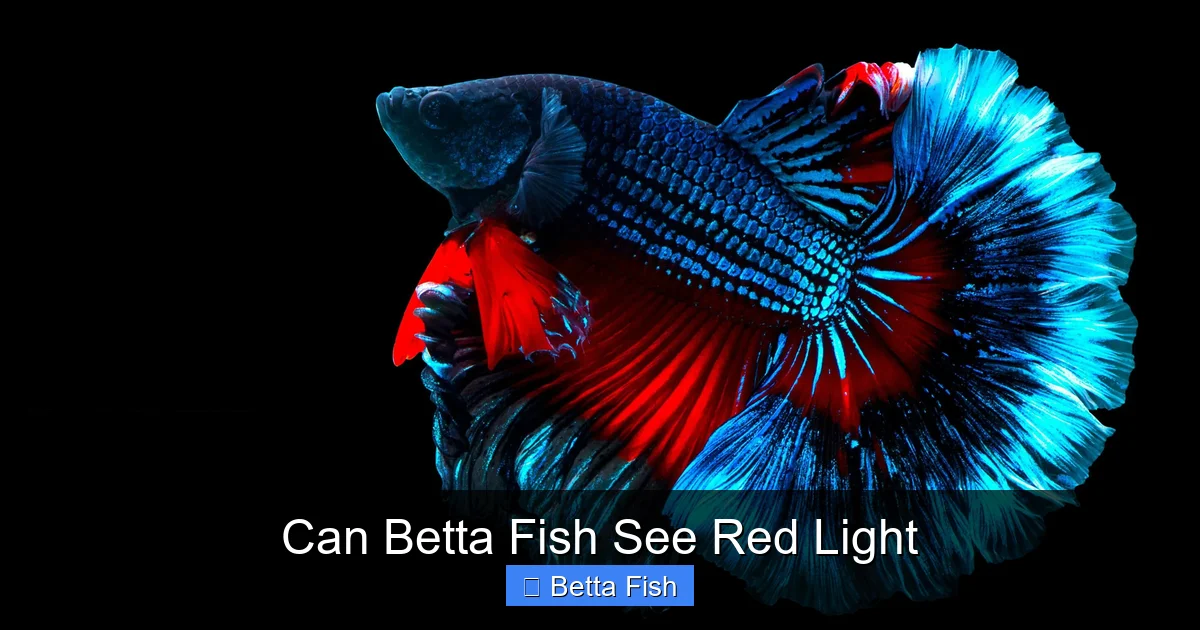
Visual guide about Can Betta Fish See Red Light
Image source: static.vecteezy.com
What Colors Can Betta Fish See?
Research on fish vision, including studies on species closely related to bettas, shows that most freshwater fish are particularly sensitive to blue and green wavelengths. This makes sense because these wavelengths penetrate water most effectively. Red light, on the other hand, is quickly absorbed by water. In deeper water, red light is filtered out almost entirely, which is why underwater environments often appear blue or green.
Betta fish can see a wide range of colors, but their sensitivity is not uniform across the spectrum. They are most sensitive to blue, green, and yellow wavelengths. Their sensitivity to red is lower, but it doesn’t mean they can’t detect it at all. Think of it this way: imagine you’re in a room with very dim red lighting. You can still see the light, but colors look washed out and details are harder to make out. That’s somewhat similar to how bettas experience red light.
The Role of Ultraviolet Vision
One of the most fascinating aspects of betta fish vision is their ability to see ultraviolet (UV) light. UV light has a shorter wavelength than visible light, and humans cannot see it at all. But for bettas, UV light is just another part of their visual world. Many betta fish have UV-reflective patterns on their scales and fins that are invisible to us but clearly visible to other bettas.
This UV vision plays a crucial role in social interactions. Male bettas display UV-reflective patterns when they flare at rivals or court females. These hidden signals add another layer of communication that we can only appreciate with special UV-equipped cameras. It’s a reminder that the world bettas see is far richer and more complex than what we observe with our own eyes.
Can Betta Fish Actually See Red Light?
So, after all that science, here’s the answer: yes, betta fish can detect red light, but not as clearly or vividly as other colors. Their eyes do have some sensitivity to red wavelengths, but it’s significantly less than their sensitivity to blue, green, or UV light. In practical terms, a red light in your betta’s tank will appear dim and muted to your fish, almost like a very faint glow.
What Does Red Light Look Like to a Betta?
Imagine looking through a pair of dark sunglasses that filter out most warm colors. The world would look bluish and washed out. That’s a rough approximation of how a betta might perceive a red-lit environment. The red light isn’t completely invisible, but it lacks the vibrancy and clarity of other colors. Your betta can tell that the light is there, but it doesn’t stand out the way a blue or green light would.
This is important to understand because many aquarium owners use red lights for various reasons — to observe their fish at night, to create a dramatic effect, or because they’ve heard it’s calming. While red light won’t harm your betta, it’s not the most stimulating or natural lighting choice for them. If you want to see your betta in its full glory, full-spectrum white light is always the better option.
Behavioral Responses to Red Light
Even though bettas don’t see red light very clearly, they can still respond to it behaviorally. Light intensity matters more than color when it comes to triggering certain behaviors. A bright red light might cause your betta to become more active, while a dim red light might signal that it’s time to rest. However, the behavioral response is primarily driven by brightness rather than the red color itself.
Some betta owners report that their fish seem calmer under red light. This might be because the dim, muted quality of red light creates a low-stimulation environment. However, it’s important not to confuse calmness with contentment. A betta that appears calm under red light might simply be less visually stimulated, which isn’t necessarily a positive thing for their mental health and enrichment.
How Lighting Affects Betta Fish Health and Behavior
Lighting is one of the most important aspects of betta fish care, and it goes far beyond just making your tank look pretty. The right lighting affects your betta’s sleep cycle, appetite, coloration, mood, and overall health. Understanding these effects can help you create an optimal environment for your fish.
Circadian Rhythms and Sleep
Like humans, betta fish have internal biological clocks called circadian rhythms. These rhythms are regulated by light and dark cycles. In the wild, bettas experience roughly 12 hours of daylight and 12 hours of darkness. When you replicate this cycle in your aquarium, your betta’s body functions properly. They know when to be active, when to eat, and when to rest.
If you use red light — or any light — at night, you can disrupt your betta’s circadian rhythm. This can lead to stress, weakened immune function, and behavioral problems. Our article on can betta fish see in the dark explores this topic in more detail and explains how bettas navigate when the lights go out. The short version is that bettas need darkness to rest properly, and constant lighting of any color is harmful.
Impact on Coloration
Betta fish are prized for their stunning colors, and lighting plays a significant role in how those colors appear. Full-spectrum lighting brings out the best in your betta’s natural coloration. Under red light, however, your betta’s colors may look dull or distorted. This doesn’t mean the colors are actually fading — it just means the lighting isn’t showcasing them properly.
If you’ve noticed your betta’s colors looking less vibrant, lighting could be one of the factors. Other factors include diet, water quality, stress, and age. For tips on keeping your betta healthy and colorful, our guide on what can betta fish eat covers the nutritional side of maintaining bright, healthy coloration.
Stress and Lighting Conditions
Stress is one of the biggest threats to betta fish health, and improper lighting is a common but often overlooked cause. Betta fish that are exposed to constant lighting, harsh lighting, or inappropriate color lighting can become chronically stressed. Signs of stress in bettas include clamped fins, loss of appetite, hiding, and faded coloration.
Red light, if used excessively or as the sole light source, can contribute to stress by creating an unnatural environment. Betta fish evolved under natural sunlight, and their bodies and brains are designed to process full-spectrum light. When you replace that with a single color, you’re removing a lot of the visual information they rely on to feel secure and comfortable in their environment.
Best Lighting Practices for Betta Fish Tanks
Now that we understand how betta fish see red light and how lighting affects them, let’s talk about the best lighting practices for your betta tank. Whether you have a small bowl or a large planted aquarium, getting the lighting right is essential for your betta’s well-being.
Choosing the Right Aquarium Light
The best choice for most betta tanks is a full-spectrum LED light. These lights mimic natural daylight and provide the full range of colors that betta fish can see. Many LED aquarium lights come with adjustable brightness and color temperature settings, allowing you to fine-tune the lighting to your betta’s preferences. Look for lights with a color temperature around 5000-7000K, which closely resembles natural daylight.
Avoid lights that are too bright or too dim. Betta fish prefer moderate lighting that mimics the dappled light of their natural habitat. If your tank has live plants, you’ll need to balance the lighting needs of the plants with the preferences of your betta. Floating plants can help diffuse bright light and create shaded areas where your betta can retreat if needed.
Setting a Proper Light Schedule
Consistency is key when it comes to your betta’s lighting schedule. Aim for 8-12 hours of light per day, followed by 12-16 hours of darkness. Using a simple aquarium timer can automate this process and ensure your betta gets a reliable day-night cycle. This consistency helps regulate your betta’s internal clock and promotes healthy sleep patterns.
During the dark period, make sure the room is truly dark. Even small amounts of ambient light from windows or electronic devices can disturb your betta’s rest. If you need to observe your betta at night, use a very dim light for short periods rather than leaving it on continuously.
Using Colored Lights Responsibly
While full-spectrum white light should be your primary light source, colored lights can be used occasionally for specific purposes. For example, a brief period of blue light in the evening can create a calming transition to darkness. Red light can be used sparingly for nighttime observation, but it should never be the main light source or left on for extended periods.
If you enjoy the aesthetic of colored lights, consider using them as accent lighting rather than the primary illumination. Some advanced LED systems allow you to program color-changing cycles that simulate sunrise, sunset, and moonlight. These can be visually appealing for you and enriching for your betta, as long as the transitions are gradual and the overall light cycle remains consistent.
Common Myths About Betta Fish Vision and Light
There are many misconceptions about how betta fish see the world. Let’s clear up some of the most common myths so you can make informed decisions about your betta’s care.
Myth: Betta Fish Are Colorblind
This is completely false. Betta fish have some of the best color vision in the freshwater fish world. They can see more colors than humans, including ultraviolet light. Their color vision is essential for social interactions, mate selection, and survival. If anything, bettas see color better than we do in certain parts of the spectrum.
Myth: Red Light Is Invisible to All Fish
While it’s true that many fish have reduced sensitivity to red light, it’s not accurate to say they can’t see it at all. Different species have varying levels of red light sensitivity. Some deep-sea fish have virtually no red light sensitivity because they live in environments where red light never reaches them. But betta fish, living in shallow freshwater, have at least some ability to detect red wavelengths.
Myth: Betta Fish Don’t Need Light at All
Some people believe that since bettas live in murky water in the wild, they don’t need aquarium lighting. This is a dangerous misconception. While bettas do prefer moderate lighting over bright light, they absolutely need a regular light-dark cycle to maintain their health. Without proper lighting, bettas can become stressed, lose their appetite, and develop health problems.
Myth: Any Light Is Fine for Betta Tanks
Not all lights are created equal. Incandescent bulbs can produce too much heat and don’t provide the right spectrum of light. Fluorescent lights can flicker, which may stress your betta. The best options are LED lights designed specifically for aquariums. They’re energy-efficient, produce minimal heat, and offer the full spectrum of light that bettas need.
Practical Tips for Betta Fish Owners
Let’s wrap up the main content with some practical, actionable tips that you can implement in your betta tank right away. These tips are based on the science we’ve discussed and the real experiences of betta fish keepers.
Observe Your Betta’s Behavior
The best way to know if your lighting is working for your betta is to watch how they behave. A happy, healthy betta will be active during light hours, display vibrant colors, eat eagerly, and explore their tank. If your betta seems lethargic, hides constantly, or shows signs of stress, your lighting might need adjustment. Pay attention to how your betta responds when you turn the lights on and off — a smooth transition is always better than an abrupt change.
Create a Natural Environment
Betta fish feel most comfortable in environments that mimic their natural habitat. This means providing moderate lighting, plenty of hiding spots, and live or silk plants for cover. Floating plants like Amazon frogbit or water lettuce can help create the dappled light conditions that bettas love. A well-planted tank with appropriate lighting will bring out the best in your betta’s behavior and coloration.
Monitor Water Temperature with Lighting
Some aquarium lights can raise the water temperature in your tank. Betta fish prefer water temperatures between 76-82°F (24-28°C). If you’re using a light that generates heat, make sure it doesn’t cause temperature fluctuations. LED lights are ideal because they produce very little heat. Always use a reliable thermometer to monitor your tank’s temperature, especially if you’re using a new light fixture.
Don’t Forget About Tank Mates
If you have other fish or invertebrates in your tank, consider their lighting needs as well. Most tropical freshwater fish have similar lighting requirements to bettas, so a full-spectrum LED light with a proper schedule should work for everyone. However, some species may have specific needs. For example, if you’re keeping guppies with your betta, they’ll also appreciate moderate, full-spectrum lighting. Always research the specific needs of every species in your tank.
Conclusion
So, can betta fish see red light? The answer is yes, but not very well. Their eyes are optimized for blue, green, and ultraviolet light, with red being on the lower end of their sensitivity range. While red light won’t harm your betta, it’s not the best choice for their primary lighting needs. Full-spectrum LED lights that mimic natural daylight will keep your betta healthy, happy, and looking their absolute best.
Understanding how your betta sees the world is one of the most rewarding aspects of fish keeping. It allows you to create an environment that truly meets their needs rather than just looking good to human eyes. By choosing the right lighting, maintaining a consistent schedule, and observing your betta’s behavior, you can ensure your fish thrives in their aquatic home. Remember, a well-lit tank isn’t just about aesthetics — it’s about providing your betta with the conditions they need to live a long, healthy, and fulfilling life.
Whether you’re a new betta owner or a seasoned aquarist, taking the time to understand your fish’s vision and lighting needs is one of the best investments you can make in their well-being. Your betta may not be able to thank you in words, but their vibrant colors, active behavior, and healthy appearance will tell you everything you need to know.
Frequently Asked Questions
Can betta fish see red light at all?
Yes, betta fish can detect red light, but their sensitivity to red wavelengths is much lower than their sensitivity to blue, green, or ultraviolet light. They perceive red as a dim, muted glow rather than a vivid color.
Is it safe to use red light in a betta fish tank?
Red light is generally safe for betta fish when used occasionally or for short periods. However, it should not be used as the primary light source or left on continuously, as this can disrupt your betta’s circadian rhythm and cause stress.
What color light is best for betta fish?
Full-spectrum white light that mimics natural daylight is the best choice for betta fish. LED aquarium lights with a color temperature of 5000-7000K provide the ideal spectrum for betta health and coloration.
Do betta fish need darkness to sleep?
Yes, betta fish absolutely need a period of darkness each day to rest properly. Aim for 12-16 hours of darkness per night. Constant lighting of any color, including red, can disrupt their sleep and lead to health problems.
Can red light make my betta fish stressed?
Prolonged or exclusive use of red light can contribute to stress in betta fish. Because red light creates an unnatural visual environment and lacks the full spectrum bettas are adapted to, it can cause discomfort over time. Use red light sparingly and always provide full-spectrum lighting as your primary source.
How many hours of light does a betta fish need per day?
Betta fish need approximately 8-12 hours of light per day, followed by 12-16 hours of darkness. Using an aquarium timer to maintain a consistent schedule helps regulate your betta’s internal clock and promotes overall health.