Can Betta Fish See Red
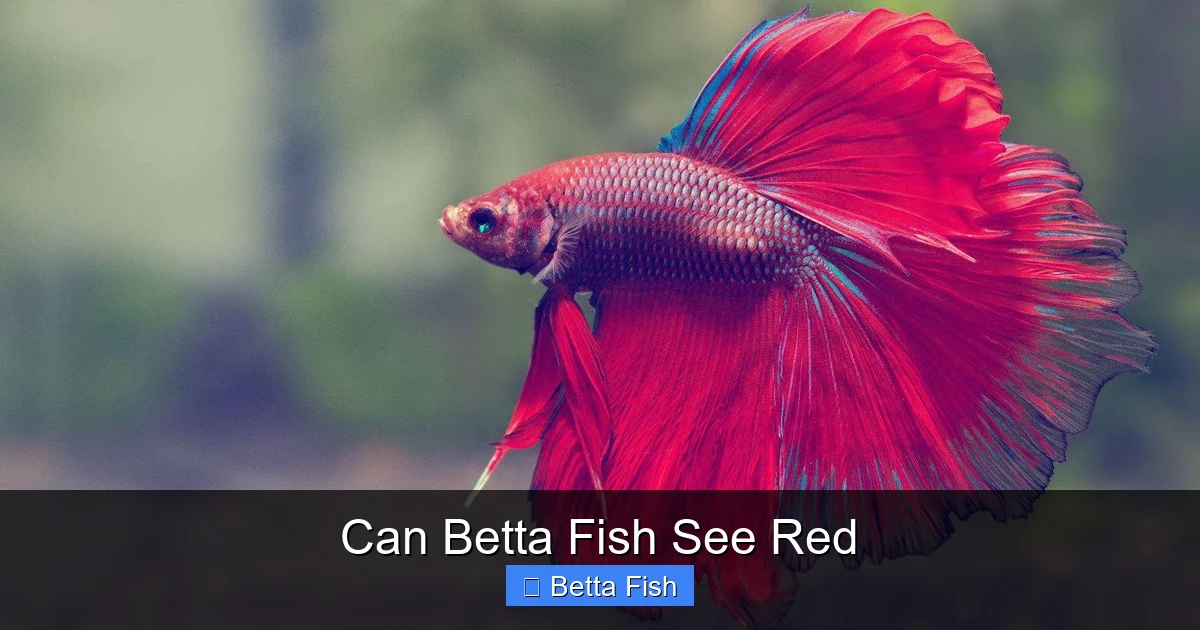
Can betta fish see red? Yes, betta fish can see red, but not quite the way humans do. Their eyes contain specialized cells that detect a broad spectrum of colors, including red wavelengths. However, how they perceive red depends on water depth, lighting conditions, and their unique evolutionary adaptations.
Key Takeaways
- Betta fish have excellent color vision. They possess both rod and cone cells in their retinas, allowing them to see a wide range of colors including red.
- Red appears differently underwater. Water absorbs red light wavelengths quickly, so red may look more muted or grayish to betta fish in deeper water.
- Betta fish see more colors than humans. They can detect ultraviolet (UV) light, giving them a broader visual spectrum than we have.
- Color perception affects betta behavior. Bright colors, including red, can trigger aggression, curiosity, or mating responses in betta fish.
- Lighting matters significantly. The type of aquarium lighting you use directly impacts how vibrant red appears to your betta fish.
- Red decorations can stress bettas. Red decor or red-colored tank mates may cause stress or aggression because bettas interpret red as a threat signal.
- Betta fish rely on vision for survival. Their eyesight helps them find food, identify rivals, and navigate their environment in the wild and in captivity.
📑 Table of Contents
- Can Betta Fish See Red? The Complete Guide to Betta Fish Color Vision
- The Science Behind Betta Fish Eyes
- How Betta Fish Perceive the Color Red
- Why Color Vision Matters for Betta Fish
- Practical Implications for Betta Owners
- Common Myths About Betta Fish Vision
- How to Test Your Betta’s Color Vision at Home
- Conclusion
Can Betta Fish See Red? The Complete Guide to Betta Fish Color Vision
If you have ever stared into your betta fish tank and wondered what your beautiful pet actually sees, you are not alone. One of the most common questions betta owners ask is whether their fish can see the color red. It is a fascinating question because betta fish are known for their stunning, vibrant colors. Many bettas display brilliant reds, blues, and greens. So it makes sense to wonder if they can see those same colors in their environment.
The short answer is yes, betta fish can see red. But the full story is much more interesting than a simple yes or no. Betta fish have remarkably complex eyes that evolved over millions of years to help them survive in the shallow, murky waters of Southeast Asia. Their vision is adapted to their specific environment in ways that are very different from human eyes. Understanding how betta fish see red can help you make better choices about tank decorations, lighting, and even the colors of potential tank mates.
In this comprehensive guide, we will explore everything you need to know about betta fish vision. We will look at the science behind their eyes, how they perceive different colors, and what this means for you as a betta owner. By the end, you will have a much deeper appreciation for how your betta experiences the world around it.
The Science Behind Betta Fish Eyes
How Betta Fish Eyes Are Structured
Betta fish have eyes that are surprisingly similar to human eyes in some ways. Like us, they have a lens, a retina, and specialized cells that detect light. However, there are some key differences that make their vision uniquely suited to life underwater. Their eyes are positioned on the sides of their heads, which gives them a wide field of view. This is important for spotting predators and prey in the wild.
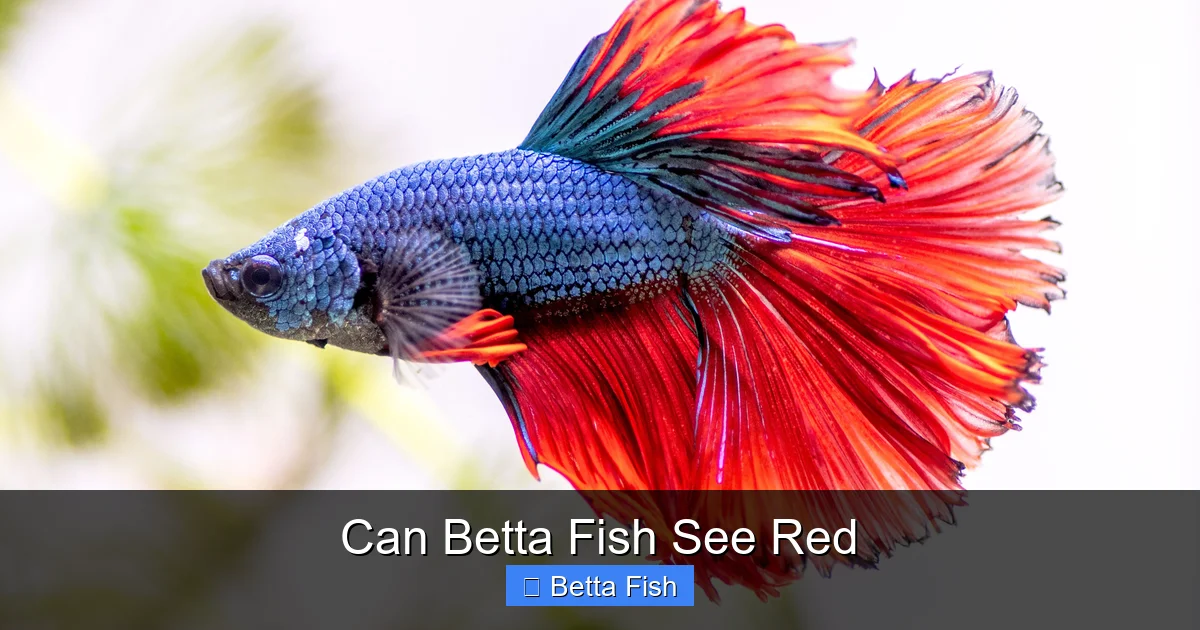
Visual guide about Can Betta Fish See Red
Image source: thesprucepets.com
The retina of a betta fish contains two main types of photoreceptor cells. The first type is called rod cells. These cells are extremely sensitive to light and help the fish see in dim conditions. This is why betta fish can navigate their environment even when the lighting is low. If you want to learn more about this, check out our article on can betta fish see in the dark, which dives deeper into their low-light vision capabilities.
The second type of photoreceptor cell is called cone cells. These cells are responsible for color vision. Betta fish have multiple types of cone cells, each sensitive to different wavelengths of light. Some cones detect blue light, others detect green, and yes, some detect red. This means betta fish are trichromatic, meaning they have three types of color receptors, similar to humans.
The Ultraviolet Advantage
Here is where things get really interesting. In addition to seeing the colors that humans can see, betta fish can also detect ultraviolet light. UV light is invisible to the human eye, but to a betta fish, it is just another part of the visual spectrum. This gives betta fish a significant advantage in the wild. Many insects and small creatures that bettas prey upon have UV-reflective patterns on their bodies. Being able to see UV light helps bettas locate food more easily.
This UV vision also plays a role in social interactions. Some betta fish have UV-reflective patches on their scales and fins. These patches are invisible to us but are clearly visible to other bettas. This means that when two bettas display at each other, they are communicating using colors we cannot even imagine. It is like having a secret language written in invisible ink.
How Betta Fish Perceive the Color Red
Red Light and Water Depth
Now let us get to the heart of the matter. Can betta fish see red? The answer is yes, but with an important caveat. Water absorbs different wavelengths of light at different rates. Red light has the longest wavelength in the visible spectrum, and it is absorbed very quickly by water. In just a few feet of water, most red light has been filtered out. This means that in deeper water, red objects appear gray or even black.
However, betta fish do not live in deep water. In the wild, they inhabit shallow rice paddies, slow-moving streams, and marshes. These environments are often less than a few feet deep. In shallow water, plenty of red light still penetrates, so betta fish can indeed see red. Their eyes are specifically adapted to the lighting conditions of their natural habitat, which means their color vision is optimized for the environment where they evolved.
What Red Looks Like to a Betta
Even though betta fish can detect red light, the way they perceive red may be different from how we see it. Because they can also see UV light, their perception of red is likely influenced by UV reflections that we cannot see. A red object that also reflects UV light might appear much more vivid and striking to a betta than it does to us.
Think of it this way. Imagine you are looking at a red apple under normal light. Now imagine that same apple is also glowing with an invisible UV pattern. To a betta fish, that apple would look completely different from what we see. The red might appear more intense, or it might have additional visual elements that we simply cannot perceive.
Why Color Vision Matters for Betta Fish
Finding Food
Color vision plays a crucial role in helping betta fish find food. In the wild, bettas are carnivorous predators. They feed on insect larvae, small crustaceans, and zooplankton. Many of these food sources have distinct colors that help bettas identify them against the background of plants and mud. Being able to see red helps bettas spot certain types of prey that might have reddish or pinkish hues.
In captivity, this color vision still matters. When you drop food into the tank, your betta uses its eyesight to locate and track the food as it falls through the water. Brightly colored foods may be more easily detected, which is one reason many betta pellets are designed with vivid colors.
Social Interactions and Aggression
Color is also extremely important in betta fish social behavior. Male bettas are famously territorial and aggressive toward other males. When two males encounter each other, they flare their gills and spread their fins to display their vibrant colors. This color display serves as a warning and a challenge. The intensity and brightness of the colors can signal strength and fitness to a rival.
Red is a particularly significant color in these displays. Many betta fish have red coloring on their fins and bodies. When a male betta flares at a rival, the red colors become more prominent and intense. This is not a coincidence. The red serves as a visual signal that says, “I am strong, and I am ready to fight.” If you have ever seen two bettas facing off against each other, you have witnessed color vision being used as a weapon.
Mating and Courtship
Color vision is equally important in courtship. Female bettas choose mates based partly on the intensity and quality of their coloration. A male with bright, vivid colors is more likely to attract a female than one with dull colors. Red coloring is particularly attractive to females in many betta species. This is because bright red coloration is often a sign of good health and strong genetics.
During courtship, the male betta will display his colors in an elaborate dance. He will spread his fins, flare his gills, and swim in patterns designed to show off his best colors. The female watches this display and evaluates his coloration. If she is impressed, she will allow him to approach. If not, she will swim away. Color vision is literally the foundation of betta romance.
Practical Implications for Betta Owners
Choosing Tank Decorations
Now that you know betta fish can see red, you might be wondering what this means for your tank setup. The colors you choose for your aquarium decorations can actually affect your betta’s mood and behavior. Red decorations, for example, might trigger aggression in some bettas because they associate the color with rival males. If your betta seems stressed or agitated after you add red decorations to the tank, this could be why.
On the other hand, some bettas seem perfectly comfortable with red decor. Every fish has a unique personality, and some are more laid-back than others. The key is to observe your betta’s behavior. If you notice increased flaring, pacing, or aggression after introducing red items, consider switching to blue, green, or natural-colored decorations instead.
Natural decorations like driftwood, rocks, and live plants are always a safe bet. They provide hiding spots and enrichment without triggering aggressive responses. Live plants also help maintain water quality, which is a win-win for your betta’s health and happiness.
Lighting Considerations
The type of lighting you use in your betta tank can significantly affect how colors appear. Standard LED aquarium lights provide a good balance of light across the spectrum, including red wavelengths. If you want to enhance the appearance of your betta’s colors, look for full-spectrum lights that mimic natural sunlight. These lights will make reds, blues, and greens appear more vibrant.
Avoid using red-only LED lights in your betta tank. While these might look cool to human eyes, they can create an unnatural environment for your betta. Constant red lighting might cause stress or confusion because it eliminates the natural variation in light that bettas are adapted to experience. Instead, use a light with a timer to simulate a natural day-night cycle. This will keep your betta’s circadian rhythm healthy and reduce stress.
Selecting Tank Mates
If you are considering adding tank mates to your betta’s aquarium, color vision is an important factor to consider. Fish with bright red coloring might trigger aggression in your betta because it perceives them as rivals or threats. This is one reason why choosing compatible tank mates requires careful thought.
When selecting companions for your betta, opt for fish with colors that are less likely to provoke aggression. Blue, silver, and green fish are generally safer choices than red or orange ones. You can learn more about compatible species in our guides on what other fish can live with betta fish and can you keep betta fish with shrimp.
It is also worth noting that some bettas are simply more aggressive than others, regardless of tank mate color. A betta’s individual personality plays a huge role in how it interacts with other fish. Always monitor new additions to the tank closely and be prepared to separate fish if aggression occurs.
Common Myths About Betta Fish Vision
Myth: Betta Fish Are Colorblind
This is one of the most persistent myths about betta fish. Some people believe that fish are completely colorblind and can only see in shades of gray. This is absolutely false. As we have discussed, betta fish have multiple types of cone cells that allow them to see a wide range of colors, including red, blue, green, and even ultraviolet light. Their color vision is actually more complex than that of many mammals.
Myth: Betta Fish Cannot See Red Because They Are Red
Another common misconception is that betta fish cannot see red because they themselves are red. This makes no biological sense. The color of a betta’s scales does not determine what colors it can see. A red betta fish can see red just as well as a blue betta fish can. Color perception is determined by the photoreceptor cells in the retina, not by the color of the fish’s body.
Myth: Betta Fish Have Poor Eyesight
Some people assume that betta fish have weak eyesight because they are small fish. In reality, betta fish have quite good vision. They can see objects clearly at various distances, detect movement with precision, and distinguish between many different colors. Their eyesight is well-adapted to their environment and serves them effectively both in the wild and in captivity. If you are curious about how well your betta can see you, read our article on can my betta fish see me.
How to Test Your Betta’s Color Vision at Home
Simple Observation Experiments
If you want to see your betta’s color vision in action, you can try a few simple experiments at home. One easy method is to introduce objects of different colors into the tank and observe your betta’s reaction. Try placing a small red object, a blue object, and a green object in the tank one at a time. Watch how your betta responds to each color. You might notice that your betta is more interested in or reactive to certain colors than others.
Another experiment involves feeding your betta different colored foods. Some betta owners report that their fish show preferences for certain food colors. While this could be due to smell as well as sight, it is an interesting observation that might give you insight into your betta’s color preferences.
What to Look For
When observing your betta’s reactions to different colors, pay attention to body language. A betta that is curious about a color will often swim closer to investigate. A betta that perceives a color as threatening might flare its gills, darken in color, or swim away. A betta that is attracted to a color might display courtship behaviors or become more active.
Keep in mind that every betta is different. What triggers a strong reaction in one fish might be completely ignored by another. The key is to spend time observing your individual betta and learning its unique personality and preferences. This is one of the most rewarding aspects of betta ownership.
Conclusion
So, can betta fish see red? Absolutely. Betta fish have sophisticated color vision that includes the ability to detect red light, along with many other colors that humans cannot even see. Their eyes are marvels of evolutionary engineering, perfectly adapted to the shallow, warm waters of their natural habitat.
Understanding how your betta sees the world can make you a better fish keeper. From choosing the right tank decorations to selecting compatible lighting and tank mates, every decision you make can be informed by an understanding of betta fish vision. The more you learn about how your betta perceives its environment, the better equipped you will be to provide a happy, healthy, and stimulating home for your colorful companion.
Betta fish are truly remarkable creatures. Their vibrant colors are not just beautiful to us. They are also functional, serving as tools for communication, mating, and survival. The next time you watch your betta swimming gracefully through its tank, take a moment to appreciate the rich and colorful world that it sees. It is a world far more complex and fascinating than most people realize.
Frequently Asked Questions
Can betta fish see red in the dark?
Betta fish have limited vision in complete darkness, but their rod cells help them detect shapes and movement in low light. However, color vision, including the ability to see red, requires adequate lighting. In very dim conditions, bettas likely cannot distinguish colors well.
Do betta fish prefer certain colors in their environment?
Betta fish may show preferences for certain colors based on their individual personality and experiences. Some bettas are more attracted to blue and green tones, while others may be drawn to red. Observing your betta’s behavior with different colored objects can help you understand its preferences.
Can betta fish see red tank mates and become aggressive?
Yes, betta fish can see red tank mates and may perceive them as rivals or threats. Red coloring can trigger aggressive behavior in some bettas, especially males. This is why it is important to choose tank mates carefully and monitor interactions closely.
How does water color affect what betta fish see?
Water tint can significantly affect how betta fish perceive colors. Tea-stained or yellowish water, often created by driftwood, can filter out certain light wavelengths and make colors appear differently. Clear water with proper lighting provides the best conditions for your betta to see the full spectrum of colors.
Can betta fish see red better than humans?
Betta fish can detect red light, but they may perceive it differently than humans due to their ability to see UV light. In some ways, their color perception is more complex than ours because they have access to a broader spectrum of light. However, in terms of pure red-light detection, humans and bettas are fairly similar.
Does the color of betta fish food matter?
The color of betta fish food can affect how easily your betta detects it in the water. Brightly colored pellets may be more visible and attractive to your betta. However, smell and taste are also important factors in food selection, so color is just one piece of the puzzle.