Can Betta Fish Recover from Dropsy
Can betta fish recover from dropsy? Yes, but early detection is absolutely critical. Dropsy is a severe condition where fluid builds up inside your betta’s body, causing a swollen belly and raised scales. While the survival rate is low once symptoms appear, prompt treatment with Epsom salt baths and antibiotics can save your fish. Prevention through pristine water quality and proper nutrition remains your best defense against this devastating illness.
Key Takeaways
- Early detection saves lives: The sooner you spot dropsy symptoms and begin treatment, the higher your betta’s chance of recovery.
- Dropsy is a symptom, not a disease: It signals underlying organ failure, usually caused by bacterial infections, poor water conditions, or internal issues.
- Epsom salt baths are essential: They help draw out excess fluid from your betta’s body and reduce dangerous swelling.
- Antibiotics target the root cause: Broad-spectrum antibiotics like Kanaplex combat the bacterial infection driving the condition.
- Quarantine your sick betta immediately: Isolating an affected fish protects tank mates and allows focused, controlled treatment.
- Prevention beats cure every time: Maintaining pristine water quality, a varied diet, and low-stress environments dramatically reduces dropsy risk.
- Prognosis depends on severity: Mild cases caught early have a fair chance, while advanced dropsy with full pineconing is often fatal.
[FEATURED_IMAGE_PLACEHOLDER]
📑 Table of Contents
- Understanding Dropsy in Betta Fish: What Every Owner Needs to Know
- What Causes Dropsy in Betta Fish?
- Recognizing the Symptoms of Dropsy Early
- How to Treat Dropsy in Betta Fish
- What Are the Chances of Recovery?
- Preventing Dropsy: Your Best Strategy
- When to Consider Humane Euthanasia
- Common Myths About Dropsy Recovery
- Final Thoughts: Hope, But Also Realism
Understanding Dropsy in Betta Fish: What Every Owner Needs to Know
If you’ve noticed your betta fish looking bloated with scales sticking out like a tiny pinecone, your heart probably sank. That’s dropsy — and it’s one of the most alarming things a betta owner can witness. But before you panic, let’s talk about what dropsy actually is and whether your beloved fish can bounce back from it.
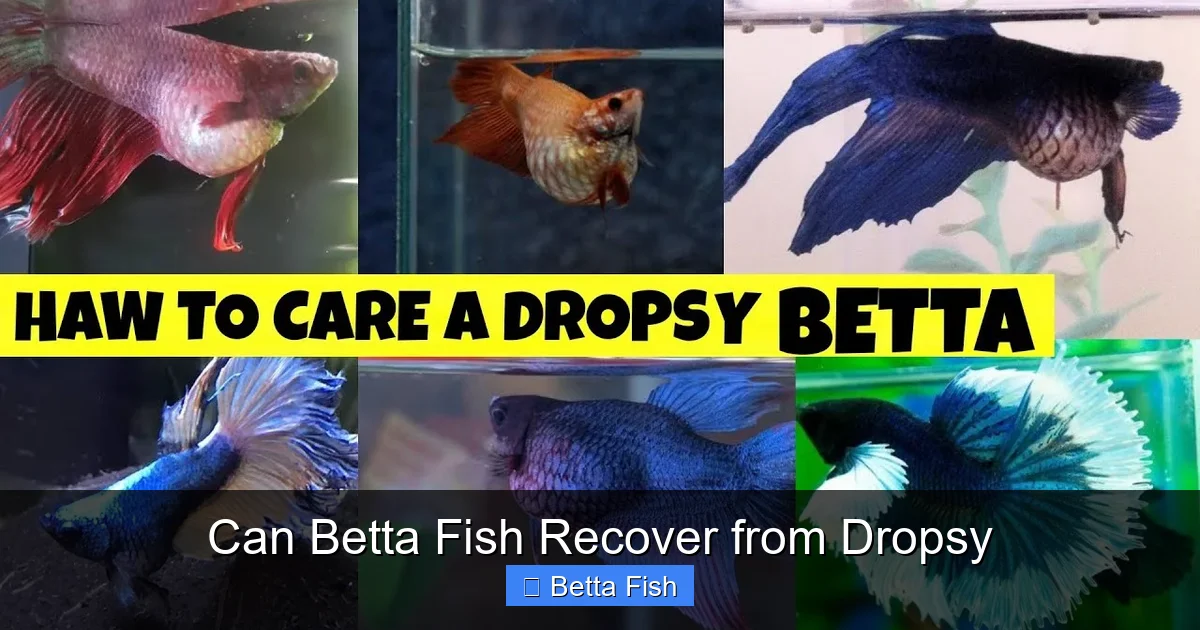
Here’s the thing most people get wrong: dropsy isn’t actually a disease. It’s a symptom of something much more serious happening inside your betta’s body. Think of it like a fever — it tells you something is very wrong, but it doesn’t tell you exactly what. When a betta fish develops dropsy, it means fluid is building up inside their body cavity or tissues. This internal fluid retention causes that characteristic swollen belly and the raised scales that make your fish look like a tiny, sad pinecone.
The condition is medically known as edema or ascites. It typically points to organ failure — most often kidney or liver dysfunction — which prevents your betta from properly processing and eliminating fluids. When the organs can’t do their job, liquid accumulates where it shouldn’t, creating that dramatic bloating you see from the outside.
So can betta fish recover from dropsy? The honest answer is: it depends. Recovery is possible, but it’s far from guaranteed. The odds swing dramatically based on how early you catch it, how aggressively you treat it, and what underlying cause is driving the condition. Let’s dive deep into everything you need to know to give your betta the best possible fighting chance.
What Causes Dropsy in Betta Fish?
Visual guide about Can Betta Fish Recover from Dropsy
Image source: petshun.com
Understanding what triggers dropsy is crucial for both treatment and prevention. Several factors can set the stage for this condition, and often it’s a combination of issues rather than a single cause.
Bacterial Infections
The most common culprit behind dropsy is a bacterial infection, typically caused by Aeromonas bacteria. These bacteria are opportunistic — they’re often present in aquariums without causing problems. However, when a betta’s immune system is compromised by stress, poor water conditions, or injury, these bacteria seize the opportunity and attack. Once inside the bloodstream, they can damage organs and trigger the fluid retention that defines dropsy.
Poor Water Quality
Dirty water is essentially a slow poison for betta fish. High levels of ammonia, nitrites, and nitrates stress your fish’s organs over time. When you consider that betta fish are often kept in small, unfiltered bowls — as discussed in our article on whether betta fish can be kept in bowls — it’s easy to see how water quality deteriorates rapidly. Accumulated toxins damage the kidneys and liver, eventually leading to organ failure and fluid buildup.
Stress and Weakened Immune System
Stress is a massive factor in betta fish health. A stressed betta has a suppressed immune system, making them vulnerable to infections that a healthy fish would fight off easily. Common stressors include aggressive tank mates, fluctuating temperatures, overcrowding, and poor diet. If you’re considering adding companions to your betta’s tank, it’s worth researching what other fish can live with betta fish to avoid pairing your betta with aggressive or incompatible species that could cause chronic stress.
Dietary Issues
Feeding your betta a poor-quality diet or overfeeding can contribute to organ stress over time. Constipation and bloating from overfeeding can sometimes mimic early dropsy symptoms, and chronic poor nutrition weakens the organs responsible for fluid regulation. A balanced, varied diet is essential for long-term health.
Internal Parasites and Organ Failure
Sometimes dropsy results from internal parasites or age-related organ failure. In older betta fish, the kidneys and liver may simply begin to wear out, leading to fluid retention that no treatment can fully reverse.
Recognizing the Symptoms of Dropsy Early
Early detection is the single most important factor in whether a betta fish can recover from dropsy. The sooner you act, the better your fish’s chances. Here’s what to watch for:
- Pineconing scales: This is the hallmark sign. Your betta’s scales will stand away from their body, making them look like a pinecone. This happens because fluid pushes outward against the skin.
- Swollen or bloated belly: The abdomen may appear distended or rounded beyond normal.
- Lethargy and loss of appetite: Your betta may stop eating, hide more than usual, or rest at the bottom of the tank.
- Pale gills: The gills may lose their normal vibrant color.
- Difficulty swimming: Buoyancy issues are common as fluid buildup affects the swim bladder.
- Clamped fins: Your betta may hold their fins close to their body.
- Redness or inflammation: In some cases, you may notice redness around the anus or base of the fins.
It’s important to note that mild bloating alone doesn’t necessarily mean dropsy. Constipation and overfeeding can cause temporary swelling. The key differentiator is the pineconing of scales — once you see that, you need to act immediately.
How to Treat Dropsy in Betta Fish
Visual guide about Can Betta Fish Recover from Dropsy
Image source: bettafishworld.com
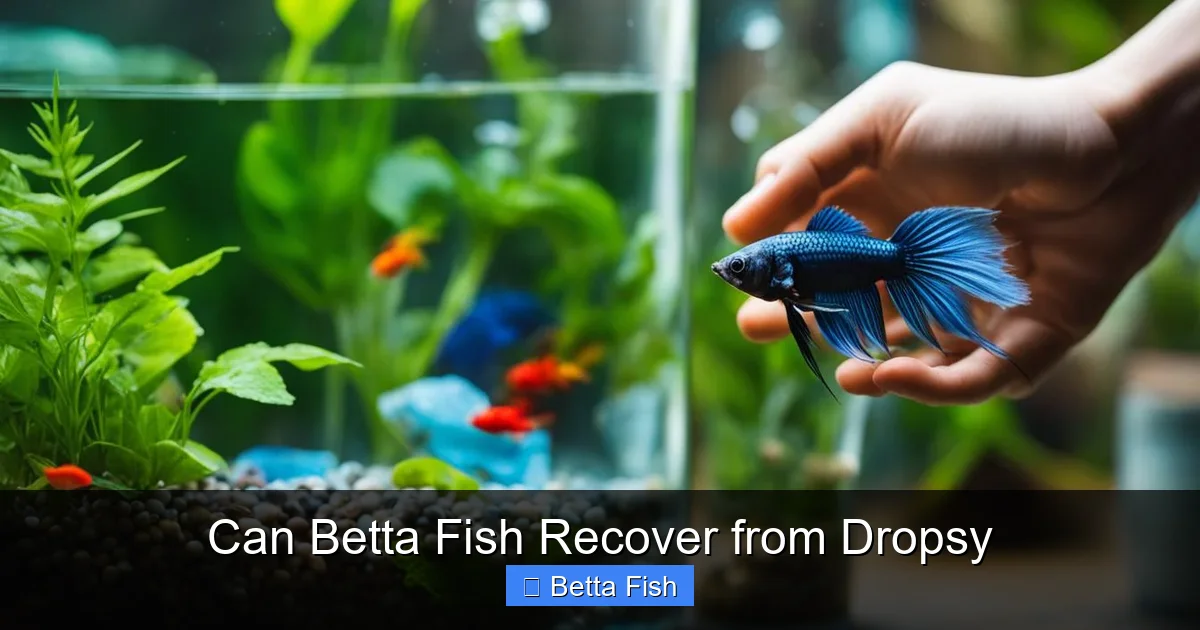
Now let’s get into the actionable part. If you’ve identified dropsy in your betta, time is of the essence. Here’s a step-by-step treatment protocol that gives your fish the best shot at recovery.
Step 1: Immediate Quarantine
The very first thing you should do is move your sick betta to a separate hospital or quarantine tank. This serves multiple purposes. It prevents potential spread of bacterial infection to other fish, allows you to medicate without affecting your main tank’s beneficial bacteria, and gives your sick fish a controlled, stress-free environment. A 2.5 to 5-gallon tank works well for quarantine. Make sure the water is clean, dechlorinated, and heated to a stable 78-80°F.
Step 2: Epsom Salt Baths
Epsom salt (magnesium sulfate) is one of the most effective treatments for dropsy because it acts as a muscle relaxant and helps draw excess fluid out of your betta’s body through osmosis. Here’s how to prepare an Epsom salt bath:
- Use a separate container with clean, dechlorinated water from your tank.
- Add 1 tablespoon of Epsom salt per gallon of water.
- Dissolve the salt completely before adding your betta.
- Let your betta soak for 10-15 minutes, watching closely for signs of distress.
- Repeat once daily for up to 3-4 days.
Important: Do NOT use aquarium salt or table salt as a substitute. Epsom salt is specifically what you need because it works differently than sodium chloride-based salts.
Step 3: Antibiotic Treatment
Since dropsy is typically driven by bacterial infection, antibiotics are a critical part of treatment. Kanaplex (kanamycin) is widely considered the most effective antibiotic for dropsy in betta fish. It’s a broad-spectrum antibiotic that targets the gram-negative bacteria most commonly responsible. You can also use Maracyn Two (minocycline) in combination with Kanaplex for a more aggressive approach.
Follow the dosage instructions on the packaging carefully. Complete the full course of treatment even if your betta starts looking better — stopping early can allow the infection to return stronger and more resistant.
For a more detailed treatment protocol, check out our comprehensive guide on how to treat dropsy in betta fish, which covers medication dosages, water change schedules, and monitoring tips.
Step 4: Supportive Care
Beyond medication, your betta needs supportive care to heal:
- Clean water changes: Perform small (10-15%) daily water changes in the hospital tank to keep conditions pristine.
- Maintain warm, stable temperatures: Keep the water at 78-80°F to support immune function.
- Reduce stress: Keep the hospital tank in a quiet area with dim lighting. Avoid unnecessary handling.
- Offer high-quality food: If your betta is still eating, offer easily digestible foods like frozen bloodworms or daphnia, which can also help with digestion.
What Are the Chances of Recovery?
Visual guide about Can Betta Fish Recover from Dropsy
Image source: lolaapp.com
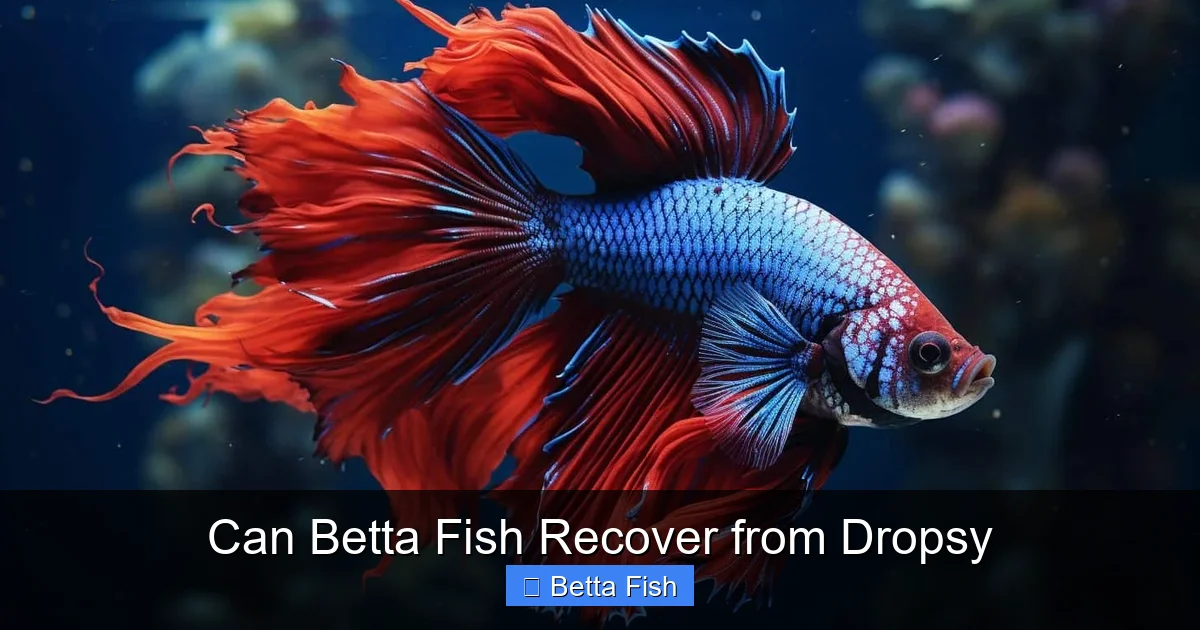
Let’s be real with each other here — the prognosis for dropsy is guarded at best. Veterinary sources and experienced betta keepers generally agree that once full pineconing is visible, the survival rate drops significantly, often to less than 20%. However, if you catch the condition in its earliest stages — before full pineconing develops — the odds improve considerably.
Several factors influence whether a betta fish can recover from dropsy:
- How early treatment begins: This is the biggest factor. Starting treatment at the first sign of bloating, before scales lift, dramatically improves outcomes.
- Overall health of the fish: A young, otherwise healthy betta has a much better chance than an elderly or already weakened fish.
- Underlying cause: If dropsy is caught early and the underlying bacterial infection responds to antibiotics, recovery is possible. If it’s caused by end-stage organ failure, treatment is unlikely to succeed.
- Quality of treatment: Consistent, proper treatment with the right medications and Epsom salt baths makes a significant difference.
Some betta owners have reported successful recoveries even from moderate cases of dropsy. These success stories typically involve very early detection, aggressive treatment with both Epsom salt and antibiotics, and meticulous water quality management. While these cases aren’t the norm, they do prove that recovery is possible.
Preventing Dropsy: Your Best Strategy
Visual guide about Can Betta Fish Recover from Dropsy
Image source: i.ytimg.com
Since treatment success rates are unpredictable, prevention is absolutely your strongest weapon against dropsy. The good news is that most preventive measures are simple, consistent aquarium care practices that benefit your betta’s overall health in countless ways.
Maintain Excellent Water Quality
This is non-negotiable. Invest in a proper filter, perform regular water changes (25-30% weekly for filtered tanks), and test your water parameters regularly. Ammonia and nitrites should always be at zero, and nitrates should stay below 20 ppm. A heated, filtered tank of at least 5 gallons provides the stable environment bettas need to thrive.
Feed a Balanced, Varied Diet
A high-quality betta pellet should form the staple of your fish’s diet, but variety matters. Supplement with frozen or live foods like bloodworms, brine shrimp, and daphnia. Avoid overfeeding — a betta’s stomach is roughly the size of its eye, so portions should be tiny. For more detailed feeding guidance, check out our article on what betta fish can eat to ensure you’re providing optimal nutrition.
Minimize Stress
Keep your betta in an appropriate environment with stable temperatures, gentle filtration, and compatible tank mates — or no tank mates at all. Avoid sudden changes in water parameters, loud noises near the tank, and excessive handling.
Quarantine New Additions
Always quarantine new fish, plants, or invertebrates for at least two weeks before adding them to your main tank. This prevents introducing bacteria, parasites, or diseases that could compromise your betta’s health.
Regular Health Monitoring
Observe your betta daily during feeding time. Look for changes in appetite, behavior, body shape, or fin condition. Catching health issues early — before they progress to something as serious as dropsy — is always the best approach.
When to Consider Humane Euthanasia
Visual guide about Can Betta Fish Recover from Dropsy
Image source: bettafishworld.com
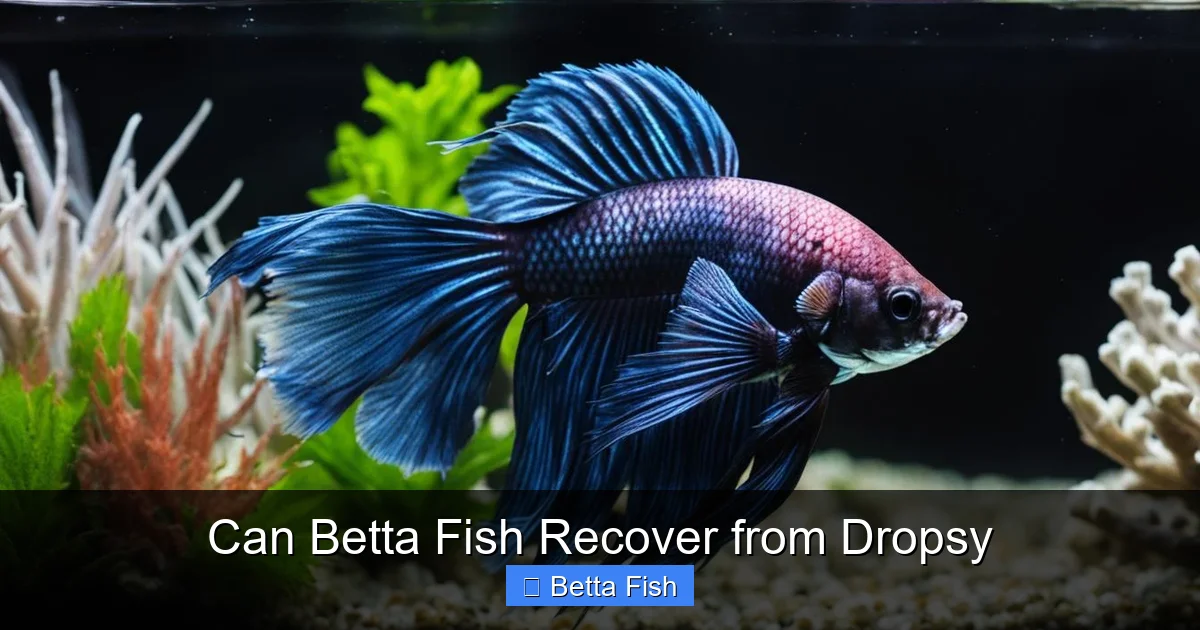
This is the hardest part of fish ownership, and it’s something no one wants to talk about. But it’s important to be honest: sometimes, despite your best efforts, a betta fish cannot recover from dropsy. If your fish has stopped eating entirely, is struggling to breathe, shows severe pineconing with no improvement after several days of treatment, or appears to be suffering, humane euthanasia may be the kindest option.
The most widely recommended method is clove oil euthanasia, which gently sedates and then peacefully passes the fish. It’s a difficult decision, but choosing to end suffering is an act of love and responsibility. No one who truly cares about their betta should feel guilty for making this choice when the situation warrants it.
Common Myths About Dropsy Recovery
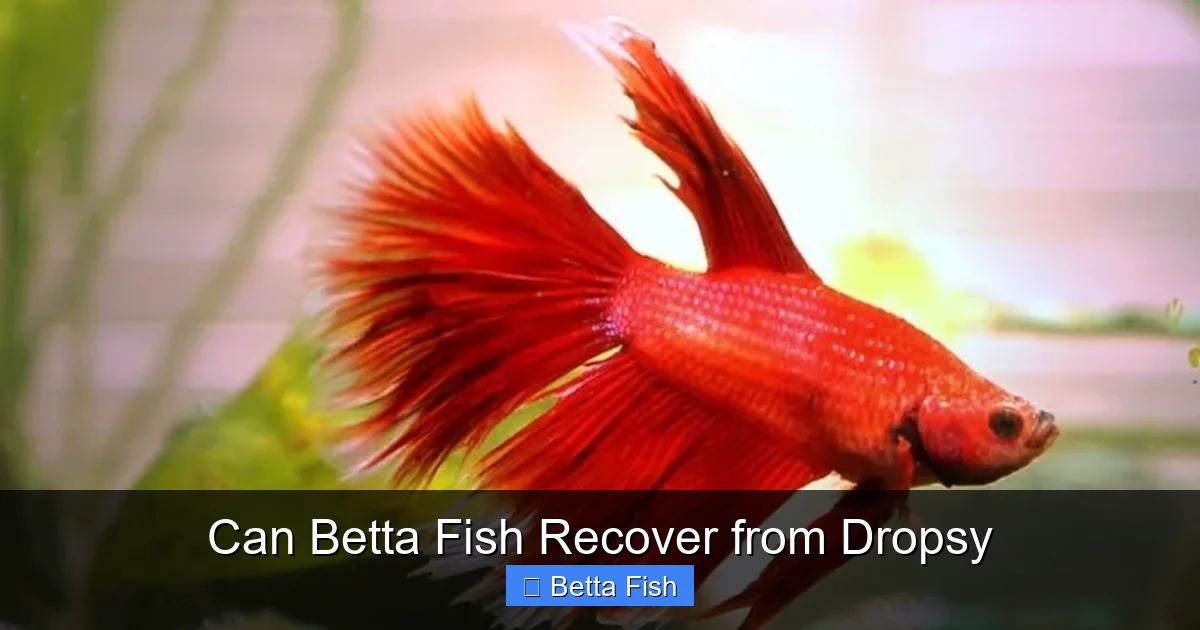
Visual guide about Can Betta Fish Recover from Dropsy
Image source: infishtank.com
There’s a lot of misinformation floating around about dropsy, so let’s clear up a few common myths:
- Myth: Dropsy is contagious. Dropsy itself isn’t contagious — it’s a symptom. However, the underlying bacterial infection can spread to other fish, especially those with weakened immune systems. Always quarantine a sick betta.
- Myth: Dropsy always means death. While the prognosis is serious, early and aggressive treatment can save your betta. Don’t give up at the first sign — act quickly and consistently.
- Myth: Salt in the tank cures dropsy. Aquarium salt and Epsom salt are very different things. Epsom salt baths are the appropriate treatment, not adding regular salt to your tank.
- Myth: Dropsy only affects dirty tanks. While poor water quality is a major risk factor, dropsy can affect bettas in well-maintained tanks too, especially if they have compromised immune systems from other causes.
Final Thoughts: Hope, But Also Realism
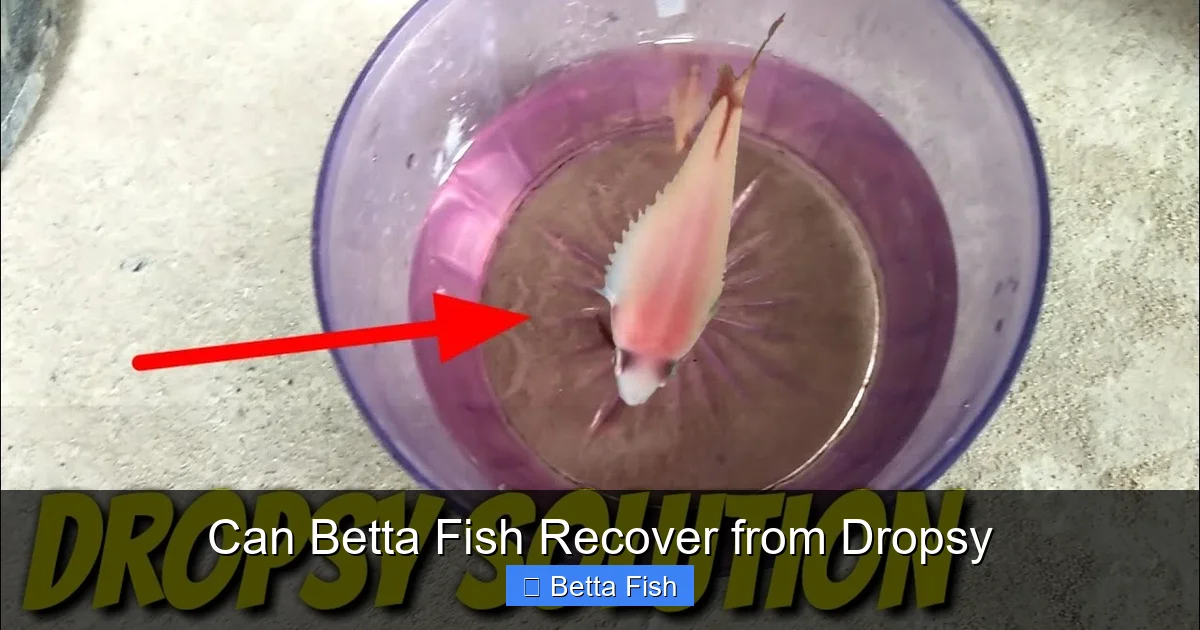
Visual guide about Can Betta Fish Recover from Dropsy
Image source: i.ytimg.com
So, can betta fish recover from dropsy? The answer is a cautious yes — with significant caveats. Early detection, aggressive treatment with Epsom salt and antibiotics, pristine water conditions, and a healthy dose of luck all play a role in determining whether your betta pulls through.
The most important takeaway is this: prevention is infinitely more reliable than treatment. By maintaining excellent water quality, feeding a nutritious diet, minimizing stress, and monitoring your betta’s health daily, you dramatically reduce the likelihood that dropsy will ever become a concern in the first place.
If your betta does develop dropsy, don’t lose hope — but also be realistic about the prognosis. Start treatment immediately, follow through consistently, and make compassionate decisions based on your fish’s quality of life. Every betta owner who takes the time to learn about conditions like dropsy is already doing right by their fish. Your dedication to understanding this condition shows that you care deeply about your betta’s wellbeing, and that matters more than you might realize.
Frequently Asked Questions
Is dropsy in betta fish contagious to other fish?
Dropsy itself is not contagious since it’s a symptom rather than a disease. However, the underlying bacterial infection that causes dropsy can potentially spread to other fish, especially those with weakened immune systems. Always quarantine an affected betta immediately to protect tank mates.
How long does it take for a betta to recover from dropsy?
If treatment is successful, you may see improvement within 3-5 days of starting Epsom salt baths and antibiotics. However, full recovery can take several weeks, and you should continue treatment for the complete recommended course even after visible symptoms improve to prevent relapse.
Can I use aquarium salt instead of Epsom salt for dropsy treatment?
No, you should not substitute aquarium salt for Epsom salt. Epsom salt (magnesium sulfate) works by drawing excess fluid out of the body through osmosis, while aquarium salt (sodium chloride) functions differently and won’t effectively address the fluid retention that causes dropsy symptoms.
What is the difference between dropsy and constipation in betta fish?
Constipation causes bloating but does not cause the scales to raise outward (pineconing). Dropsy involves both bloating and raised scales that stick out from the body. If you see pineconing, it’s dropsy and requires immediate treatment, while constipation can often be resolved by fasting your betta for 24-48 hours.
Should I treat my main tank with antibiotics if one fish has dropsy?
You should not medicate your main tank. Instead, move the sick betta to a separate hospital tank for treatment. Medicating the main tank can harm beneficial bacteria, stress healthy fish, and contribute to antibiotic resistance. Focus treatment on the affected fish in isolation.
How can I tell if my betta is too far gone to recover from dropsy?
If your betta has stopped eating completely, shows severe pineconing that hasn’t improved after 3-4 days of treatment, struggles to breathe at the surface constantly, or appears to be in visible distress with no response to treatment, the prognosis is very poor. At that point, humane euthanasia may be the most compassionate choice.