Can betta fish live with small turtles? It’s one of the most common questions new aquarium owners ask, and the short answer is: it’s a risky idea. While both are beautiful aquatic pets, bettas and turtles have very different needs when it comes to water temperature, space, and temperament. Even small turtles can be aggressive and may see your betta as a snack. In this article, we’ll break down exactly why this combination is dangerous, what happens if you try it, and what you should do instead to keep both pets safe and thriving.
Key Takeaways
- Turtles and bettas have incompatible habitat needs: Turtles require basking areas and warmer temperatures that don’t align perfectly with betta fish requirements.
- Even small turtles can be aggressive: Many turtle species are natural predators and may nip at or eat your betta fish.
- Space requirements differ drastically: Turtles need far more swimming and basking space than a betta’s typical tank setup provides.
- Water quality challenges increase: Turtles produce significantly more waste, making it harder to maintain clean water for sensitive bettas.
- Stress is a major concern: Constant exposure to a turtle’s presence can cause chronic stress, weakening your betta’s immune system.
- Separate tanks are always the safest option: Keeping your betta and turtle in their own properly equipped tanks is the best approach.
- Safer tank mate alternatives exist: Snails, shrimp, and certain peaceful fish make far better companions for betta fish.
[FEATURED_IMAGE_PLACEHOLDER]
📑 Table of Contents
- Can Betta Fish Live With Small Turtles?
- Understanding Betta Fish Behavior and Needs
- Understanding Small Turtle Behavior and Needs
- The Main Reasons Betta Fish and Turtles Don’t Mix
- What Happens If You Put a Betta Fish With a Turtle?
- Safer Alternatives: What Can Live With Betta Fish?
- Setting Up Separate, Ideal Habitats
- Common Myths About Keeping Bettas and Turtles Together
- Conclusion: Keep Your Betta and Turtle Safe
Can Betta Fish Live With Small Turtles?
If you’re a fan of both betta fish and turtles, you’ve probably wondered whether these two stunning pets could share a tank. It’s a tempting thought — a vibrant betta fish gliding through the water alongside a cute little turtle. But before you put them together, there are some very important things you need to understand. The reality is that can betta fish live with small turtles is a question with a complicated and often disappointing answer.
Betta fish are known for their stunning colors, flowing fins, and surprisingly feisty personalities. Turtles, even small ones, are hardy, curious, and often surprisingly aggressive. While both animals are undeniably cool to watch, their needs, behaviors, and natural instincts make them poor tank mates in almost every scenario. Let’s dive deep into why this is and what every pet owner should know before attempting this combination.
Understanding Betta Fish Behavior and Needs
What Makes Betta Fish Unique?
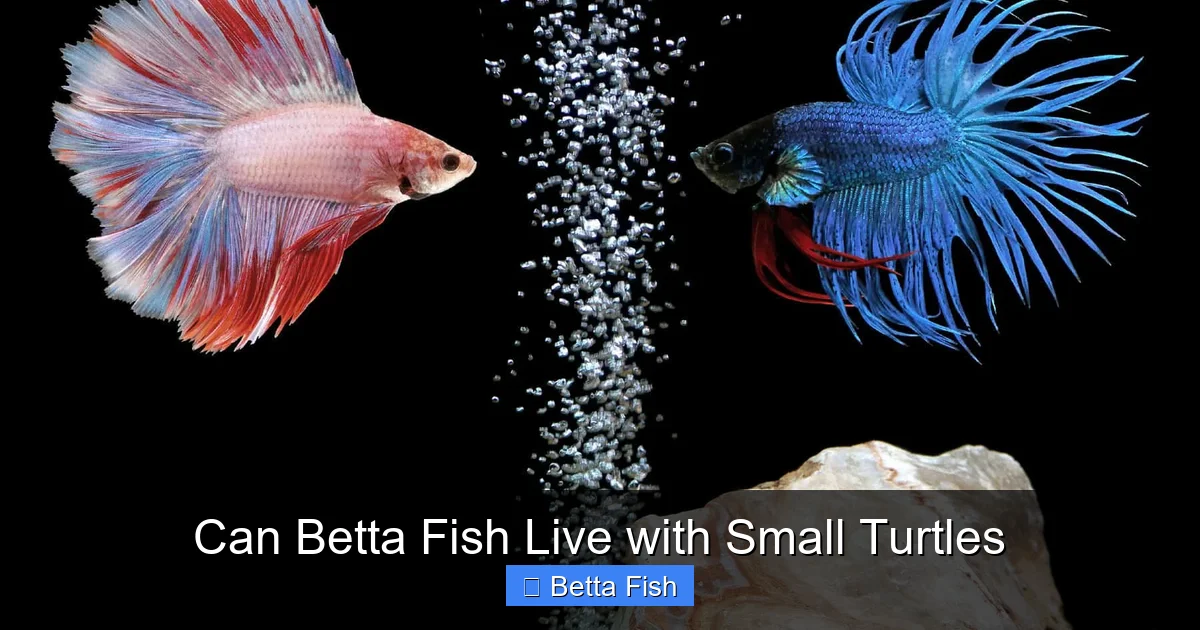
Betta fish, also known as Siamese fighting fish, are native to the warm, shallow waters of Southeast Asia. They’re labyrinth fish, meaning they can breathe air directly from the surface — a trait that sets them apart from most other aquarium fish. Bettas thrive in water temperatures between 76°F and 82°F and prefer calm, still water with plenty of hiding spots.
Visual guide about Can Betta Fish Live with Small Turtles
Image source: aquariadise.com
Male bettas are notoriously territorial and aggressive toward other males. They’ll flare their gills, spread their fins, and attack anything they perceive as a threat. Female bettas can also be aggressive, though generally less so than males. This territorial nature is a key reason why choosing tank mates for bettas requires careful thought.
Betta Fish Vulnerability
Despite their feisty attitudes, bettas are actually quite delicate. Their long, flowing fins make them slow swimmers and easy targets for nipping or aggression. A betta’s fins can be torn or damaged by even minor confrontations, and open wounds are prone to infections like fin rot. This vulnerability is critical to understand when considering whether can betta fish live with small turtles — because turtles are natural nippers.
Bettas also require clean, well-maintained water conditions. They’re sensitive to ammonia, nitrite, and nitrate spikes, which means any tank they live in needs a reliable filter and regular water changes. Adding a turtle to the equation dramatically increases the bioload and makes water quality management much harder.
Understanding Small Turtle Behavior and Needs
Common Small Turtle Species in the Pet Trade
When people talk about “small turtles” for home aquariums, they’re usually referring to species like the red-eared slider (especially juveniles), musk turtles, mud turtles, or map turtles. While these turtles may start out small and adorable, most of them grow significantly larger within a year or two. A baby red-eared slider might be the size of a quarter, but adults can reach 10 to 12 inches in length.
Musk and mud turtles stay smaller, typically maxing out at 4 to 6 inches, which is why they’re sometimes considered more “manageable” for aquarium setups. However, even these smaller species have needs and behaviors that conflict with those of betta fish.
Are Turtles Aggressive?
Many people assume turtles are gentle, slow-moving creatures. While they may not be aggressive in the same way a betta fish is, turtles are opportunistic omnivores. In the wild, they eat insects, small fish, crustaceans, and plant matter. A slow-moving betta fish with flowing fins swimming past a turtle looks a lot like prey. Even a relatively docile turtle may instinctively bite or chase a betta fish.
Some turtle species are more aggressive than others. Red-eared sliders, for example, are known to be quite active and curious, which can lead to them harassing or attacking tank mates. Musk turtles are generally more sedentary but will still snap at small fish that come too close. The bottom line is that a turtle’s natural instincts make it a danger to any small fish in its territory.
The Main Reasons Betta Fish and Turtles Don’t Mix
1. Predatory Instincts
This is the single biggest reason why the answer to can betta fish live with small turtles is almost always no. Turtles are natural predators of small fish. Even if your turtle seems calm and uninterested in your betta at first, that can change in an instant. A single bite from a turtle can seriously injure or kill a betta fish. Turtles have strong, sharp beaks designed for crushing and tearing — not the kind of mouth you want near your delicate betta.
There are anecdotal reports of people who have kept bettas and turtles together without incident, but these are the exceptions, not the rule. For every success story, there are countless others where the betta ended up injured, stressed, or dead. It’s simply not worth the risk.
2. Different Habitat Requirements
Bettas and turtles need very different living environments. Here’s a quick comparison:
- Water temperature: Bettas need 76°F–82°F. Most turtles prefer water between 75°F–85°F, which seems compatible, but turtles also need a basking area with a heat lamp reaching 85°F–95°F.
- Basking area: Turtles absolutely require a dry basking platform with UVB lighting to metabolize calcium and maintain healthy shells. Bettas have no need for basking areas or UVB lights.
- Water depth: Turtles need water deep enough to swim but shallow enough to easily reach the surface. Bettas prefer consistent water depths of at least 5 inches.
- Filtration: Turtles produce a massive amount of waste and need powerful filtration. Bettas prefer gentle water flow and can be stressed by strong currents from heavy-duty filters.
Trying to meet both sets of requirements in a single tank means compromising on the needs of one or both animals. Neither your betta nor your turtle will be truly comfortable or healthy in a compromised setup.
3. Space Constraints
Even small turtles need a lot of space. A single musk or mud turtle needs at minimum a 40-gallon tank, and red-eared sliders eventually need 75 to 100 gallons or more. Betta fish, on the other hand, can thrive in tanks as small as 5 gallons (though 10 gallons is recommended). When you combine the two, you’re looking at a very large tank — and even then, the betta may not have enough safe hiding spots to escape the turtle’s attention.
Turtles are active swimmers and explorers. They’ll rearrange decorations, uproot plants, and generally take over the tank. A betta fish needs calm, stable territory with places to hide and rest near the surface. The constant activity and disruption from a turtle can cause severe stress for a betta.
4. Water Quality Issues
Turtles are messy. They eat a lot, produce a lot of waste, and frequently foul the water. This creates a huge challenge for maintaining the pristine water conditions that betta fish require. High levels of ammonia and nitrites can quickly poison a betta, and even elevated nitrates can cause stress and illness over time.
To handle a turtle’s bioload, you’d need a powerful canister filter or similar heavy-duty filtration system. But bettas dislike strong water currents, and the turbulence from a powerful filter can exhaust and stress them. It’s a catch-22 that makes keeping these two species together extremely difficult.
5. Stress and Health Risks
Even if your turtle never actually attacks your betta, the mere presence of a predator in the same tank causes chronic stress. A stressed betta fish is more susceptible to diseases like ich, fin rot, and velvet. Stress suppresses the immune system, making it harder for your betta to fight off infections that it might otherwise handle without issue.
Signs of stress in betta fish include loss of color, clamped fins, hiding constantly, refusing to eat, and lethargy. If your betta is showing these symptoms and shares a tank with a turtle, the turtle is almost certainly the cause.
What Happens If You Put a Betta Fish With a Turtle?
If you’re still tempted to try keeping these two together despite the warnings, let’s walk through what typically happens. In the first few hours, your betta may swim normally and the turtle may seem indifferent. This “honeymoon period” is what gives some people false confidence that the arrangement is working.
However, within days or even hours, one of several things is likely to happen. The turtle may begin chasing the betta, nipping at its long fins. Even a small nip can tear a betta’s delicate fins, leading to bleeding and potential infection. If the turtle is larger or more aggressive, it may attempt to eat the betta outright. A turtle’s beak can easily crush a betta fish.
Even without direct physical contact, the betta will likely become stressed from constantly trying to avoid the turtle. It may hide in corners, refuse food, and become pale. Over time, this stress leads to a weakened immune system and illness. For more detailed information on this topic, you can check out our article on can turtles and betta fish live together, which goes even deeper into the specifics.
Safer Alternatives: What Can Live With Betta Fish?
If you’re looking for tank mates for your betta fish, there are plenty of safer options than a turtle. The key is choosing animals that are peaceful, not nippy, and compatible with your betta’s water parameters. Here are some of the best alternatives:
Freshwater Snails
Snails are one of the most popular tank mates for betta fish. They’re peaceful, help clean algae, and generally ignore bettas completely. Nerite snails, mystery snails, and ramshorn snails are all great choices. They’re hardy, low-maintenance, and won’t stress your betta out. For a complete guide, check out our article on can betta fish live with snails.
Shrimp
Cherry shrimp, Amano shrimp, and ghost shrimp can make excellent betta tank mates, though there’s a small risk that a particularly aggressive betta may chase or eat smaller shrimp. Larger shrimp like Amano shrimp are generally safe. Shrimp are fascinating to watch and help keep the tank clean by eating leftover food and algae. Learn more in our guide on can betta fish live with shrimp.
Peaceful Community Fish
Some small, peaceful fish can coexist with bettas in larger tanks (20 gallons or more). Ember tetras, harlequin rasboras, and corydoras catfish are popular choices. However, you should always monitor interactions carefully, as every betta has a unique personality. Some are more tolerant than others. For a comprehensive list of compatible species, visit our article on what other fish can live with betta fish.
Setting Up Separate, Ideal Habitats
The Perfect Betta Tank
Instead of risking your betta’s life by housing it with a turtle, invest in a proper betta setup. A 10-gallon tank with a gentle sponge filter, a heater set to 78°F, and plenty of live plants and hiding spots will keep your betta happy and healthy. Add a floating betta log or hammock near the surface for resting, and you’ll have a thriving betta aquarium.
Live plants like Java fern, Anubias, and Amazon swords provide natural hiding places and help maintain water quality. Avoid sharp or rough decorations that could tear your betta’s delicate fins. A well-planted tank with stable water parameters is the best environment for a betta fish to truly flourish.
The Perfect Turtle Tank
Turtles deserve their own properly equipped habitat too. A 40-gallon tank (minimum for smaller species) with a powerful canister filter, a basking platform, a heat lamp, and a UVB light will keep your turtle healthy. The water should be deep enough for swimming but with easy access to the basking area. River rocks, driftwood, and floating platforms make great additions.
Remember that turtles grow, so plan for your turtle’s adult size, not its baby size. A tank that seems spacious for a hatchling will be far too small within a year. Proper turtle care requires commitment to a large, well-maintained setup.
Common Myths About Keeping Bettas and Turtles Together
Myth: “My Turtle Is Too Small to Hurt My Betta”
Even a hatchling turtle has a strong enough bite to damage a betta fish. Size doesn’t matter as much as instinct — a turtle doesn’t need to be large to see a slow-moving, brightly colored fish as food. Don’t let your turtle’s small size fool you into thinking it’s harmless.
Myth: “They Seemed Fine at First”
The fact that your betta and turtle coexisted peacefully for a few days means very little. Turtles can be patient predators, and bettas can hide stress symptoms for a while before they become obvious. By the time you notice problems, it may be too late for your betta.
Myth: “A Bigger Tank Will Solve the Problem”
While a larger tank gives your betta more room to avoid the turtle, it doesn’t eliminate the fundamental problems of incompatible needs, predatory instincts, and stress. A bigger tank may delay the inevitable, but it doesn’t make this combination safe or sustainable.
Conclusion: Keep Your Betta and Turtle Safe
So, can betta fish live with small turtles? The honest answer is that while it’s technically possible in rare cases, it’s a bad idea that puts your betta fish at serious risk. The predatory instincts, different habitat needs, space requirements, water quality challenges, and stress factors all point to one clear conclusion: these two species should be kept separately.
Your betta fish deserves a calm, clean, stress-free environment where it can display its beautiful colors and natural behaviors. Your turtle deserves a spacious, well-equipped habitat with proper basking and lighting. Giving each pet its own tank is the best way to ensure both live long, healthy, and happy lives.
If you’re looking for companions for your betta, stick with peaceful options like snails, shrimp, or carefully selected community fish. And if you want a turtle, set up a dedicated turtle tank that meets all of its unique needs. Both of these amazing animals are wonderful pets — they just shouldn’t share the same home.
Frequently Asked Questions
Can a betta fish live with a baby turtle?
No, even baby turtles can be dangerous to betta fish. A hatchling turtle still has natural predatory instincts and a strong enough bite to injure or kill a betta. The size of the turtle doesn’t make it safe for your fish.
What size tank would I need to keep a betta and turtle together?
You would need at minimum a 75-gallon tank to even attempt housing both species, and even then it’s not recommended. The space requirements, filtration needs, and habitat differences make it impractical and unsafe for the betta fish.
Will my turtle eat my betta fish?
There’s a very high chance that a turtle will at least attempt to eat a betta fish. Turtles are opportunistic omnivores, and a slow-moving, brightly colored fish with flowing fins triggers their hunting instincts. Even if the turtle doesn’t eat the betta, it may nip at its fins.
Can betta fish live with any reptiles?
Betta fish should not be housed with any reptiles, including turtles, frogs, or newts. Reptiles have fundamentally different habitat requirements and most view small fish as prey. It’s always safest to keep fish and reptiles in completely separate enclosures.
What are the best tank mates for betta fish?
The safest tank mates for betta fish include freshwater snails (like nerite or mystery snails), Amano shrimp, and small peaceful fish like ember tetras or corydoras catfish in a sufficiently large tank. Always research compatibility and monitor interactions when introducing new tank mates.
How can I tell if my betta is stressed from sharing a tank?
Signs of stress in betta fish include faded color, clamped fins (fins held close to the body), constant hiding, loss of appetite, lethargy, and rubbing against tank surfaces. If you notice these symptoms, remove the source of stress immediately and check water parameters.

