How Long Does It Take to Mate Betta Fish
So how long does it take to mate betta fish? The entire mating process can take anywhere from a few hours to a full day, depending on the pair’s comfort level and conditions. Betta fish courtship involves elaborate displays, bubble nest building, and a unique spawning ritual. Understanding each stage helps you support your fish through a healthy and successful breeding experience.
Key Takeaways
- Mating takes time: The full betta fish mating process can last anywhere from a few hours up to a full day, with multiple stages involved.
- Courtship comes first: Male bettas display vibrant colors, flare fins, and build bubble nests to attract females before any actual spawning occurs.
- Tank setup matters: A properly prepared breeding tank with warm water and hiding spots dramatically improves your chances of successful mating.
- Female readiness is key: A female with a visible egg spot and vertical stripes is ready to mate, while an unready female can trigger aggression.
- Post-mating care is critical: After spawning, the male guards eggs and fry, and you need to remove the female to prevent conflicts.
- Patience pays off: Not every pairing will succeed on the first try. Understanding betta fish behavior helps you troubleshoot failed attempts.
📑 Table of Contents
Understanding Betta Fish Mating Behavior
Before we dive into timing, it helps to understand how betta fish actually mate. These fish have one of the most fascinating betta fish courtship rituals in the aquarium world. Males and females communicate through color changes, fin displays, and even bubble nest construction.
Male bettas are known for their aggression toward other males. But during breeding season, their behavior shifts. They become focused on attracting a mate. You will see the male flaring his fins, displaying bright colors, and building a betta fish bubble nest at the water surface. This nest is where eggs will eventually be placed.
Females respond differently. They may seem less impressive at first glance. But a ready female shows specific signs like vertical stripes along her body and a visible egg spot near her underside. These signals tell you the female is prepared to participate in spawning.
The Courtship Ritual
Betta fish courtship is not instant. It can take hours for the pair to get comfortable with each other. The male often starts by showing off near the female’s side of the tank. He flares his gills and spreads his fins wide. This display says, “Hey, look at me.”
The female watches and responds. If she is interested, she will darken slightly and show her vertical bars. If she is not interested, she may hide or show aggressive signs herself. This back-and-forth can last a long time before anything physical happens.
You might also notice the male chasing the female around the tank. This is normal. He is guiding her toward the betta fish bubble nest. The chase is part of the process. It builds the pair’s rhythm before spawning begins.
How to Tell If Your Betta Fish Is Ready to Mate
Timing is everything. Knowing the signs of readiness saves you from forced or failed matings. Here are the key indicators:
- Male displays: The male flares at the female, builds or maintains a bubble nest, and shows bright colors.
- Female vertical stripes: A gravid female shows distinct vertical bars along her body.
- Egg spot: The female has a small white spot near her ventral area, signaling egg development.
- Body shape: A ready female looks slightly rounder in the belly area.
- Reduced aggression: The female tolerates the male’s presence without constant fighting.
If you do not see these signs, the female is likely not ready. Forcing the pair together during this time often leads to injury. You can learn more about whether bettas need to mate at all in our guide on do betta fish have to mate.
How Long Does It Take to Mate Betta Fish?
This is the big question, and the answer is more nuanced than you might expect. How long does it take to mate betta fish? depends on several factors. The actual spawning event—where eggs are released and fertilized—usually lasts only a few minutes. But everything leading up to it can take hours.
In total, from first introduction to actual spawning, you might wait anywhere from 2 to 12 hours. Some pairs mate within an hour. Others take nearly a full day. There is no single answer because each pair is different.
The Mating Process Step by Step
Let us break down exactly what happens, step by step, during the betta fish mating timeline:
- Introduction (30 minutes to 3 hours): The male and female are placed near each other. They observe one another. The male begins flaring and building or repairing his bubble nest.
- Display phase (1 to 4 hours): The male shows off colors and fin displays. The female responds with body signals. Both fish may pace the tank. This phase builds familiarity.
- Chase phase (30 minutes to 2 hours): The male starts chasing the female. This guides her toward the nest area. The female may flee at first but gradually accepts the pursuit.
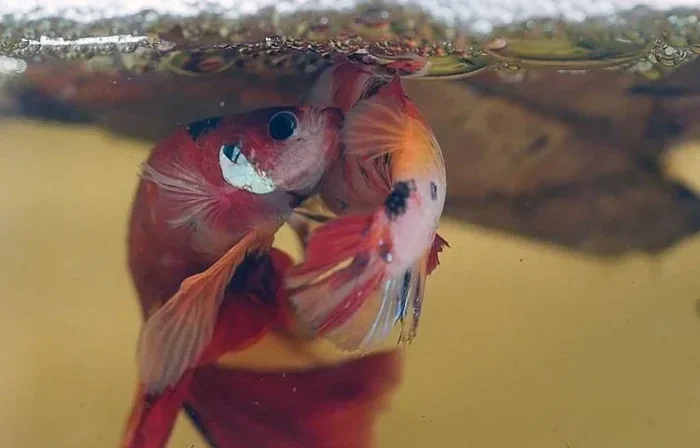
- Spawning (5 to 30 minutes): The male wraps around the female. Eggs are released and fertilized externally. The male catches eggs in his mouth and places them in the bubble nest. This is the actual mating event.
- Post-spawning recovery (1 to 2 hours): The male focuses entirely on guarding the eggs. The female should be removed at this point.
So when you add it all up, the full betta fish reproductive cycle from introduction to completion can easily span a day. But the active mating portion is relatively short.
Factors That Affect Mating Time
Not all pairs move at the same speed. Several factors influence how quickly things happen:
- Experience: Breeding pairs that have mated before often move faster. New pairs take more time to figure things out.
- Water temperature: Warmer water (around 78-82°F) speeds up metabolism and encourages breeding. Cold water slows everything down.
- Comfort level: A well-planted tank with hiding spots helps the female feel safe. Stressed fish take longer to mate.
- Female readiness: If the female is not fully gravid, the male may grow frustrated. This delays the process significantly.
- Tank size: A tank that is too small can increase stress. A spacious setup gives both fish room to settle in.
If you want to learn more about how breeding affects a betta’s overall health and lifespan, check out our article on how long does betta fish live.
Preparing Your Tank for Betta Fish Mating
Proper preparation makes a huge difference. A poorly set up tank leads to failed matings, injured fish, and lost eggs. Let us go over what you need to do before introducing a breeding pair.
Tank Setup Requirements
You should use a dedicated breeding tank. A 10-gallon tank works well for a breeding pair. The tank should include:
- A betta fish bubble nest area at the surface. You can use a small floating object or leave space near the top.
- Fine-leaved plants like java moss or spawning mops. These give eggs a safe place to rest.
- Hiding spots for the female. She needs places to retreat if she feels overwhelmed.
- A gentle filter or air stone. Strong water flow can destroy bubble nests.
- No gravel substrate. Breeding tanks work best with bare bottoms or very fine substrate.
Setting up the tank ahead of time lets the male start building his nest before the female arrives. This signals readiness and helps speed up the betta fish mating timeline.
Water Conditions for Breeding
Water quality directly impacts breeding success. Here are the ideal parameters:
- Temperature: Keep water between 78°F and 82°F. Use a reliable heater.
- pH: Aim for a slightly acidic to neutral range (6.5 to 7.5).
- Ammonia and nitrites: These should be at 0 ppm. Any toxins stress the fish and delay breeding.
- Nitrates: Keep below 20 ppm through regular water changes.
Perform a water change 24 hours before introducing the pair. Fresh, clean water triggers breeding instincts. Also make sure the water is soft to moderately hard, as this mimics the betta fish habitat in the wild.
Common Challenges During Betta Fish Mating
Even experienced aquarists face setbacks. Understanding common problems helps you respond quickly and effectively.
Aggression and Compatibility Issues
Not every pair gets along. The male may attack the female too aggressively. This usually happens when the female is not ready or the male is overly territorial. Signs of a problem include:
- The female is hiding constantly and refusing to surface.
- The male chases the female non-stop without pausing for the nest.
- The female shows clamped fins and dark coloring, indicating stress.
- Physical injuries like torn fins or missing scales appear after encounters.
When this happens, remove the female immediately. Give her time to recover. You can try reintroducing her after a day or two. If it still does not work, the pair may simply not be compatible. This is normal and does not mean either fish is unhealthy.
When Mating Doesn’t Work
Failed matings happen more often than beginners expect. The male may abandon the bubble nest. The female may eat the eggs. Or the pair may simply never progress past the display phase. Here are a few reasons this can happen:
- Incorrect water temperature: Cold water suppresses breeding hormones.
- Poor nutrition: Both fish need high-quality food before breeding. Feed live or frozen foods like bloodworms and brine shrimp for 2 weeks prior.
- Disturbances: Loud noises or tapping on the tank can interrupt the process. Keep the breeding area quiet.
- Immaturity: Young bettas under 6 months may not be sexually mature yet. Wait until they are fully grown.
Do not get discouraged. Most successful breeders have experienced failed attempts. Patience and proper conditions eventually lead to results.
After Mating: What Happens Next?
Once spawning is complete, the real work begins. The male takes over egg care, and your job shifts to monitoring and supporting.
Egg Development and Hatching
After the male places eggs in the betta fish bubble nest, he guards them fiercely. He picks up any eggs that fall and returns them to the nest. During this time, he may stop eating entirely. This is normal. He is focused on the next generation.
Eggs typically hatch within 24 to 48 hours. You will know hatching is near when the nest starts to look disturbed. Tiny fry begin falling from the nest and swimming near the water surface. At this point, the male’s role shifts from guarding to collecting fry and returning them to the nest.
For more details on egg development, check out our guide on how long does it take betta fish eggs to hatch.
Caring for Betta Fish Fry
Baby betta fish, or fry, need very specific care. Here is a quick overview:
- Feeding: Start with infusoria or liquid fry food for the first 3 days. Move to baby brine shrimp after that.
- Water changes: Perform small, frequent water changes (10-15% every 2 days) to keep water clean without disrupting the fry.
- Temperature: Maintain 80-82°F to support fast growth.
- Removing the male: Once the fry are free-swimming, move the male back to his regular tank. He may start eating the fry after a few days.
Caring for betta fish fry is challenging but rewarding. Many hobbyists find this stage the most fulfilling part of the breeding process. If you want to learn more about raising fry, our article on are baby betta fish hard to take care of provides helpful insights.
Expert Tips for Successful Betta Fish Mating
Here are some practical tips gathered from experienced breeders to help you succeed:
- Condition the fish first. Feed high-protein foods for at least two weeks before attempting to mate. Healthy fish breed more successfully.
- Introduce the female at night. Mating often begins in low-light conditions. This reduces stress for both fish.
- Watch, do not interfere. Let the pair work through the process on their own. Only step in if there is serious aggression.
- Keep a separate recovery tank ready. If the female needs to be removed, have a quarantine tank set up with clean water.
- Track the timeline. Note when you introduced the pair and when spawning occurred. This helps you improve timing for future attempts.
- Maintain consistent water parameters. Sudden changes in temperature or chemistry can halt breeding entirely.
For general care advice that supports breeding readiness, our comprehensive guide on how to take care of betta fish is a great resource.
Conclusion
How long does it take to mate betta fish? The answer depends on the pair, the environment, and the female’s readiness. Expect the full process to take anywhere from a few hours to a full day. The active spawning itself lasts only minutes, but preparation and courtship take most of the time.
Successful betta fish breeding requires patience, proper tank conditions, and close attention to behavior. By understanding the mating timeline and preparing adequately, you give your fish the best chance for a healthy spawning experience. Remember to prioritize the safety of both the male and female throughout the process, and always be ready to step in if things go wrong.
Every pair is unique. What works for one may not work for another. Stay patient, keep learning, and enjoy the incredible journey of watching these beautiful creatures bring new life into the world.
Frequently Asked Questions
How long does the actual mating last between betta fish?
The actual spawning event, where eggs are released and fertilized, typically lasts between 5 and 30 minutes. However, the entire courtship and mating process from introduction to spawning can take several hours up to a full day.
How do I know if my betta fish are ready to mate?
Look for a male building a bubble nest and displaying bright colors, and a female showing vertical stripes and a visible egg spot. The female should also appear rounder in the belly. These signs indicate both fish are ready for breeding.
What should I do if my betta fish fight during mating?
If the aggression is severe and the female is hiding constantly or showing signs of stress, remove her immediately. Let her recover for a day or two before trying again. Sometimes pairs are simply not compatible, and a different pairing may work better.
How long does it take for betta fish eggs to hatch after mating?
Betta fish eggs typically hatch within 24 to 48 hours after spawning. The male guards the eggs in his bubble nest during this time. Once the fry become free-swimming, you should remove the male to prevent him from eating them.
Can betta fish mate multiple times in one day?
Yes, a pair can mate multiple times within a single day if the female continues to release eggs. However, it is best to limit breeding sessions to avoid exhausting the female. Allow several days of rest between breeding attempts for recovery.
What water temperature is best for betta fish mating?
The ideal water temperature for betta fish breeding is between 78°F and 82°F. Warm water promotes breeding behavior and supports healthy egg development. Use a reliable heater and monitor the temperature consistently throughout the mating process.