Can Betta Fish Live with Glow Fish and Neons
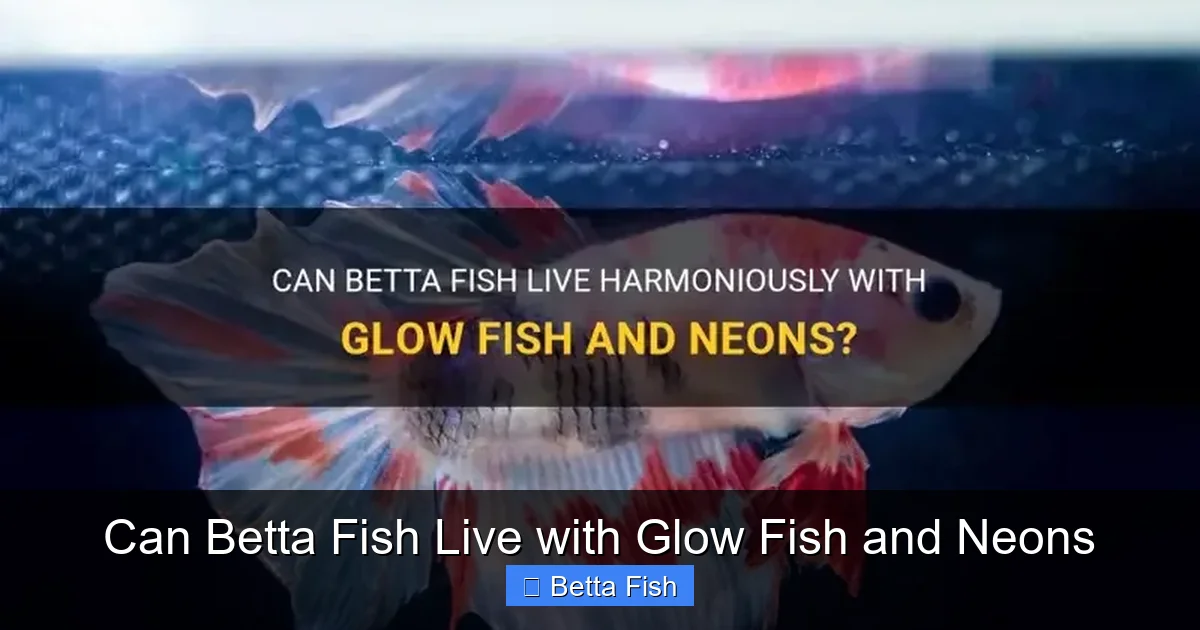
Can betta fish live with glow fish and neons? It is possible, but success depends on your betta’s temperament, tank size, and careful planning. This guide covers everything you need to know about creating a peaceful, thriving community tank with these colorful fish.
This is a comprehensive guide about can betta fish live with glow fish and neons.
Key Takeaways
- Compatibility is not guaranteed: A betta fish can live with glow fish and neons, but individual temperament plays the biggest role in success or failure.
- Tank size matters significantly: A minimum of 20 gallons is recommended to provide enough territory and reduce aggression and stress.
- Glow fish are usually tetras: Most glow fish are genetically modified tetras, and their small size and schooling nature make them potential targets for a nippy betta.
- Neons need large groups: Neon tetras must be kept in schools of at least six to feel secure, which helps them avoid your betta’s attention.
- Always have a backup plan: Be prepared to separate fish immediately if you see signs of aggression, fin nipping, or severe stress in your tank.
- Monitor water parameters closely: Both bettas and tetras need stable, clean water with appropriate temperature and pH for long-term health.
- Provide plenty of hiding spots: Plants, caves, and decorations break sightlines and give shy fish places to retreat when needed.
[FEATURED_IMAGE_PLACEHOLDER]
Introduction: Can Betta Fish Live With Glow Fish and Neons?
So you have a beautiful betta fish, and now you are dreaming of a vibrant, colorful community tank. You see those dazzling glow fish and shimmering neon tetras at the pet store and think, “Wouldn’t those look amazing alongside my betta?” It is a thought that crosses every betta owner’s mind at some point. The good news is that it can work, but it is not as simple as just dropping them all into a bowl together.
Can betta fish live with glow fish and neons? The short answer is yes, sometimes. But the long answer involves understanding the personality of your specific betta, the needs of each species, and the conditions required to make a community tank successful. Betta fish are naturally territorial and can be aggressive. Glow fish and neons are small, fast, and often brightly colored, which can trigger a betta’s instinct to attack.
In this guide, we will walk you through everything you need to know. We will cover what glow fish actually are, how neon tetras behave, what makes a good tank mate for a betta, and exactly how to set up your aquarium to give everyone the best chance at a peaceful life together. Whether you are a beginner or a seasoned fish keeper, this article will help you make the right decision for your aquatic family.
Understanding Your Betta Fish’s Personality
Not All Bettas Are the Same
One of the most important things to understand is that every betta fish has a unique personality. Some bettas are incredibly docile and seem to ignore anything else in the tank. Others are absolute terrors that will attack anything that moves, including their own reflection. Before you even think about adding tank mates, you need to spend time observing your betta’s behavior.
A betta that flares at everything, constantly patrols the tank, or attacks the glass when you walk by is probably not a great candidate for community living. On the other hand, a betta that swims calmly, shows curiosity without aggression, and ignores snails or shrimp in the tank might be a better fit. Can betta fish live with glow fish and neons if the betta is aggressive? Honestly, no. An aggressive betta will stress, injure, or kill smaller fish.
Factors That Influence Betta Temperament
Several factors shape how aggressive or peaceful your betta will be. Genetics play a role, as some lines are bred to be more aggressive than others. Environment is equally important. A betta kept in a small, barren tank is far more likely to be territorial and stressed than one living in a spacious, well-decorated aquarium. Past experiences matter too. A betta that has been kept alone for a long time may be more territorial when new fish are introduced.
Gender also plays a part. Male bettas are generally more aggressive than females, though females can certainly hold their own in a fight. If you are considering a community tank, a female betta from a sorority background might be slightly more tolerant, though sorority setups come with their own challenges. You can learn more about this in our article on whether male and female betta fish can live together.
What Exactly Are Glow Fish?
The Science Behind the Glow
Glow fish are not a naturally occurring species. They are genetically modified fish that have been infused with fluorescent protein genes, usually from jellyfish or coral. This causes them to glow under blue or ultraviolet light. The most common glow fish available in pet stores are glow tetras, glow barbs, and glow danios. They were originally developed for scientific research but have become hugely popular in the aquarium trade.
It is important to know that glow fish are essentially regular fish with a fluorescent trait. A glow tetra is still a tetra. A glow barb is still a barb. Their care requirements, behavior, and size are identical to their non-glowing counterparts. So when we talk about whether a betta fish can live with glow fish, we are really talking about whether a betta can live with those base species.
Common Types of Glow Fish
The most popular glow fish you will encounter are glow tetras. These are small, schooling fish that typically reach about one to two inches in length. They are peaceful by nature but can be nippy, especially if they are not kept in a proper school. Glow barbs are another option, though they tend to be slightly more active and can be fin nippers. Glow danios are fast, active fish that usually stay near the top of the tank.
For the purpose of this article, we will focus primarily on glow tetras, as they are the most commonly paired with bettas in home aquariums. Their small size and bright coloring make them both an attractive choice and a potential risk when housed with a betta.
Neon Tetras: The Classic Community Fish
Why Neons Are So Popular
Neon tetras are one of the most beloved freshwater aquarium fish in the world. Their brilliant blue and red coloration makes them stand out in any tank. They are small, usually reaching only about one and a half inches long, and they are peaceful community fish by nature. Neons are schooling fish, which means they need to be kept in groups of at least six, though ten or more is even better.
When kept in proper numbers, neon tetras feel secure and display their best colors and behavior. A lone neon tetra will be stressed, pale, and prone to illness. A large school of neons moving together through a planted tank is one of the most beautiful sights in the freshwater hobby. But how does that beauty interact with a betta fish? The answer depends on several factors we will explore below.
Neon Tetra Behavior and Needs
Neon tetras are active swimmers that occupy the middle to upper levels of the tank. They prefer soft, slightly acidic water with a temperature between 72 and 78 degrees Fahrenheit. They are not aggressive, but they can be skittish, especially when first introduced to a new tank. Sudden movements and aggressive tank mates can stress them severely.
One concern with neons is that they are small enough to be seen as prey by a larger, more aggressive betta. Their bright red stripe can also trigger a betta’s aggression, as bettas are naturally drawn to red and other vibrant colors. This is why careful observation during the introduction period is absolutely critical.
Can Betta Fish Live With Glow Fish and Neons?
The Compatibility Question
Let us get straight to the point. Can betta fish live with glow fish and neons? Yes, it is possible, but it comes with real risks. The compatibility between a betta and these small, colorful fish depends on the individual betta’s personality, the size of the tank, and how the introduction is managed. There is no universal guarantee that your betta will accept glow fish or neons as tank mates.
Many betta owners have successfully kept their fish with glow tetras and neons for years without a single issue. Others have had their betta attack the new fish within hours. The key is to understand that you are taking a risk and to be prepared for either outcome. Having a separate quarantine or backup tank is essential.
Factors That Determine Success
Tank size is probably the single most important factor. In a small tank of five gallons or less, a betta will see the entire space as its territory and defend it aggressively. In a 20-gallon or larger tank, there is enough room for each species to establish its own space. The glow fish and neons can stay near the top and middle, while the betta patrols its own area.
Planting and decoration also play a huge role. A heavily planted tank with lots of hiding spots, caves, and visual barriers reduces aggression by breaking the line of sight between fish. Driftwood, floating plants, and dense stem plants all help create a natural environment where fish can avoid each other if needed.
Introduction method matters too. Simply dumping new fish into an established betta tank is a recipe for disaster. A better approach is to rearrange the tank decor before adding new fish, so the betta does not feel as territorial about its established layout. You can also use a breeding box or acclimation container to let the fish see each other without physical contact for a few days.
When It Does Not Work
Sometimes, despite your best efforts, a betta simply will not tolerate tank mates. Signs of incompatibility include your betta constantly flaring at the other fish, chasing them relentlessly, nipping at their fins, or blocking them from food. The glow fish or neons may hide constantly, show faded colors, stress stripes, or refuse to eat.
If you observe these behaviors, you need to separate the fish immediately. Continued stress will weaken the immune system of the smaller fish, leading to illness and potentially death. It is not worth risking the lives of your fish in the hope that things will “work themselves out.” For more guidance on choosing suitable companions, check out our detailed guide on what other fish can live with betta fish.
Setting Up the Perfect Community Tank
Choosing the Right Tank Size
If you are serious about keeping a betta with glow fish and neons, start with at least a 20-gallon long tank. This gives you a good footprint with plenty of horizontal swimming space. A 20-gallon tank allows you to keep a proper school of neons (eight to ten) along with a small group of glow tetras and your betta. Larger is always better when it comes to community tanks.
A 10-gallon tank can work in a pinch, but it leaves very little margin for error. The smaller the water volume, the faster water parameters can swing, and the more intense territorial behavior can become. If you only have a 10-gallon, consider keeping your betta alone or with invertebrates like snails or shrimp instead. Our article on whether betta fish can live with snails might be helpful if you are considering alternatives.
Water Parameters and Filtration
Both bettas and tetras need clean, stable water. The ideal temperature for a community tank with these species is between 76 and 80 degrees Fahrenheit. This is warm enough for the betta and cool enough for the tetras. The pH should be neutral, around 6.8 to 7.2, and ammonia and nitrite levels must always be zero.
A good filter is essential, but bettas prefer low to moderate water flow because their long fins make it difficult to swim against strong currents. A sponge filter or a hang-on-back filter with a baffle works well. Perform regular water changes of 20 to 30 percent every week to keep nitrate levels low and water quality high.
Plants, Hiding Spots, and Layout
A well-decorated tank is your best tool for reducing aggression. Use a combination of tall background plants, mid-ground plants, and foreground carpeting to create layers of cover. Floating plants like frogbit or salvinia are excellent because they dim the light, which bettas love, and provide a natural ceiling for the tank.
Add caves, driftwood, and rock formations to create distinct territories and hiding spots. The goal is to ensure that every fish in the tank has a place to retreat where it cannot be seen by the others. This dramatically reduces stress and aggression. Live plants are always preferred over plastic ones because they improve water quality and create a more natural environment, but silk plants are a good alternative if you prefer artificial decorations.
Introducing Your Betta to Glow Fish and Neons
Step-by-Step Introduction Process
The introduction process can make or break your community tank. Here is a recommended approach. First, set up the tank completely and let it cycle for at least four to six weeks before adding any fish. Once the tank is stable, add the glow fish and neons first. Let them settle in for a week or two so they can establish themselves and find their hiding spots.
Next, rearrange some of the tank decor to disrupt any territories that may have formed. Then introduce your betta, either by floating it in a bag or using a clear acclimation box inside the tank. Watch the interactions closely for at least 30 minutes. If the betta is flaring, glass surfing, or showing extreme aggression, remove it and try again another day. If things seem calm, release the betta and continue monitoring for several hours.
What to Watch For
During the first few days, keep a close eye on all the fish. Some initial flaring and curiosity are normal. What you want to watch for is sustained aggression. If your betta is constantly chasing the other fish, if the glow fish or neons are hiding and refusing to come out, or if you see any torn fins or injuries, you need to act quickly.
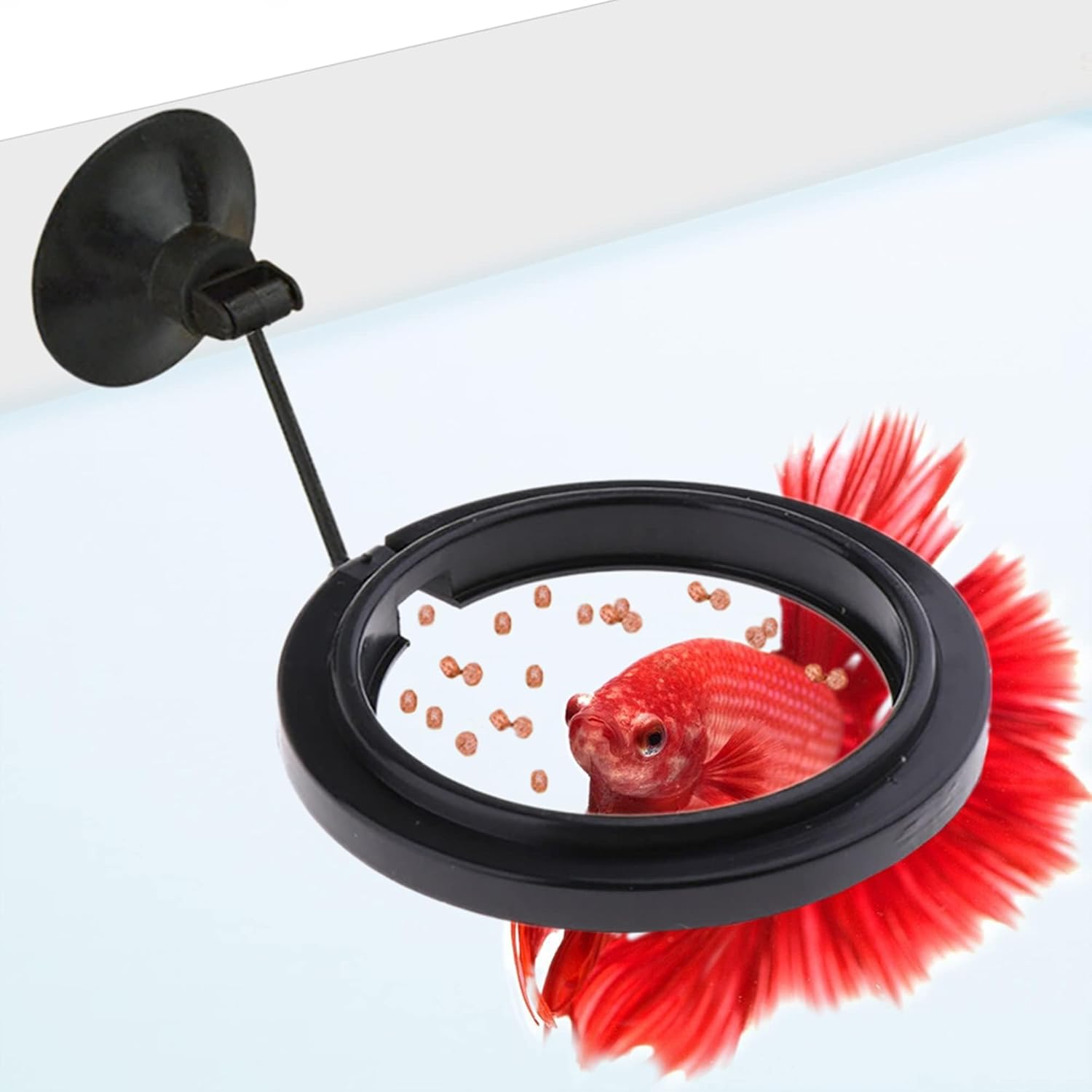
Feeding time is another critical period. Make sure all the fish are getting enough food. Bettas can be greedy eaters, and small tetras may be outcompeted. Try feeding at opposite ends of the tank or using a feeding ring to ensure everyone gets their share.
Alternative Tank Mates to Consider
If Your Betta Is Too Aggressive
If you have tried introducing your betta to glow fish and neons and it simply is not working, do not force it. Some bettas are just not suited for community life, and that is perfectly fine. There are plenty of other options that might work better. Bottom-dwelling fish like corydoras catfish are often good choices because they occupy a different part of the tank and are less likely to be seen as a threat.
Small, peaceful invertebrates are another excellent option. Cherry shrimp, Amano shrimp, and nerite snails can add life and interest to your tank without triggering your betta’s aggression. Of course, some bettas will hunt shrimp, so even this requires careful observation. You can read more about this in our guide on whether betta fish can live with shrimp.
Fish to Avoid
There are some fish you should absolutely never keep with a betta. Guppies, with their bright colors and flowing fins, are often attacked because they look like other bettas. Goldfish are completely incompatible due to different temperature and water quality needs. You can learn more about this in our article on whether a goldfish can live with a betta fish. Aggressive or nippy fish like tiger barbs, some cichlids, and larger tetras should also be avoided.
Common Problems and How to Solve Them
Aggression and Fin Nipping
The most common problem in a betta community tank is aggression. If your betta is attacking the glow fish or neons, the solution is separation. You cannot train a betta to be peaceful. Remove the aggressor or the victims and set up a separate tank. Sometimes, adding more plants and hiding spots can help, but if the aggression is severe, separation is the only reliable fix.
Fin nipping can also go the other way. Some glow fish and tetras may nip at your betta’s long, flowing fins. This is more likely to happen if the tetras are not kept in a large enough school. When tetras feel insecure, they are more likely to nip. Increasing the school size to ten or more often resolves this issue.
Stress and Disease
Stress is the silent killer in any aquarium. A stressed fish has a weakened immune system and is far more susceptible to diseases like ich, fin rot, and velvet. Signs of stress include clamped fins, loss of color, hiding constantly, and refusing to eat. If you notice these signs, test your water parameters immediately and look for sources of aggression or environmental stress.
Prevention is always better than treatment. Maintain excellent water quality, provide a varied and nutritious diet, and keep the tank environment stable. Quarantine any new fish for at least two weeks before adding them to your main tank to prevent the introduction of diseases.
Conclusion: Making the Right Choice
So, can betta fish live with glow fish and neons? The answer is a cautious yes, with important caveats. Success depends on your individual betta’s personality, a sufficiently large and well-decorated tank, proper introduction techniques, and constant monitoring. There are no guarantees in fish keeping, but by following the guidelines in this article, you can give your fish the best possible chance at a harmonious community tank.
Remember that the welfare of all your fish should be your top priority. If your betta shows no interest in sharing its space, respect that and enjoy your beautiful betta as a solitary king or queen of its own tank. There is absolutely nothing wrong with a species-only setup. On the other hand, if your betta turns out to be a peaceful community member, you can enjoy a stunning, colorful aquarium that brings joy to your home for years to come.
Take your time, do your research, and always have a backup plan. Happy fish keeping!
Frequently Asked Questions
What size tank do I need for a betta with glow fish and neons?
A minimum of 20 gallons is recommended. This provides enough space for your betta to establish territory while giving the schooling fish room to swim and hide. Larger tanks are always better for community setups.
Can a betta fish kill a glow fish or neon tetra?
Yes, a betta can seriously injure or kill small fish like glow tetras and neons. Their long, flowing fins and bright colors can trigger a betta’s predatory or territorial instincts, especially in a small tank.
How many neon tetras should I keep with a betta?
Keep at least eight to ten neon tetras in a school. Larger schools of twelve or more are even better. A proper school helps neons feel secure, reduces their stress, and makes them less likely to be targeted by your betta.
Do glow fish need special care compared to regular tetras?
No, glow fish have identical care requirements to their non-glowing counterparts. A glow tetra needs the same water parameters, diet, and tank setup as a regular tetra. The fluorescent trait does not affect their care needs.
Should I add the betta or the glow fish and neons first?
Add the glow fish and neons first and let them settle for one to two weeks. Then rearrange the tank decor before introducing your betta. This prevents the betta from feeling like its established territory is being invaded.
What should I do if my betta attacks the other fish?
Separate the fish immediately. Have a backup tank or breeding box ready before you attempt introductions. Continued aggression will stress the smaller fish, leading to illness or death, so quick action is essential.