Can betta fish be with algae eaters? Yes—under the right conditions. By choosing peaceful algae‑eaters, providing ample space, and monitoring behavior, you can create a thriving tank where both bettas and algae‑eaters coexist happily.
Key Takeaways
- Compatibility depends on species: Not all algae eaters are safe; opt for small, non‑aggressive types.
- Tank size matters: A minimum of 10‑20 gal helps reduce territorial disputes.
- Water parameters must suit both: Keep temperature, pH, and hardness in ranges comfortable for bettas and algae eaters.
- Provide plenty of hiding spots: Plants, caves, and driftwood give bettas territory and algae eaters refuge.
- Monitor behavior daily: Early signs of stress or aggression should prompt quick action.
- Feeding balance is key: Offer both protein and plant‑based foods so neither species starves.
- Start with a quarantine: Quarantining new algae eaters prevents disease spread to your betta.
📑 Table of Contents
- Introduction: Why the Question Matters
- 1. Understanding Betta Behavior
- 2. Types of Algae Eaters That Play Nice
- 3. Setting Up the Tank for Harmony
- 4. Introducing Algae Eaters to a Betta Tank
- 5. Feeding Both Species Properly
- 6. Ongoing Care and Troubleshooting
- Conclusion: A Peaceful Partnership Is Possible
- Further Reading
Introduction: Why the Question Matters
If you’ve ever set up a betta tank, you know those bright, flowing fins can turn any room into a living artwork. But beautiful as they are, bettas are also known for their strong personalities. Add an algae eater to the mix, and you might wonder: can betta fish be with algae eaters without drama?
Algae eaters are popular because they keep the glass clean and help maintain water quality. For many hobbyists, the idea of a low‑maintenance cleanup crew living alongside a charismatic betta is very appealing. The good news? It’s often possible, as long as you pick the right species, give enough space, and keep an eye on water conditions. In this guide we’ll walk through everything you need to know, from species selection to tank setup, so you can decide with confidence.
1. Understanding Betta Behavior
Territorial nature
Bettas (Betta splendens) are naturally territorial, especially males. In the wild they defend small puddles; in an aquarium they may see any newcomer as a rival. This instinct is why many beginners assume bettas cannot share a tank at all.
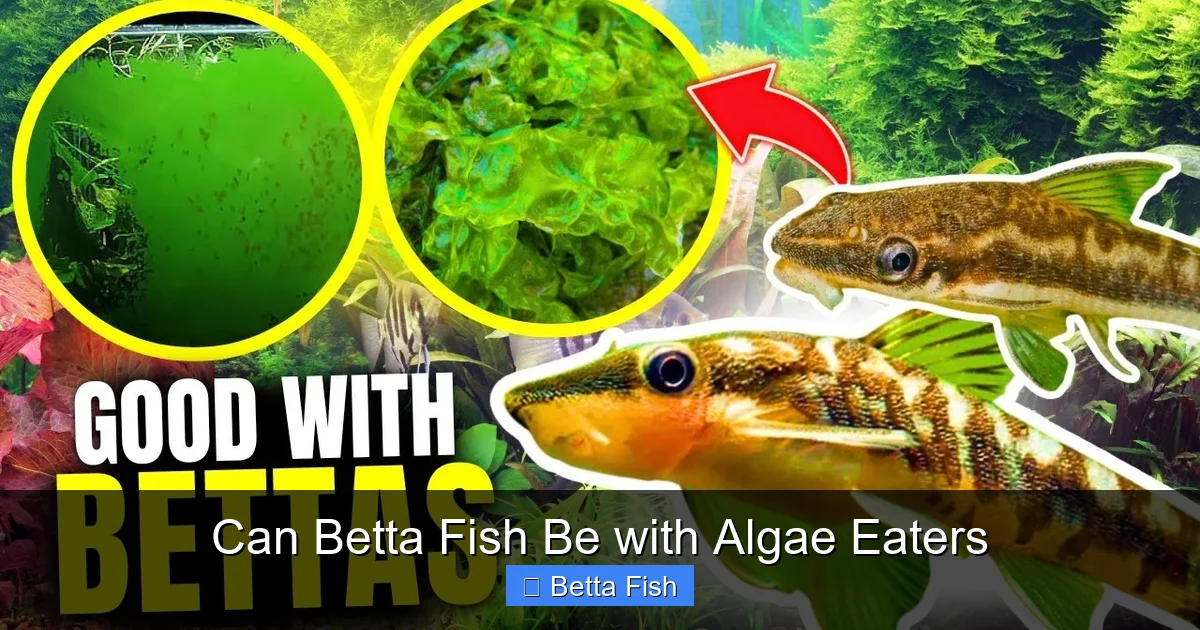
Visual guide about Can Betta Fish Be with Algae Eaters
Image source: i.ytimg.com
Peaceful vs. aggressive individuals
Not every betta is a bully. Some are surprisingly calm, especially females or well‑socialized males. Observing your betta’s temperament before adding tank mates is essential.
2. Types of Algae Eaters That Play Nice
Small, non‑aggressive fish
For a betta, the safest fish‑type algae eaters are those that stay low in the water column and are too small to trigger aggression. Good choices include:

Visual guide about Can Betta Fish Be with Algae Eaters
Image source: petshun.com
- Otocinclus catfish – tiny, peaceful, love to graze on soft algae.
- Snails such as Nerite or Mystery – they scrub surfaces without swimming around the betta’s territory.
- Small dwarf gourami (if you have a larger tank) – they are gentle and can nibble on algae.
Why not larger algae eaters?
Species like Siamese algae eaters or larger plecos can grow over 12 inches and become dominant. Their size and bold personalities often clash with a betta’s space‑guarding habits.
3. Setting Up the Tank for Harmony
Size and layout
Even a modest 10‑gal tank can work if you arrange it thoughtfully. Use live plants, driftwood, and smooth rocks to break lines of sight. This gives your betta a defined “home base” and lets algae eaters hide when they feel threatened.

Visual guide about Can Betta Fish Be with Algae Eaters
Image source: i.pinimg.com
Water parameters
Both bettas and most small algae eaters thrive in:
- Temperature: 76‑82 °F (24‑28 °C)
- pH: 6.5‑7.5
- Hardness: 3‑8 dGH
Keeping these ranges stable reduces stress and prevents disease.
4. Introducing Algae Eaters to a Betta Tank
Quarantine first
All new inhabitants should spend 2‑4 weeks in a separate quarantine tank. This catches parasites and lets you observe the algae eater’s health.
Acclimation method
Use the floating bag method: float the sealed bag for 15 minutes, then gradually add tank water to the bag every 5 minutes. This equalizes temperature and water chemistry.
First day observations
Watch for signs of stress: rapid fin flaring, hiding, or loss of appetite. If the betta chases the newcomer aggressively, you may need a larger tank or a different species.
5. Feeding Both Species Properly
Balanced diet
Bettas need high‑protein foods (pellets, frozen bloodworms). Algae eaters require plant‑based fare (algae wafers, blanched vegetables). Feed the betta in the morning and the algae eaters in the evening to avoid competition.
Supplemental algae
If natural growth is low, add a few strips of algae wafer or a handful of zucchini slices. This keeps the algae eaters busy and reduces the chance they’ll nibble on the betta’s fins.
6. Ongoing Care and Troubleshooting
Regular water changes
30 % weekly changes keep nitrate levels low, which benefits both betta and algae eaters. Use a gravel vacuum to remove excess food and waste.
Spotting problems early
- Fin nipping: If the betta starts biting the algae eater, separate them immediately.
- Algae overgrowth: Add more plants or increase lighting time to balance the ecosystem.
- Illness signs: White spots, clamped fins, or loss of color indicate disease; treat promptly.
Conclusion: A Peaceful Partnership Is Possible
So, can betta fish be with algae eaters? Absolutely—provided you choose the right species, give enough space, and stay vigilant. By following the steps above, you’ll enjoy a clean tank, a vibrant betta, and happy little algae‑eaters doing their job. Remember, every aquarium is unique; observe, adjust, and enjoy the process of creating a balanced aquatic community.
Further Reading
For more details on specific species and tank setups, check out these helpful guides:
- Can You Have An Algae Eater With A Betta Fish
- Which Fish Can Be Kept With Betta
- Can Shrimp Be With Betta Fish
Frequently Asked Questions
Can a male betta live with a small algae eater?
Yes, male bettas can coexist with tiny, peaceful algae eaters like Otocinclus, as long as the tank is at least 10 gal and provides plenty of hiding places.
Do algae eaters help reduce betta stress?
Indirectly, yes. By keeping algae under control, they improve water quality, which leads to a healthier, less stressed betta.
What signs show a betta is aggressive toward an algae eater?
Fin flaring, chasing, and biting are clear warnings. If you see these, separate the fish immediately to prevent injury.
Can I keep a betta with a Siamese algae eater?
Generally not recommended. Siamese algae eaters grow large and can become territorial, increasing the risk of conflict with a betta.
How often should I feed my algae eaters?
Feed small amounts of algae wafers or blanched vegetables once or twice daily. Remove any uneaten food after a few minutes to keep water clean.
Do I need extra filtration when adding algae eaters?
A gentle sponge filter works well. It provides water flow for the algae eaters without creating strong currents that might stress the betta.

