How Long to Wait Before Putting Betta Fish in Tank
The most important thing to know about how long to wait before putting betta fish in tank is that patience is absolutely essential for your fish’s survival. A new aquarium must complete its nitrogen cycle to grow beneficial bacteria that neutralize toxic ammonia and nitrite, and adding a betta too early can cause severe stress, illness, or death. In most cases, you should wait at least 2 to 4 weeks before introducing your betta, ensuring water parameters are stable and safe for its long-term health.
Key Takeaways
- Cycle your tank for 4-6 weeks: before adding your betta fish to establish beneficial bacteria.
- Test water parameters daily: until ammonia and nitrite levels read zero before introducing your betta.
- Match tank water temperature to 78-80°F: to keep your betta healthy and stress-free immediately.
- Add live plants and hiding spots first: to reduce stress when you introduce your betta.
- Acclimate your betta slowly: float the bag for 15-30 minutes before releasing it into the tank.
- Never skip the nitrogen cycle: it prevents toxic buildup that can harm your betta fish.
📑 Table of Contents
Why Waiting Matters for Your Betta Fish
Getting a new betta fish is exciting. You set up the tank, you pick out the perfect decorations, and you can’t wait to see your new friend swimming around. But here is the thing most beginners get wrong. You cannot just dump your betta into a new tank right away.
How long to wait before putting betta fish in tank depends on a few key factors. The short answer is usually between 15 minutes and 24 hours. But the full picture is more nuanced than that. Rushing this process can lead to serious health problems, and nobody wants that.
Betta fish acclimation is the process of gradually adjusting your fish to a new environment. Think of it like moving to a new city. You do not just jump into the deep end, right? Your betta needs time to adjust to new water temperature, new pH levels, and new surroundings. Taking it slow is the single best thing you can do for your fish’s long-term health.
The tank cycling process is another critical piece of the puzzle. A tank that has not been properly cycled can contain dangerous levels of ammonia and nitrite. These substances are invisible killers. They can stress your betta, damage its fins, and even be fatal. This is why waiting the right amount of time matters so much.
The Ideal Timeline: How Long to Wait
So, exactly how long should you wait? The answer depends on whether your tank is already set up and cycled. Let us break this down into clear scenarios so you know exactly what to do.
Scenario 1: Your Tank Is Already Cycled
If you have a fully cycled tank with stable water parameters, the acclimation process is relatively quick. You should wait about 15 to 30 minutes using the floating bag method. This gives your betta time to adjust to the temperature and chemistry of the new water.
Here is what the timeline looks like for a pre-cycled tank:
- Minutes 0-5: Float the sealed bag on the tank surface. This equalizes the temperature.
- Minutes 5-15: Gradually add small amounts of tank water into the bag.
- Minutes 15-20: Use a net to gently transfer the betta into the tank.
- Minutes 20-30: Observe your fish from a distance. Do not feed yet.
Scenario 2: Your Tank Is Brand New
If your tank is fresh and has not been cycled yet, you need to wait longer. A good rule of thumb is to wait at least 24 to 48 hours before adding your betta. This allows beneficial bacteria to start colonizing the filter and substrate.
Some experienced fish keepers wait up to a week. That might sound excessive, but it gives your tank water parameters time to stabilize. Remember, a stable environment is the foundation of betta fish care. Skipping this step puts your fish at risk of ammonia spikes and nitrate poisoning.
Also check out why waiting 24 hours matters for more details on this critical step.
Quick Reference Comparison Table
| Tank Condition | Wait Time | Primary Focus |
|---|---|---|
| Fully cycled and stable | 15-30 minutes | Temperature and chemistry acclimation |
| New, uncycled tank | 24-48 hours | Cycling and parameter stabilization |
| Partially cycled tank | 12-24 hours | Gradual water parameter balancing |
| Tank with recent water change | 30-60 minutes | Chemical neutralization and settling |
Step-by-Step: Preparing the Tank Before Adding Your Betta
Proper tank preparation is the foundation of a smooth transition. Before you even bring your betta home, there are several things you should do to make sure the environment is safe and welcoming.
Step 1: Test Your Water Parameters
Before adding any fish, test your water. You want to check ammonia, nitrite, nitrate, pH, and temperature. Ideally, ammonia and nitrite should be at zero. Nitrates should be below 20 ppm. The pH should be between 6.5 and 7.5 for most bettas.
Using a water conditioner is essential if you are using tap water. Chlorine and chloramine in tap water are harmful to fish. A good conditioner neutralizes these chemicals instantly.
Step 2: Set Up the Tank Properly
Make sure your tank has a heater and a filter. Bettas are tropical fish that need warm water between 78 and 80 degrees Fahrenheit. A filter keeps the water clean, but choose one with a gentle flow. Bettas are not strong swimmers and prefer calm water.
If you are unsure about the full setup process, this guide on how to set up a fish tank for betta fish covers everything you need to know in detail.
Step 3: Let the Tank Run for at Least 24 Hours
Even with a pre-cycled tank, let it run for a full day before adding your betta. This gives you time to spot any equipment issues. Check that the heater is maintaining the right temperature consistently. Make sure the filter is running smoothly.
During this time, you can also add some live or silk plants. These give your betta places to hide and explore, which reduces stress during the transition period.
The Fish Bag Method: A Step-by-Step Guide
The fish bag method is the most common way to acclimate betta fish. It is simple, effective, and requires no special equipment. Here is exactly how to do it the right way.
What You Will Need
- The sealed bag with your betta from the pet store
- A clean bucket or container
- A gentle light source (like a dim room lamp)
- A net for transferring the fish
- Tank water for gradual mixing
The Process Explained
First, float the sealed bag on the surface of your tank water. Do not open the bag yet. Let it sit for about 15 minutes. This allows the water temperature inside the bag to match the tank temperature.
Next, open the bag and add about a cup of tank water into it. Wait another 10 minutes. Repeat this process two or three more times. This gradual dilution helps your betta adjust to the new water chemistry without shock.
After about 25-30 minutes total, gently scoop your betta out with a net and release it into the tank. Discard the bag water. Do not pour the store water into your tank, as it may contain contaminants or pathogens.
For a more in-depth look at the acclimation process, check out how long to let betta fish acclimate in bag for expert advice.
Pro Tip: The Drip Method
If you want an even smoother transition, try the drip method. This involves using a simple airline tube to slowly drip tank water into the bag over 30-45 minutes. It provides the most gradual acclimation possible and is highly recommended for sensitive fish.
Common Mistakes to Avoid When Adding Betta Fish
Even experienced fish keepers make mistakes sometimes. Here are the most common errors people make when putting betta fish in a new tank, and how to avoid them.
Mistake 1: Skipping the Acclimation Entirely
This is the biggest rookie mistake. Some people just pour the fish and its water straight into the tank. The sudden change in temperature and water chemistry can cause severe stress. Your betta may go into shock, refuse to eat, or develop diseases within days.
Mistake 2: Adding the Fish Too Soon to a New Tank
A new tank has not had time to establish beneficial bacteria. Adding a betta too early can expose it to toxic levels of ammonia. Always wait at least 24 hours for a new tank, and ideally longer if possible.
Mistake 3: Overfeeding After the Transition
Do not feed your betta for the first 24 hours after adding it to the tank. The fish is stressed and may not eat. Feeding too much can foul the water quickly, which creates a vicious cycle of poor water quality and more stress.
Mistake 4: Ignoring Signs of Stress
After the transition, watch your betta closely. Clamped fins, rapid breathing, hiding constantly, or refusing food are all signs of stress. If you notice these, check your water parameters immediately and consider doing a partial water change.
Signs Your Betta Fish Is Adjusting Well
Once your betta is in its new home, you want to see positive signs that it is settling in. Here is what a happy, healthy adjustment looks like.
- Active swimming: Your betta moves freely around the tank without staying in one corner.
- Healthy appetite: The fish eagerly takes food after the first 24-hour fasting period.
- Bright coloration: A well-adjusted betta displays vibrant colors and flowing fins.
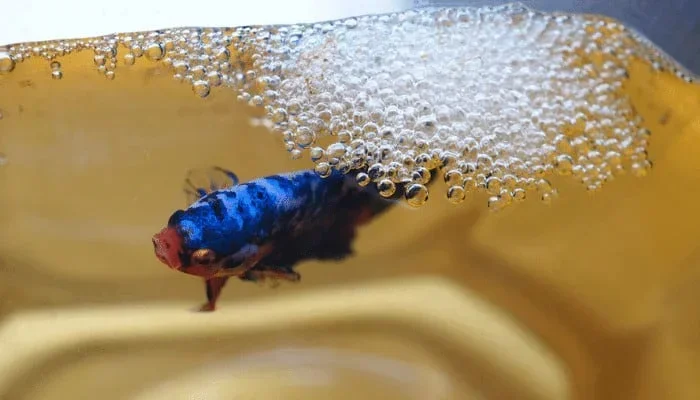
- Curious behavior: Exploring the tank, interacting with plants, and building bubble nests are all great signs.
- Relaxed fins: Fins are open and spread out rather than clamped against the body.
Keep in mind that every betta is different. Some adjust within hours, while others take a day or two to fully settle in. Be patient and give your fish time. If you are concerned about long-term health, this guide on how long do betta fish live in a tank provides helpful context on what to expect over the lifespan of your pet.
Key Takeaways
Let us wrap up the most important points to remember.
- Always acclimate your betta fish before adding it to a new tank. The process takes 15 to 30 minutes for a cycled tank.
- Wait 24 to 48 hours before adding a betta to a brand-new, uncycled tank.
- Use the floating bag method or drip method for gradual water parameter adjustment.
- Never skip acclimation. The risks of shock and stress are too high.
- Watch for signs of adjustment in the first 24-48 hours after the transition.
- Test your water parameters regularly to maintain a healthy environment.
How long to wait before putting betta fish in tank is not just a random question. It is one of the most important steps in responsible fish keeping. Taking the time to do this correctly sets your betta up for a long, healthy, and happy life. A little patience goes a long way, and your fish will thank you for it with vibrant colors and lively behavior for years to come.
Remember, every step you take during the acclimation process directly impacts your betta’s well-being. Follow these guidelines, stay consistent with your tank maintenance, and enjoy the rewarding experience of keeping these beautiful fish. Your patience will pay off every single time you watch your betta thrive in its new home.
Frequently Asked Questions
How long to wait before putting betta fish in tank?
You should wait at least 24 to 48 hours after setting up your tank before adding your betta. This allows the water temperature to stabilize and chlorine to evaporate. If you are using a new tank, giving it a full 48 hours ensures a safer environment for your fish.
Can I put my betta fish in the tank right after filling it?
It is best not to add your betta immediately after filling the tank. Fresh tap water contains chlorine and chloramine that can harm your fish. Let the water sit for at least 24 hours or use a water conditioner to neutralize these chemicals before introducing your betta.
How long should I wait after cycling a tank before adding a betta?
Wait at least 4 to 6 weeks after cycling your tank before adding a betta fish. The nitrogen cycle needs time to establish beneficial bacteria that process harmful waste. Testing your water parameters for zero ammonia and nitrite levels confirms the tank is ready.
Does the tank size affect how long you need to wait?
Yes, the tank size can influence your waiting period. Smaller tanks take longer to stabilize temperature and water chemistry. A tank of at least 5 gallons is recommended, and letting it run for 24 to 48 hours before adding your betta helps ensure a smooth transition.
What happens if you put a betta fish in the tank too early?
Adding your betta too early can expose it to unstable water conditions, including temperature swings and toxic chemicals. This stress can lead to illness, loss of color, or even death. Always wait until the water parameters are tested and stable before introducing your fish.
How do you know the tank is ready for a betta fish?
The tank is ready when the water temperature sits consistently between 76 and 82 degrees Fahrenheit. Ammonia and nitrite levels should read zero, and the pH should be between 6.5 and 7.5. Once these conditions are stable after at least 24 hours, your betta can safely move in.