Can Bett Fish Learn
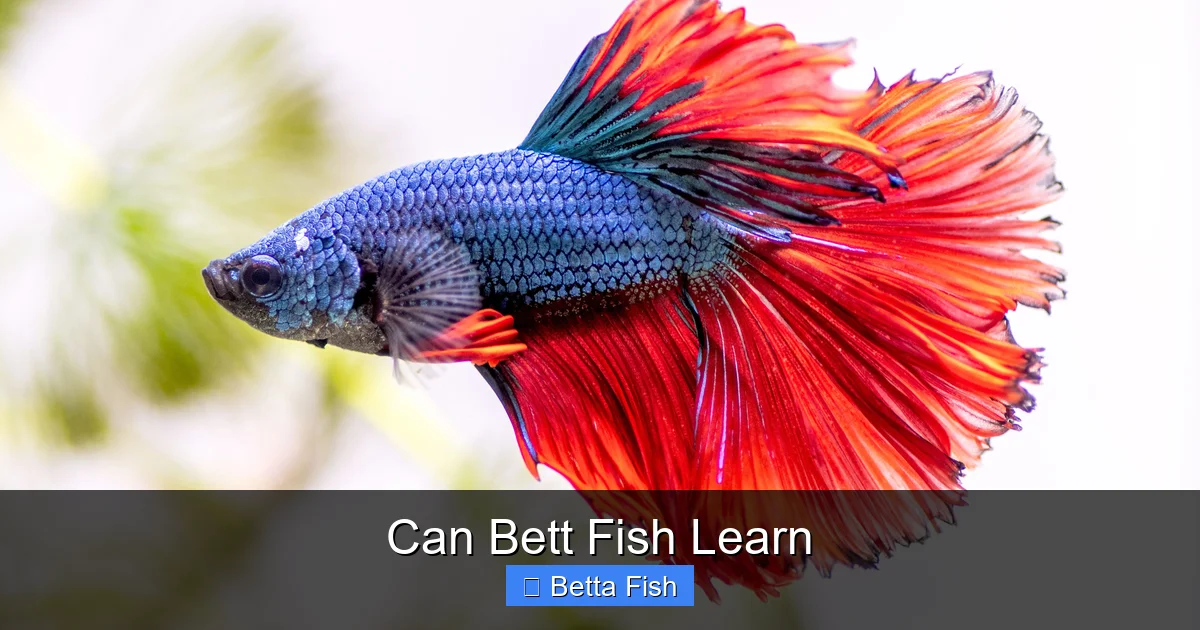
Betta fish are more than just colorful showpieces—they can actually learn simple tasks and recognize their owners. By using consistent training, enrichment, and the right environment, you can tap into your bett’s surprising intelligence and strengthen your bond.
Key Takeaways
- Understanding can bett fish learn: Provides essential knowledge
📑 Table of Contents
- Introduction: Why Wonder About Betta Learning?
- 1. The Science Behind Betta Intelligence
- 2. Setting the Stage: Environment and Health
- 3. Training Basics: How to Teach Your Betta
- 4. Real‑World Examples: What Bettas Have Learned
- 5. Enrichment Ideas to Keep Your Betta Sharp
- 6. Frequently Asked Questions About Betta Learning
- Conclusion: Embrace the Smart Side of Your Betta
Introduction: Why Wonder About Betta Learning?
When most people think of betta fish, they picture a lone, flamboyant swimmer flaring its fins in a tiny bowl. Rarely do they imagine that these little creatures might actually learn tricks, recognize their owners, or solve simple puzzles. Yet, the question “can bett fish learn?” is popping up more often in forums and hobbyist groups. The short answer is yes—within limits.
Understanding a betta’s learning capacity isn’t just a party trick. It helps you provide better care, enrich their environment, and build a rewarding relationship. In this article we’ll dive into the science, share practical training steps, and answer the most common concerns. By the end, you’ll be confident that your bett can do more than glide around a plant.
1. The Science Behind Betta Intelligence
Brain Structure and Memory
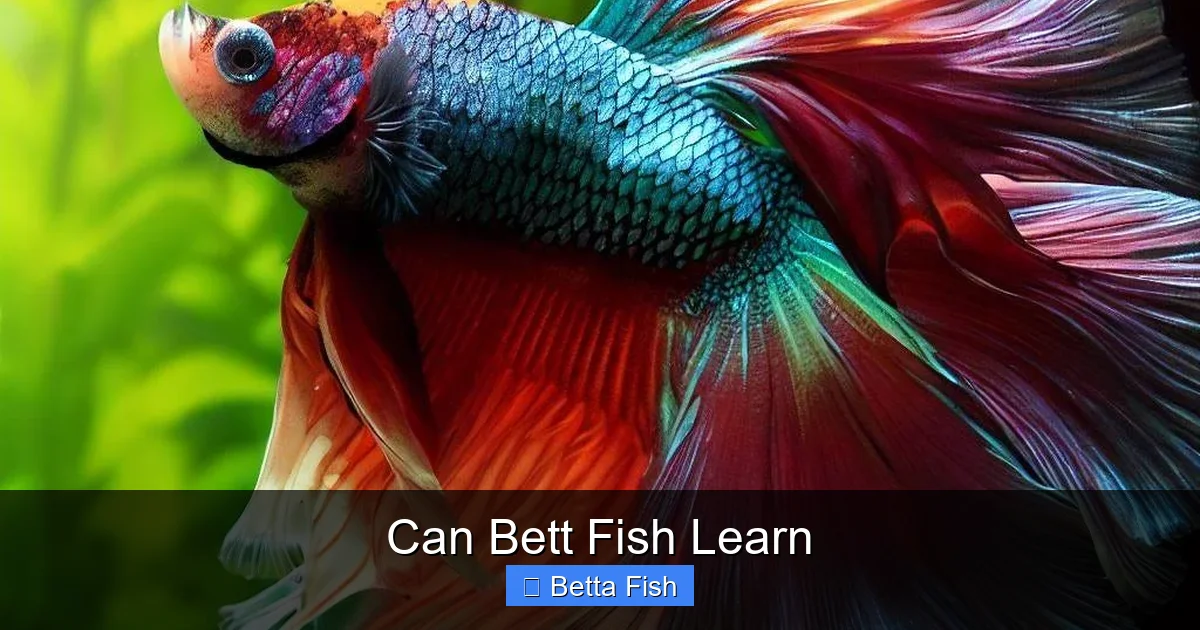
Bettas belong to the family Osphronemidae, and like other teleost fish, they possess a forebrain (telencephalon) that handles learning and memory. Studies on zebrafish—a close relative—show that fish can form long‑term memories lasting weeks. While specific research on bettas is limited, their brain architecture suggests they can learn simple associations.
Visual guide about Can Bett Fish Learn
Image source: miro.medium.com
Learning Types Observed in Fish
- Classical conditioning: Pairing a neutral cue (like a tap on the tank) with food.
- Operant conditioning: Performing an action (swimming through a hoop) to receive a reward.
- Habituation: Getting used to non‑threatening stimuli, reducing stress.
These learning styles are the same tools you’ll use when you ask “can bett fish learn?” and set out to teach them.
2. Setting the Stage: Environment and Health
Water Quality is the Foundation
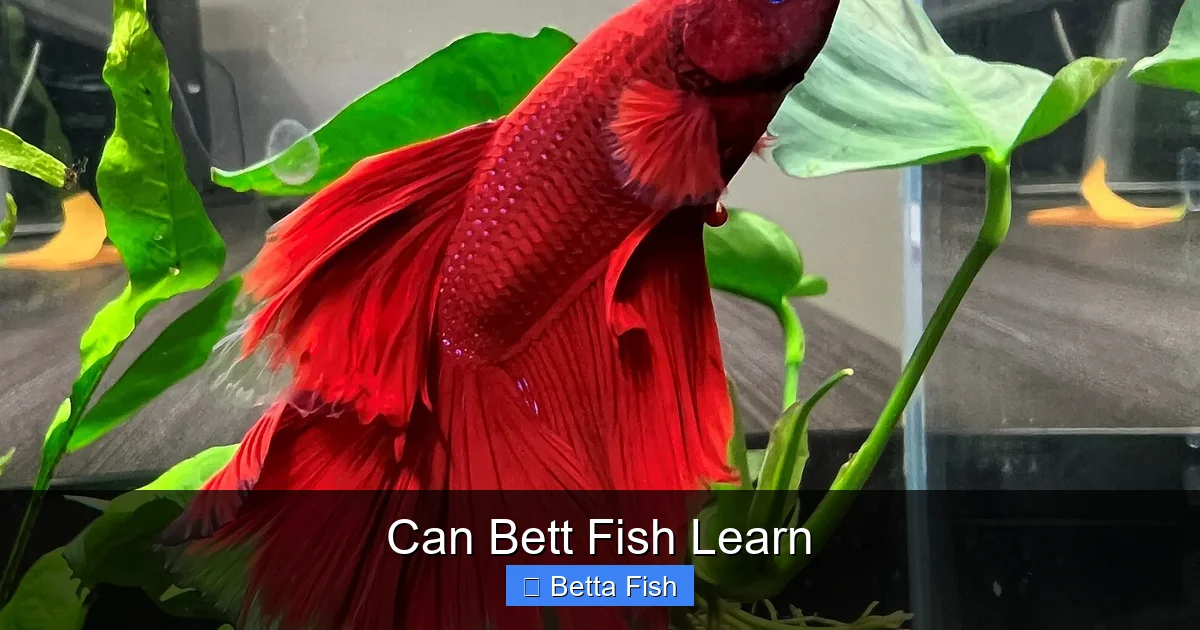
Even the smartest fish can’t learn if they’re sick. Keep temperature between 76‑82°F (24‑28°C), maintain pH around 6.5‑7.5, and change 25‑30% of the water weekly. Good water reduces cortisol, the stress hormone that impairs learning.
Visual guide about Can Bett Fish Learn
Image source: ntlabs.co.uk
Tank Enrichment
Simple décor changes make a big difference. Add live plants, driftwood, and smooth caves. Rotating objects every few weeks provides new visual cues, encouraging exploration. For more structured training, consider a clear acrylic tunnel or a small floating hoop.
Nutrition for a Sharp Mind
High‑protein diets rich in omega‑3 fatty acids support brain health. Offer a mix of high‑quality betta pellets, frozen bloodworms, and occasional daphnia. For a deeper dive on diet, see our guide on what can betta fish eat.
3. Training Basics: How to Teach Your Betta
Positive Reinforcement Over Punishment
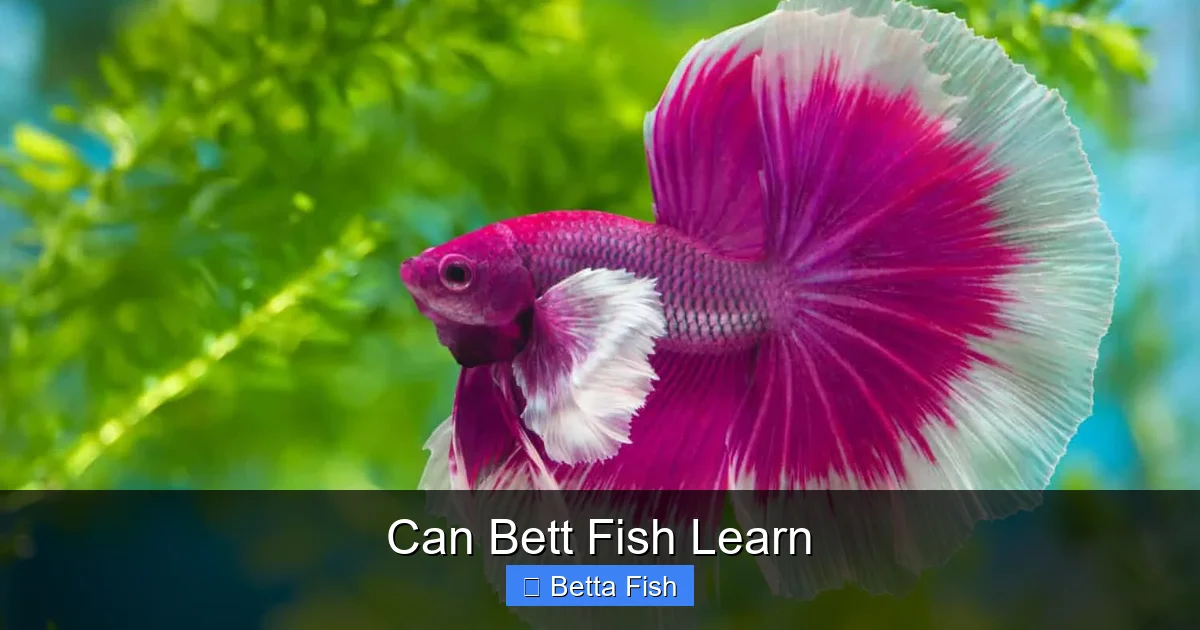
Fish respond best to rewards, not scolding. When your bett performs the desired behavior, immediately give a tiny food treat. Consistency ties the action to the reward, strengthening the neural pathway.
Visual guide about Can Bett Fish Learn
Image source: a-z-animals.com
Step‑by‑Step: Teaching a Simple “Come” Cue
- Choose a cue: A light tap on the glass or a soft “here, betta” spoken phrase.
- Start with a short distance: Place the betta near the front of the tank.
- Tap and reward: As soon as the fish swims toward you, drop a pea‑size pellet.
- Repeat: Do this 5‑minute sessions, twice a day, for about a week.
- Increase distance: Gradually move further back, still rewarding every successful approach.
Most owners see a response after 5‑7 days. Remember, patience beats pressure.
Trick Training: Jump Through a Hoop
Once your betta follows a cue, you can add a simple obstacle. Use a clear plastic hoop (2‑3 cm diameter) suspended just above the water surface. Guide the fish with a finger or a small floating lure, rewarding each successful pass.
Common Mistakes to Avoid
- Over‑feeding: Too many treats can cause obesity and reduce motivation.
- Long sessions: Bettas have short attention spans; keep it under 5 minutes.
- Changing cues: Stick to one sound or word; consistency is key.
4. Real‑World Examples: What Bettas Have Learned
Case Study: “Finn” the Trick‑Performing Betta
Finn’s owner started with the “come” cue and progressed to a 3‑step routine: swim to the front, circle a leaf, then jump through a hoop. Over 4 weeks, Finn performed the sequence reliably, even for treats placed out of sight. This demonstrates that, with patience, a bett can chain multiple actions.
Social Interaction: Recognizing Their Keeper
Several hobbyists report that their bettas flare less when the owner approaches, indicating recognition. While not as complex as a dog’s greeting, it shows that bettas can associate a specific person with safety and food.
Learning Limits
Bettas do not exhibit complex problem‑solving like cichlids that use tools. Their learning is best described as associative—linking a stimulus with a reward.
5. Enrichment Ideas to Keep Your Betta Sharp
DIY Puzzle Feeders
Cut a small piece of PVC pipe, drill a few holes, and fill it with floating pellets. The bett must nudge the pipe to release food, providing mental stimulation.
Live Plant Maze
Arrange tall plants in a maze pattern. Encourage the fish to explore by placing a treat at the end. This mimics natural foraging.
Changing Light Patterns
Use a programmable LED strip to create gentle light cycles. Bettas often follow moving light sources, giving them a visual puzzle.
Interactive Play with Your Hand
Gently hover a finger just above the water surface. Some bettas will follow the shadow, offering a low‑stress way to engage them.
6. Frequently Asked Questions About Betta Learning
Do bettas have the same learning capacity as goldfish?
Both species can learn simple tasks, but goldfish often show longer memory spans. Bettas excel in quick associative learning related to feeding.
Can I train a betta in a small bowl?
Training is possible, but a larger, filtered tank provides a more stable environment. For details on bowl suitability, read can you keep betta fish in a bowl.
Is it safe to train a betta with other fish?
Yes, as long as tank mates are peaceful and the betta isn’t overly aggressive. Check what other fish can betta fish live with for compatible species.
How long does it take for a betta to learn a new trick?
Most simple tricks (like “come”) take 5‑10 days of short, consistent sessions. More complex sequences may need 3‑4 weeks.
Can stress affect a betta’s ability to learn?
Absolutely. High ammonia, poor water flow, or aggressive tank mates raise cortisol, which impairs memory formation.
Do bettas remember training after a break?
Yes, they can retain learned behaviors for weeks if reinforced occasionally. A monthly “refresher” session helps maintain the skill.
Conclusion: Embrace the Smart Side of Your Betta
Answering the question “can bett fish learn?” leads to a simple truth: they can, within the boundaries of their natural instincts. By providing clean water, proper nutrition, and thoughtful enrichment, you set the stage for learning. Use short, positive‑reinforcement sessions, and celebrate each tiny success. Not only will your betta become a more active, curious swimmer, but you’ll also gain a deeper, more rewarding connection with this vibrant little companion.
So next time you watch your betta glide past a plant, remember that with a bit of patience, that same fish could be swimming through a hoop, recognizing your voice, and showing off a trick you taught it. Happy training!
Frequently Asked Questions
Can bettas learn to recognize their owners?
Yes, many owners notice reduced aggression and more frequent surface visits when they approach, indicating recognition through repeated feeding and gentle interaction.
What is the best food reward for training?
Small, high‑protein treats like frozen bloodworms or a pea‑size pellet work best because they’re quick to eat and highly motivating.
How often should I train my betta?
Two short sessions per day (5 minutes each) are ideal. This keeps the fish engaged without causing stress.
Can I use a clicker for betta training?
Clicker training is possible, but the sound must be very soft. Many hobbyists simply use a tap on the glass as a consistent cue.
Do bettas need a larger tank for learning?
A minimum of 5 gallons is recommended for enrichment and stable water parameters, which supports better learning outcomes.
Is it safe to train a betta with live plants?
Live plants provide natural cover and stimulation, making them excellent for training environments. Just ensure the plants are non‑toxic and well‑rooted.