Yes, a healthy adult betta can typically survive five days without food, but it isn’t ideal. Short‑term fasting may be necessary during travel or tank cleaning, yet prolonged starvation can stress the fish, weaken its immune system, and lead to health problems. Follow our practical guidelines to keep your betta safe if you must skip a few meals.
Key Takeaways
- Survival window: Most adult bettas can endure 5 days without food, but younger fry have far less tolerance.
- Stress factors: Lack of food increases cortisol, making bettas prone to disease and loss of color.
- Water quality matters: Clean, well‑filtered water reduces stress during a feeding break.
- Gradual re‑feeding: Offer small, frequent meals after a fast to avoid digestive upset.
- Monitor behavior: Look for lethargy, clamped fins, or abnormal swimming as warning signs.
- Plan ahead: Use automatic feeders or pre‑portioned frozen foods for vacations.
- When to seek help: If your betta shows rapid weight loss or refuses food after 48 hours, consult a vet.
📑 Table of Contents
- Introduction: Why the Question Pops Up
- 1. The Biology of Betta Metabolism
- 2. Real‑World Scenarios: When Skipping Meals Happens
- 3. Signs Your Betta Is Handling the Fast
- 4. How to Safely Manage a 5‑Day Fast
- 5. Frequently Asked Questions About Betta Fasting
- 6. Practical Tips for Busy Betta Owners
- Conclusion: Balance Is the Key
Introduction: Why the Question Pops Up
Many betta owners wonder, “can a betta fish live 5 days without food?” The answer isn’t a simple yes or no. Betta fish are hardy, but they are also small predators that rely on regular meals to power their bright colors and vigorous flares. Most of us have faced a situation where we’re away for a weekend, doing a tank clean, or simply forget to feed. Understanding how long a betta can safely go without food helps you make smarter decisions and avoid accidental harm.
In this guide we’ll break down the biology behind fasting, share real‑world examples, and give you step‑by‑step tips to keep your betta thriving—even if you must skip a few meals. By the end you’ll know exactly what to watch for and how to plan for those inevitable gaps.
1. The Biology of Betta Metabolism
How Betta Fish Store Energy
Betta fish are “labyrinth” fish, meaning they can breathe air from the surface. This adaptation lets them survive in low‑oxygen environments, but it doesn’t change their need for calories. In the wild, bettas hunt small insects and larvae, storing energy as liver fat and muscle glycogen. Those reserves can sustain them for a short period when food is scarce.
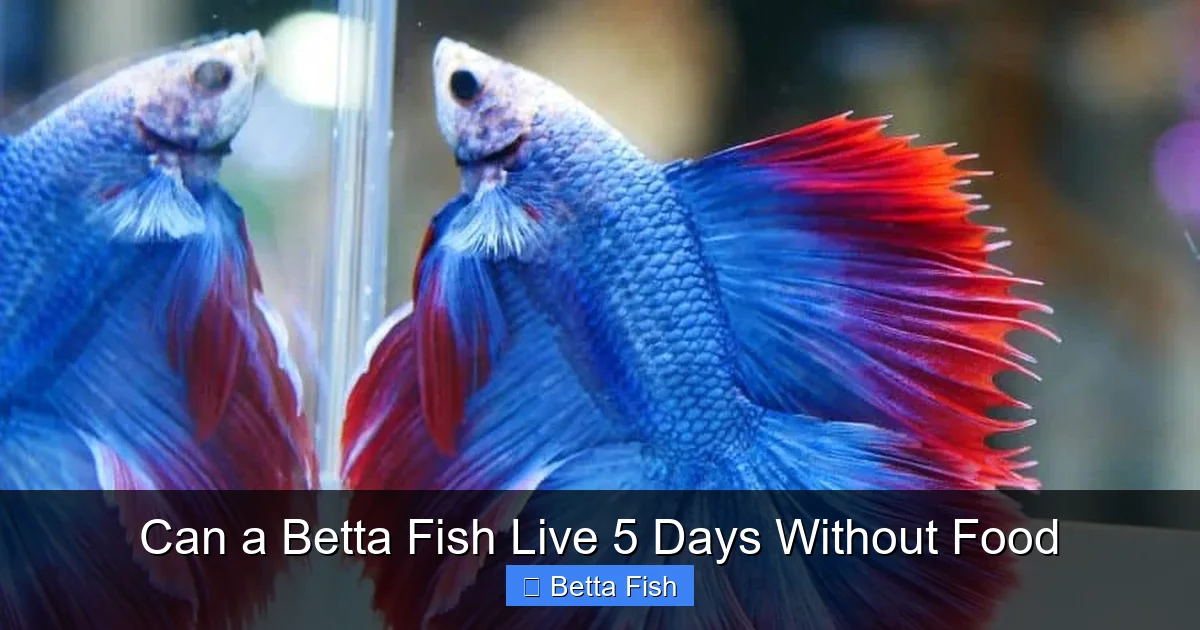
Visual guide about Can a Betta Fish Live 5 Days Without Food
Image source: ouraquariumlife.com
What Determines Survival Time?
- Age: Juvenile bettas (< 2 months) have tiny energy stores and may only last 24‑48 hours without food.
- Size: Larger, well‑conditioned adults have more fat and can stretch a fast up to 5‑7 days.
- Health: A sick or stressed fish burns calories faster, shortening the safe fasting window.
- Water temperature: Warmer water speeds metabolism, so a betta in a 80 °F tank uses energy quicker than one at 76 °F.
Because of these variables, the “5‑day rule” is a general guideline, not a guarantee.
2. Real‑World Scenarios: When Skipping Meals Happens
Travel and Vacations
If you’re heading out for a long weekend, you might think a 5‑day fast is harmless. In reality, a short‑term automatic feeder or a trusted friend can be a lifesaver. Even a simple “feed‑once‑a‑day” routine reduces stress dramatically.
Visual guide about Can a Betta Fish Live 5 Days Without Food
Image source: foodblogvalley.com
Tank Maintenance
During a water change, many owners forget to replace food, leaving the betta unfed for several hours. A single missed feeding is fine, but if you’ve removed all décor and are resetting the filter, the fish may be stressed enough that an additional day without food becomes risky.
Illness or Injury
Sometimes a betta stops eating because of disease (e.g., velvet, ich) or an injury. In these cases, a 5‑day fast is a warning sign, not a plan. Prompt treatment is essential.
3. Signs Your Betta Is Handling the Fast
Positive Indicators
- Active swimming and occasional surface breathing.
- Bright, open fins that aren’t clamped.
- Normal coloration without fading.
Red Flags
- Lethargy: Stays at the bottom for long periods.
- Clamped fins: Fins pressed close to the body indicate stress.
- Weight loss: Visible reduction in body thickness over a couple of days.
- Refusal to eat after 48 hours: May signal a deeper health issue.
If you notice any red flag, act quickly—feed a tiny amount of high‑quality frozen or live food and evaluate water parameters.
Visual guide about Can a Betta Fish Live 5 Days Without Food
Image source: bettacarefishguide.com
4. How to Safely Manage a 5‑Day Fast
Step 1: Prepare the Tank
Before you begin a fast, ensure the water is pristine. Perform a partial water change (20‑30 %) and check ammonia, nitrite, and nitrate levels. Clean water reduces the metabolic load on the fish.
Step 2: Reduce Stress Triggers
Turn off bright lights, keep the tank in a quiet area, and avoid sudden temperature changes. If you use a heater, maintain a stable temperature (around 78 °F is ideal for most bettas).
Step 3: Use a Feeding Substitute
If you must be away, consider these low‑maintenance options:
- Automatic feeder: Small, programmable devices can dispense a pea‑size pellet once a day.
- Pre‑portioned frozen bloodworms: Thaw a tiny amount and place it on a feeding ring before you leave.
- Live daphnia in a small container: The betta can hunt it when you return.
Step 4: Re‑Feeding After the Fast
When you resume feeding, start with a fraction of the normal portion. Offer a few high‑protein pellets or a small amount of frozen brine shrimp twice a day for two days. Gradually increase to the normal schedule. This prevents “bloat,” a common issue when a betta eats a large meal after a fast.
5. Frequently Asked Questions About Betta Fasting
Can a betta fish survive longer than five days without food?
In rare cases, a well‑fed adult betta may survive up to a week, but the risk of health complications rises sharply after 5 days.
Do fry need to be fed more often?
Yes. Fry should receive several tiny meals daily and cannot go more than 24 hours without food.
Is it safe to use a regular fish feeder for bettas?
Only if the feeder can dispense very small portions. Over‑feeding can quickly pollute the water.
Will a betta lose its color if it fasts?
Prolonged fasting can cause color fading because the fish uses pigment reserves for energy.
How does water temperature affect fasting?
Higher temperatures accelerate metabolism, so a betta in warm water will use up its energy stores faster.
What should I do if my betta refuses food after a fast?
Check water parameters, look for signs of disease, and try offering a favorite live food. If it still won’t eat, seek veterinary advice.
6. Practical Tips for Busy Betta Owners
Create a Feeding Calendar
Mark feeding days on a wall calendar or phone reminder. A simple “Feed at 9 am” alert can prevent accidental skips.
Keep a Backup Food Supply
Store a small bag of high‑quality betta pellets and a freezer bag of frozen bloodworms. When you’re unsure, a tiny pinch is better than nothing.
Use a “Day‑Out” Kit
Pack a small container with a pre‑measured pellet, a tiny piece of gelatin (to keep the water clear), and a note about water temperature. Leave it with a neighbor or friend.
Conclusion: Balance Is the Key
So, can a betta fish live 5 days without food? The short answer is yes, but only under optimal conditions and with a healthy adult. The long answer is that you should aim to avoid intentional fasting whenever possible. Proper tank maintenance, a reliable feeding plan, and quick response to warning signs will keep your betta vibrant and thriving.
Remember, a betta’s health is a combination of nutrition, water quality, and stress management. By following the steps outlined above, you can confidently handle those unexpected gaps in feeding without compromising your fish’s wellbeing.
For more in‑depth information on betta fasting and related topics, check out these helpful resources:
- How Long Can A Betta Fish Live Without Food
- Can Betta Fish Go A Day Without Food
- Can Betta Fish Live In A Bowl Without Filter
Frequently Asked Questions
Can a betta fish survive a weekend without feeding?
Yes, most adult bettas can handle a 2‑day gap, but it’s safer to use an automatic feeder or have someone feed them.
What is the safest food to give a betta after a fast?
Start with a small amount of high‑protein frozen bloodworms or brine shrimp, offered twice a day for a couple of days.
Do bettas need a filter if they are only being fasted?
A good filter helps keep water clean, which reduces stress during any fasting period. See our guide on Can Betta Fish Live In A Bowl Without Filter for more details.
How often should I change the water during a fast?
Perform a partial water change (20‑30 %) before the fast begins and check parameters every 48 hours.
Is it normal for a betta to become less colorful when not eating?
Yes, short‑term fasting can cause slight fading as the fish uses pigment reserves for energy.
When should I seek veterinary help for a fasting betta?
If your betta shows lethargy, clamped fins, or refuses food after 48 hours, contact a vet experienced with tropical fish.

