Baby bettas can share a community tank, but success depends on tank size, temperament, and careful selection of peaceful tank mates. Providing plenty of hiding spots, monitoring behavior, and maintaining stable water conditions are key to a harmonious aquarium.
Key Takeaways
- Size matters: A minimum 10‑gallon tank gives baby bettas room to coexist without constant stress.
- Temperament is key: Young bettas are less aggressive than adults, yet they still guard space.
- Choose peaceful mates: Small, non‑fin‑nipping fish such as neon tetras or rasboras are good companions.
- Plenty of plants and décor: Hiding places reduce rivalry and give shy fish refuge.
- Monitor water parameters: Stable temperature (78‑80°F) and clean water keep stress low.
- Separate genders if unsure: Male and female baby bettas can fight as they mature.
- Start slow: Add new fish one at a time and watch for signs of stress.
📑 Table of Contents
Introduction: Why the Question Matters
When you bring home a tiny betta fry, the first thought is often “Can baby bettas live with other fish?” It’s a natural question because most hobbyists want a lively, colorful community tank rather than a single‑species display. Baby bettas, also called fry, behave differently from adult bettas. They are smaller, less territorial, and their personalities are still forming. This makes them a bit more adaptable, but it also means they need the right environment to thrive alongside other species.
In this article we’ll walk through everything you need to know: the ideal tank size, the best tank mates, how to set up the aquarium, and the red‑flags to watch for. By the end, you’ll feel confident deciding whether your baby bettas can share a home with other fish and how to keep the peace.
1. Understanding Baby Betta Behavior
1.1 Growth stages and temperament
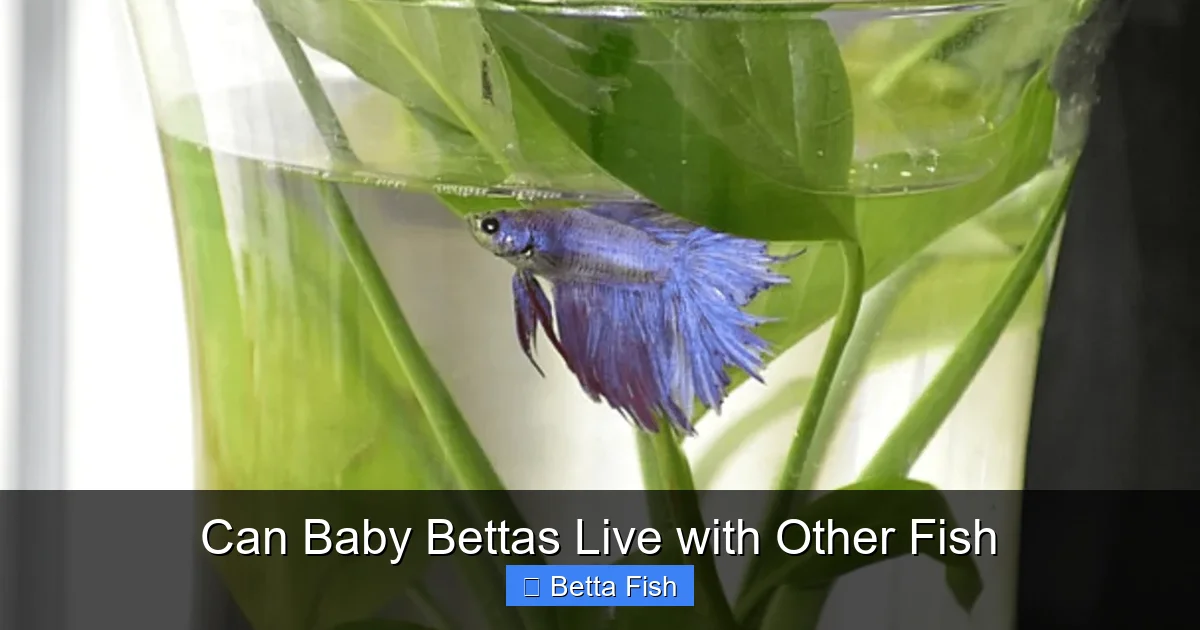
Betta fry hatch at about 3 mm and grow quickly during the first few weeks. During this period they are more curious than aggressive. Their fins are delicate, so they can be easily damaged by nippy tank mates. As they approach 1 inch, they start to display the characteristic “flaring” behavior of adult bettas, especially males.
Visual guide about Can Baby Bettas Live with Other Fish
Image source: aniimad.com
1.2 Social instincts
In the wild, Betta splendens live in shallow rice paddies where they encounter many other small fish. Young bettas learn to coexist, but they also develop a strong instinct to protect their own space. This dual nature means they can be social when young, yet become territorial as they mature.
2. Tank Requirements for Baby Bettas
2.1 Minimum tank size
Even though fry are tiny, a 10‑gallon (38 L) tank is the sweet spot for a small group of baby bettas plus a few peaceful companions. Anything smaller raises the risk of water quality swings and aggression.

Visual guide about Can Baby Bettas Live with Other Fish
Image source: aniimad.com
2.2 Water parameters
- Temperature: 78‑80 °F (25.5‑26.5 °C)
- pH: 6.5‑7.5
- Hardness: 5‑12 dGH
Stable parameters keep stress hormones low, which reduces fighting. Use a reliable heater and a gentle filter that won’t create a strong current—baby bettas prefer calm water.
2.3 Filtration and maintenance
A sponge filter works well. It provides biological filtration and gentle flow, and the sponge offers extra hiding places. Change 20‑30 % of the water weekly to keep nitrate levels under 20 ppm.
3. Choosing the Right Tank Mates
3.1 Size and shape matter
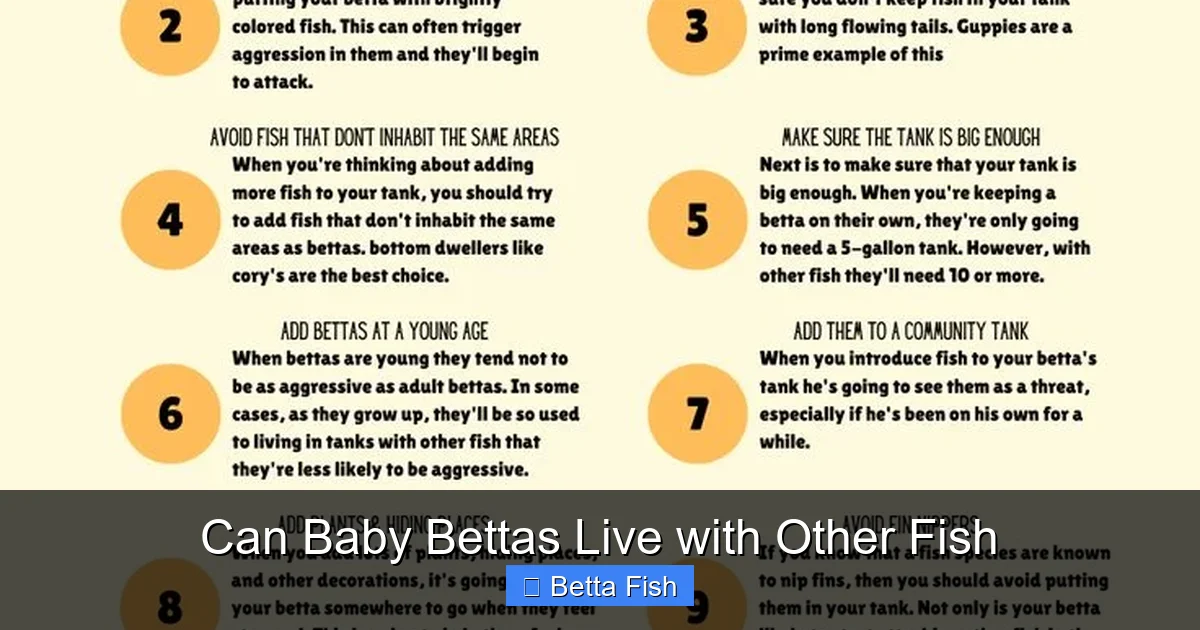
Pick fish that stay under 1 inch and have rounded fins. Species with long, flowing fins (like guppies) can be tempting targets for a betta’s nipping instinct.
Visual guide about Can Baby Bettas Live with Other Fish
Image source: i.pinimg.com
3.2 Peaceful community options
- Neon Tetras: Small, fast‑swimming, and bright. They stay near the top, leaving the lower level for bettas.
- Harlequin Rasboras: Hardy, schooling fish that ignore bettas most of the time.
- Corydoras Catfish: Bottom dwellers that help keep the substrate clean.
- Otocinclus Algae Eaters: Tiny, gentle grazers that won’t provoke a betta.
These choices are also mentioned in our guide on what other fish can bettas live with, which provides a full list of compatible species.
3.3 What to avoid
- Fin‑nipping species such as Tiger Barbs or Bettas themselves.
- Large, aggressive fish like Cichlids or larger Gouramis.
- Very slow, bottom‑dwelling fish that might be mistaken for food.
4. Setting Up the Community Tank
4.1 Layout and décor
Use live plants (Java moss, Anubias, or Amazon swords) to create natural barriers. Add driftwood and smooth rocks for additional hiding spots. A “broken line of sight” design—where sight lines are interrupted by plants—helps reduce territorial displays.
4.2 Introducing baby bettas
Acclimate the fry slowly using a drip method. Release them into a separate quarantine tank for a few days if you’re adding multiple species at once. This lets you observe any unusual behavior before mixing them fully.
4.3 Adding other fish
Introduce the community fish first, let them settle for 24‑48 hours, then add the baby bettas. Adding the bettas last gives them a chance to claim a corner without immediate competition.
5. Monitoring and Managing Behavior
5.1 Signs of stress
- Faded colors or clamped fins.
- Constant hiding or loss of appetite.
- Frequent surface gasping (poor water quality).
If you notice any of these, check water parameters and consider rearranging décor to break up territories.
5.2 Dealing with aggression
Should a baby betta start flaring at a tank mate, use a temporary divider or move the aggressor to a separate breeder tank. Most fry settle down within a week as they become accustomed to their neighbors.
5.3 When to separate
As bettas approach 1 inch, males often become more territorial. If you see persistent fighting, it’s safest to keep males and females apart or move one betta to a dedicated tank. Our article on can male bettas live with other fish gives further guidance on gender‑specific issues.
6. Long‑Term Care and Growth
6.1 Feeding
Feed high‑quality liquid or powdered fry food 3‑4 times daily for the first two weeks. As they grow, transition to finely crushed betta pellets and occasional frozen daphnia. Overfeeding leads to cloudy water, which can stress all fish.
6.2 Gradual upgrades
When the fry reach 1½‑2 inches, consider moving them to a larger tank or a species‑specific setup. This prevents future aggression with tank mates and gives them space to display full coloration.
6.3 Health checks
Regularly inspect fins for fraying and look for white spots (Ich). Early treatment with a mild aquarium salt dip can prevent outbreaks that affect both bettas and their companions.
Conclusion
So, can baby bettas live with other fish? The answer is yes—provided you give them a spacious, well‑planted tank, choose peaceful, similarly sized tank mates, and keep a close eye on water quality and behavior. Baby bettas are more forgiving than adults, but they still need the right environment to grow into confident, healthy adults.
Start with a modest community of neon tetras, rasboras, and a few bottom dwellers, and watch how the dynamics evolve. With patience and proper setup, you’ll enjoy a vibrant, interactive aquarium that showcases the striking beauty of bettas alongside their friendly neighbors.
Frequently Asked Questions
Can baby bettas be kept with neon tetras?
Yes, neon tetras are small, fast swimmers that usually stay out of a betta’s way. Just keep the tank well‑planted and monitor for any fin nipping.
Do I need a separate tank for male and female baby bettas?
It’s not required at the fry stage, but as they mature males become territorial. If you notice increased aggression, separate them to avoid fights.
What is the smallest tank size for a community with baby bettas?
A minimum of 10 gallons is recommended. Smaller tanks can cause rapid water quality changes and increase stress.
How often should I change the water in a mixed tank?
Replace 20‑30 % of the water weekly, or do a 50 % change if you notice a spike in nitrate levels.
Can I add live plants after the fish are already in the tank?
Yes, planting after setup helps create hiding spots. Rinse plants thoroughly to avoid introducing pests.
What signs indicate my baby bettas are getting stressed?
Look for faded colors, clamped fins, constant hiding, or excessive surface gasping. Check water parameters immediately if you see these signs.

