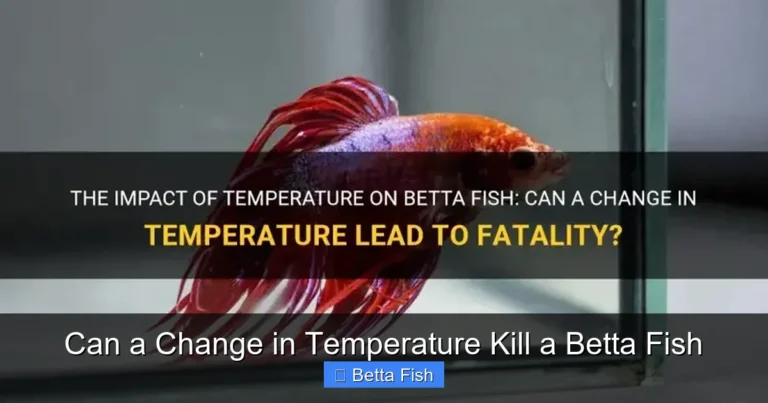
Is 72 Degrees Too Cold for Betta Fish

Is 72 degrees too cold for betta fish? The short answer is yes — 72°F sits right at the edge of what bettas can tolerate, and many experts say it is too cold for long-term health. Betta fish thrive between 76°F and 82°F, and anything below 74°F can weaken their immune system, slow their metabolism, and lead to serious illness. Keeping your betta warm and stable is one of the most important parts of betta fish care.
You just got a beautiful betta fish. You set up the tank, added some plants, and filled it with water. Then you check the temperature and see 72 degrees. Your heart sinks a little. Is 72 degrees too cold for betta fish? You wonder if your new pet is going to be okay.
This is a really common question, and it matters a lot. Betta fish are tropical creatures. They come from warm, slow-moving waters in Southeast Asia. They are not built for cold water. But the truth is not always black and white. A temperature of 72°F is not an instant death sentence. It is, however, a warning zone. Let us break down exactly what 72 degrees means for your betta and what you should do about it.
Key Takeaways
- 72°F is borderline cold: Most betta experts consider temperatures below 74°F to be too cold for optimal health.
- Cold water weakens the immune system: Bettas kept in low temperatures become more vulnerable to diseases like ich and fin rot.
- The ideal range is 76–82°F: This is the sweet spot where bettas are active, colorful, and eating well.
- A heater is essential: Even room-temperature water can drop below safe levels, especially in winter.
- Watch for cold stress symptoms: Lethargy, clamped fins, and loss of appetite are early warning signs.
- Sudden temperature drops are dangerous: Gradual changes matter just as much as the actual temperature number.
- Use a reliable thermometer: Guessing the temperature is never a good idea for betta fish health.
📑 Table of Contents
- Understanding Betta Fish Temperature Needs
- Is 72 Degrees Too Cold for Betta Fish?
- Common Causes of Low Tank Temperature
- How to Keep Your Betta Tank at the Right Temperature
- Quick Tips for Monitoring Betta Temperature
- Common Mistakes Betta Owners Make with Temperature
- Frequently Asked Questions About Betta Temperature
- Final Thoughts
Understanding Betta Fish Temperature Needs
Before we dive into whether 72 degrees is too cold, it helps to understand where bettas come from and what their bodies need. Betta fish are tropical fish. They live in warm climates with water temperatures that stay consistently elevated throughout the year. In the wild, they inhabit rice paddies, slow rivers, and warm ponds in countries like Thailand, Cambodia, and Vietnam.
Because of this background, bettas have evolved to function best in warm water. Their metabolism, digestion, and immune system all depend on the right betta fish temperature. When the water is too cool, everything slows down. This is why temperature is one of the most critical factors in betta fish care.
The Ideal Temperature Range for Bettas
The widely accepted ideal temperature for betta fish falls between 76°F and 82°F. Within this range, your betta will be active, eat well, display vibrant colors, and fight off illness effectively. Most experienced aquarists aim for the middle of this range, around 78°F to 80°F.
Here is a quick breakdown of what different temperature ranges mean for your betta:
- Below 72°F: Danger zone. The betta becomes sluggish and highly vulnerable to disease.
- 72–74°F: Cold threshold. Stress begins. Immune function drops.
- 75–76°F: Acceptable but on the low side. Monitor closely.
- 76–82°F: The ideal range. Your betta will thrive here.
- Above 82°F: Getting too warm. Oxygen levels drop, and stress increases.
- Above 86°F: Dangerous. Immediate action is needed.
If you want a deeper dive into the perfect conditions, check out our guide on What Is The Ideal Temperature For Betta Fish.
Is 72 Degrees Too Cold for Betta Fish?
Now let us get to the heart of the question. Is 72 degrees too cold for betta fish? The honest answer is that 72°F is on the edge. It is not instantly lethal for most bettas, but it is definitely too cold for comfort and long-term health.
At 72°F, your betta’s body has to work harder to maintain basic functions. The metabolism slows down. Digestion becomes less efficient. The immune system weakens. Over time, this low-grade stress can lead to real health problems. Many fish keepers who maintain their tanks at 72°F notice that their bettas seem less active and less interested in food.
Some people argue that 72°F is fine because room temperature often sits around that range. But here is the thing: room temperature is not stable. It can drop overnight, especially in winter. And even a small dip below 72°F can push your betta into dangerous territory.
For more information on how cold is too cold in general, read our article on Can Water Be Too Cold For Betta Fish.
What Happens When Betta Fish Get Too Cold?
Cold water affects bettas in several ways. Understanding these effects can help you recognize problems early and take action before things get serious.
Sluggish Behavior: A cold betta fish will move slowly. It may hang out near the bottom of the tank or rest on the substrate. This is not laziness. It is the body conserving energy because it cannot process food efficiently at low temperatures.
Loss of Appetite: Bettas are generally eager eaters. If your fish is turning its nose up at food, cold water could be the culprit. A slowed metabolism means the fish simply does not feel hungry.
Weakened Immune System: This is the biggest danger. A cold betta cannot fight off pathogens effectively. Common diseases like ich, fin rot, and fungal infections take hold much more easily when the water is too cool.
Clamped Fins: If your betta keeps its fins pressed close to its body instead of spread out, this is a sign of stress. Cold water is one of the most common triggers for clamped fins.
Color Fading: Healthy bettas are bright and colorful. Cold stress can cause their colors to dull. The vibrant reds, blues, and greens may fade to a washed-out appearance.
In severe cases, prolonged exposure to cold water can lead to betta fish hibernation-like states. While bettas do not truly hibernate like some animals, they can enter a dormant-like condition in very cold water. This is extremely dangerous and can be fatal if not addressed quickly. Learn more about this in our article Do Betta Fish Hibernate In Cold Water.
Common Causes of Low Tank Temperature
If your tank is sitting at 72°F, you are probably wondering how it got that way. There are several common reasons why betta tank water ends up too cold.
Room Temperature Drops
This is the number one culprit. Many people assume that because their home feels comfortable to them, the water in the tank is also comfortable. But water temperature and air temperature are very different things. Water loses heat much faster than air, especially in smaller tanks. In winter, even a room that feels warm to you might be too cool for a betta tank.
No Heater Installed
Some betta owners skip the heater, especially if they keep their betta in a small bowl or unfiltered tank. This is a risky practice. Without a heater, the water temperature follows whatever the room temperature is doing. And room temperature rarely stays in the ideal betta range 24 hours a day.
Air Conditioning and Drafts
Air conditioning vents, open windows, and drafty doors can all cause the water temperature to drop. Even a gentle breeze across the surface of the tank can lower the temperature over time. If your tank sits near an AC vent or a frequently opened window, this could be silently chilling your betta.
Large Tank Volume Without Adequate Heating
Larger tanks hold more water, and that water takes more energy to heat. If you have a bigger tank and a weak heater, the heater might not be powerful enough to maintain the right temperature. This is why matching your heater wattage to your tank size matters so much.
How to Keep Your Betta Tank at the Right Temperature
The good news is that maintaining the right temperature is straightforward with the right equipment and a little attention. Here is everything you need to know.
Invest in a Good Aquarium Heater
A quality aquarium heater is the single most important purchase you can make for your betta’s health. Look for a heater with a built-in thermostat that maintains a set temperature automatically. For most betta tanks, a 25-watt to 50-watt heater works well, depending on the tank size. For tanks under 5 gallons, a 10-watt to 25-watt heater is usually sufficient.
Set your heater to around 78°F. This gives you a comfortable buffer in the ideal range. Most heaters will keep the temperature within a degree or two of the target, which is perfectly fine for bettas.
Use a Reliable Thermometer
You cannot manage what you cannot measure. A good aquarium thermometer is essential. Stick-on thermometers are affordable and easy to use. Digital thermometers offer more precision. Place the thermometer on the opposite side of the tank from the heater to get an accurate reading of the overall water temperature.
Avoid Temperature Fluctuations
Bettas do not just care about the temperature number. They also care about stability. Sudden temperature swings are more stressful than a consistently slightly cool temperature. Keep the tank away from windows, vents, and drafty areas. Avoid placing it near exterior walls where temperatures can fluctuate with the weather.
Consider a Tank Lid
A tight-fitting lid does two things. It prevents your betta from jumping out, and it helps retain heat. Evaporation is a major cause of temperature drops in open-top tanks. A lid slows evaporation and keeps the temperature more stable.
For more tips on creating the perfect environment, see our article on What Is The Best Temperature For A Betta Fish Tank.
Quick Tips for Monitoring Betta Temperature
Here are some practical tips to keep your betta’s temperature right where it should be:
- Check the temperature every day. It takes just a few seconds and can catch problems early.
- Do not rely on room thermostats. They measure air temperature, not water temperature.
- Adjust the heater seasonally. Winter may require a slightly higher setting than summer.
- Use a heater guard. This prevents your betta from touching the heater and getting burned.
- Keep a backup thermometer. If your stick-on thermometer fails, a digital one can save the day.
- Do a partial water change with temperature-matched water. Adding cold water during a water change can shock your betta.
Common Mistakes Betta Owners Make with Temperature
Even well-meaning betta keepers make mistakes when it comes to temperature management. Here are the ones to avoid.
Relying on Room Temperature Alone
Some owners believe that if their home is comfortable, the betta tank will be fine too. This is a dangerous assumption. Water temperature changes faster and more dramatically than air temperature. A room that feels 70°F to your body might be 68°F at the water surface, which is too cold for your betta.
Using the Wrong Size Heater
A tiny heater in a large tank will struggle to maintain the right temperature. Conversely, a massive heater in a small tank can create hot spots. Always match your heater to your tank size. When in doubt, go one size up.
Ignoring Temperature Swings
It is not just about hitting the right number. It is about keeping that number stable. A tank that bounces between 70°F and 76°F throughout the day is more stressful than a tank that stays steady at 74°F. Stability is king.
Waiting Too Long to Act
Many betta owners do not notice the temperature is off until the fish shows obvious signs of illness. By that point, the damage may already be done. Regular temperature checks are the best way to catch problems before they become emergencies.
If your betta is already showing signs of distress from cold water, check out our guide on Why Is My Betta Fish Gasping For Air for help identifying and treating symptoms.
Frequently Asked Questions About Betta Temperature
Can betta fish survive at 72 degrees?
Yes, bettas can survive at 72°F, but it is not ideal. At this temperature, their metabolism slows, their immune system weakens, and they become more prone to illness. It is better to raise the temperature into the ideal range of 76°F to 82°F for long-term health and happiness.
What is the lowest safe temperature for a betta fish?
Most experts agree that 74°F is the lowest acceptable temperature for betta fish. Below this, stress and health risks increase significantly. Keeping the water between 76°F and 82°F is the safest and most comfortable range for your betta.
Do betta fish need a heater?
Yes, betta fish need a heater in most home environments. Room temperature is rarely warm enough to maintain a stable, safe temperature year-round. A heater ensures your betta stays in the ideal range regardless of the season or weather outside.
How can I tell if my betta is too cold?
Watch for signs like lethargy, clamped fins, loss of appetite, color fading, and staying near the bottom of the tank. If you notice these symptoms, check the water temperature immediately. A thermometer will confirm whether cold water is the cause.
Is 75 degrees okay for a betta fish?
75°F is acceptable but on the lower end of the safe range. Your betta will be okay at this temperature, but it may be slightly less active than it would be at 78°F or above. If possible, aim for 76°F to 80°F for optimal health and behavior.
Can I use a room heater to warm my betta tank?
A room heater can help raise the ambient temperature around the tank, but it is not a substitute for an aquarium heater. Aquarium heaters are designed to heat water directly and safely. They have built-in thermostats and safety features that room heaters do not. Always use a proper aquarium heater for your betta tank.
Final Thoughts
Is 72 degrees too cold for betta fish? Yes, for long-term health and happiness, 72°F is too cold. While your betta might survive at this temperature, it will not thrive. The ideal range for betta fish is 76°F to 82°F, and staying within that range should be a top priority for every betta owner.
The good news is that maintaining the right temperature is not complicated. A good heater, a reliable thermometer, and a little daily attention are all you need. Your betta fish will reward you with vibrant colors, energetic swimming, and a long, healthy life.
Take the time to get the temperature right. Your betta is counting on you to keep its home warm and safe. And remember, if you ever notice your fish acting strangely, the first thing to check is the water temperature. It is the simplest fix and one of the most important steps in proper betta fish care.