How to Care for You Betta Fish

Learning how to care for your betta fish starts with creating a clean, warm tank that mimics their natural habitat. These vibrant fish thrive in filtered water heated to 78–80°F, with gentle flow and plenty of hiding spots. Proper betta fish care also means feeding them high-quality pellets or frozen foods in small amounts, performing regular water changes, and watching for signs of illness like clamped fins or loss of color.
SEO Title: How to Care for Your Betta Fish: Complete Guide
Meta Title: How to Care for Your Betta Fish | Essential Tips & Guide
Meta Description: Learn how to care for your betta fish with our complete guide. Discover tips on tank setup, feeding, water conditions, and health care for a happy, healthy betta.
URL Slug: how-to-care-for-your-betta-fish
So you just brought home a stunning betta fish, and now you want to know how to care for your betta fish the right way. That is awesome! Betta fish are some of the most colorful and personality-packed creatures you can keep as a pet. But here is the truth many new owners do not hear enough: betta fish care is more than just dropping food in a bowl and hoping for the best.
These little guys have specific needs when it comes to their habitat, diet, and overall health. Get even one thing wrong, and your betta can become stressed, sick, or worse. That might sound intimidating, but do not worry. This guide breaks everything down into simple, doable steps.
By the time you finish reading, you will know exactly how to create a thriving environment for your betta fish. We will cover tank setup, feeding routines, water maintenance, health tips, and common mistakes that trip up new owners. Let us dive right in.
Key Takeaways
- Maintain water temperature: Keep it between 76–82°F using a reliable heater.
- Choose the right tank size: Use a minimum 5-gallon tank for your betta to thrive.
- Feed wisely: Offer small amounts once or twice daily to prevent overfeeding.
- Change water regularly: Perform 25% water changes weekly to maintain clean, healthy water.
- Set up a natural habitat: Add gentle filtration and live plants for comfort.
- Keep bettas alone: House them solo since they are solitary and territorial fish.
- Monitor health closely: Watch for signs of illness like clamped fins or lethargy.
📑 Table of Contents
- Why Proper Betta Fish Care Matters
- Setting Up the Perfect Betta Fish Tank
- Feeding Your Betta Fish the Right Way
- Maintaining Clean Water for Your Betta
- Keeping Your Betta Fish Healthy
- Common Mistakes in Betta Fish Care and How to Avoid Them
- Building a Long-Term Care Routine for Your Betta
- Final Thoughts on Betta Fish Care
Why Proper Betta Fish Care Matters
You might be thinking, “It is just a fish. How hard can it be?” The answer is: harder than you think. Betta fish may be small, but they are intelligent, sensitive animals that respond to their environment. Poor care leads to shortened lifespans, aggressive behavior, and visible health problems.
When you learn how to care for your betta fish properly, you unlock a whole new level of enjoyment. Your fish will display brighter colors, more active behavior, and even build a bond with you over time. Here is what proper care directly impacts:
- Lifespan: A well-cared-for betta can live 3 to 5 years, sometimes longer.
- Color vibrancy: Healthy bettas show deep, rich colors that dull when they are stressed or sick.
- Behavior: A happy betta flares, explores, and interacts. A stressed betta hides and loses interest in food.
- Disease prevention: Strong care routines keep common illnesses like fin rot and ich at bay.
Think of it this way. You would not expect a dog to thrive in a cage with no walks. The same logic applies here. Betta fish care means respecting what your pet needs to truly flourish.
Understanding Your Betta Fish Natural Habitat
To give your betta the best life, you need to understand where it comes from. Betta fish originate from the warm, shallow waters of Southeast Asia. They live in rice paddies, slow-moving streams, and even drainage ditches. These environments share a few key traits:
- Warm water temperatures between 76°F and 82°F
- Gentle filtration, not strong currents
- Plenty of hiding spots like plants and driftwood
- Clean water with stable chemical levels
When you replicate these conditions at home, your betta feels safe and comfortable. That is the foundation of everything we will discuss next. For more detailed guidance on creating the ideal setup, check out this how to set up a fish tank for betta fish guide.
Setting Up the Perfect Betta Fish Tank
One of the biggest mistakes new owners make is keeping a betta in a tiny, unfiltered bowl. A proper tank changes everything. It gives your fish room to swim, stable water conditions, and space for enrichment. Let us walk through what you need.
Tank Size and Shape
The minimum tank size for a single betta fish is 5 gallons. Yes, you read that right. While bettas can survive in smaller containers, they truly thrive in 5 gallons or more. Larger tanks also make it easier to maintain water quality because the water chemistry stays more stable.
Avoid tall, narrow tanks. Bettas are not strong swimmers. A wider, rectangular tank works much better for them. It gives them more horizontal swimming space, which they naturally prefer.
Heating and Filtration
Betta fish are tropical. They need warm water to stay healthy. A small aquarium heater set to 78°F is essential unless you live in a very warm climate. Without consistent warmth, your betta becomes sluggish and more prone to disease.
Filtration is equally important. You do not need a powerful filter. In fact, strong currents stress bettas out. A gentle sponge filter or a small hang-on-back filter set to low works perfectly. The goal is to keep the water clean without creating a current your fish has to fight against.
Decorations and Hiding Spots
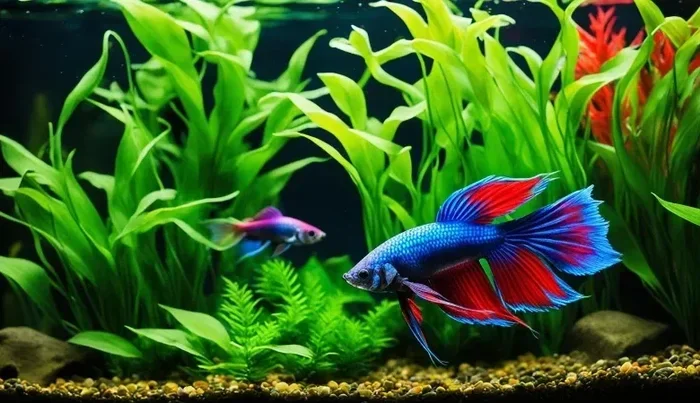
Your betta needs places to explore and hide. Live or silk plants work great because they soften the environment and give your fish something to rest near. Driftwood and caves also add variety. Just avoid anything with sharp edges that could tear those delicate fins.
Adding plants also helps with water quality. Live plants absorb nitrates and produce oxygen. They create a more natural, stress-free environment. If you want inspiration for the right setup, this how to care for a betta fish resource covers tank decoration in great detail.
Quick Tips for Tank Setup
- Always cycle your tank before adding your betta. This builds beneficial bacteria that break down waste.
- Use a soft substrate like fine gravel or sand. Avoid sharp gravel that can damage fins.
- Keep the tank away from direct sunlight and drafty areas. Both cause temperature swings.
- Add a lid. Bettas are known jumpers, and you do not want a surprise on the floor in the morning.
Feeding Your Betta Fish the Right Way
Feeding is where a lot of betta owners get tripped up. It is easy to overfeed, and overfeeding causes more problems than you might think. Let us break down exactly what, when, and how much to feed your betta.
Best Food for Betta Fish
Betta fish are carnivores. They need protein-rich food. High-quality betta pellets should make up the core of their diet. Look for pellets where fish or shrimp is the first ingredient, not fillers like corn or wheat.
Beyond pellets, you can supplement with frozen or freeze-dried foods like:
- Bloodworms
- Daphnia
- Brine shrimp
- Mosquito larvae
These treats add variety and extra nutrition. Just do not make them the main staple. A varied but pellet-based diet keeps your betta in top shape. For a deeper dive into feeding schedules and portions, this how often do you need to feed a betta fish article is a fantastic resource.
How Much and How Often
Feed your betta 2 to 3 times a day. Give them only what they can finish in about 2 minutes. That is it. It is tempting to toss in extra food because your fish seems excited, but uneaten food rots in the water and poisons your tank.
One day per week, skip feeding entirely. This fasting day helps their digestive system process any leftover food. It is a simple trick that surprisingly many experienced keepers swear by.
Common Feeding Mistakes
- Feeding too much at once
- Using cheap flakes that lack protein
- Feeding only freeze-dried foods without hydration
- Skipping fasting days entirely
- Feeding at inconsistent times
Comparison: Pellets vs. Flakes vs. Frozen Foods
| Food Type | Pros | Cons | Best For |
|---|---|---|---|
| Premium Pellets | Balanced nutrition, sinks easily, less messy | Some brands use fillers | Daily staple diet |
| Flakes | Inexpensive, widely available | Often low protein, float and crumble | Occasional snack only |
| Frozen Foods | High protein, mimics natural diet | Requires thawing, short shelf life | Treats and supplements |
Key Takeaway on Feeding
Stick with high-quality pellets as the base. Add frozen foods a few times a week for enrichment. Keep portions small and feeding times consistent. Your betta will reward you with energy, color, and appetite.
Maintaining Clean Water for Your Betta
If there is one thing that matters more than anything else in how to care for your betta fish, it is water quality. Clean water prevents disease, supports healthy gill function, and keeps your fish comfortable. Dirty water is the number one killer of betta fish in home tanks.
Water Parameters to Monitor
Betta fish do best in water with these specifications:
- Temperature: 76°F to 82°F
- pH: 6.5 to 7.5
- Ammonia: 0 ppm
- Nitrite: 0 ppm
- Nitrate: Below 20 ppm
You can test these levels with an aquarium test kit. They are inexpensive and save you from guessing. Testing weekly helps you catch problems before they become emergencies.
How to Perform Water Changes
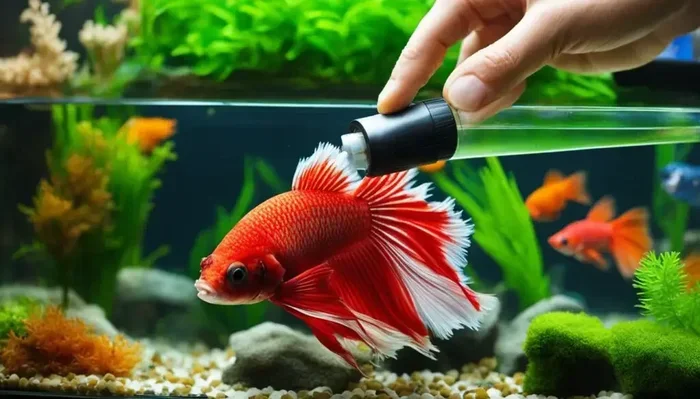
Regular water changes are non-negotiable. For a 5-gallon tank, change 25 to 50 percent of the water every week. For larger tanks, a 20 percent swap weekly works well. Always use a gravel vacuum to remove debris from the substrate while you drain old water.
Before adding new water, make sure it is the same temperature as the tank water. Cold water shocks bettas and can trigger illness. Using a water conditioner is also critical. Tap water contains chlorine and chloramine that are harmful to fish. A conditioner neutralizes these chemicals instantly.
For step-by-step guidance on water changes and preparation, this how to change water for betta fish guide walks you through everything from start to finish.
Pro Tips for Stable Water Conditions
- Never clean all filter media at the same time. Rinse sponges in old tank water to preserve beneficial bacteria.
- Add water conditioner every time you do a water change.
- Avoid placing the tank near windows or air vents. Temperature swings stress your fish.
- Consider a liquid test kit over strips. They tend to be more accurate.
Keeping Your Betta Fish Healthy
Even with the best setup, illness can happen. The key is catching it early and acting fast. Part of learning how to care for your betta fish involves knowing the warning signs and what to do when something looks off.
Common Betta Fish Illnesses
Here are the health problems you are most likely to encounter:
- Fin Rot: Ragged or discolored fins caused by bacterial infection. Often triggered by poor water quality.
- Ich (White Spot Disease): Tiny white spots on the body and fins. Caused by a parasite that thrives in stressed fish.
- Swim Bladder Disorder: Difficulty maintaining buoyancy. Often linked to overfeeding or constipation.
- Fungal Infections: Cotton-like growths on the skin or mouth. Needs prompt treatment.
- Stress Lines: Dark horizontal lines on the body. A clear sign your fish feels unsafe or uncomfortable.
How to Treat a Sick Betta Fish
When you notice symptoms, act quickly. Start by testing your water. Many illnesses clear up simply by fixing water quality issues. If the problem persists, consider these treatment options:
- Salt baths: Aquarium salt helps with mild cases of ich and fin rot. Use 1 tablespoon per 5 gallons for a short 10-minute soak.
- Medications: Antibacterial medications treat fin rot and fungal infections. Follow dosage instructions exactly.
- Quarantine: Move a sick fish to a separate hospital tank. This prevents spreading disease and lets you medicate safely.
If you want detailed treatment methods, the how to care for sick betta fish guide covers every scenario you can think of.
Expert Insight: Prevention Over Cure
Experienced betta keepers always say the same thing: a healthy tank prevents most diseases. Stable water temperature, regular maintenance, proper feeding, and a stress-free environment do more for your fish than any medication. Invest your time in prevention, and you will rarely face serious health issues.
Quick Health Checklist
- Observe your betta daily. Note any changes in behavior, color, or appetite.
- Test water weekly. Catch imbalances before they escalate.
- Keep the tank clean. Remove uneaten food and debris promptly.
- Avoid overcrowding. One betta per tank is the safest rule.
- Quarantine new plants or decorations before adding them to your main tank. They can carry parasites.
Common Mistakes in Betta Fish Care and How to Avoid Them
Even passionate owners make mistakes. The good news is that most of them are easy to fix once you know what to watch for. Here are the most common pitfalls in how to care for your betta fish and how you can sidestep them.
Mistake 1: Using a Bowl Instead of a Tank
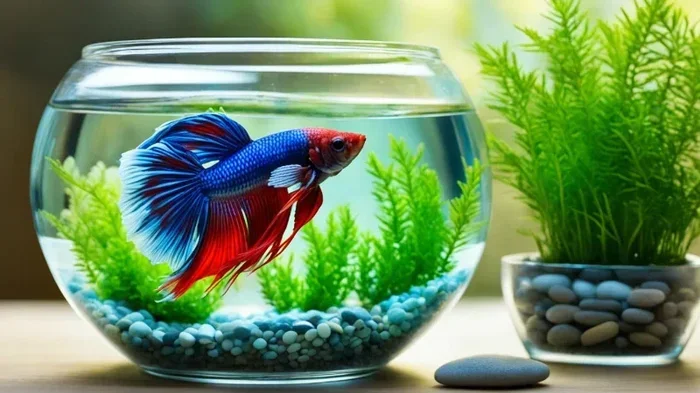
Bettas deserve more than a bowl. Bowls do not hold heaters or filters. The water quality crashes fast, and your fish has zero room to swim. A 5-gallon tank with basic equipment is affordable and makes a world of difference.
Mistake 2: Ignoring Water Temperature
Room temperature water is rarely warm enough for tropical bettas. Without a heater, your fish slowly becomes vulnerable to illness. A simple submersible heater with a thermostat solves this problem completely.
Mistake 3: Overfeeding
This is the number one killer across all fish keepers, beginners and experts alike. Betta stomachs are roughly the size of their eye. That is tiny. Feed small amounts and skip a day each week. Your fish will thank you.
Mistake 4: Keeping the Tank Bare
A tank with nothing in it feels like a prison cell. Bettas need enrichment. Plants, caves, and gentle decorations make them feel secure and encourage natural behaviors like exploring and nesting bubble nests.
Mistake 5: Skipping Water Changes
Even with a filter, water quality degrades over time. Nitrates build up. Ammonia spikes. Your fish pays the price. Stick to a weekly maintenance schedule and never let more than a week slip by without at least a partial water change.
Mistake 6: Adding Incompatible Tank Mates
Bettas can be territorial. Many common tank mates like goldfish or guppies either stress your betta out or get attacked. If you want companions, consider ghost shrimp, snails, or a single peaceful bottom fish like a corydoras. Always research before adding anything to the tank.
How to Get Back on Track
If you have made any of these mistakes, do not panic. Start by testing your water and performing a large water change. Adjust your feeding routine. Add a heater if you are missing one. Small corrections add up fast. Your betta is more resilient than you think when you improve conditions quickly.
Building a Long-Term Care Routine for Your Betta
Now that you understand the basics of how to care for your betta fish, let us put it all together into a simple weekly routine. Consistency is what separates struggling bettas from thriving ones.
Your Weekly Care Schedule
Here is a practical breakdown you can follow:
Daily:
- Feed 2 to 3 small meals. Watch for uneaten food.
- Check the temperature on your heater display.
- Observe your betta for any odd behavior or physical changes.
Weekly:
- Perform a 25 to 50 percent water change.
- Test water parameters (pH, ammonia, nitrite, nitrate).
- Clean glass and remove debris from the substrate.
- Rinse filter media in old tank water if it looks clogged.
Monthly:
- Inspect all equipment. Make sure heaters and filters are working properly.
- Trim any live plants that have overgrown.
- Review your fish food supply. Replace anything expired or stale.
Enhancing Your Betta’s Environment Over Time
Once your basic setup is locked in, consider ways to level up. Adding live plants creates a more natural ecosystem. A background decal hides the back wall and makes your betta feel more secure. Even a small mirror can be used briefly to encourage your betta to display its colors (just do not leave it in the tank).
Some keepers enjoy breeding bettas. If that interests you down the road, learning how to condition betta fish for breeding is a great next step. But for now, focus on mastering the fundamentals.
Expert Insight: Patience Pays Off
Every betta keeper has a learning curve. Your first tank might not look like a magazine spread, and that is completely fine. What matters is that you commit to learning and improving. Each tank you set up teaches you something new. Your fish will live longer, display better colors, and behave more actively the more you refine your care approach.
Key Takeaways
- A 5-gallon tank with a heater and gentle filter is the minimum for a healthy betta.
- Feed high-quality pellets 2 to 3 times a day in small amounts.
- Change 25 to 50 percent of the water weekly and always use conditioner.
- Watch your fish daily for signs of stress or illness.
- Avoid common mistakes like overfeeding, bare tanks, and cold water.
- Build a consistent routine and stick with it.
Final Thoughts on Betta Fish Care
Learning how to care for your betta fish does not require a degree in marine biology. It requires attention, consistency, and a genuine willingness to meet your pet halfway. The information in this guide gives you everything you need to succeed.
Your betta depends on you for every aspect of its life. From the temperature of the water to the food on its plate, you are the difference between a fish that merely survives and one that truly thrives. Stick with the routine, stay curious, and keep learning.
The rewards of proper betta care are incredible. Bright colors, active swimming, bubble nests, and even little personalities that develop over time. These small creatures have so much to offer when given the chance. You have already taken the first step by seeking out the right information. Now go put it into action, and enjoy every moment with your beautiful betta fish.
Frequently Asked Questions
How often should you feed your betta fish?
Feed your betta fish once or twice a day with small amounts of food. A few pellets or a small piece of frozen bloodworm per feeding is enough. Overfeeding is one of the most common mistakes betta fish owners make, so less is always more.
What kind of water does a betta fish need?
Betta fish thrive in clean, dechlorinated water with a temperature between 76°F and 82°F. Use a gentle filter to keep the water moving without creating too much current, since bettas prefer calm water. Regular water changes of about 25% every week will keep your fish healthy and happy.
Can betta fish live in a bowl without a filter?
While betta fish can survive in a bowl, they do much better in a tank with a filter and heater. A bowl limits their space and makes it harder to maintain stable water conditions. A tank of at least 5 gallons gives your betta room to swim and explore comfortably.
Why is my betta fish not eating?
A betta fish may stop eating due to stress, poor water quality, or illness. Check your water parameters and temperature first, as these are the most common causes. If the environment is stable, try offering a different food like live brine shrimp to spark their appetite.
How long do betta fish live on average?
With proper care, a betta fish can live between 3 and 5 years, sometimes even longer. Providing a clean tank, a balanced diet, and low-stress conditions makes a big difference. Consistent water maintenance is the single best thing you can do to extend your fish’s lifespan.
Can betta fish live with other fish?
Betta fish are known for being aggressive, so they don’t always get along with other fish. However, they can sometimes live peacefully with peaceful, non-colorful species like corydoras or snails. Always monitor their behavior closely when introducing tank mates to avoid fights and stress.