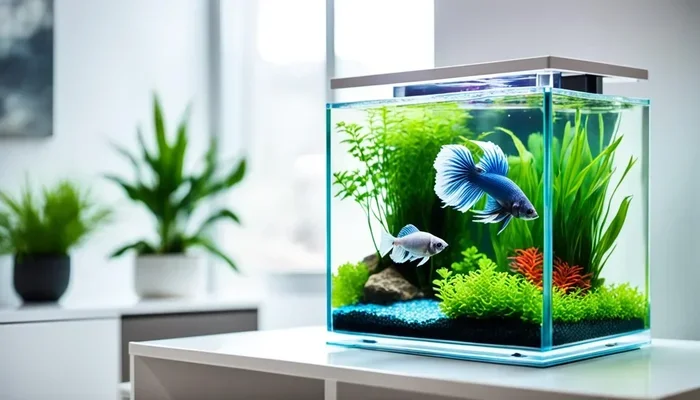
Can Betta Fish Eat Kale

Can betta fish eat kale? The short answer is yes, but only in tiny, properly prepared amounts. Kale offers vitamins and fiber, yet its tough leaves can cause digestion issues if not softened. Follow our simple prep steps and feeding guidelines to keep your betta happy and healthy.
Key Takeaways
- Moderation is essential: Only a few tiny pieces once or twice a week.
- Prep matters: Blanch or steam kale to soften fibers and remove excess oxalic acid.
- Watch for signs: Digestive upset or bloating means stop feeding kale immediately.
- Balanced diet: Kale should complement, not replace, high‑protein betta foods.
- Size matters: Use only the tender inner leaves; discard stems and tough outer parts.
- Safety first: Always rinse kale to remove pesticides and chemicals.
- Know alternatives: Peas, daphnia, and bloodworms are safer vegetable options for beginners.
Quick Answers to Common Questions
Can betta fish eat raw kale?
No. Raw kale is too tough and contains higher levels of oxalic acid, which can upset a betta’s digestion.
How often should I feed kale to my betta?
Once a week, with only 1‑2 tiny pieces each time. Adjust based on your fish’s reaction.
Will kale change my betta’s color?
Vitamin A in kale may enhance coloration slightly, but it won’t cause dramatic changes.
Can I feed kale to juvenile bettas?
It’s best to wait until they’re at least 2‑3 months old and already eating fine‑minded foods.
What should I do if my betta gets bloated after eating kale?
Remove any remaining kale, perform a partial water change, and skip vegetable treats for the next two weeks.
📑 Table of Contents
Introduction: The Curious Betta and the Green Leaf
Betta fish, also called Siamese fighting fish, are famous for their bright colors and dramatic finnage. Most owners picture them snapping at live or frozen brine shrimp, not nibbling on leafy greens. Yet many hobbyists wonder, can betta fish eat kale?
In this friendly guide we’ll walk through the science, the practical steps, and the dos and don’ts of offering kale to your fin‑tastic companion. Think of it as a chat over coffee with a fellow fish keeper – clear, simple, and packed with useful tips.
1. What Betta Fish Naturally Eat
Wild diet basics
In their native Thai streams, bettas hunt insects, mosquito larvae, and tiny crustaceans. Their stomachs are built for protein‑rich, moving prey. Plant matter is rarely a primary food source.

Visual guide about Can Betta Fish Eat Kale
Image source: idbaseball.jp
Why vegetables are still useful
Even though a betta’s gut prefers meat, occasional plant matter can provide fiber, vitamins, and a change of texture. This is why many breeders sprinkle small bits of pea or zucchini into the diet.
For a deeper dive into betta nutrition, check out our article on what can betta fish eat.
2. Kale’s Nutritional Profile
Vitamins and minerals
Kale is a powerhouse of vitamins A, C, K, and B‑complex, plus calcium, iron, and antioxidants. These nutrients can support a betta’s immune system and skin health.

Visual guide about Can Betta Fish Eat Kale
Image source: klpropertynavi.com
Potential concerns
However, kale also contains oxalic acid, which can bind calcium and form tiny crystals. In large amounts, this may lead to kidney strain.
Additionally, the thick cellulose in kale leaves can be tough for a betta’s short digestive tract.
3. Preparing Kale for Your Betta
Step‑by‑step preparation
- Choose fresh, organic kale. Look for dark green leaves without yellowing.
- Rinse thoroughly. Use filtered water to wash away any pesticide residue.
- Remove the stems. The central ribs are fibrous and hard to digest.
- Blanch or steam. Drop the leaves into boiling water for 30‑45 seconds, then shock in cold water. This softens the fibers and reduces oxalic acid.
- Chop into tiny pieces. Aim for 1‑2 mm squares – about the size of a betta’s eye.
- Dry slightly. Pat with a paper towel to remove excess moisture; soggy bits can cloud the water.
How much is enough?
Start with one or two tiny pieces once a week. Observe your fish for 24‑48 hours. If the water stays clear and your betta looks active, you can repeat in another week.
Visual guide about Can Betta Fish Eat Kale
Image source: website-assets.studocu.com
4. Feeding Kale Safely
Feeding method
Use a clean pair of tweezers or a small spoon to place the kale piece on the water’s surface. Betta fish often glide up to investigate floating food.
Watch for reactions
- Immediate interest: A quick nibble means the texture is acceptable.
- Refusal: If the betta ignores it, try a softer preparation or a different vegetable.
- Digestive upset: Bloated belly, lethargy, or cloudy water indicate the kale was too much.
Cleaning up
Remove any uneaten pieces after 5‑10 minutes. Leftover plant matter decomposes quickly, raising ammonia levels.
5. Benefits and Risks of Kale for Bettas
Potential benefits
- Boosts vitamin A for better coloration.
- Provides fiber that can aid digestion of protein meals.
- Offers antioxidants that may reduce stress.
Possible risks
- Oxalic acid overload can affect calcium absorption.
- Undigested fibers may cause constipation or bloating.
- Over‑feeding can pollute the tank, harming both fish and beneficial bacteria.
6. Alternatives to Kale
Safer vegetable options
If kale feels too risky, try peas (shelled and boiled), spinach (lightly blanched), or zucchini. These are softer and contain lower oxalates.
Protein treats
Remember, a betta’s core diet should remain protein‑heavy. Quality betta pellets, frozen bloodworms, and daphnia are excellent staples. Learn more about protein foods in our guide on can betta fish eat shrimp.
Conclusion: A Balanced Approach
So, can betta fish eat kale? Yes, but only as an occasional, carefully prepared treat. The key is moderation, proper blanching, and close observation. By following the steps above, you can add a splash of green nutrition without jeopardizing your betta’s health.
Keep your betta’s primary diet protein‑rich, introduce vegetables slowly, and always monitor water quality. With a thoughtful approach, your betta may enjoy the occasional kale nibble as much as the next live food feast.
Frequently Asked Questions
Is kale safe for all betta fish?
Kale can be safe for most healthy adult bettas when prepared correctly, but very small or sick fish should avoid it.
Do I need to soak kale before feeding?
Blanching or steaming is preferred; simply soaking does not soften the fibers enough.
Can kale replace my betta’s regular food?
No. Kale is a supplement, not a staple. Betta fish need protein‑rich foods as the main part of their diet.
Will kale affect water parameters?
Uneaten kale decomposes quickly, raising ammonia. Always remove leftovers promptly.
Can I feed kale to multiple bettas in the same tank?
Yes, but monitor each fish individually; some may ignore it while others may overeat.
Are there any other leafy greens I can try?
Spinach, lettuce, and romaine are softer alternatives, but always blanch and offer in very small amounts.