Wondering if a moss ball can live with a Betta fish? The short answer is yes—if you keep the tank clean, provide enough space, and choose the right moss ball size. This guide explains why moss balls are a great natural filter, how to set up a safe environment, and what to watch for so both your Betta and its green companion thrive together.
Key Takeaways
- Compatibility: Moss balls are generally safe for Betta fish, but water quality and tank size matter.
- Benefits: They help control algae, oxygenate water, and add a natural look.
- Tank size: A minimum of 5 gallons is recommended for a Betta‑Moss Ball combo.
- Maintenance: Light pruning and occasional rinsing keep the ball healthy.
- Potential risks: Over‑feeding, low temperature, and aggressive Betta personalities can harm the moss.
- Alternative décor: Live plants, driftwood, and snails can coexist with moss balls for a balanced ecosystem.
- Monitoring: Regular water tests ensure the moss ball isn’t turning brown or releasing excess nutrients.
📑 Table of Contents
- Introduction: A Green Buddy for Your Betta?
- What Is a Moss Ball?
- Why Betta Fish Often Get Paired With Moss Balls
- Setting Up the Perfect Tank
- Introducing the Moss Ball to Your Betta
- Maintenance: Keeping the Moss Ball Healthy
- Potential Problems and How to Solve Them
- Benefits Beyond Aesthetics
- Can You Combine Moss Balls With Other Tank Mates?
- Conclusion: A Simple, Green Solution
Introduction: A Green Buddy for Your Betta?
If you’ve ever watched a Betta fish flare its fins and wondered how to make its home more interesting, you might have spotted a tiny green sphere drifting near the surface. That sphere is a moss ball—also called a Marimo or Cladophora ball. These charming, fluffy globes are not only cute; they act like a living filter, soaking up excess nutrients and giving your Betta a place to explore.
But can a moss ball live with a Betta fish? The answer is a confident “yes,” provided you respect a few simple rules. In this article we’ll break down the science behind moss balls, how they interact with Betta behavior, and step‑by‑step steps to set up a thriving tank.
What Is a Moss Ball?
Natural origin and appearance
Moss balls are free‑floating colonies of the filamentous green algae Cladophora. They form in cold, clear lakes—most famously in Japan’s Lake Biwa. In the aquarium world they’re sold as compact, velvety spheres that range from 1 inch to 6 inches in diameter.
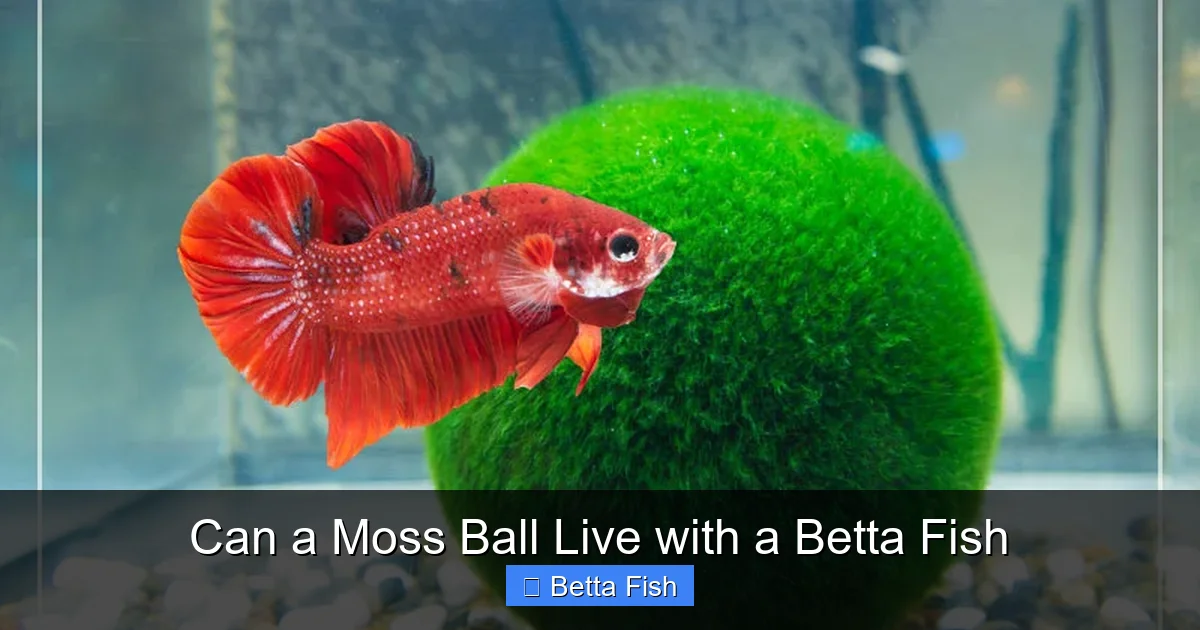
Visual guide about Can a Moss Ball Live with a Betta Fish
Image source: smartaquariumguide.com
How they work as a filter
Unlike plastic décor, a moss ball absorbs ammonia, nitrites, and phosphates through its surface. Tiny bacteria colonize the algae, turning harmful compounds into harmless nitrate. The ball also releases oxygen during photosynthesis, which is a bonus for a surface‑breathing Betta.
Why Betta Fish Often Get Paired With Moss Balls
Betta’s natural habitat
Betta fish (Betta splendens) come from shallow, warm rice paddies in Thailand. Those waters are often rich in plant matter, so a moss ball mimics a piece of floating vegetation that Betta would naturally investigate.
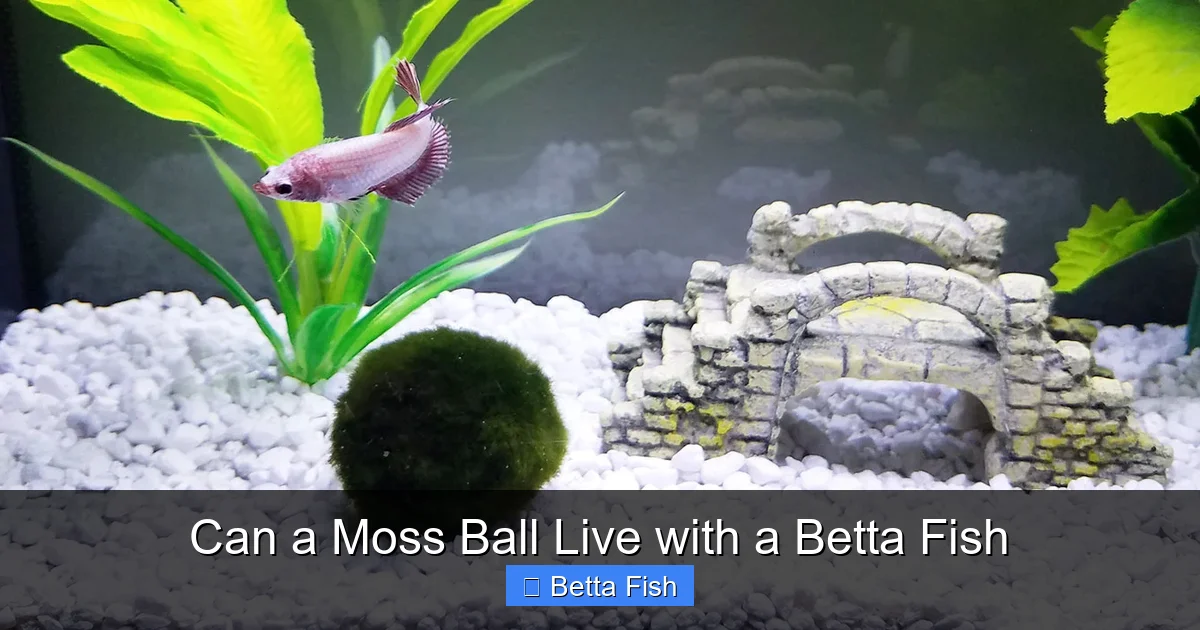
Visual guide about Can a Moss Ball Live with a Betta Fish
Image source: bettafish.org
Behavioral enrichment
Betta are curious and love to chase moving objects. A gently swirling moss ball provides gentle stimulation without the stress of aggressive tank mates. It also gives the Betta a “hiding” spot to retreat to when it feels threatened.
Setting Up the Perfect Tank
Tank size and shape
The minimum recommended tank for a single Betta is 5 gallons. Adding a moss ball doesn’t change that rule; in fact, a slightly larger tank (7‑10 gallons) gives the ball room to float without constantly bumping into decorations.
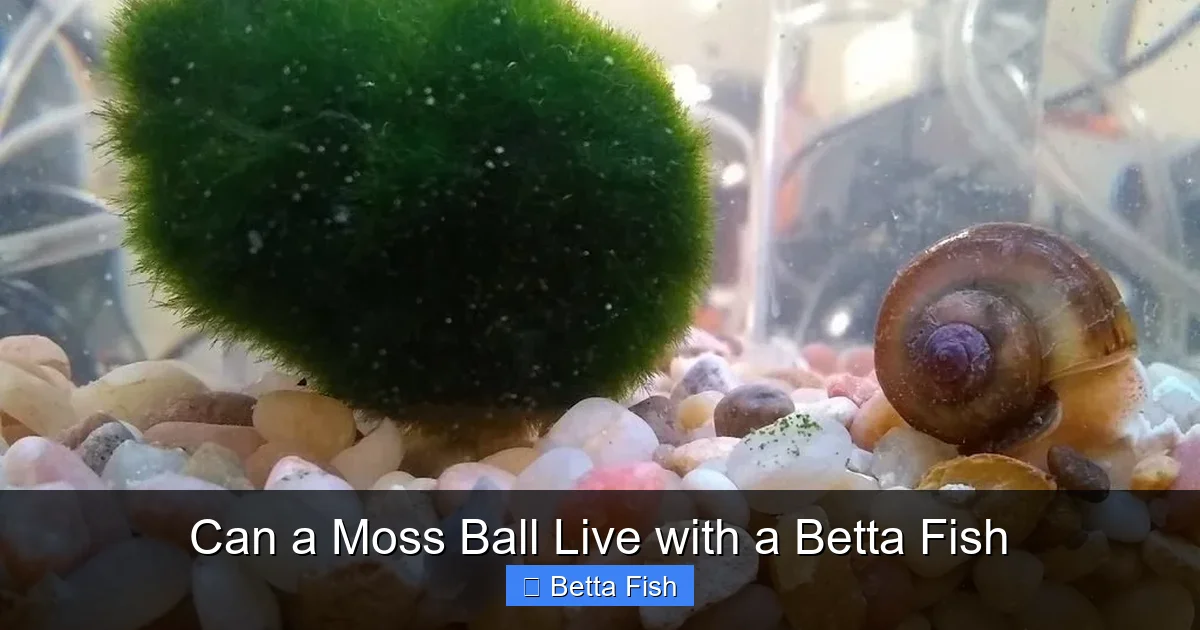
Visual guide about Can a Moss Ball Live with a Betta Fish
Image source: bettacarefishguide.com
Water parameters
- Temperature: 76‑82°F (24‑28°C)
- pH: 6.5‑7.5
- Hardness: 5‑20 dGH
These ranges suit both Betta and moss ball. Cold water (<70°F) can cause the ball to turn brown and die, while overly warm water accelerates algae growth beyond the ball’s capacity.
Lighting
Moss balls need low to moderate light—about 2‑4 hours of indirect sunlight or a dim aquarium LED. Too much light will turn the ball greenish‑brown and encourage unwanted algae elsewhere.
Substrate and décor
You can keep the tank bare, but adding smooth gravel or sand gives the Betta a place to rest. Live plants, driftwood, and small caves complement the moss ball and create a natural look.
Introducing the Moss Ball to Your Betta
Acclimation steps
- Rinse the moss ball in a bucket of tank water (no tap water) to remove dust.
- Float the ball in the tank for 15‑20 minutes so it adjusts to temperature.
- Gently place it in the water, avoiding direct contact with the Betta’s fins.
First‑day observations
Watch for any signs of stress: the Betta may nip at the ball, or the ball might start to break apart. A gentle Betta will simply glide past, and the ball will begin to roll slowly with water currents.
Maintenance: Keeping the Moss Ball Healthy
Cleaning routine
Every 2‑4 weeks, lift the ball out and rinse it in a bowl of dechlorinated water. Gently massage the surface to release trapped debris. If the ball feels too heavy, it may be over‑grown with unwanted algae and needs a light trim.
Pruning tips
Use clean scissors to trim brown or dead filaments. Aim to keep the ball round; uneven growth can make it sink.
Water changes
Replace 25‑30% of the tank water weekly. This dilutes nitrates and provides fresh minerals for the moss ball to thrive.
Potential Problems and How to Solve Them
Betta aggression
Some Betta have a territorial streak and may bite the moss ball. If this happens, move the ball to a corner where the Betta rarely swims, or consider a larger tank to give both space.
Brown or black discoloration
Brown spots are a sign of decay—often caused by low temperature or poor water quality. Increase water temperature slightly, improve filtration, and perform a partial water change.
Over‑growth
If the ball expands beyond the tank’s capacity, it can block the surface. Trim it back and consider adding a second, smaller ball for balance.
Benefits Beyond Aesthetics
Natural filtration
Studies show that a healthy moss ball can reduce ammonia levels by up to 30% in a small tank. This eases the burden on your filter and helps keep the Betta’s gills healthy.
Oxygen production
During daylight, the ball releases oxygen, creating a gentle flow that keeps the Betta’s labyrinth organ supplied.
Stress reduction
Betta owners report calmer fish when a moss ball is present, likely because the ball mimics a natural floating leaf that Betta would use for shelter.
Can You Combine Moss Balls With Other Tank Mates?
Yes! Moss balls coexist peacefully with most peaceful community fish, small shrimp, and snails. For example, they make a great companion for a tiny Nerite snail that will help clean excess algae. However, avoid large, fast‑moving species that might crush the ball.
For more ideas on compatible tank mates, see our guide on what fish can live with a Betta and the article about Betta fish and algae eaters.
Conclusion: A Simple, Green Solution
In short, a moss ball can live with a Betta fish when you provide the right environment—adequate tank size, stable temperature, low to moderate lighting, and regular maintenance. The ball not only looks cute but also acts as a natural filter, oxygen source, and enrichment tool. By following the steps outlined above, you’ll create a harmonious mini‑ecosystem where both Betta and moss ball flourish.
Remember, each Betta has a unique personality. Observe yours closely, adjust décor as needed, and enjoy the calming presence of that tiny green sphere floating beside your vibrant Betta.
Frequently Asked Questions
Can a moss ball die in a Betta tank?
Yes. Poor water quality, low temperature, or aggressive biting can cause the ball to turn brown and decompose. Regular cleaning and a stable environment prevent this.
How often should I rinse a moss ball?
Rinse the ball every 2‑4 weeks in dechlorinated water and trim any dead filaments to keep it healthy.
Do moss balls need fertilizer?
No. They obtain nutrients from the water. Adding fertilizer can cause excess algae growth and harm both the ball and Betta.
Can I keep more than one moss ball in the same tank?
Yes, as long as the tank is large enough. Multiple balls create a more natural look and improve filtration.
Will a Betta eat a moss ball?
Betta typically do not eat moss balls. They may nip at it out of curiosity, but the ball’s tough surface is not a food source.
Is a moss ball suitable for a community tank with a Betta?
Absolutely, provided the other fish are peaceful. Moss balls work well with small shrimp, snails, and non‑aggressive schooling fish.

