Can a Pandacatfish Live with a Betta Fish
Can a pandacatfish live with a betta fish? Yes, but only under very specific conditions. Proper tank size, water parameters, and careful monitoring are key to a peaceful community.
Key Takeaways
- Size matters: A pandacatfish needs a larger tank than a betta, so space is essential.
- Temperament: Both species can be semi‑aggressive; providing hiding spots reduces fights.
- Water parameters: Keep temperature, pH, and hardness within the overlapping range of both fish.
- Feeding: Offer a varied diet and feed at opposite ends of the tank to avoid competition.
- Monitoring: Watch for signs of stress daily; be ready to separate if aggression escalates.
- Community options: Pairing with peaceful bottom dwellers or snails can improve harmony.
- Setup tips: Use live plants, caves, and driftwood to create territories for each fish.
📑 Table of Contents
Introduction: Why the Question Comes Up
Betta fish are famous for their vibrant colors and feisty personalities. Many hobbyists wonder if they can add a unique, lesser‑known tank mate like the pandacatfish. The pandacatfish (often called the “panda catfish”) is a small, nocturnal bottom dweller with striking black‑and‑white markings that can make any aquarium look like a miniature zoo.
Because both fish have strong personalities, it’s natural to ask, can a pandacatfish live with a betta fish? The answer isn’t a simple yes or no. It depends on tank size, water conditions, and how you manage their environment. In this guide we’ll walk through everything you need to know to make an informed decision.
Understanding the Species
Betta Fish Basics
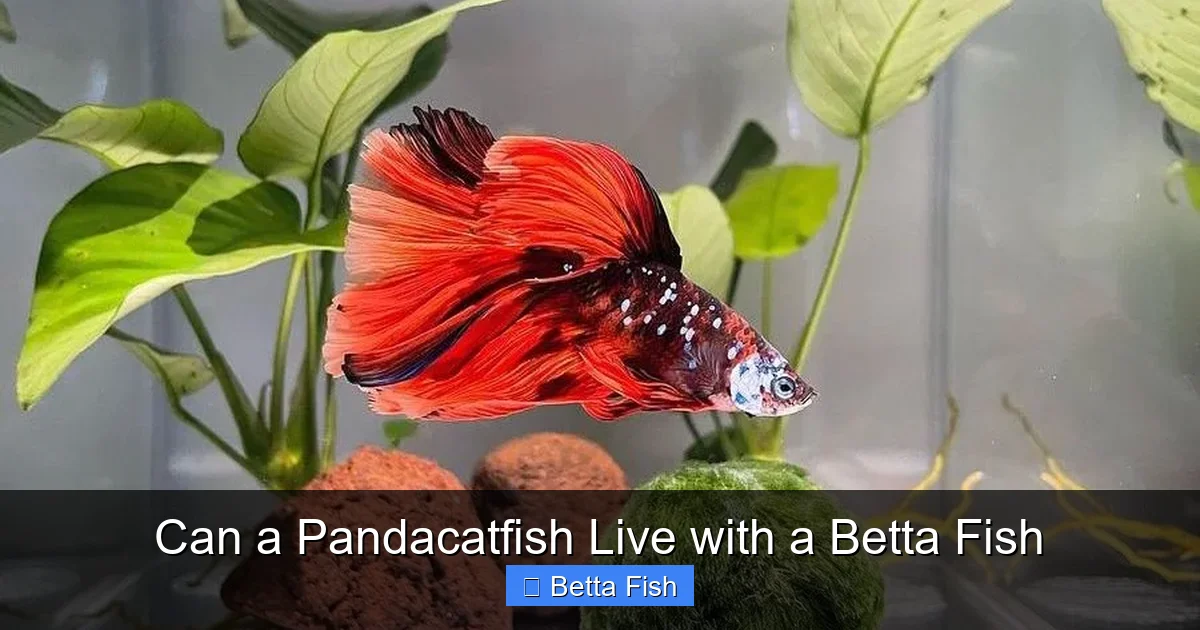
Betta fish (Betta splendens) are native to shallow rice paddies in Southeast Asia. Males are especially territorial and will flare their fins at perceived rivals. They thrive in warm water (76‑82°F / 24‑28°C), slightly acidic to neutral pH (6.5‑7.5), and prefer a calm surface because they are surface‑feeders.
Visual guide about Can a Pandacatfish Live with a Betta Fish
Image source: japanesefightingfish.org
Pandacatfish Profile
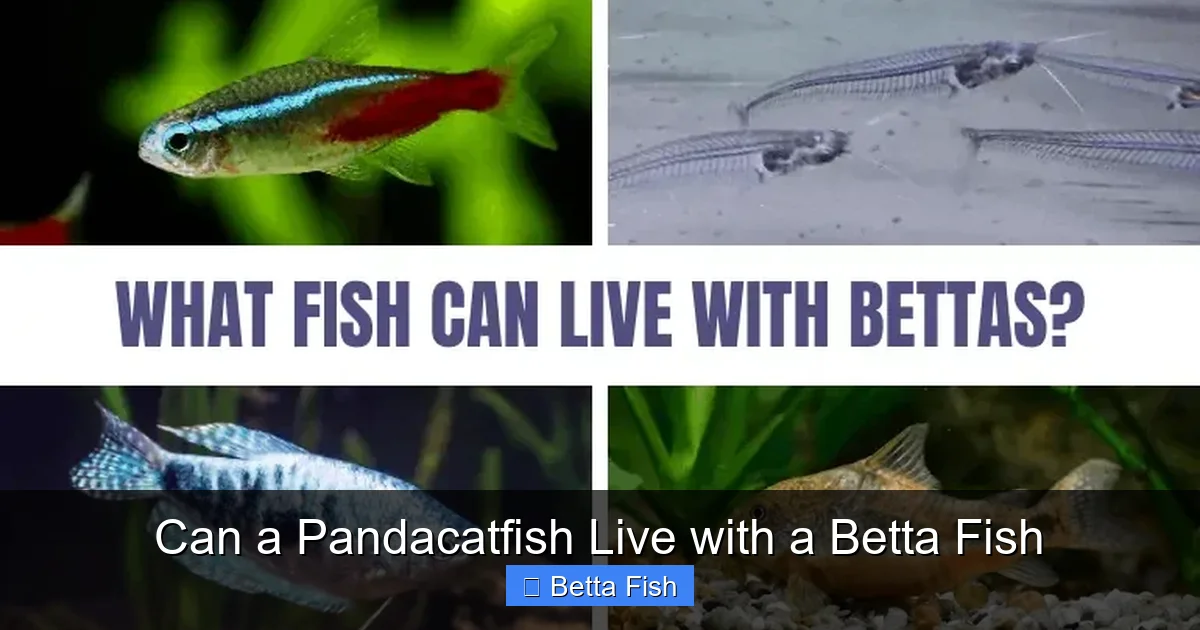
The pandacatfish (Pangasius sp. “panda”) is a small, nocturnal catfish that grows to about 3‑4 inches. It loves to hide under driftwood, rocks, and plants. Ideal water conditions are a temperature of 73‑80°F (23‑27°C), pH 6.0‑7.5, and a soft to moderately hard water (5‑12 dGH). It is a peaceful bottom feeder that likes to scavenge for leftover food.
Compatibility Factors
Tank Size and Layout
One of the biggest hurdles is space. A single betta can be comfortable in a 5‑gallon tank, but a pandacatfish needs at least 10‑gallons to swim and hide. To answer can a pandacatfish live with a betta fish safely, aim for a minimum of 15 gallons. This provides enough room for territories and reduces stress.
Visual guide about Can a Pandacatfish Live with a Betta Fish
Image source: bettacarefishguide.com
Temperament and Behavior
Both fish can display aggression, especially the male betta. The pandacatfish is shy and will hide if it feels threatened. Providing plenty of caves, PVC pipes, and dense planting creates “safe zones.” If the betta can’t see the catfish’s hiding spots, it may become frustrated and nip at the catfish’s fins.
Water Parameter Overlap
Fortunately, the temperature and pH ranges of the two species overlap nicely. Keep the tank at 78°F (25.5°C) with a pH around 7.0. Use a reliable heater and a test kit to maintain stability. Hardness can be kept moderate (6‑10 dGH) to suit both.
Feeding Considerations
Betta fish are carnivorous and love protein‑rich pellets or frozen foods. Pandacatfish are omnivorous scavengers and will accept sinking pellets, blanched vegetables, and occasional bloodworms. Feed the betta at the surface and drop the catfish food near the substrate. This prevents competition and keeps each fish satisfied.
Setting Up the Community Tank
Choosing the Right Tank
Start with a 15‑gallon long aquarium. A long tank offers more surface area for the betta and a larger bottom area for the pandacatfish. Avoid tall, narrow tanks because bettas need surface room and catfish need floor space.
Visual guide about Can a Pandacatfish Live with a Betta Fish
Image source: acaquarium.com
Decor and Hiding Places
- Live plants: Java fern, Anubias, and Cryptocoryne create natural cover.
- Driftwood and rocks: Provide caves and tunnels for the catfish.
- Background: Dark backgrounds make the betta feel secure and reduce stress.
Filtration and Flow
A gentle sponge filter works well. It creates low flow, which is ideal for the betta’s delicate fins and the catfish’s bottom‑dwelling habits. Ensure the filter’s intake is covered to avoid accidental suck‑in.
Lighting
Betta fish enjoy a regular day/night cycle (10‑12 hours of light). Pandacatfish are nocturnal, so dim the lights slightly at night or use a moonlight LED to mimic their natural environment.
Monitoring Health and Behavior
Signs of Stress
Watch for faded colors, clamped fins, or excessive hiding. If the betta is constantly flaring at the catfish, it may be a sign that the tank is too small or the decor isn’t sufficient.
Disease Prevention
Quarantine any new fish for at least two weeks. Use a mild salt dip for the pandacatfish if it shows signs of ich. Keep water parameters stable; sudden changes stress both fish and lead to disease.
When to Separate
If aggression escalates—persistent nipping, torn fins, or the catfish staying hidden for days—move one fish to a separate hospital tank. It’s better to have two happy tanks than a single stressed one.
Alternative Tank Mates and Community Ideas
Peaceful Bottom Dwellers
Snails (e.g., nerite or mystery) and small shrimp can coexist with both species. They also help clean algae, which is a bonus. For more details on snails, see our article Can Betta Fish Live With Snails.
Small Schooling Fish
Harmless schoolers like neon tetras or ember tetras can add movement, but only if the tank is large enough (20+ gallons). Keep the betta’s fins trimmed to reduce the chance of accidental injury.
Algae Eaters
Peaceful algae eaters such as the Siamese algae eater are often recommended. Learn more about algae eaters here.
Conclusion: Is It Worth Trying?
So, can a pandacatfish live with a betta fish? Yes—if you provide a spacious, well‑planted 15‑gallon tank, maintain stable water conditions, and keep a close eye on behavior. The key is to respect each fish’s natural habits: give the betta surface space and the catfish plenty of hiding places. When done right, the combination can be a striking display of color and personality.
Remember, every aquarium is unique. Start slow, observe, and be ready to adjust or separate if needed. Happy fishkeeping!
Frequently Asked Questions
Can a pandacatfish and betta share a 10‑gallon tank?
It’s risky. A 10‑gallon tank is usually too small for a pandacatfish, which needs room to roam. A larger tank (15+ gallons) is recommended.
Will the betta attack the pandacatfish?
Male bettas can be aggressive, especially if they can see the catfish’s fins. Providing plenty of cover reduces the chance of attacks.
Do pandacatfish and bettas need the same water temperature?
Yes, their temperature ranges overlap nicely. Keeping the tank at 78°F (25.5°C) works for both.
Can I feed them the same food?
While you can offer a varied diet, bettas prefer surface pellets, and pandacatfish need sinking foods. Feed them in separate spots to avoid competition.
What are good tank mates for a betta‑pandacatfish community?
Peaceful snails, shrimp, and small algae eaters work well. Avoid fast‑moving or fin‑nipping fish.
How often should I test the water?
Test temperature, pH, and ammonia at least twice a week. Consistency is key to preventing stress.