Betta fish are often seen in tiny Chinese store cups, but these containers are far from ideal. Without proper filtration, space, and temperature control, a betta’s health can quickly decline. This article explains why the cup is a bad choice and shows how to create a safe, thriving home for your betta.
Key Takeaways
- Space matters: A cup is too small; a minimum of 2‑5 gallons is recommended.
- Water quality is critical: Without filtration, toxins build up fast, stressing the fish.
- Temperature control: Betta fish need stable warmth (78‑80°F); cups rarely provide it.
- Stress signs: Faded colors, ragged fins, and lethargy often appear in cup‑kept bettas.
- Humane alternatives: Small, filtered tanks or bowl setups can meet a betta’s needs.
- Legal & ethical note: Many retailers sell cups for profit, not the fish’s welfare.
- Transition tips: Moving a betta from a cup to a proper tank can be done safely with gradual water changes.
📑 Table of Contents
Introduction: The Allure of the Tiny Cup
Walk into any Asian market in the U.S. or abroad, and you’ll likely see rows of bright‑colored betta fish swimming in tiny plastic cups. The sight is eye‑catching, cheap, and seems like a perfect “starter” pet. But the reality behind those crystal‑clear little containers is far from the happy, thriving betta you see in hobbyist videos.
In this guide we answer the burning question: can a betta fish live in a Chinese store cup? We’ll break down the science of betta health, the hidden dangers of cup‑only living, and what you can do if you’ve already bought a cup‑bound betta. By the end, you’ll know exactly why the cup is a trap and how to give your fish a life it truly deserves.
Why the Cup Is Not a Home
1. Insufficient Space
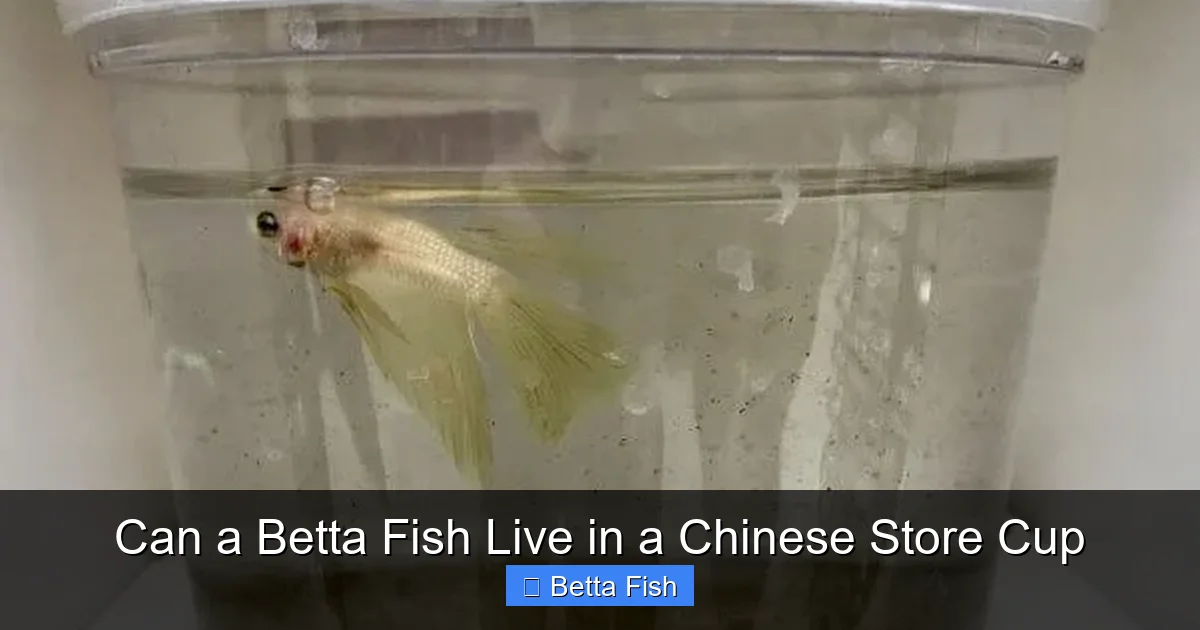
Betta fish are native to shallow rice paddies and slow‑moving streams in Southeast Asia. Even in the wild they need room to swim, explore, and display their spectacular fins. A typical Chinese store cup holds 100‑200 ml (about 3‑7 oz) of water—roughly the size of a coffee mug. That volume equates to less than 0.1 gallon, far below the minimum recommendation of 2‑5 gallons for a healthy adult betta.
Visual guide about Can a Betta Fish Live in a Chinese Store Cup
Image source: peta.org
When a fish is cramped, stress hormones rise, immune function drops, and the beautiful coloration that makes bettas famous begins to fade. In a cup, the fish can’t perform natural behaviors like “flaring” (displaying fins) without bumping into the plastic walls.
2. Poor Water Quality
Water in a cup changes dramatically within hours. Ammonia from waste, nitrite spikes, and a rapid drop in pH can occur because there is no biological filtration or even a simple sponge filter to break down toxins. The result is a toxic environment that can cause fin rot, fungal infections, and even death in just a few days.
For a deeper dive into the importance of filtration, see our article on Can Betta Fish Live In A Bowl Without Filter. The same principles apply to cups, but the problem is magnified by the tiny water volume.
3. Temperature Instability
Betta fish are tropical and require a stable temperature of 78‑80°F (25‑27°C). A small cup cannot retain heat; a brief opening of the store door or a change in room temperature can cause the water to drop several degrees in minutes. Cold shocks lead to lethargy, loss of appetite, and increased susceptibility to disease.
4. Lack of Enrichment
In the wild, bettas have plants, driftwood, and hiding places. A plain cup offers none of these, leaving the fish bored and prone to stress‑related ailments. Adding live plants or décor is impossible in a sealed plastic cup.
Signs Your Betta Is Suffering in a Cup
Visible Physical Changes
- Faded or blotchy coloration: Stress drains the vibrant reds and blues.
- Ragged or torn fins: Poor water quality weakens fin tissue.
- Swollen abdomen: Indicates constipation or internal infection.
Behavioral Red Flags
- Lethargy: The fish stays at the bottom, barely moving.
- Loss of appetite: Refuses to eat even favorite foods.
- Rapid breathing: Gasping at the surface for oxygen.
If you notice any of these signs, act quickly. The longer a betta stays in a cup, the harder it is to reverse damage.
Visual guide about Can a Betta Fish Live in a Chinese Store Cup
Image source: qwikbetta.com
Transitioning From Cup to Proper Tank
Step‑by‑Step Move
- Prepare a 2‑gallon tank: Rinse the tank, add a gentle filter (sponge or hang‑on‑back), and set a heater to 78°F.
- Condition the water: Use a water conditioner to neutralize chlorine and chloramines.
- Acclimate slowly: Float the cup in the tank for 15‑20 minutes to equalize temperature, then gradually add tank water to the cup (about 1 ml per minute) until the cup is half full of tank water.
- Release the betta: Gently pour the cup’s contents into the tank, avoiding splashing.
- Monitor: Watch for stress signs for the first 24‑48 hours and perform a small water change if water looks cloudy.
Why a Proper Tank Helps
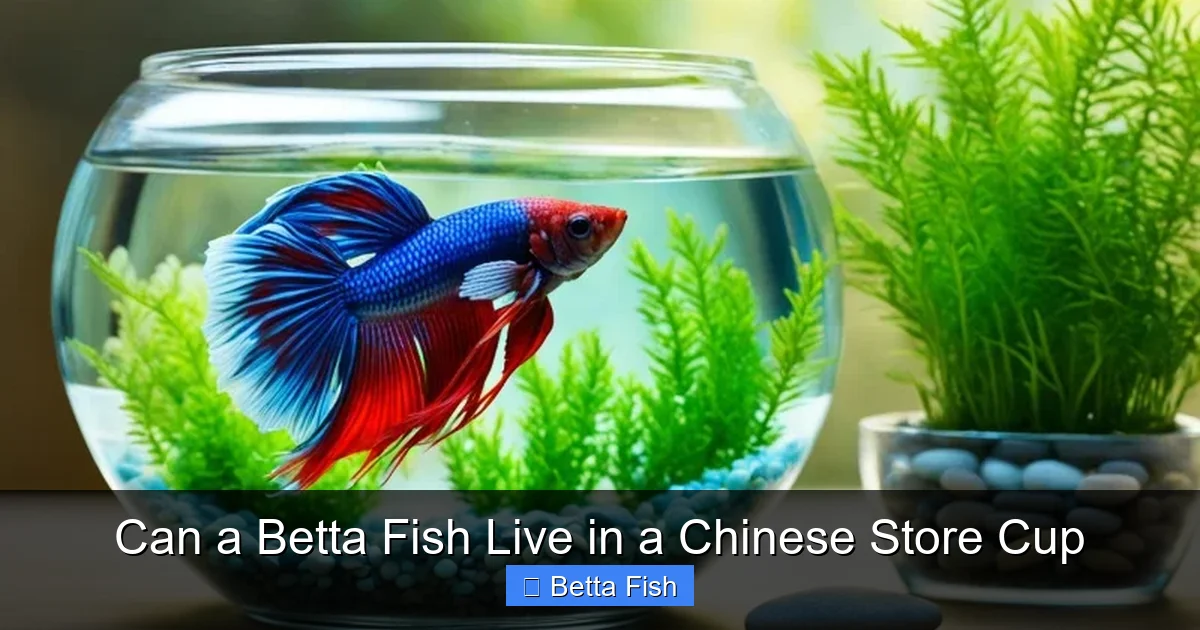
In a 2‑gallon setup, the betta has room to swim, a stable temperature, and a filter that keeps ammonia low. Live plants or silk plants provide hiding spots, reducing stress. Over time, you’ll see the fish’s colors brighten and its behavior become lively again.
Visual guide about Can a Betta Fish Live in a Chinese Store Cup
Image source: i.pinimg.com
Creating the Ideal Betta Habitat
Tank Size & Shape
While a bowl can work if it’s at least 2 gallons, a rectangular tank with a lid is best. The extra surface area allows for better oxygen exchange and easier placement of decorations.
Filtration Options
A low‑flow sponge filter is ideal; it provides biological filtration without creating strong currents that can tire a betta. If you prefer a hang‑on‑back filter, set it to the weakest setting.
Heating & Temperature Monitoring
A submersible heater with a thermostat is essential. Pair it with a reliable aquarium thermometer to check the water temperature twice daily.
Substrate and Décor
- Substrate: Fine sand or smooth gravel (1‑2 cm depth) mimics natural riverbeds.
- Plants: Live plants like Anubias, Java fern, or floating duckweed improve water quality and give the betta places to rest.
- Hideouts: Small caves, driftwood, or silicone‑glued PVC pipes provide security.
Feeding Practices
Offer high‑quality betta pellets or frozen/ live foods (brine shrimp, daphnia) once or twice daily. Remove uneaten food after a few minutes to prevent waste buildup.
Ethical Considerations and What to Tell Store Owners
Why Retailers Use Cups
Plastic cups are cheap, lightweight, and display the fish’s colors, making sales easy. However, they are sold for profit, not for the fish’s long‑term health.
How to Advocate for Better Practices
- Ask the seller if the betta can be transferred to a larger, filtered tank before purchase.
- Encourage stores to offer “starter kits” that include a small tank, heater, and filter.
- Share educational resources with the retailer; many are unaware of the cruelty involved.
Conclusion: Make the Right Choice for Your Betta
In short, can a betta fish live in a Chinese store cup? Technically, a betta can survive for a short time, but the cup is a death trap waiting to happen. The lack of space, poor water quality, temperature swings, and no enrichment combine to create a stressful, unhealthy environment.
The responsible answer is a clear “no.” If you spot a betta in a cup, consider purchasing it with the intention of moving it to a proper tank right away. By providing the right water parameters, temperature, and enrichment, you’ll enjoy a vibrant, active betta for years to come—and you’ll feel good knowing you gave it a humane home.
Helpful Resources
For more on betta care, check out these articles: Why Can Betta Fish Live In A Bowl, Can Betta Fish Live In Fish Bowls, and How Long Can A Betta Fish Live. Each provides deeper insight into creating a thriving environment for your new friend.
Frequently Asked Questions
Can a betta fish survive in a cup for a few days?
Yes, a betta can survive a short period, but stress and water quality deteriorate rapidly, making even a few days risky.
Is it legal to sell bettas in small cups?
Legality varies by region. Many places have no specific law, but animal welfare groups consider it unethical.
What is the minimum tank size for a betta?
Most experts recommend at least 2 gallons (7.5 L) for a single betta, with larger tanks offering better stability.
Do bettas need a filter?
While bettas can live without a filter in a well‑maintained tank, a gentle filter makes water quality management much easier.
How often should I change the water in a betta tank?
A 25‑30% water change once a week is ideal for a 2‑gallon tank; larger tanks may need less frequent changes.
Can I add plants to a betta’s tank?
Yes! Live or silk plants provide hiding spots and improve water quality, making the environment more natural and less stressful.

