Betta fish can survive up to a week without food, but it’s not ideal. Stress, weakened immunity, and slowed growth are common side‑effects, so proper feeding schedules and emergency plans are essential.
Key Takeaways
- Survival window: A healthy adult betta can typically endure 5‑7 days without food, but younger or stressed fish may need more frequent meals.
- Stress matters: Poor water quality, temperature fluctuations, or illness shorten the starvation tolerance.
- Gradual re‑feeding: After a fasting period, offer tiny portions of high‑quality food to avoid digestive upset.
- Emergency feeding tricks: Frozen or live foods, or even a small piece of brine shrimp, can buy time when you’re away.
- Monitor health: Look for faded colors, clamped fins, or lethargy as warning signs that your betta needs food.
- Plan ahead: Use automatic feeders or ask a friend to check on your fish during vacations.
- Know the limits: If your betta shows severe weight loss or refuses to eat after 48 hours of offered food, seek veterinary advice.
📑 Table of Contents
- Introduction: Why the One‑Week Question Matters
- How Long Can a Betta Really Go Without Food?
- What Happens Inside a Betta’s Body During a Fast
- Practical Tips: Keeping Your Betta Safe for a Week
- Signs Your Betta Needs Food Sooner Than Expected
- Re‑Feeding After a Week of No Food
- Conclusion: Balance Is Key
Introduction: Why the One‑Week Question Matters
Imagine you’re heading out of town for a week. You’ve packed your bags, set the thermostat, and double‑checked the tank. The only thing you haven’t considered is whether your betta fish can survive the trip without a single bite of food. It’s a common worry for new owners, and the answer isn’t as simple as “yes” or “no.”
Betta fish (Betta splendens) are hardy little survivors, but they are also delicate when it comes to nutrition. Knowing how long they can go without food, what signs to watch for, and how to prepare for a short‑term fast can make the difference between a healthy, vibrant fish and a stressed, sick one.
How Long Can a Betta Really Go Without Food?
What the science says
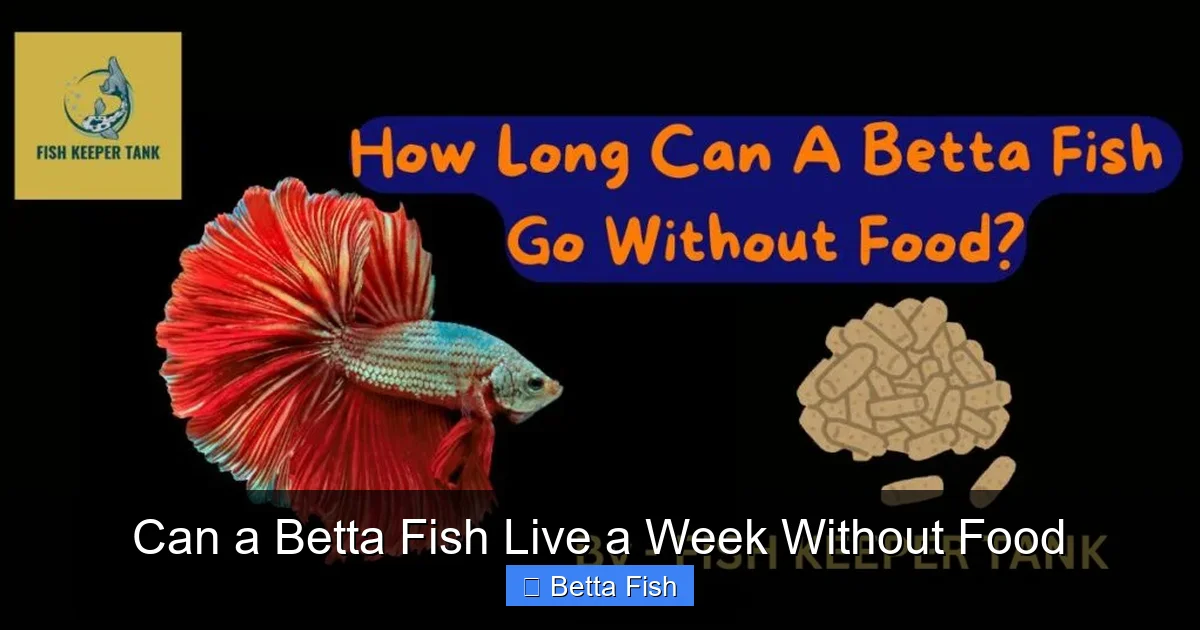
Studies on tropical fish metabolism show that adult bettas can store enough energy in their liver and muscle tissue to last roughly five to seven days without feeding. This aligns with the guidance in our article How Long Can A Betta Fish Live Without Food. Younger fry, however, have higher metabolic rates and may only survive three to four days.
Visual guide about Can a Betta Fish Live a Week Without Food
Image source: fishkeepertank.com
Factors that shorten or extend the window
- Water temperature: Warmer water (above 28 °C/82 °F) speeds up metabolism, burning through reserves faster.
- Health status: A fish battling disease or parasites has less energy to draw on.
- Stress levels: Crowded tanks, aggressive tank mates, or sudden changes in lighting can increase cortisol, which uses up stored energy.
- Size and age: Larger, mature males tend to have bigger energy stores than tiny juveniles.
What Happens Inside a Betta’s Body During a Fast
Metabolic slowdown
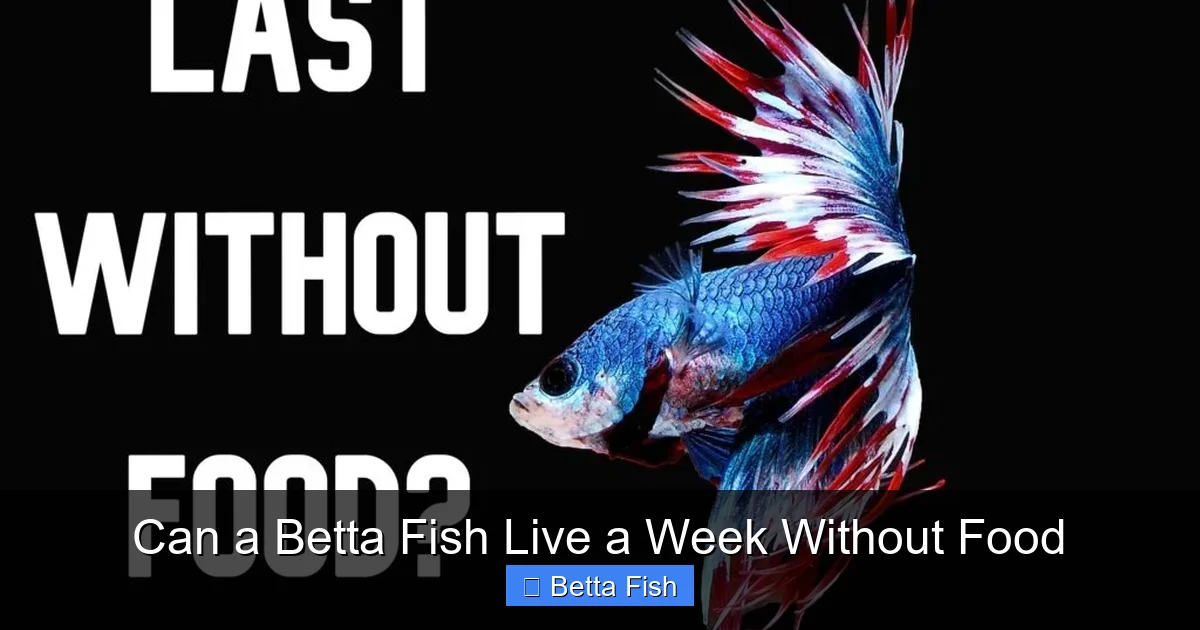
When food disappears, a betta’s body triggers a natural slowdown. The heart rate drops, and the fish becomes less active to conserve energy. You might notice your betta hovering near the surface, barely moving – this is a good sign that it’s entering a “survival mode.”
Visual guide about Can a Betta Fish Live a Week Without Food
Image source: fishtanksetups.com
Risks of prolonged fasting
Going beyond a week can lead to:
- Loss of muscle mass and weakened fins.
- Compromised immune system, making the fish vulnerable to bacterial infections.
- Digestive tract damage if you suddenly overfeed after a long fast.
- Potential liver failure in extreme cases.
Practical Tips: Keeping Your Betta Safe for a Week
Prepare the tank before you leave
- Check water parameters: Keep temperature steady at 78‑80 °F (25‑27 °C) and maintain ammonia and nitrite at zero.
- Do a partial water change: Fresh, clean water gives your betta a healthier environment while it’s fasting.
- Remove excess décor: Less hiding places mean less stress and easier monitoring of the fish’s condition.
Use an automatic feeder
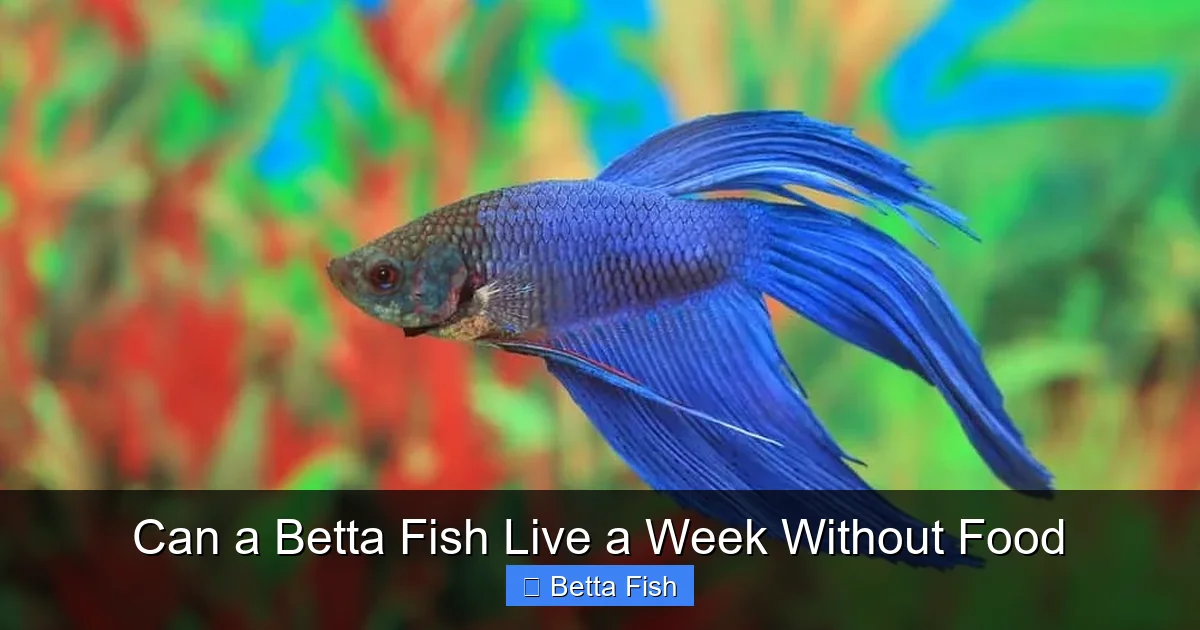
Small, battery‑operated feeders can dispense a pinch of high‑quality betta pellets once a day. Test the device a few days before you leave to ensure it doesn’t jam.
Visual guide about Can a Betta Fish Live a Week Without Food
Image source: fishtankmaster.com
Ask a friend or neighbor
If you don’t have a feeder, a trusted person can drop a tiny amount of food into the tank every two days. Remind them to feed sparingly – a pea‑size pellet is enough.
Emergency feeding options
Should you return early and find your betta looking thin, try these quick fixes:
- Offer a single frozen brine shrimp (thawed) – it’s highly digestible.
- Use a tiny piece of live mosquito larva, which stimulates the natural hunting instinct.
- Gently rub a bit of high‑protein betta pellet onto the tank glass; the fish will often scrape it off.
Signs Your Betta Needs Food Sooner Than Expected
Behavioral clues
A healthy betta is usually curious, flares its fins, and swims around the tank. If you notice:
- Clamped fins (fins held close to the body)
- Lethargy or staying at the bottom
- Loss of bright coloration
- Rapid gulping at the surface without taking in food
these are red flags that the fish’s energy reserves are depleted.
Physical symptoms
Look for a thinner body profile, especially behind the dorsal fin, and a sunken belly. In severe cases, the eyes may become cloudy, indicating internal organ stress.
Re‑Feeding After a Week of No Food
Start slow
After a fasting period, feed only a few tiny pellets once a day for the first two days. Overfeeding can cause bloating and constipation, which are dangerous for bettas.
Choose the right food
High‑protein, low‑fat pellets designed for bettas are best. You can also supplement with occasional live or frozen foods to boost nutrition.
Monitor and adjust
Watch your betta for 24‑hour intervals. If it eats all offered food within a few minutes, you can slightly increase the portion. If it rejects food, wait another day and try again.
Conclusion: Balance Is Key
While a betta fish can survive a week without food under ideal conditions, it’s not a practice you should rely on regularly. Proper feeding, clean water, and a stress‑free environment are the foundations of a long, colorful life for your betta. Planning ahead with an automatic feeder, a trusted helper, or emergency food options ensures that a short trip or unexpected schedule change won’t jeopardize your fish’s health.
Remember, the goal isn’t just survival—it’s thriving. By understanding the limits of a betta’s fasting ability and taking proactive steps, you’ll keep those spectacular fins flashing for years to come.
Frequently Asked Questions
Can a betta fish survive exactly seven days without food?
In most cases, a healthy adult betta can make it through seven days, but factors like temperature, stress, and age can shorten that window.
What should I do if my betta hasn’t eaten for three days?
Check water quality, temperature, and look for signs of illness. Offer a tiny amount of live or frozen food to stimulate appetite.
Is it safe to use a regular fish feeder for a betta?
Yes, as long as the feeder releases only a pinch of food once a day. Test it beforehand to avoid over‑feeding.
How can I tell if my betta is stressed while fasting?
Watch for clamped fins, faded colors, and reduced movement. Stress often shows up as a combination of these visual cues.
Can I feed my betta once a week instead of daily?
Feeding once a week is too infrequent for most bettas. Aim for daily small meals; occasional fasting should not exceed five to seven days.
What emergency food can I keep on hand for a betta?
Frozen brine shrimp, live mosquito larvae, or a single high‑protein pellet are excellent emergency options that are easy to store.

