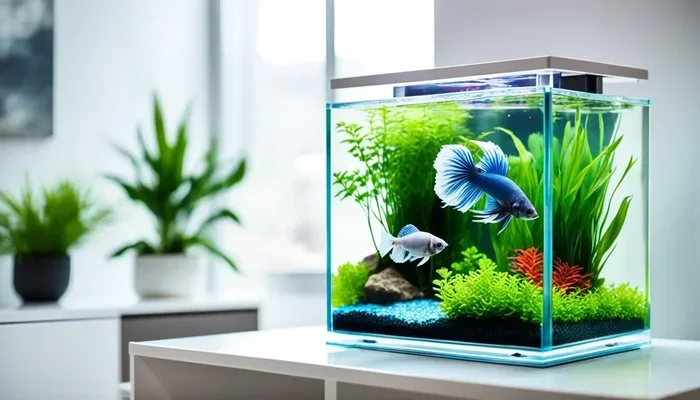
How to Make Two Betta Fish Mate
Making two betta fish mate requires the right tank setup, water conditions, and careful introduction. This guide covers everything from preparing a breeding tank to understanding betta courtship behavior. You will learn how to keep both fish healthy and stress-free throughout the mating process.
Breeding betta fish can feel exciting and a little intimidating at the same time. If you have been wondering how to make two betta fish mate, you are in the right place. This guide walks you through every step with simple, practical advice.
Betta fish, also known as Siamese fighting fish, have unique mating behaviors. Unlike many other fish species, bettas build bubble nests and the male carries the eggs. Getting the conditions right is the secret to success. We will cover tank setup, water preparation, fish health, and the actual mating process.
Whether you are a beginner or have some experience, this article gives you everything you need. You will learn what to do before, during, and after mating. Let us dive in and help your bettas thrive together.
Key Takeaways
- Separate tanks are essential: You need a dedicated breeding tank with the right temperature and conditions for successful mating.
- Water quality matters: Clean, warm water with proper parameters makes betta fish more willing to mate.
- Health comes first: Both fish need to be in top condition before you attempt breeding.
- Courtship takes time: Patience is key — the mating process can take several days.
- Know the signs: Understanding betta behavior helps you spot readiness and avoid stress.
📑 Table of Contents
Understanding Betta Fish Mating Basics
Before you try anything, it helps to understand how betta fish mate naturally. Male and female bettas have different roles during the process. Knowing these roles makes everything easier to manage.
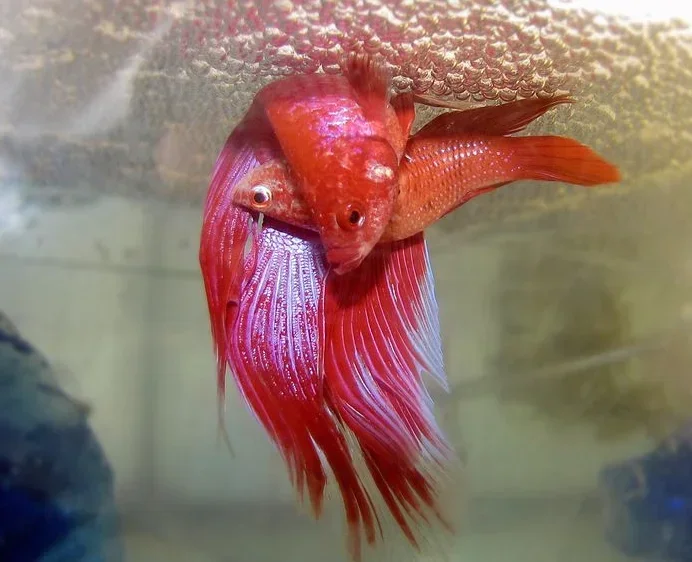
The male betta builds a bubble nest at the surface of the water. This nest holds the eggs once the female releases them. The male then wraps around the female to collect the eggs and place them in the nest. It is a fascinating process to watch.
Male vs Female Betta Fish Roles
The male does most of the heavy lifting during breeding. He builds the nest, courts the female, and protects the eggs after they are laid. The female releases the eggs, which the male then fertilizes.
You need both a healthy male and a healthy female for mating to work. A strong betta fish of each gender gives you the best chance of success. Weak or stressed fish may refuse to mate altogether.
Signs That Your Betta Fish Are Ready to Mate
Watch for clear body language cues. The male will build a bubble nest at the water surface. This is one of the first signs he is ready. The female will develop a white egg spot on her underside.
Both fish may show brighter colors when they are in breeding condition. The female might also display vertical stripes on her body. These stripes mean she is receptive to the male. If you see these signs, you are on the right track.
Setting Up the Right Tank for Mating
A proper tank setup is the foundation of successful betta fish mating. You cannot just drop a male and female into any tank and expect results. The environment needs to feel safe and comfortable for both fish.
First, decide whether you want to use a breeding tank or a temporary setup. A separate breeding tank works best because it gives you full control over conditions. You can set up a fish tank for betta fish following these guidelines.
Tank Size and Setup
A 10-gallon tank is a good size for breeding two bettas. It gives them enough space without being too large to manage. Fill the tank with about 6 inches of water. This depth helps the male build a stable bubble nest.
Add a sponge filter for gentle water flow. Bettas do not like strong currents. The filter should create minimal disturbance. You can also add a few floating plants. These give the male material to build his nest and make the female feel secure.
Temperature and Lighting
Keep the water temperature between 78 and 82 degrees Fahrenheit. Warm water triggers breeding behavior in bettas. Use a reliable heater to maintain a steady temperature. Fluctuations can stress both fish and kill the mating mood.
Use soft, dim lighting. Bright lights can scare the fish and make them hide. A simple LED lamp on a low setting works well. The goal is to create a calm, cozy environment that mimics their natural habitat.
Preparing the Water for Breeding
Water quality is one of the most important factors in betta fish mating. Dirty or unbalanced water will stop the process before it starts. Both fish need clean, warm, and soft water to feel safe.
You should make water for betta fish with care before introducing them to the breeding tank. Use treated tap water or filtered water. Avoid distilled water because it lacks the minerals bettas need.
Water Parameters for Mating
Keep the pH level between 6.5 and 7.0. This slightly acidic to neutral range is ideal for breeding. The water hardness should be soft, around 3 to 5 dGH. Hard water can stress bettas and make them less likely to mate.
Test the water with a reliable kit before adding any fish. Check ammonia, nitrite, and nitrate levels too. All of these should be at zero or very low. Even small amounts of ammonia can harm your fish and ruin your breeding attempt.
Water Changes and Maintenance
Do small water changes of about 10 to 15 percent every other day. This keeps the water fresh without shocking the fish. Use a turkey baster to remove debris from the bottom of the tank.
Add water at the same temperature as the tank. Cold water drops can stress the fish. Consistency is key during the mating phase. Clean water also keeps both fish healthy and in breeding condition.
Getting the Fish Ready for Mating
Preparation is everything when it comes to betta fish mating. You should not just throw a male and female together and hope for the best. A careful conditioning period makes a huge difference.
Start by keeping the male and female in separate containers near each other. This lets them see each other without direct contact. They will get used to each other’s presence. After a few days, you can begin the introduction process.
Conditioning the Fish
Feed both fish high-quality food during the conditioning phase. Live or frozen brine shrimp and bloodworms work great. These foods boost their health and energy levels. A well-fed betta is more likely to mate successfully.
You can also make betta fish happy by adding hiding spots and gentle plants to their separate containers. Happy, relaxed fish breed more readily than stressed ones. Give them at least one to two weeks of conditioning before introducing them to the breeding tank.
The Introduction Process
When both fish look healthy and active, it is time to introduce them. Place the female in the breeding tank first. Let her explore for a few hours. Then gently add the male to the tank.
Watch their behavior closely during the first meeting. Some chasing is normal. The male may flare his fins to show the female he is ready. But if they fight aggressively, separate them immediately. Give them a break and try again the next day.
The Mating Process Step by Step
Once the male and female accept each other, the actual mating process begins. This can take anywhere from a few hours to a full day. Stay patient and observe quietly from a distance.
The male will start by intensifying his colors and building up his bubble nest. He will then court the female by wrapping around her in a special embrace. During this embrace, the female releases eggs and the male fertilizes them.
What Happens During Spawning
The spawning process usually goes like this:
- The male wraps his body around the female.
- The female releases between 10 and 40 eggs per embrace.
- The male collects the eggs and places them in the bubble nest.
- They repeat this process several times until all eggs are released.
The entire process can take two to six hours. Once the female releases all her eggs, she will look tired. Remove her from the tank at this point. The male will take over and guard the eggs in the nest.
After Mating: Caring for the Eggs
The male betta will guard the bubble nest carefully. He will pick up any eggs that fall and place them back in the nest. Do not disturb the tank during this time. Keep the lighting dim and the water flow gentle.
The eggs will hatch in about 24 to 48 hours. The fry (baby bettas) will stay in the nest for another two to three days. During this time, do not feed the male because he may eat the fry. Once the fry are free-swimming, you can remove the male gently.
Common Mistakes to Avoid
Breeding betta fish can go wrong if you skip important steps. Here are some common mistakes that beginners make. Avoiding these will save you time, money, and heartache.
Skipping the Conditioning Phase
Many people rush the process and put the fish together too soon. Without proper conditioning, the fish may not be in the right mood to mate. Take your time and give them at least one to two weeks of good food and separate living spaces.
Using the Wrong Tank Size
A tank that is too small causes stress. A tank that is too large makes it hard for the male to find and tend the nest. Stick with a 10-gallon tank for the best results. This size gives enough room without being overwhelming.
Ignoring Water Quality
Dirty water is the number one killer of breeding attempts. If the water is not clean, the fish will be too stressed to mate. Test the water regularly and keep up with small water changes. Also, make sure to make your betta fish stronger by keeping water parameters stable.
Forcing the Fish to Mate
Never force a male and female together if they are showing signs of aggression. Some pairs simply do not get along. If they keep fighting, it is best to try with a different female. Forcing the issue can lead to injury or death.
Tips for a Successful Breeding Experience
A little extra effort goes a long way when breeding betta fish. Here are some tips that experienced breeders swear by.
- Watch the fish daily: Check on them at least twice a day during the mating phase. Early detection of problems saves lives.
- Keep a backup tank ready: If the female needs to be removed quickly, have a separate container prepared in advance.
- Use live food: Live brine shrimp and daphnia boost breeding behavior better than dry flakes alone.
- Stay calm and quiet: Loud noises and sudden movements can stress the fish and interrupt the mating process.
- Be patient: Not every attempt will be successful. Even experienced breeders sometimes need multiple tries.
Remember that breeding betta fish is a rewarding but delicate process. Success comes from preparation, patience, and attention to detail. Start with healthy fish, create the right environment, and let nature take its course.
Conclusion
Learning how to make two betta fish mate is a journey that requires care and knowledge. From setting up the right tank to preparing the water and conditioning the fish, every step matters. When you get the conditions right, the natural mating process unfolds beautifully.
Focus on keeping both fish healthy and stress-free throughout the process. Pay attention to water quality, temperature, and behavior cues. With patience and the right approach, you can successfully breed betta fish and enjoy watching the next generation grow.
Start with the basics, follow the steps in this guide, and adjust as you learn. Every breeding experience teaches you something new. Good luck, and enjoy the wonderful world of betta fish breeding.
Frequently Asked Questions
How long does it take for betta fish to mate?
The actual mating process usually takes between two and six hours once the fish are introduced. However, the full preparation including conditioning and tank setup can take one to two weeks. Patience is the key to a successful breeding experience.
Can I keep a male and female betta fish together permanently?
It is not recommended to keep male and female bettas together permanently except during the breeding process. Outside of mating, male bettas can be aggressive toward females. Always separate them after breeding is complete to keep both fish safe and healthy.
How many eggs does a female betta fish lay at once?
A female betta fish can lay between 10 and 40 eggs per spawning session. Some healthy females may lay even more. The male collects and places each egg carefully into the bubble nest he built at the water surface.
Why is my betta fish not building a bubble nest?
A betta that is not building a bubble nest may be stressed, unhealthy, or not in breeding condition. Check the water temperature and quality first. Make sure the fish is well-fed and comfortable. Sometimes it simply takes time for the fish to feel ready.
Should I feed the male betta after the eggs are laid?
No, you should not feed the male while he is guarding the eggs. He may eat the fry or ignore the nest if he is distracted by food. Wait until the fry are free-swimming and have left the nest before offering food to the male again.
What should I feed betta fry after they hatch?
Betta fry need very small foods like infusoria or newly hatched brine shrimp. As they grow, you can gradually introduce crushed flakes and micro worms. Feed them small amounts several times a day for the best growth and health.